
While the vibrant energy, sun-drenched beaches, and a cosmopolitan allure often take center stage when discussing the iconic city of Miami, understanding its leadership is crucial for anyone seeking to delve deeper into its operational and developmental fabric. The office of the Mayor of Miami is a pivotal role, influencing everything from urban planning and tourism initiatives to the city’s cultural landscape and economic growth. This exploration delves into the current mayoral leadership and the broader context of Miami’s governance, particularly as it relates to the thriving travel, hospitality, and lifestyle sectors that define this dynamic South Florida metropolis.
The Current Occupant of the Mayor’s Office
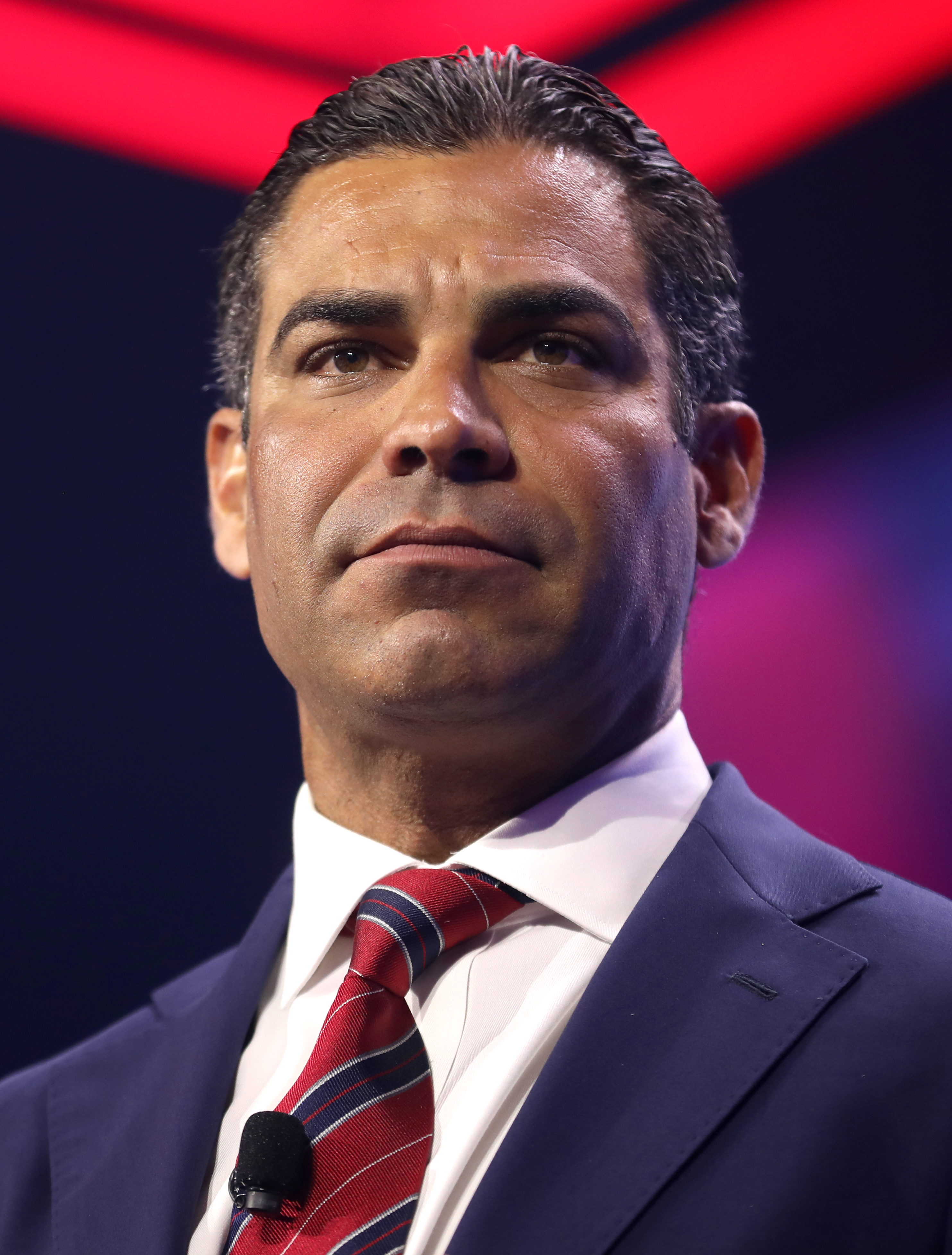
The question, “Who is the Mayor of Miami?” is best answered by identifying the individual currently holding this significant position. The Mayor of Miami is not just a figurehead; they are the chief executive officer of the city government, responsible for overseeing its administration, proposing policies, and acting as the primary spokesperson for the city. This role carries immense responsibility, especially in a city as diverse and globally recognized as Miami, a city that is a major hub for international trade, finance, arts, and culture.
The current Mayor of Miami is Francis Suarez. Elected in 2017 and re-elected in 2021, Suarez has become a prominent figure in municipal leadership, not only within Florida but also on a national stage. His tenure has been marked by a strong focus on economic development, technological innovation, and enhancing the quality of life for Miami’s residents. He has actively promoted the city as a destination for businesses, particularly in the tech sector, and has championed initiatives aimed at improving public spaces and infrastructure.
Suarez’s approach to governance often emphasizes a forward-thinking vision, embracing new technologies and seeking to position Miami as a leader in urban innovation. His efforts have contributed to the city’s growing reputation as a place that is not only a premier travel destination but also a burgeoning center for economic opportunity and a desirable place to live. This proactive stance resonates deeply with the principles of understanding a city’s leadership, especially when considering its impact on sectors like tourism and lifestyle.
The Role and Responsibilities of the Mayor
The office of the Mayor of Miami is multifaceted, encompassing a wide array of responsibilities that directly or indirectly affect every aspect of the city’s operations and its appeal to visitors and residents alike. The Mayor serves as the chief executive of the City of Miami government, which is distinct from Miami-Dade County, though both entities play significant roles in the region’s governance.
Key responsibilities include:
- Executive Leadership: Overseeing the city’s departments, ensuring efficient delivery of public services, and implementing policies set forth by the city commission. This involves managing budgets, approving contracts, and appointing key city officials.
- Policy Development: Proposing new ordinances and policies to the Miami City Commission for consideration and approval. This can range from zoning regulations that shape the city’s architecture and development to initiatives that promote local businesses and cultural events.
- Economic Development: Actively working to attract new businesses, encourage investment, and create jobs within Miami. This is particularly relevant to the travel and tourism industry, as a strong economy often translates into more resources for infrastructure, amenities, and promotional activities that draw visitors.
- Public Representation: Serving as the official representative of the city in public forums, addressing the media, and engaging with residents, businesses, and other governmental bodies. The Mayor’s public image and pronouncements significantly influence how Miami is perceived globally, directly impacting its attractiveness as a travel destination.
- Promoting Miami: A significant, though often unofficial, part of the Mayor’s role is to act as an ambassador for the city. Francis Suarez has been particularly adept at this, frequently highlighting Miami’s unique offerings, from its world-class hotels and restaurants to its stunning beaches and vibrant cultural scene.
The Mayor’s influence can be seen in various initiatives that shape the city’s offerings, from supporting new hotel developments and improving airport facilities to promoting cultural festivals and ensuring the safety and cleanliness of popular tourist attractions like South Beach and Vizcaya Museum & Gardens.
Miami’s Mayoral Landscape: Beyond the Current Leader

Understanding “Who is the Mayor of Miami?” also involves appreciating the historical context and the broader governmental structure within which the Mayor operates. The city has a rich history of leadership, with past mayors shaping its development in significant ways. Each administration has left its mark, contributing to the evolution of Miami from a burgeoning coastal town into the international metropolis it is today.
The City of Miami vs. Miami-Dade County Governance
It is crucial to distinguish between the Mayor of the City of Miami and the Mayor of Miami-Dade County. Miami is one of multiple municipalities within Miami-Dade County. While the county government oversees regional services such as public transportation, major airports (like Miami International Airport), seaports, and parks, the city government is responsible for the day-to-day operations within its corporate limits. The Mayor of the City of Miami governs the specific area known as the City of Miami, which includes districts like Downtown Miami, Brickell, Coconut Grove, and Little Havana.
This distinction is important for understanding the scope of the Mayor’s influence. For instance, when considering large-scale tourism infrastructure projects or regional transportation networks, both city and county leadership will be involved. However, the specific branding and promotion of Miami as a travel destination, the regulation of hotels within city limits, and the development of local attractions are primarily within the purview of the city government, led by the Mayor of the City of Miami.
The Mayor’s Impact on Miami’s Travel and Lifestyle Scene
The leadership of the Mayor of Miami has a profound and direct impact on the city’s status as a premier global destination for travel, tourism, and a sophisticated lifestyle. Through policy decisions, strategic investments, and active promotion, the Mayor’s office shapes the experiences available to visitors and residents alike.
Shaping Tourism and Hospitality
The Mayor plays a crucial role in fostering an environment conducive to a thriving tourism and hospitality industry. This includes:
- Infrastructure Development: Supporting the development and enhancement of hotels, resorts, and other accommodation options. This can involve streamlining permitting processes for new construction or renovations, as seen in the ongoing development of luxury hotels in areas like Brickell and along the coastline. The Mayor’s vision can influence the type of developments that occur, encouraging a mix of boutique hotels, large-scale resorts with extensive amenities, and serviced apartments catering to various traveler needs.
- Promotional Campaigns: Actively participating in and supporting city-wide and regional marketing efforts to attract tourists. This might involve attending international travel expos, hosting dignitaries and media, and endorsing campaigns that highlight Miami’s unique selling propositions – from its vibrant nightlife and world-class dining to its rich cultural heritage and beautiful beaches.
- Cultural and Event Support: Championing events that draw visitors, such as art festivals (like Art Basel Miami Beach), music festivals, and sporting events. The Mayor’s office can facilitate these by providing logistical support, ensuring public safety, and promoting the city as an ideal host.
- Enhancing Attractions: Directing resources towards the maintenance, improvement, and promotion of iconic landmarks and attractions. This could range from ensuring the beauty and accessibility of the Miami Beach Boardwalk to supporting the preservation and enhancement of historical sites and natural areas.
Fostering a Vibrant Lifestyle
Beyond tourism, the Mayor’s influence extends to the lifestyle aspects that make Miami such an appealing place to live, work, and visit. This encompasses:
- Urban Planning and Development: Policies related to zoning, public spaces, and urban design directly impact the city’s aesthetic and functionality. The Mayor’s vision can steer development towards creating more walkable neighborhoods, vibrant public plazas, and accessible green spaces, enhancing the overall living and visiting experience. This also influences the types of residential accommodations available, from luxury high-rises to charming villas.
- Economic Diversification: Efforts to attract diverse industries, including technology, finance, and the arts, contribute to a dynamic urban environment. This diversification creates more opportunities for residents and visitors, fostering a rich tapestry of experiences, from cutting-edge art galleries to innovative culinary scenes.
- Safety and Quality of Life: Ensuring public safety and maintaining a high quality of life are paramount. Initiatives that address crime reduction, environmental sustainability, and efficient public services contribute to Miami being a desirable destination for both short-term stays and long-term living.
In conclusion, while the question “Who is the Mayor of Miami?” might seem straightforward, the answer – Francis Suarez – opens up a deeper conversation about leadership, governance, and the intricate ways in which municipal administration shapes a city’s identity and its global standing, particularly in sectors as dynamic and multifaceted as travel, tourism, and lifestyle. The Mayor’s actions and vision are integral to Miami’s continued success as a world-class destination.
LifeOutOfTheBox is a participant in the Amazon Services LLC Associates Program, an affiliate advertising program designed to provide a means for sites to earn advertising fees by advertising and linking to Amazon.com. Amazon, the Amazon logo, AmazonSupply, and the AmazonSupply logo are trademarks of Amazon.com, Inc. or its affiliates. As an Amazon Associate we earn affiliate commissions from qualifying purchases.