
The question of who holds the esteemed position of Mayor of New York City is one that resonates far beyond the city’s bustling five boroughs. This role is not merely a civic leadership position; it is a pivotal point of influence in global commerce, culture, and policy. The Mayor of New York City is the chief executive of the most populous city in the United States and a leading force on the world stage. Understanding this office involves delving into its history, its current occupant, and the profound impact the mayor has on shaping the daily lives of millions and the trajectory of a global metropolis.

The Office and Its Significance
The Mayor of New York City is the head of the city’s executive branch, responsible for implementing and enforcing the laws passed by the New York City Council and for overseeing the vast administrative machinery of city government. This includes managing agencies that touch upon virtually every aspect of urban life, from public safety and education to transportation and housing. The mayor also serves as the public face of the city, representing its interests at regional, national, and international forums.
Historical Context of the Mayoralty
The office of Mayor of New York City has a long and storied history, dating back to the city’s origins as a Dutch settlement. Originally known as the Director-General of New Netherland, the position evolved through British colonial rule and into the early years of the American Republic. Over centuries, the powers and responsibilities of the mayor have waxed and waned, shaped by charter revisions, political shifts, and the ever-changing needs of a dynamic urban environment. Figures like Fiorello La Guardia, who famously read the funnies on the radio during a newspaper strike, or Ed Koch, known for his direct and often flamboyant style, have left indelible marks on the city’s identity and the perception of the mayoral office. Each mayor inherits a legacy and contributes to the ongoing narrative of New York City as a crucible of innovation and a beacon of opportunity.
The Mayor’s Mandate and Responsibilities
The mayor’s responsibilities are immense and multifaceted. They are tasked with:
- Budgetary Oversight: Proposing and managing the city’s multi-billion dollar budget, a complex undertaking that requires balancing competing needs and priorities.
- Public Safety: Overseeing the New York City Police Department (NYPD) and the Fire Department of New York (FDNY), ensuring the safety and security of residents and visitors.
- Economic Development: Fostering economic growth, attracting businesses, and creating jobs in a competitive global landscape. This often involves strategies for sectors ranging from finance and technology to arts and culture.
- Urban Planning and Infrastructure: Guiding the development and maintenance of the city’s infrastructure, including its subways, roads, parks, and public housing. Decisions made in this realm have long-lasting impacts on the city’s livability and functionality.
- Social Services: Directing agencies that provide essential social services, addressing issues such as poverty, homelessness, healthcare, and education for New York City’s diverse population.
- Crisis Management: Leading the city through emergencies, whether natural disasters, public health crises, or security threats. The mayor’s leadership during such times is crucial for maintaining public confidence and coordinating response efforts.
The mayor acts as the chief advocate for New York City, negotiating with state and federal governments for funding and support, and representing the city’s interests in policy debates.
The Current Occupant: Eric Adams
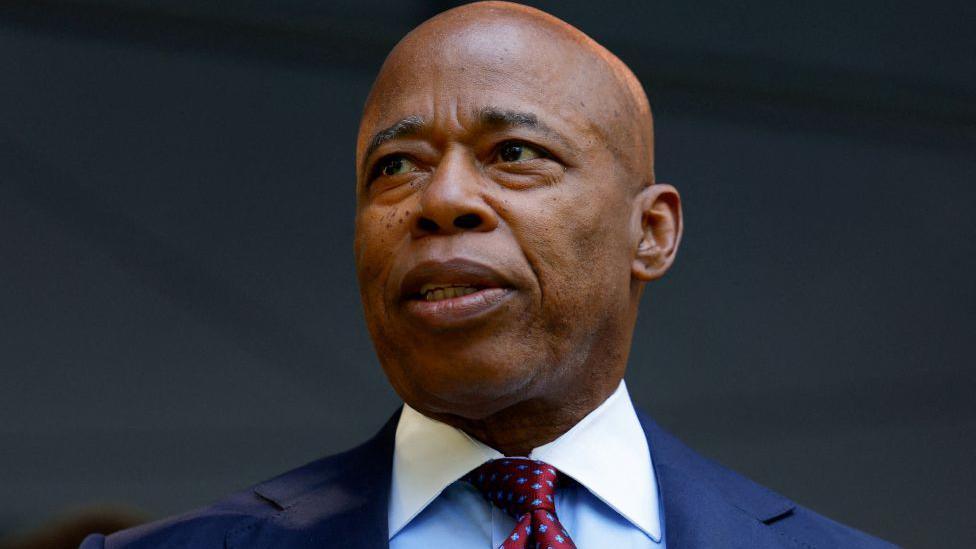
As of the time of this writing, the Mayor of New York City is Eric Adams. A lifelong New Yorker, Adams brings a unique perspective shaped by his experiences as a former police officer and a state senator. His background often informs his approach to governance, with a particular emphasis on public safety, economic opportunity, and addressing quality of life issues within the city.
A Vision for the City
Mayor Eric Adams has articulated a vision for New York City that centers on making the city safer, more affordable, and more livable. His administration has focused on key priorities such as:
Tackling Crime and Public Safety
A cornerstone of Mayor Adams’s platform has been the commitment to reducing crime and enhancing public safety across all five boroughs. This involves strategies aimed at both addressing the root causes of crime and implementing effective law enforcement measures. He has emphasized the importance of collaboration between the NYPD and community organizations to build trust and foster a safer environment for all residents. Initiatives related to gun violence reduction and addressing quality-of-life offenses are central to this focus.
Economic Revitalization and Affordability
New York City is renowned for its dynamic economy, but challenges related to affordability persist. Mayor Adams has sought to foster economic growth by supporting businesses, encouraging innovation, and promoting job creation. Simultaneously, his administration has grappled with the pressing issue of housing affordability, exploring policies designed to increase the supply of housing and provide relief to residents struggling with the high cost of living. This includes efforts to revitalize commercial districts and attract new industries to the city.
Addressing Quality of Life and City Services
Beyond major policy initiatives, the mayor is also responsible for ensuring that essential city services function efficiently and that the quality of life for residents is maintained and improved. This encompasses everything from garbage collection and street cleaning to the accessibility of public parks and the effectiveness of public transportation. Mayor Adams has expressed a commitment to making New York City a cleaner, more vibrant, and more enjoyable place to live, work, and visit.

Challenges and Opportunities
The role of Mayor of New York City is perpetually fraught with challenges. From managing the complexities of a diverse and dense population to navigating fiscal constraints and national political currents, the mayor must constantly adapt and innovate. The city faces ongoing issues such as affordable housing, public transportation reliability, climate resilience, and social equity.
However, these challenges are matched by immense opportunities. New York City remains a global hub for finance, culture, innovation, and tourism. Its iconic landmarks like the Empire State Building, Central Park, and the Statue of Liberty attract millions of visitors annually, contributing significantly to the local economy. The city’s unparalleled artistic and culinary scenes, its diverse neighborhoods, and its spirit of resilience make it a unique and enduring destination. The mayor plays a critical role in harnessing these strengths, advocating for the city on the national and international stage, and ensuring that New York City continues to thrive as a beacon of possibility. The decisions made by the mayor have a tangible impact on the experiences of tourists and residents alike, influencing everything from the cleanliness of Times Square to the accessibility of cultural institutions like the Metropolitan Museum of Art.
LifeOutOfTheBox is a participant in the Amazon Services LLC Associates Program, an affiliate advertising program designed to provide a means for sites to earn advertising fees by advertising and linking to Amazon.com. Amazon, the Amazon logo, AmazonSupply, and the AmazonSupply logo are trademarks of Amazon.com, Inc. or its affiliates. As an Amazon Associate we earn affiliate commissions from qualifying purchases.