
The glittering facade of the Bellagio Las Vegas stands as an enduring symbol of luxury, entertainment, and architectural grandeur on the iconic Las Vegas Strip. Its name alone evokes images of dancing fountains, world-class dining, and an unparalleled guest experience. For millions of visitors who flock to this desert oasis each year, the Bellagio is more than just a hotel; it’s a destination, a landmark, and a testament to the city’s ability to constantly reinvent itself. However, beneath the opulent surface and seamless operation lies a fascinating and somewhat complex ownership structure that has evolved significantly over the years. Understanding who truly owns this magnificent resort requires delving into the intricate world of corporate finance, real estate investment, and the unique business models prevalent in the hospitality industry, particularly in destinations like Las Vegas, Nevada, United States.
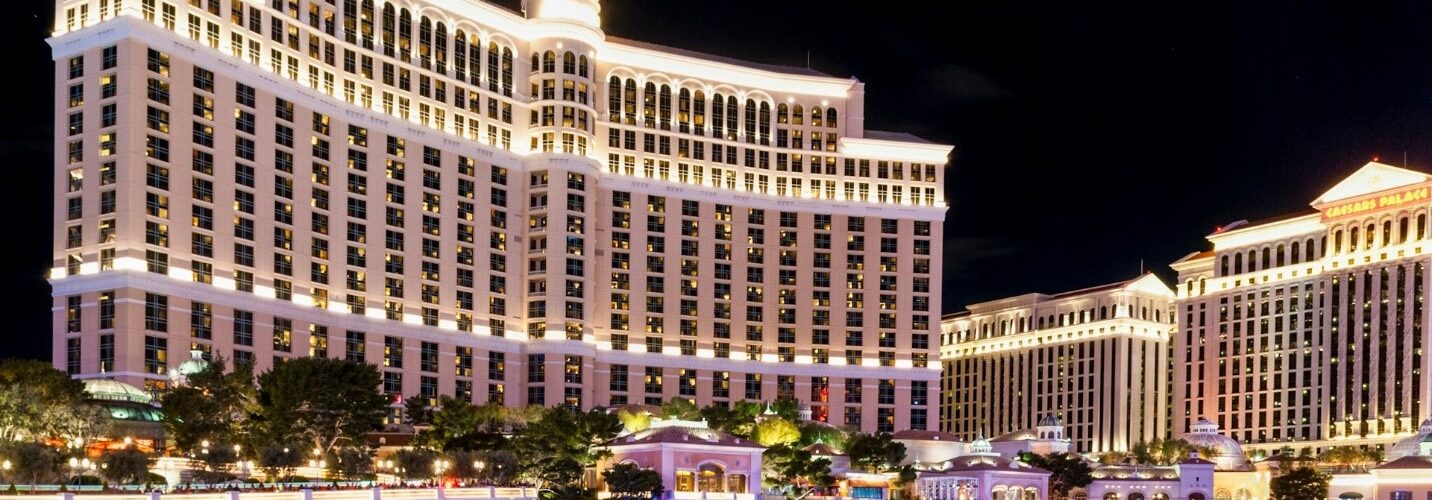
The common perception might be that a single entity, perhaps the operating company whose name adorns many resorts, is the sole owner. While MGM Resorts International is undoubtedly synonymous with the Bellagio’s daily operations and brand identity, the actual ownership of the physical real estate is a different story. This dynamic dual-ownership model—where one company owns the property and another manages the business—has become increasingly common in the modern hospitality and gaming landscape, reflecting strategic shifts in how major corporations manage their assets and capital. This article will unravel the threads of ownership, explore the strategic rationale behind it, and illustrate how this structure impacts everything from the resort’s operational excellence to its long-term future as a premier travel destination.
The Enduring Legacy of an Icon: Bellagio’s Place on the Strip
The Bellagio first opened its doors in 1998, the brainchild of casino mogul Steve Wynn and his company, Mirage Resorts. From its inception, the vision was clear: to create a resort that transcended the traditional Las Vegas experience, focusing on elegance, art, and European-inspired luxury. Named after the picturesque village of Bellagio on Lake Como, Italy, the resort quickly set new benchmarks for hospitality. Its signature attraction, the mesmerizing Fountains of Bellagio, became an instant global landmark, drawing millions to witness its choreographed water shows set to music and light. Inside, the Conservatory & Botanical Gardens transforms with the seasons, showcasing breathtaking floral displays, while the Bellagio Gallery of Fine Art hosts rotating exhibitions from world-renowned artists.
This focus on elevated experiences extended to every facet of the resort. Guests seeking luxury accommodations find lavish suites equipped with state-of-the-art amenities, offering panoramic views of the Strip or the Fountains. Dining options range from casual cafes to Michelin-starred restaurants like Picasso and Le Cirque, as well as modern culinary delights at Lago by Julian Serrano and Mayfair Supper Club. The resort also houses the exquisite Bellagio Patisserie, home to the world’s largest chocolate fountain. Entertainment is equally grand, with the award-winning Cirque du Soleil production “O” enchanting audiences nightly. The Bellagio Spa & Salon offers a sanctuary of relaxation, further solidifying its status as a comprehensive luxury travel destination.
Beyond its physical attributes, the Bellagio embodies a lifestyle. It represents the pinnacle of luxury travel, attracting a discerning clientele from across the globe, whether they are on a romantic getaway, a business stay, or a family trip seeking memorable experiences. Its presence on the Strip not only elevates the standard for other hotels and resorts but also contributes significantly to Las Vegas’s image as a global tourism powerhouse. The story of its ownership, therefore, is not just a tale of corporate maneuvers, but one that underpins the continued vitality and success of a true landmark.
Unraveling the Modern Ownership Structure: A Strategic Alliance
The present-day ownership of the Bellagio Las Vegas is a prime example of a sale-leaseback transaction, a sophisticated financial strategy that has reshaped the balance sheets of many major hospitality and gaming companies. In essence, the real estate (the land and buildings) is owned by one entity, while the operations (the brand, management, staff, and daily business) are handled by another. This separation allows each party to focus on its core competencies and optimize its capital structure.
The Role of Blackstone Real Estate Income Trust (BREIT)
In 2019, a monumental deal shifted the primary ownership of the Bellagio’s real estate. MGM Resorts International, which had acquired Mirage Resorts in 2000 and thus became the owner of the Bellagio, sold the property to Blackstone Real Estate Income Trust, more commonly known as BREIT. This transaction, valued at approximately $4.25 billion, was a landmark deal in the Las Vegas market.
Blackstone, one of the world’s largest investment firms, is a major player in real estate. BREIT operates as a Real Estate Investment Trust (REIT), a company that owns, operates, or finances income-generating real estate. REITs typically allow individual investors to earn a share of the income produced through commercial real estate ownership, without having to buy, manage, or finance property themselves. For BREIT, acquiring the Bellagio meant adding a trophy asset to its portfolio – a stable, high-value property in a prime location with a strong, predictable income stream from rent.
Under the terms of the agreement, BREIT now owns 95% of the Bellagio real estate, while MGM Resorts International retained a 5% equity interest in the joint venture. This specific structure underscores the long-term investment philosophy of Blackstone, focusing on acquiring high-quality assets that generate consistent rental income. The deal provided MGM Resorts with a significant capital infusion, which it used to strengthen its balance sheet, pursue other growth opportunities, and return capital to shareholders. It’s a win-win scenario: Blackstone gains a prime income-generating asset, and MGM frees up capital while continuing to manage and profit from the resort’s operations.
MGM Resorts International: The Unwavering Operator

Despite the change in real estate ownership, MGM Resorts International remains the sole operator of the Bellagio Las Vegas under a long-term lease agreement with BREIT. This arrangement, known as a “sale-leaseback,” is crucial to understanding the full picture of the Bellagio’s identity. For the everyday guest, nothing has changed; the Bellagio experience, brand, and service standards are entirely managed by MGM Resorts.
Sustaining the Bellagio Brand and Experience
MGM Resorts International is a global hospitality and entertainment company known for its portfolio of iconic destination resorts. Their expertise lies in creating unparalleled guest experiences, managing vast gaming operations, and overseeing a complex array of amenities that define a luxury resort. By continuing to operate the Bellagio, MGM ensures that the resort maintains its world-class reputation and continues to attract high-end tourism.
Under the lease agreement, MGM Resorts pays rent to BREIT for the use of the property. In return, MGM retains all the revenue generated from the Bellagio’s hotel rooms, restaurants (such as Michael Mina and Prime Steakhouse), casino, entertainment venues, retail spaces, and all other operational aspects. This model allows MGM to leverage its strong brand recognition, operational efficiency, and extensive customer loyalty programs, such as MGM Rewards.
The strategic decision by MGM to divest many of its real estate assets, including the Bellagio, MGM Grand, Mandalay Bay Resort and Casino, and the ARIA Resort & Casino, was part of a broader “asset-light” strategy. This approach enables the company to unlock the value of its real estate, reduce debt, and free up capital to invest in new projects, technology, or share buybacks, while still maintaining control over its highly profitable operating businesses. It’s a common strategy among leading hotel brands that want to focus on their core competencies of hospitality management rather than being burdened by the capital intensity of real estate ownership. MGM Resorts continues to operate a vast portfolio including properties like Park MGM, Vdara Hotel & Spa, Delano Las Vegas, New York-New York Hotel & Casino, Luxor Hotel and Casino, and Excalibur Hotel & Casino in Vegas, along with regional resorts like MGM Northfield Park, MGM National Harbor, MGM Springfield, and MGM Detroit, and international operations such as MGM China in Macau.
The Nuances of Dual Ownership: Benefits and Implications
The shared ownership model of the Bellagio offers several advantages for both BREIT and MGM Resorts International, and by extension, for the overall tourism and accommodation sectors.
For BREIT and Blackstone
For Blackstone Real Estate Income Trust, the acquisition of Bellagio real estate represents a strategic diversification into high-quality, stable assets. Hospitality properties, especially those with strong brands and consistent performance like the Bellagio, can be highly attractive investments for REITs. They provide a predictable stream of rental income and often appreciate in value over time, offering a hedge against inflation. This model also insulates BREIT from the operational risks and complexities of running a resort, allowing them to focus purely on real estate management and investment returns. Their expertise lies in identifying and managing valuable property portfolios, not in booking rooms or running casinos.
For MGM Resorts International
For MGM Resorts International, the sale-leaseback model is a powerful financial tool. By selling the real estate, MGM converts a capital-intensive asset into liquid cash, which can then be deployed for more strategic purposes. This includes reducing debt, investing in existing properties (like the ongoing enhancements at CityCenter or the acquisition of the Cosmopolitan of Las Vegas), pursuing new developments, or returning capital to shareholders. It also shifts some of the capital expenditure burden related to major structural repairs or upgrades of the physical property to the real estate owner, though lease agreements typically outline responsibilities for various maintenance and improvement costs. This “asset-light” strategy allows MGM to focus on what it does best: operating world-class hotels, casinos, and entertainment venues, and delivering exceptional guest experiences that drive repeat business and strong brand loyalty.

Implications for the Guest and the Future
For the discerning traveler, the dual ownership structure has little to no direct impact on their experience. The Bellagio’s commitment to luxury, its array of amenities, and its impeccable service standards remain under the vigilant oversight of MGM Resorts International. The brand integrity, the quality of accommodation, and the overall ambiance that define the Bellagio are meticulously maintained. This model allows both the real estate owner and the operator to thrive by focusing on their respective strengths, ultimately ensuring the continued investment and careful stewardship of a property that is truly a global landmark.
The trend of sale-leaseback transactions is likely to continue in the hospitality and gaming sectors, particularly for iconic properties in prime destinations. It offers a flexible and financially astute way for companies to manage their vast portfolios, adapting to market conditions and capitalizing on the value of their assets. As Las Vegas continues to evolve, embracing new forms of entertainment and attracting diverse segments of tourists, the ownership model of its landmark properties will play a critical role in shaping its future landscape. The Bellagio, through its sophisticated ownership, stands as a testament to the innovative financial strategies underpinning the world of luxury travel and accommodation. It continues to be a beacon of exceptional service and unforgettable experiences, regardless of which entity holds the deed to its magnificent real estate. Its legacy, however, is firmly etched into the fabric of Las Vegas history, a testament to visionary development and sustained operational excellence.
LifeOutOfTheBox is a participant in the Amazon Services LLC Associates Program, an affiliate advertising program designed to provide a means for sites to earn advertising fees by advertising and linking to Amazon.com. Amazon, the Amazon logo, AmazonSupply, and the AmazonSupply logo are trademarks of Amazon.com, Inc. or its affiliates. As an Amazon Associate we earn affiliate commissions from qualifying purchases.