
The Oklahoma City Thunder is more than just a professional basketball team; it’s a symbol of resilience, community spirit, and sporting excellence for the Oklahoma City metropolitan area. The journey of the Thunder, from its origins to its current standing in the National Basketball Association (NBA), is a compelling narrative that intertwines sports, business, and the unique identity of its home city. While fans are intimately familiar with the players on the court and the strategic prowess of their coaches, a deeper question often arises for those who follow the team closely: who actually owns the Oklahoma City Thunder?
Understanding team ownership in professional sports is a complex endeavor. It’s not typically a single individual acting alone but rather a group or an entity that invests significant capital and holds the ultimate decision-making power. The ownership of the Thunder is a testament to this model, involving a prominent figure who has become synonymous with the team’s success and a larger organization that orchestrates its operations. This article will delve into the ownership structure of the Oklahoma City Thunder, exploring the key individuals and entities involved, their impact on the team, and the broader implications for the city and its passionate fanbase. We will also touch upon the team’s relocation history, a significant factor in understanding its current ownership.
A Legacy of Relocation and a New Beginning in Oklahoma City
The story of the Oklahoma City Thunder is inextricably linked to a history of relocation, a common thread in the fabric of professional sports franchises. Before gracing the courts of Oklahoma City, the team was known as the Seattle SuperSonics. This iteration of the franchise enjoyed considerable success in Seattle, Washington, including an NBA championship in 1979. However, by the early 2000s, the team’s future in Seattle became uncertain, primarily due to stadium issues and perceived challenges in maintaining a competitive market.
The eventual sale of the Seattle SuperSonics and the Seattle Storm (its WNBA counterpart) to an ownership group led by Clay Bennett in 2006 marked a pivotal moment. While initially pledging to keep the team in Seattle, persistent negotiations and unresolved stadium concerns ultimately led to a controversial decision: the relocation of the franchise. In 2008, after a lengthy legal battle and a settlement with the city of Seattle, the team was officially moved to Oklahoma City. This move was met with mixed emotions, eliciting both excitement and disappointment in the respective cities.
Upon its arrival in Oklahoma City, the franchise was rebranded as the Oklahoma City Thunder. This new identity was embraced by the city, which had eagerly anticipated the arrival of an NBA team. The relocation marked a fresh start, and the ownership group was committed to building a competitive and beloved franchise. The decision to move was driven by a confluence of factors, including the potential for a more stable financial future and the opportunity to cultivate a dedicated fanbase in a burgeoning market. The success of the Thunder in Oklahoma City since its inception has, for many, vindicated this bold move, demonstrating the viability of professional basketball in the region. The transition from the Seattle SuperSonics to the Oklahoma City Thunder is a significant chapter in NBA history, showcasing the dynamic nature of team ownership and the impact of relocation on fan bases and city identities.
The Principal Owner: A Visionary in Sports and Business
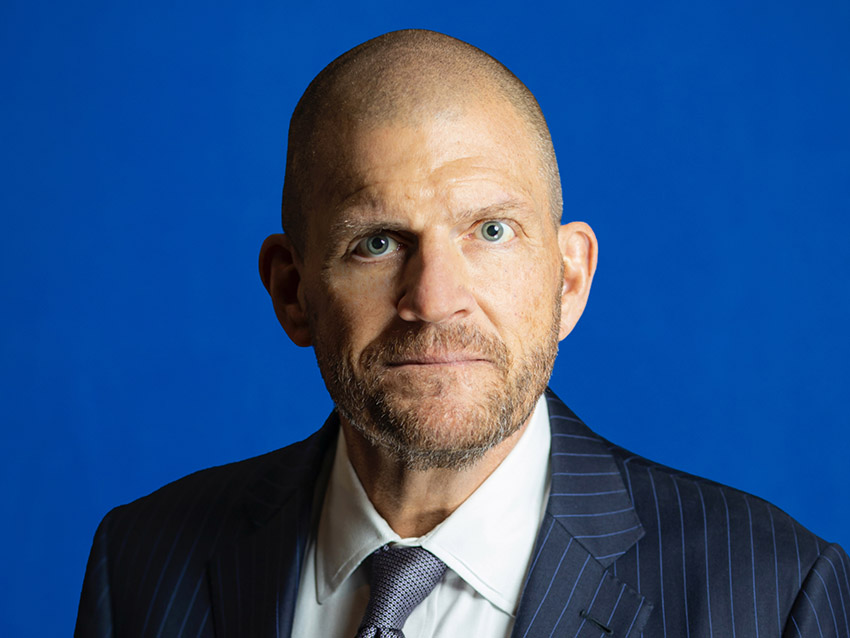
At the forefront of the Oklahoma City Thunder ownership is Clay Bennett. As the chairman and CEO of the Professional Basketball Club LLC, the entity that owns the team, Bennett is the principal decision-maker and the public face of the ownership group. His leadership has been instrumental in shaping the Thunder’s identity and fostering its growth within the league. Bennett’s involvement in professional sports ownership is extensive, predating his acquisition of the Seattle SuperSonics. He was previously a minority owner of the Boston Celtics and played a significant role in the relocation efforts of other sports franchises.
Bennett’s business acumen extends far beyond the realm of basketball. He is the chairman and CEO of Cerner Corporation, a global leader in healthcare technology, and has had a diverse portfolio of business interests. This strong foundation in business has undoubtedly informed his strategic approach to managing a professional sports franchise. His vision for the Oklahoma City Thunder has been characterized by a commitment to building a sustainable and successful organization, both on and off the court.
Under Bennett’s ownership, the Thunder has consistently strived for excellence. The team has made multiple playoff appearances, including a trip to the NBA Finals in 2012, showcasing a period of remarkable on-court success. This success can be attributed to shrewd management, effective player development, and a consistent dedication to maintaining a competitive roster. Bennett’s influence can be seen in the team’s operational stability, its engagement with the Oklahoma City community, and its ongoing pursuit of championship aspirations. His role as principal owner is not merely financial; it involves a deep understanding of the sport, a passion for the team, and a commitment to the fans who support it. His leadership has been a driving force behind the Thunder’s journey from its controversial relocation to becoming a cherished institution in Oklahoma City.
The Power of a Collective: The Professional Basketball Club LLC
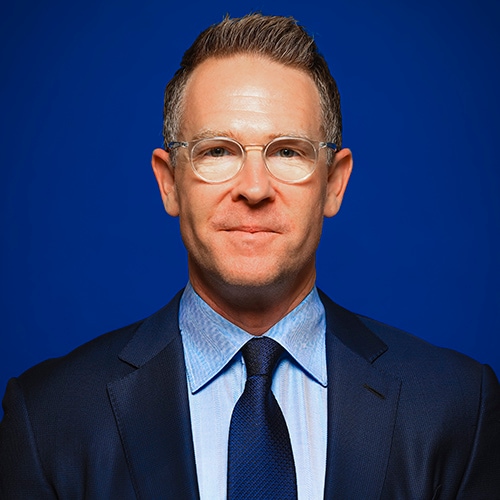
While Clay Bennett is the principal owner, it is crucial to understand that the Oklahoma City Thunder is owned by the Professional Basketball Club LLC. This limited liability company represents a collective of investors who share in the ownership and financial commitment to the team. This structure is common in professional sports, allowing for the pooling of capital and expertise to acquire and operate a franchise. Each member of the LLC contributes to the overall investment, and their involvement can vary in terms of their stake and active participation in the team’s management.
The formation of the Professional Basketball Club LLC was the mechanism through which the purchase of the Seattle SuperSonics and the subsequent relocation to Oklahoma City was realized. Clay Bennett, through his extensive business network and financial capacity, spearheaded the formation of this group. The LLC structure provides a framework for shared decision-making, although ultimate authority typically rests with the principal owner or a designated management committee. The collective ownership model allows for a broader base of financial support and a diversification of strategic perspectives, which can be beneficial in the complex world of professional sports.
The existence of the Professional Basketball Club LLC underscores the significant financial undertaking involved in owning an NBA team. These franchises represent substantial assets, requiring considerable capital for acquisition, player salaries, stadium operations, and marketing. The investors within the LLC are not just financiers; they are stakeholders in the team’s success and its contribution to the Oklahoma City community. Their investment signifies a belief in the long-term viability of the Thunder and its potential to generate returns, both financially and through intangible benefits like civic pride and economic impact. Understanding the Professional Basketball Club LLC provides a more complete picture of the ownership landscape, revealing that the Thunder’s success is a shared endeavor built upon a foundation of collective investment and strategic vision.
Impact on the City and the Fan Experience
The ownership of the Oklahoma City Thunder by Clay Bennett and the Professional Basketball Club LLC has had a profound and multifaceted impact on Oklahoma City. Beyond the thrilling on-court action and the pursuit of NBA championships, the team has become a significant cultural and economic force within the state. The arrival of the Thunder revitalized the city’s sporting identity, providing a major professional sports franchise that residents could rally behind. This has fostered a strong sense of community pride and has contributed to the city’s growing reputation as a vibrant and dynamic urban center.
Economic Contributions and Community Engagement
The economic contributions of the Oklahoma City Thunder extend far beyond ticket sales and merchandise. The team generates revenue through broadcasting rights, sponsorships, and concessions, creating jobs and stimulating economic activity within the city. The presence of an NBA team also attracts tourists, who come to Oklahoma City to experience the excitement of a live game, stay in local hotels, and explore the city’s attractions. This influx of visitors benefits a wide range of businesses, from restaurants and retail establishments to the hospitality sector.
Furthermore, the Thunder organization is actively involved in community initiatives. Through various outreach programs and charitable endeavors, the team strives to make a positive difference in the lives of Oklahoma City residents. This commitment to corporate social responsibility strengthens the bond between the team and its fanbase, demonstrating that the Thunder is more than just a sports franchise; it is an integral part of the community fabric. This engagement is often led by the ownership group, which prioritizes making the team a force for good within its adopted home. The team’s commitment to local charities and youth programs, for instance, reinforces its dedication to the well-being of Oklahoma City.
Cultivating a Passionate Fanbase
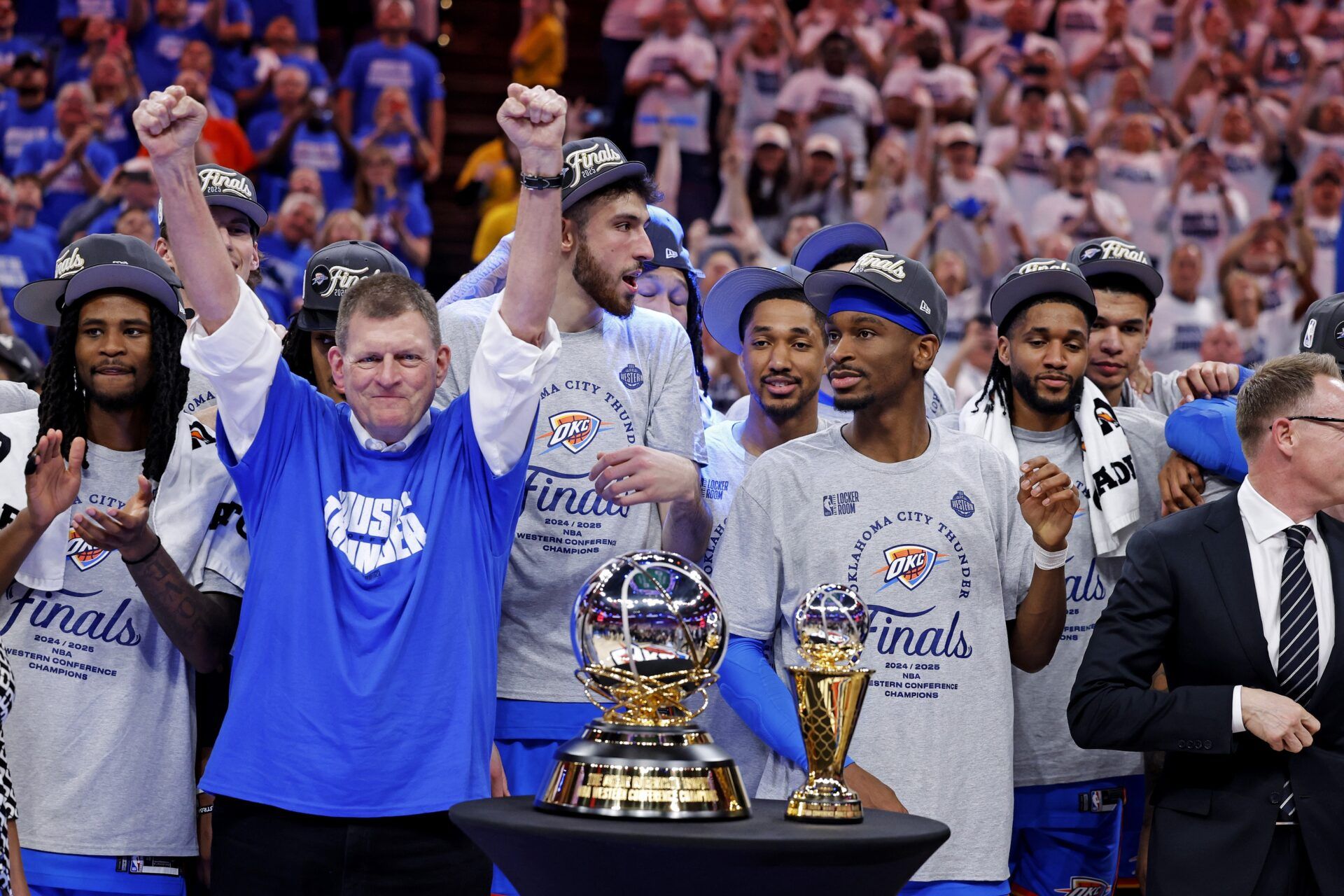
The success of the Oklahoma City Thunder in cultivating a passionate fanbase is undeniable. From the moment the team arrived, residents embraced the Thunder with an enthusiasm that has been a hallmark of its tenure. The Paycom Center, the team’s home arena, is often filled with roaring crowds, creating an electrifying atmosphere for every game. This dedicated fanbase is a crucial asset to the team, providing invaluable support and contributing to its home-court advantage.
The ownership group, under Clay Bennett’s leadership, has understood the importance of connecting with the fans. This includes efforts to make attending games accessible and enjoyable, as well as engaging with the community through various events and initiatives. The team’s consistent pursuit of competitive excellence has also played a significant role in maintaining fan loyalty. When a team is consistently in contention, it generates excitement and keeps fans invested in the long-term success of the franchise. The Oklahoma City Thunder has successfully built a strong identity and a loyal following, making it a beloved institution in the city and a testament to the positive impact that professional sports ownership can have on a community. The team’s presence has undoubtedly enhanced the lifestyle offerings in Oklahoma City, making it an even more attractive destination for sports enthusiasts and families alike.
LifeOutOfTheBox is a participant in the Amazon Services LLC Associates Program, an affiliate advertising program designed to provide a means for sites to earn advertising fees by advertising and linking to Amazon.com. Amazon, the Amazon logo, AmazonSupply, and the AmazonSupply logo are trademarks of Amazon.com, Inc. or its affiliates. As an Amazon Associate we earn affiliate commissions from qualifying purchases.