
The San Francisco 49ers stand as one of the most storied franchises in National Football League history, deeply woven into the cultural fabric of San Francisco and the entire Bay Area. For fans and visitors alike, the allure of this iconic team extends beyond the gridiron, often sparking curiosity about the minds and families behind its enduring legacy. Understanding who owns the 49ers is to delve into a rich tapestry of sports, business, and family heritage that has profoundly shaped not only the team’s trajectory but also its significant impact on local tourism and the lifestyle of Northern California.
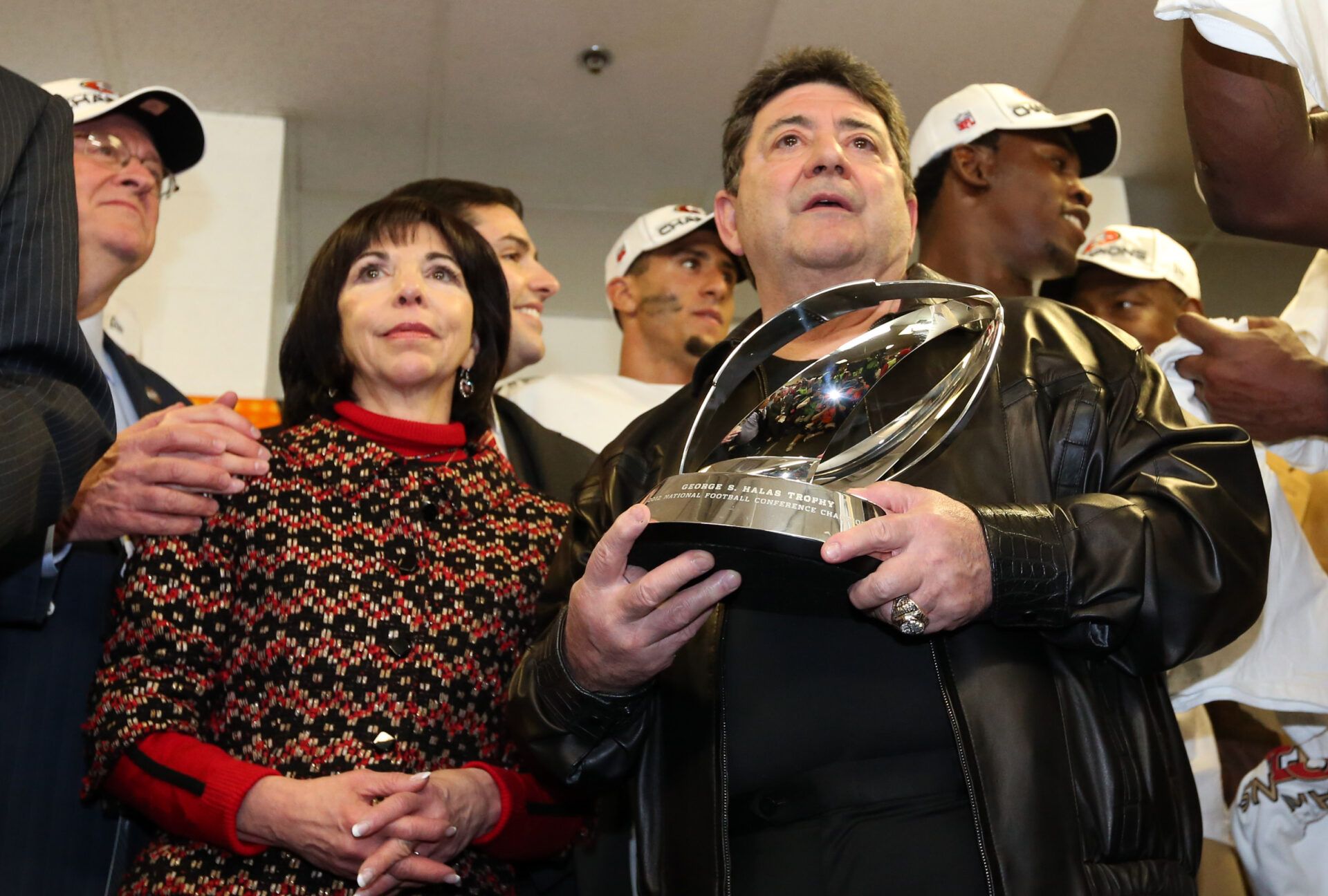
At the heart of the franchise’s current stewardship is the York family, with Jed York serving as the principal owner and CEO. His parents, Denise DeBartolo York and John York, transferred operational control to him in 2008, solidifying the family’s multi-generational commitment to the team. This ownership structure places the 49ers firmly within a lineage that traces back to the legendary DeBartolo dynasty, a name synonymous with both immense business success and a golden era for the franchise. The journey of the 49ers through different hands reflects broader trends in professional sports ownership, where teams often represent more than just a business venture; they become civic institutions, drawing visitors, creating landmarks, and influencing the economic pulse of their home cities.
The York Family: Stewards of a Legacy
The current ownership of the San Francisco 49ers rests with the York family, a lineage deeply embedded in the team’s history through the DeBartolo bloodline. Jed York, as CEO, represents the public face and strategic leader of the franchise, inheriting a legacy built on both sporting prowess and significant entrepreneurial acumen. His ascension to this pivotal role in 2008 marked a generational transition, demonstrating the enduring commitment of his parents, Denise DeBartolo York and John York, to maintaining the team as a cornerstone of the Bay Area.
For those interested in the intricacies of family business and high-stakes ventures, the York family’s story offers a fascinating glimpse into the dedication required to run a major professional sports team. It’s a testament to a specific “Lifestyle” of involvement, where personal legacy and public responsibility intertwine. Jed York’s leadership has been instrumental in navigating the franchise through significant changes, including the monumental task of constructing a new state-of-the-art stadium, a project that profoundly impacted the regional landscape and its capacity for hosting large-scale events and tourism.
The DeBartolo Connection: A Dynasty’s Roots
To fully appreciate the York family’s ownership, one must trace the roots back to Edward J. DeBartolo Sr., Denise DeBartolo York’s father. A titan of American industry, Edward J. DeBartolo Sr. amassed a vast fortune primarily through his real estate empire, building shopping malls and commercial properties across the United States. His company, the DeBartolo Corporation, became a household name in development, with projects that often became local landmarks and economic hubs.
In 1977, Edward J. DeBartolo Sr. purchased the San Francisco 49ers, subsequently transferring ownership to his son, Edward J. DeBartolo Jr., in 1978. It was under Edward J. DeBartolo Jr.’s stewardship that the 49ers soared to unprecedented heights, becoming a dynasty that captured five Super Bowl championships in 14 years. His tenure is revered by fans and sports historians alike, epitomizing a “Luxury Travel” approach to team management, where no expense was spared in pursuit of excellence, fostering a winning culture that attracted top talent and created an unrivaled fan experience. His eventual induction into the Pro Football Hall of Fame underscores his profound impact.
However, legal challenges led to Edward J. DeBartolo Jr.’s stepping away from the team in 1999, prompting the transfer of full ownership to his sister, Denise DeBartolo York, and her husband, John York. This critical juncture ensured the franchise remained within the family, preserving the legacy and continuity that is often highly valued in sports ownership. The transition from the DeBartolo era to the York family’s direct control demonstrates a fascinating evolution, blending a storied past with a forward-looking vision, especially in areas like venue development and enhancing the fan’s comprehensive game-day “Experience.”
Levi’s Stadium: A Modern Landmark and Economic Hub

A pivotal moment in the York family’s stewardship of the San Francisco 49ers was the audacious move from their long-time home at Candlestick Park in San Francisco to the gleaming, state-of-the-art Levi’s Stadium in Santa Clara in 2014. This transition was far more than just a change of address; it represented a strategic investment in the future of the franchise, a bold architectural statement, and a significant new “Landmark” for the Bay Area, with profound implications for travel, tourism, and local economic development.
Levi’s Stadium is not merely a football venue; it is a modern marvel designed with the fan “Experience” at its core. Its advanced technology, luxurious suites, diverse food and beverage options reflecting the vibrant culinary scene of California, and commitment to sustainability make it a prime destination for sports enthusiasts. The stadium’s construction and ongoing operation have transformed Santa Clara from a quiet Silicon Valley city into a bustling hub on game days and for other major events, including concerts and international soccer matches. This strategic placement in the heart of the tech industry also appeals to “Business Stays” and corporate events, leveraging the allure of a premier venue.
The economic impact of Levi’s Stadium on the region is substantial. It generates significant revenue for local businesses, particularly in the hospitality sector. Hotels in Santa Clara, San Jose, and even across the Bay Area see a surge in bookings on event weekends. Restaurants, bars, and retail establishments thrive from the influx of visitors. For fans traveling to games, the surrounding area offers numerous options for pre-game and post-game festivities. Upscale shopping and dining can be found at nearby Santana Row, while family-friendly entertainment is available at California’s Great America, offering a diverse range of activities that enhance the overall visitor journey. This stadium isn’t just a place to watch football; it’s an engine for regional commerce and a focal point for integrated visitor “Guides” and local “Activities.”
The 49ers’ Impact on Travel and Tourism in the Bay Area
The presence of the San Francisco 49ers and their magnificent home, Levi’s Stadium, significantly amplifies the Bay Area’s appeal as a premier travel and tourism hub. For countless fans across the United States and beyond, attending a 49ers game is not merely a local outing but a planned pilgrimage, often serving as the centerpiece of a broader California adventure.
Fan Travel and Game Day Experiences
Game weekends transform the Bay Area into a vibrant tapestry of fan activity. Enthusiasts travel from diverse corners of the globe, seeking the electric atmosphere of a live NFL game. This influx creates a substantial demand for accommodation options, ranging from luxury hotels and resorts in San Francisco and San Jose to more budget-friendly apartments and villas available for long-term stays or vacation rentals. Many fans, particularly those on a “Family Trips” or “Budget Travel” plans, leverage various “Booking” platforms to compare rates and reviews, often seeking establishments with specific “Amenities” like pools or proximity to public transport.
The game day itself is an “Experience” extending well beyond the 60 minutes of play. Tailgating, a quintessential American tradition, sees thousands gather outside Levi’s Stadium, transforming parking lots into lively communal feasts. Stadium tours, visits to the official team store for merchandise, and engaging with fellow fans all contribute to a comprehensive tourist package. Local food trucks and vendors at the stadium introduce visitors to the diverse culinary “Local Culture” of the region, from classic American comfort food to innovative Californian cuisine. These “Activities” and “Tips” for navigating game day are often sought after by visitors, highlighting the need for comprehensive “Guides.”
Beyond Football: Exploring the Golden State
What makes a 49ers game particularly appealing to travelers is the opportunity to combine their passion for football with an exploration of the myriad attractions that California offers. Visitors often extend their stays, turning a game weekend into a full-fledged vacation. San Francisco itself is a treasure trove of iconic “Landmarks” and experiences. A first-time visitor might explore the majestic Golden Gate Bridge, take a ferry to the historic Alcatraz Island, or savor fresh seafood at Fisherman’s Wharf. Each of these destinations offers a unique glimpse into the city’s rich “History” and vibrant character.
For those seeking a more luxurious “Lifestyle” experience, a short drive north leads to the world-renowned Napa Valley, offering exquisite wine tourism, gourmet dining, and picturesque vineyard stays in boutique hotels and resorts. Conversely, nature enthusiasts can venture inland to the breathtaking Yosemite National Park, a natural landmark offering unparalleled hiking, photography opportunities, and a chance to immerse oneself in California’s stunning wilderness. Whether it’s the urban allure of San Francisco’s “Architecture,” the agricultural beauty of Napa, or the rugged majesty of Yosemite, the Bay Area’s proximity to diverse “Destinations” makes it an ideal launchpad for multifaceted travel itineraries. This synergy between sports, culture, and nature showcases how a professional team can become an integral part of a region’s broader appeal, encouraging both domestic and international visitors to discover the golden state.
In conclusion, the ownership of the San Francisco 49ers by the York family is more than just a corporate title; it’s a custodianship of a beloved sports institution with deep historical roots in the DeBartolo legacy. This ownership has not only shaped the team’s destiny on the field but has also driven significant developments like Levi’s Stadium, which has become a key driver for tourism and economic activity in the Bay Area. For any discerning traveler or sports enthusiast, understanding the forces behind such a prominent franchise adds another layer of appreciation to the vibrant lifestyle and diverse attractions that San Francisco and its surrounding regions proudly offer. The 49ers truly represent a blend of sporting passion and a gateway to exploring the wonders of California.
LifeOutOfTheBox is a participant in the Amazon Services LLC Associates Program, an affiliate advertising program designed to provide a means for sites to earn advertising fees by advertising and linking to Amazon.com. Amazon, the Amazon logo, AmazonSupply, and the AmazonSupply logo are trademarks of Amazon.com, Inc. or its affiliates. As an Amazon Associate we earn affiliate commissions from qualifying purchases.