
The allure of professional basketball extends far beyond the slam dunks, buzzer-beaters, and the roar of the crowd. For fans of the Oklahoma City Thunder, the question of who sits at the helm, steering the franchise, is as compelling as the team’s performance on the court. While the players and coaches are the visible faces of the organization, the ownership group plays a crucial role in its success, shaping its direction, and influencing its impact both locally and globally. Understanding this ownership structure offers a unique lens through which to view the team and its place within the vibrant landscape of Oklahoma City.
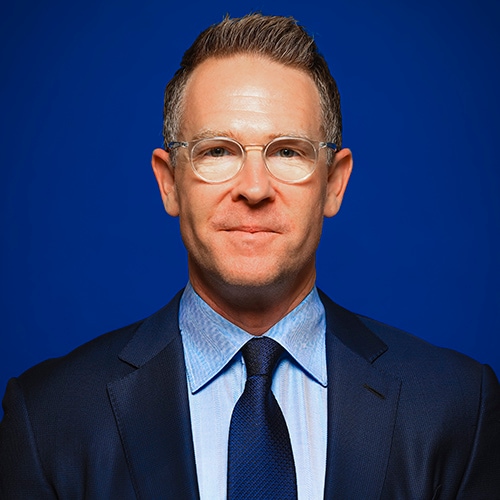
The journey of the Oklahoma City Thunder is intrinsically linked to its ownership. The franchise’s story began when it relocated from Seattle to Oklahoma City in 2008, a move that revitalized professional sports in the state and created a new hub for basketball enthusiasts. This transition wasn’t just a change of scenery; it marked the beginning of a new era under a distinct ownership. The identity of the principal owner and the various stakeholders involved provides a fascinating insight into the business and philanthropic endeavors that support one of the NBA‘s most dynamic franchises.
Beyond the direct financial investment in the team, owners often become integral figures in the community. Their decisions can influence local economic development, inspire charitable initiatives, and foster a sense of pride and belonging. For a city like Oklahoma City, which has embraced the Thunder with open arms, the ownership’s commitment to the region is a critical component of the team’s sustained popularity. This article delves into the ownership of the Oklahoma City Thunder, exploring the key figures, their backgrounds, and the broader implications of their stewardship on the team and the community it represents.
The Visionaries Behind the Thunder: Key Ownership Figures
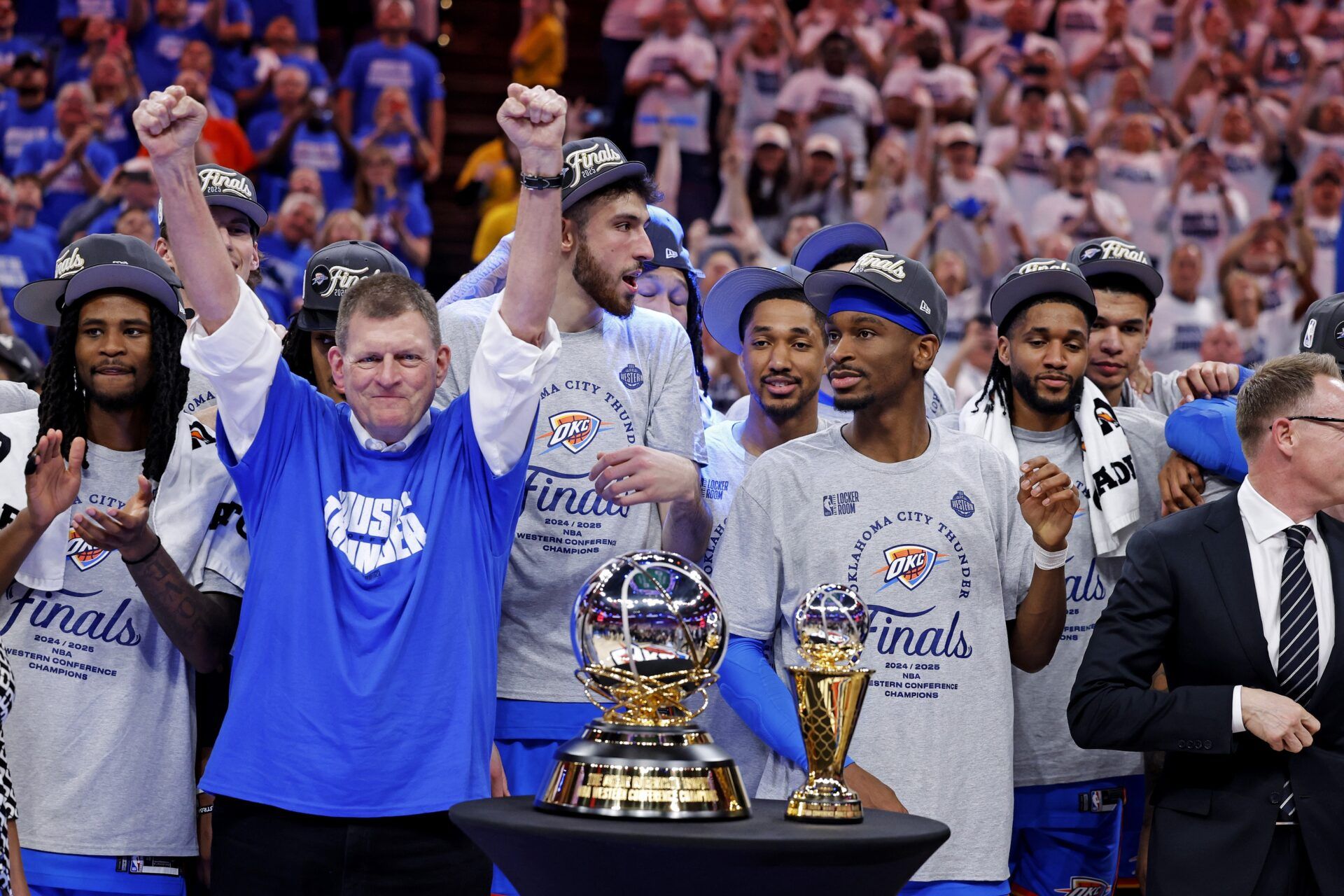
The ownership of the Oklahoma City Thunder is not monolithic but rather a collective endeavor, spearheaded by a prominent individual and supported by a group of dedicated partners. At the forefront of this ownership group is Clayton Bennett, a name synonymous with the franchise’s relocation and subsequent growth. Bennett, a prominent businessman and philanthropist, has been instrumental in shaping the team’s identity and its commitment to Oklahoma City. His leadership has guided the Thunder through significant milestones, from the development of their home arena, the Paycom Center, to the nurturing of young talent on the court.
Bennett’s involvement in professional sports extends beyond basketball. He has been a key figure in various sports ventures, demonstrating a broad understanding of the industry and its potential for community impact. His business acumen, honed through years of experience in real estate and investments, has provided a solid foundation for the Oklahoma City Thunder’s financial stability and long-term strategic planning. His vision for the team emphasizes not only on-court success but also a deep engagement with the Oklahoma City community, fostering a loyal fanbase and contributing to the city’s cultural and economic vibrancy.
Alongside Clayton Bennett, a group of partners collectively holds ownership stakes, contributing to the financial backing and strategic direction of the franchise. These partners, often influential figures in their own right, share Bennett’s commitment to the Oklahoma City Thunder and its role within the NBA. Their diverse backgrounds and expertise often bring valuable perspectives to the table, further strengthening the franchise’s operational capabilities. While Clayton Bennett serves as the principal figure, the collaborative nature of the ownership ensures a robust and well-rounded approach to managing a high-profile professional sports team. This collective vision is what allows the Oklahoma City Thunder to compete at the highest level while also being a source of pride for its home city.
The Role of Professional Sports Ownership in Community Development
The ownership of a professional sports team like the Oklahoma City Thunder extends far beyond the financial investment in athletes and infrastructure. It often involves a profound commitment to the city that hosts the team, with owners playing a pivotal role in community development. The impact of such ownership can be multifaceted, influencing economic growth, social well-being, and local pride.
Economic Impact and Infrastructure Investment
The presence of a professional sports franchise can be a significant economic driver for a city. The Oklahoma City Thunder, and its ownership group, are directly involved in generating revenue through ticket sales, merchandise, sponsorships, and concessions. This economic activity supports numerous jobs, from game-day staff to administrative personnel. Furthermore, the team’s presence often spurs investment in surrounding areas. The Paycom Center, for instance, is not just a venue for basketball games but a focal point for entertainment and economic activity in downtown Oklahoma City.
Ownership groups are often at the forefront of advocating for and investing in public-private partnerships that enhance urban infrastructure. This can include improvements to transportation networks, the development of new hotels and entertainment venues, and the revitalization of urban districts. For Oklahoma City, the Oklahoma City Thunder’s establishment was a catalyst for significant downtown development, attracting new businesses and residents to the area. This symbiotic relationship between the team and the city demonstrates how professional sports ownership can be a powerful engine for economic progress and urban renewal. The commitment to investing in the local economy solidifies the team’s connection with its fanbase and the broader community.
Philanthropy and Social Responsibility Initiatives
Beyond the economic sphere, the owners of the Oklahoma City Thunder have demonstrated a strong commitment to social responsibility and philanthropic endeavors within Oklahoma City. Through various foundations and initiatives, the team and its ownership contribute to a wide range of causes that aim to improve the lives of residents, particularly focusing on youth development, education, and community health.
The Thunder Cares Foundation is a prime example of this commitment. This foundation actively supports local non-profit organizations that are making a tangible difference in the community. Projects funded by the foundation often revolve around providing resources and opportunities for underprivileged children and families, ensuring access to education, healthcare, and recreational activities. The ownership’s active participation in these initiatives fosters a sense of goodwill and reinforces the team’s role as a positive force in society. By investing in the well-being of its citizens, the Oklahoma City Thunder ownership group builds a deeper, more meaningful connection with the city, going beyond the nine innings of a baseball game or the four quarters of a basketball match.
Furthermore, players and coaches often participate in community outreach programs, further amplifying the team’s positive influence. These efforts range from hospital visits to mentoring programs, inspiring young people and promoting healthy lifestyles. The ownership group’s dedication to these social causes underscores their understanding that a successful sports franchise is one that actively contributes to the betterment of its community. This commitment to philanthropy not only strengthens the team’s image but also creates a lasting legacy of positive impact that extends far beyond the arena.
The Future of Thunder Ownership and Its Impact on Fan Experience
As the Oklahoma City Thunder continues to evolve, so too does the landscape of its ownership. While Clayton Bennett and his partners have provided stable leadership, the dynamics of sports ownership are always subject to change. Discussions about potential future ownership shifts, minority stake acquisitions, or evolving management structures are inherent to the professional sports world. However, the current ownership’s legacy is firmly established through their dedication to the team and their deep roots in Oklahoma City.
The impact of ownership decisions on the fan experience is profound. From the quality of the in-game entertainment at the Paycom Center to the accessibility of ticket prices and the team’s competitive performance, every aspect is influenced by the ownership’s vision and investment. A forward-thinking ownership group that prioritizes fan engagement and on-court success is crucial for maintaining a passionate and loyal fanbase. As the team navigates the complexities of the NBA, the continuity of strong leadership and a commitment to excellence will be key to its future triumphs.
Moreover, the ownership’s long-term strategic planning is vital for the sustained success of the Oklahoma City Thunder. This includes prudent financial management, shrewd player acquisitions, and a commitment to developing a winning culture. The ongoing investment in state-of-the-art training facilities and player development programs ensures that the Thunder remains a competitive force in the league for years to come. The fan experience, ultimately, is a direct reflection of the ownership’s dedication to building and maintaining a championship-caliber organization that resonates with the heart of Oklahoma City and beyond.
LifeOutOfTheBox is a participant in the Amazon Services LLC Associates Program, an affiliate advertising program designed to provide a means for sites to earn advertising fees by advertising and linking to Amazon.com. Amazon, the Amazon logo, AmazonSupply, and the AmazonSupply logo are trademarks of Amazon.com, Inc. or its affiliates. As an Amazon Associate we earn affiliate commissions from qualifying purchases.