
The role of the Secretary of State in Texas is a multifaceted and crucial one, extending far beyond the conventional understanding of a political appointee. While the title itself might evoke images of international diplomacy, the Texas Secretary of State primarily serves as the state’s chief election official, chief business registrar, and chief protocol officer. This position, appointed by the Governor and confirmed by the Senate, plays a pivotal role in the smooth functioning of Texas’s government, impacting everything from the integrity of its electoral processes to the establishment and operation of businesses within its borders. Understanding this office is key to appreciating the intricate machinery of governance in the Lone Star State.
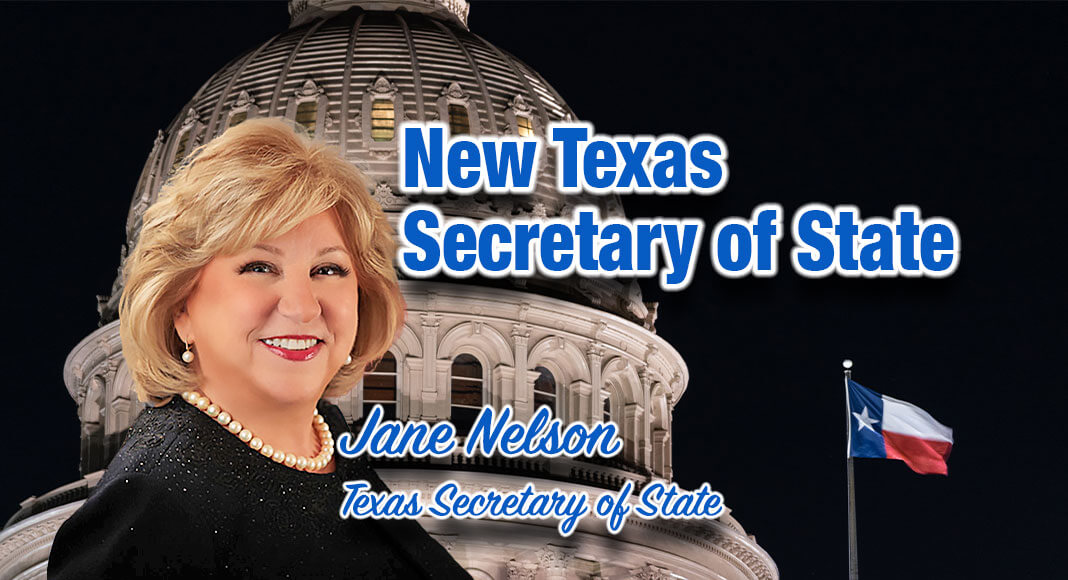
The Secretary of State: A Multifaceted Public Servant
The Secretary of State is more than just an individual; it is an office that embodies several critical functions essential to the daily operations of Texas. Its responsibilities are broad, touching upon electoral integrity, business development, and the formal ceremonies that represent the state. The individual holding the office is entrusted with the stewardship of vital records and the execution of duties that directly influence the lives of Texans and the perception of Texas on both national and international stages.
Chief Election Officer
Perhaps the most prominent and publicly visible role of the Secretary of State is that of chief election officer. This responsibility entails overseeing all aspects of the election process across the state. From ensuring that elections are conducted fairly and impartially to providing guidance and oversight to local election officials, the Secretary of State is the ultimate authority on electoral matters in Texas.
Administering Elections
The office is responsible for developing and disseminating election laws, rules, and procedures. This includes providing training and assistance to county election officials, ensuring they have the resources and knowledge necessary to conduct elections effectively. The Secretary of State’s office also plays a crucial role in certifying election results, a process that requires meticulous attention to detail and adherence to strict legal frameworks. This certification confirms the accuracy and legitimacy of the votes cast, underpinning public confidence in the democratic process.
Voter Registration and Education
A fundamental aspect of fair elections is ensuring that eligible citizens are aware of their right to vote and how to register. The Secretary of State’s office is tasked with promoting voter registration and providing accurate information about voting procedures, polling locations, and candidate information. They work to make the voting process as accessible as possible for all eligible Texans, fostering a more engaged and participatory electorate. This includes managing the state’s voter registration database and implementing measures to maintain its accuracy and security.
Election Security and Integrity
In an era of increasing concerns about election security, the Secretary of State’s office is at the forefront of implementing and maintaining robust safeguards. This involves overseeing the security of voting equipment, protecting voter data from cyber threats, and ensuring compliance with federal and state election security mandates. The office works to build and maintain public trust by demonstrating a commitment to the integrity and accuracy of every election held in Texas. This includes investigating any irregularities or allegations of fraud and taking appropriate action to uphold the law.
Chief Business Registrar
Beyond electoral duties, the Secretary of State serves as the chief business registrar for Texas. This function is critical for fostering economic growth and ensuring a transparent business environment. The office manages the official record of all business entities operating within the state, a process that is vital for legal and commercial transactions.
Formation and Registration of Businesses
Any entity wishing to conduct business in Texas, from sole proprietorships to large corporations, must register with the Secretary of State’s office. This process involves filing specific legal documents that establish the business’s legal structure and provide essential information to the state. The Secretary of State’s office reviews these filings to ensure compliance with state laws and maintains a public record of these entities, making vital information accessible to the public, creditors, and other businesses.
Maintaining Business Records
The office is the custodian of all official business records filed in Texas. This includes articles of incorporation, certificates of formation, amendments, and dissolutions. These records are essential for legal clarity, financial transactions, and regulatory oversight. Businesses rely on the Secretary of State’s office to ensure their records are properly maintained and accessible, facilitating their operations and compliance with legal requirements. The accurate maintenance of these records also supports a robust legal framework for business disputes and corporate governance.
Business Compliance and Filings
The Secretary of State’s office also ensures that businesses remain in good standing by overseeing annual filings and other compliance requirements. Failure to meet these obligations can result in administrative dissolution or other penalties. By providing clear guidelines and accessible filing systems, the office helps businesses navigate the complexities of state regulations and maintain their operational legitimacy. This proactive approach to business oversight contributes to a stable and predictable business climate in Texas.
Chief Protocol Officer

The Secretary of State also acts as the chief protocol officer for the State of Texas. This role involves managing official state ceremonies, representing the Governor at important events, and facilitating international relations on behalf of the state. This aspect of the office highlights its ceremonial and diplomatic functions, contributing to Texas’s image and engagement with the wider world.
State Ceremonies and Events
The Secretary of State presides over various official state ceremonies, such as inaugurations, bill signings, and the reception of dignitaries. They ensure that these events are conducted with appropriate decorum and protocol, reflecting the dignity and prestige of the State of Texas. This involves coordinating with other state agencies, planning logistics, and ensuring that all participants adhere to established procedures.
International Relations and Trade
While Texas may not have a dedicated foreign ministry, the Secretary of State often serves as a key liaison for international matters. This can include facilitating trade missions, hosting foreign delegations, and representing Texas’s interests on the global stage. The office plays a role in promoting Texas as a favorable destination for international investment and tourism, contributing to the state’s economic prosperity. This engagement can involve working with organizations like the Texas Economic Development Corporation and various international chambers of commerce.
Official Seals and Documents
The Secretary of State is the custodian of the Great Seal of Texas and is responsible for affixing it to official documents, thereby authenticating them and giving them legal force. This symbolic act underscores the authority of the state and the legitimacy of its official pronouncements. The office also authenticates documents for international use through the apostille process, facilitating global commerce and legal recognition.
The Historical Significance and Evolution of the Office
The office of the Secretary of State in Texas has a long and distinguished history, dating back to the days of the Republic of Texas. Its functions have evolved over time, adapting to the changing needs of the state and its growing population. Understanding this historical trajectory provides valuable context for the office’s current responsibilities and its enduring importance.
Roots in the Republic Era
The office was established during the early days of the Republic of Texas, playing a critical role in the nascent government. Initially, its duties were broad, encompassing administrative tasks, record-keeping, and correspondence. As Texas transitioned from a republic to a state within the United States, the responsibilities of the Secretary of State were codified and refined within the state constitution and subsequent legislation. The early Secretaries of State were instrumental in establishing the foundational administrative structures that would support Texas’s growth.
Modernization and Expansion of Duties
Over the decades, the office has undergone significant modernization, adapting to technological advancements and increasing demands. The advent of sophisticated election management systems, digital business registration portals, and enhanced communication tools has transformed how the Secretary of State operates. The expansion of Texas’s economy and its growing population have naturally led to an increase in the volume and complexity of the duties associated with this office. From managing the vast intricacies of large-scale elections to processing millions of business filings, the modern Secretary of State operates in a dynamic and demanding environment.
The Impact on Tourism and Business in Texas
While the Secretary of State’s role is primarily administrative and governmental, its functions have a significant, albeit often indirect, impact on the tourism and business landscapes of Texas. A well-run, transparent, and secure electoral system fosters political stability, which is attractive to both residents and businesses. Similarly, an efficient and clear business registration process encourages investment and entrepreneurship.
Promoting Stability and Trust
The Secretary of State’s role as chief election officer is foundational to the stability and trust that underpin any successful economy and appealing travel destination. When elections are perceived as fair, secure, and accurate, it enhances the overall confidence in the state’s governance. This confidence is crucial for attracting long-term business investment, as well as for reassuring tourists that they are visiting a stable and well-managed region. The integrity of the electoral process reflects directly on the state’s reliability and predictability.
Facilitating Business Growth and Innovation
The efficiency and clarity of the business registration process managed by the Secretary of State are vital for fostering economic development. A streamlined process for forming and maintaining businesses makes Texas an attractive place to start and grow enterprises. This can lead to job creation, innovation, and a more vibrant economy, which in turn can boost local tourism through increased disposable income and a greater variety of attractions and services. Businesses themselves, from small boutiques to major corporations, often rely on the accurate records maintained by the Secretary of State for their own operational needs and legal standing.

Texas as a Business and Travel Hub
The cumulative effect of the Secretary of State’s responsibilities contributes to Texas’s reputation as a significant player on the national and international stage, both as a business hub and a compelling travel destination. The state’s robust legal framework, its commitment to fair elections, and its welcoming environment for commerce all play a part in this perception. Whether one is interested in exploring the historical sites of San Antonio, experiencing the vibrant culture of Austin, or conducting business in the sprawling metropolis of Houston, the underlying administrative structures, including the office of the Secretary of State, work diligently to ensure a smooth and reliable environment. The office’s commitment to transparency and efficiency indirectly supports the state’s broader goals of economic prosperity and a positive public image, making Texas an attractive place for both visitors and investors alike.
LifeOutOfTheBox is a participant in the Amazon Services LLC Associates Program, an affiliate advertising program designed to provide a means for sites to earn advertising fees by advertising and linking to Amazon.com. Amazon, the Amazon logo, AmazonSupply, and the AmazonSupply logo are trademarks of Amazon.com, Inc. or its affiliates. As an Amazon Associate we earn affiliate commissions from qualifying purchases.