
In the grand tapestry of the United States, the role of a State Representative is a cornerstone of democratic governance, ensuring that the voices and needs of constituents are heard and acted upon at the legislative level. Within the vast and vibrant expanse of Texas, a state renowned for its rich history, diverse culture, and booming economy, the office of a Texas State Representative carries significant weight. These elected officials are the frontline advocates for their districts, tasked with drafting, debating, and voting on legislation that shapes the lives of millions of Texans. While the title itself signifies a crucial public service, understanding who holds this position, what their responsibilities entail, and how they represent their constituents often requires a deeper dive into the intricacies of Texas politics and the specific districts they serve.
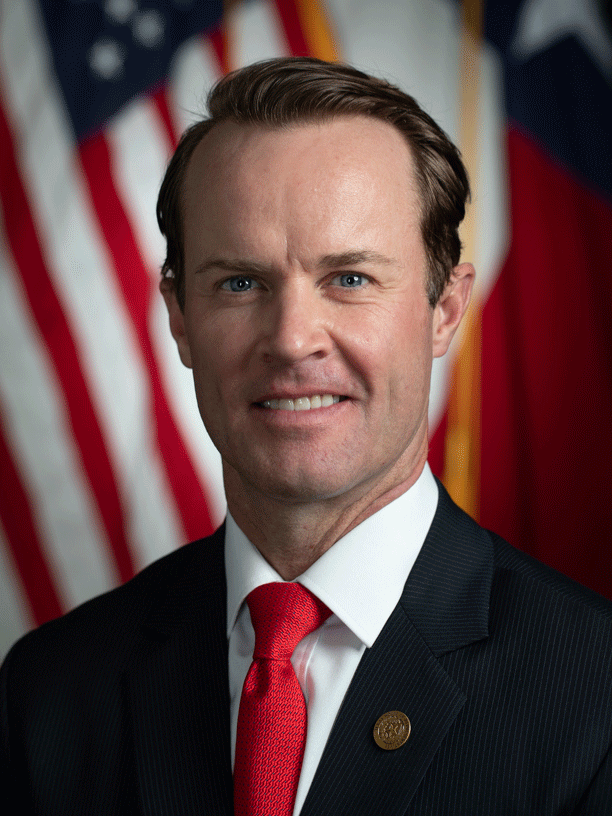
The Texas Legislature is a bicameral body composed of the Texas Senate and the Texas House of Representatives. A Texas State Representative serves in the latter, the House of Representatives, which has 150 members. Each representative is elected from a specific geographic district within the state, meaning their primary allegiance and focus are on the people residing within those boundaries. This localized representation is vital for ensuring that the unique challenges and opportunities of different regions within Texas – from the sprawling metropolises of Houston and Dallas-Fort Worth to the rural communities of West Texas or the coastal cities near the Gulf of Mexico – are adequately addressed in the state capitol.
The process of becoming a Texas State Representative is a journey rooted in public service and political engagement. Candidates typically campaign on platforms that highlight their vision for the district and the state, addressing key issues such as education, healthcare, economic development, and infrastructure. Once elected, representatives are sworn into office and begin their legislative duties, which are far-reaching and impactful. They are expected to be knowledgeable about the issues facing their constituents, to engage in committee work that delves deeply into specific policy areas, and to represent their district’s interests during floor debates and votes.
Understanding the District and the Representative
To truly understand “Who Is The Texas State Representative?”, one must first consider the district they represent. Texas is a state of immense geographical and demographic diversity, and each legislative district reflects this. A representative from a bustling urban district like one in Travis County might focus on issues related to public transportation, affordable housing, and urban planning. Conversely, a representative from a more rural district might prioritize agricultural policy, water rights, and the needs of small businesses. The demographics of a district – its age, income levels, ethnic makeup, and dominant industries – heavily influence the concerns and priorities of its elected official.
The information about who holds these positions is readily available through official channels. The Texas Legislature Online website, for instance, provides a comprehensive directory of all members of the House of Representatives, including their district numbers, contact information, biographies, and voting records. This transparency allows citizens to easily identify their representative and to understand their background, experience, and stated policy positions. Many representatives also maintain their own official websites and social media presences, offering further insights into their work and how they are serving their constituents.
Furthermore, the role of a Texas State Representative extends beyond simply voting on legislation. They are often the first point of contact for constituents seeking assistance with state agencies, navigating bureaucratic processes, or understanding state laws. This casework is an essential, albeit less visible, aspect of their job. A representative’s office staff plays a crucial role in facilitating this constituent service, ensuring that inquiries are addressed promptly and effectively. For individuals planning a trip to Texas or researching its governance, understanding the local representation within specific cities or regions can offer a unique lens through which to view the state’s policies and development. For example, a traveler interested in the historical architecture of San Antonio might find that the local representative champions preservation efforts, or someone exploring the diverse culinary scene in Austin might discover a representative advocating for policies that support local farmers and food businesses.

Legislative Duties and Public Service
The core function of a Texas State Representative is to participate in the legislative process. This involves attending regular sessions of the Texas House of Representatives, typically held in odd-numbered years for a period of 140 days, although special sessions can be called. During these sessions, representatives engage in a multifaceted process that begins with the introduction of bills. A bill, if passed by both chambers of the legislature and signed by the Governor, becomes law.
The committee system is central to how legislation is developed and refined. Representatives are assigned to committees based on their expertise and interests, such as the Committee on Appropriations, the Committee on Criminal Justice, or the Committee on Public Education. Within these committees, bills are scrutinized, public hearings are held, and amendments are proposed. A representative’s contributions in committee can significantly shape the direction of legislation. For those interested in the Texas tourism sector, understanding the legislative committees that oversee state parks, cultural institutions, or economic development initiatives can reveal how policies are enacted to support attractions like The Alamo or promote regions like the Texas Hill Country.
Beyond committee work and floor votes, representatives are also expected to conduct research, engage with stakeholders, and build consensus on complex issues. The Texas legislative landscape is dynamic, with representatives often working across party lines to address the multifaceted challenges facing the state. The spirit of public service is paramount, and successful representatives are those who can effectively communicate their legislative agenda, listen to their constituents’ concerns, and work collaboratively to find solutions. For a traveler seeking to understand the operational aspects of businesses in Texas, like a boutique hotel in Galveston or a luxury resort in Austin, knowing who represents those areas in the legislature can provide context for local regulations or economic incentives.

Connecting Travel, Lifestyle, and Representation in Texas
The interests covered by this website – travel, hotels, tourism, accommodation, landmarks, and lifestyle – are intrinsically linked to the work of Texas State Representatives. Consider the tourism industry, a vital economic engine for Texas. Representatives from districts with significant tourist attractions, such as those encompassing Big Bend National Park, the vibrant music scene of Austin, or the historic missions of San Antonio, play a role in advocating for funding and policies that support these destinations. This might include legislation related to infrastructure improvements for national parks, grants for arts and cultural organizations, or tax incentives for the hospitality sector.
When exploring accommodation options, from charming bed and breakfasts in the Texas Hill Country to sprawling resorts along the Texas Coast, the regulatory environment and economic policies that affect these businesses are often shaped by state legislation. A representative might champion legislation that simplifies licensing for short-term rentals, promotes sustainable tourism practices, or invests in marketing efforts to attract visitors to Texas. Similarly, the lifestyle choices of Texans, whether it involves luxury travel, budget-friendly family trips, or business stays, are influenced by the state’s economic health, its recreational opportunities, and the overall quality of life, all of which are subject to legislative action.
Landmarks, whether natural wonders like Palo Duro Canyon State Park or historical sites like The State Capitol Building in Austin, are often protected and promoted through state initiatives. Representatives can advocate for funding for preservation efforts, support the designation of historical sites, or influence policies that impact land use and environmental conservation. The lifestyle aspect of travel also ties into representation. For instance, a representative from a district known for its outdoor recreation might focus on legislation that enhances park access, promotes conservation, or supports businesses related to outdoor activities. In essence, the decisions made by Texas State Representatives directly or indirectly influence the very experiences that make Texas a compelling destination and a desirable place to live. Understanding their roles provides a valuable perspective on how the state’s diverse offerings are managed and developed, benefiting both residents and visitors.
LifeOutOfTheBox is a participant in the Amazon Services LLC Associates Program, an affiliate advertising program designed to provide a means for sites to earn advertising fees by advertising and linking to Amazon.com. Amazon, the Amazon logo, AmazonSupply, and the AmazonSupply logo are trademarks of Amazon.com, Inc. or its affiliates. As an Amazon Associate we earn affiliate commissions from qualifying purchases.