
The iconic anti-hero of Scarface, Tony Montana, remains one of cinema’s most enduring and complex characters. His rags-to-riches-to-ruin narrative, set against the sun-drenched, morally ambiguous backdrop of 1980s Miami, has captivated audiences for decades. But behind the swagger, the insatiable ambition, and the infamous chainsaw scene, lies a compelling question: who is Tony Montana based on? While the character is a fictional creation, his genesis is deeply rooted in real-world inspirations, drawing from historical figures and the socio-political landscape of his time.
The Shadow of Fidel Castro’s Cuba
The story of Tony Montana, a Cuban refugee who arrives in Miami with nothing and carves out a bloody empire, is intrinsically linked to a significant historical event: the Mariel boatlift of 1980. This mass emigration of Cubans, prompted by Fidel Castro‘s decision to allow anyone wishing to leave to do so from the port of Mariel, brought a wave of refugees to the shores of South Florida. Among these arrivals were not only ordinary citizens seeking a better life but also a significant number of individuals with criminal backgrounds, including ex-convicts and political prisoners released by the Cuban government.

The film’s creators, director Brian De Palma and screenwriter Oliver Stone, meticulously researched the influx of Cubans during this period. They were drawn to the stories of ambition, desperation, and the often-violent struggle for survival and success that characterized the experiences of many within this community. The “Marielitos,” as they came to be known, were often viewed with suspicion by both the American authorities and established Cuban communities in Miami, adding another layer of complexity to their assimilation and integration. Tony Montana, with his unshakeable self-belief and willingness to engage in extreme violence to achieve his goals, embodies the more extreme manifestation of this struggle for acceptance and prosperity in a new land.
The “Marielito” Phenomenon
The arrival of over 125,000 Cubans in a relatively short period created immense social and economic pressures in Miami. While many quickly found legitimate work and built successful lives, a segment of the population became involved in criminal activities, particularly in the burgeoning cocaine trade. This period coincided with the rise of drug cartels and the increasing demand for illicit substances in the United States. The “Marielito” label became, for some, a shorthand for criminality, a stereotype that the film, in its dramatic portrayal, both reflected and, to an extent, amplified. Tony Montana’s character, therefore, is not merely a product of imagination but a direct reflection of the societal anxieties and realities of this specific historical moment.
Real-Life Criminal Figures and Archetypes
While the Mariel boatlift provides the historical context, Tony Montana’s persona is also shaped by the archetypes of ambitious, ruthless criminals that have populated the underworld throughout history. Several real-life figures have been cited as potential inspirations, though no single individual is definitively the sole basis for the character.
The Ghosts of the Drug Trade

One prominent theory suggests a connection to figures like Emilio Estefan (though the article refers to Tony Montana, it’s important to clarify that Estefan is not a criminal figure but a music producer. The reference here likely points to other real-life drug lords of the era). More specifically, the film’s creators have alluded to the impact of observing the rise of powerful drug lords who emerged during the cocaine boom of the late 1970s and early 1980s. These individuals often displayed a similar blend of charisma, extreme violence, and an ostentatious display of wealth. They were figures who built empires from the ground up, driven by an insatiable hunger for power and money, and their stories, whispered in hushed tones, undoubtedly informed the narrative arc of Tony Montana.
The ruthless efficiency and the sheer brutality associated with the early cocaine cartels, particularly those operating out of Colombia and Mexico, provided a grim blueprint for the criminal enterprises depicted in Scarface. The film’s depiction of cocaine trafficking, money laundering, and the violence that accompanied these activities was not entirely fictional but a dramatized rendition of the realities of the era.
The Entrepreneurial Criminal
Beyond specific individuals, Tony Montana embodies a broader archetype of the criminal entrepreneur. He is a man who sees opportunity where others see insurmountable barriers, a natural-born hustler who uses any means necessary to climb the social and economic ladder. This drive for self-improvement, albeit through illicit means, is a common thread in many immigrant narratives, and Tony Montana’s story, in its twisted form, reflects this ambition. His journey from a penniless refugee to a drug kingpin with a mansion in Miami is a dark inversion of the classic American Dream.
The Cultural and Cinematic Landscape of the Era
The creation of Tony Montana was also heavily influenced by the prevailing cultural and cinematic landscape of the late 1970s and early 1980s. The success of films like The Godfather series, which explored the intricacies of organized crime and the immigrant experience, paved the way for more gritty and realistic portrayals of criminal life.
The Evolution of the Gangster Film
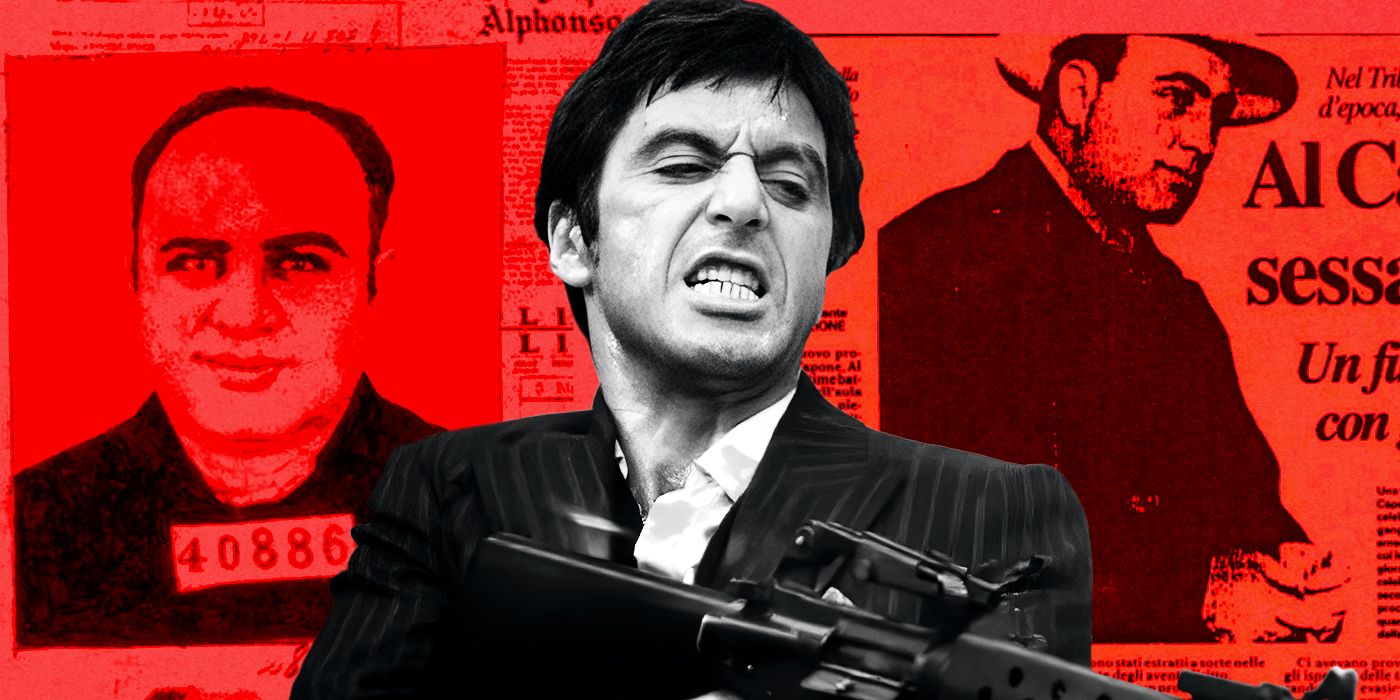
Scarface itself can be seen as an evolution of the gangster film genre. Unlike the more romanticized portrayals of gangsters in earlier Hollywood productions, Tony Montana is a character without redemption, driven by his own destructive impulses. The film unflinchingly depicts the corrosive effects of power, greed, and violence, presenting a cautionary tale rather than a celebration of criminal success. This raw, unflinching approach was a departure for its time and reflected a growing appetite for more visceral and complex storytelling in cinema.
The portrayal of Miami as a vibrant, yet dangerous, melting pot also played a crucial role. The city’s unique blend of cultures, its proximity to Latin America, and its reputation as a hub for illicit activities provided the perfect setting for Tony Montana’s rise and fall. The neon-lit streets, the opulent mansions, and the underlying sense of danger all contributed to the film’s indelible atmosphere and the larger-than-life persona of its protagonist.
In essence, Tony Montana is not a direct copy of any single individual. Instead, he is a composite character, a brilliant synthesis of historical events, the archetypes of ruthless criminals, and the cultural zeitgeist of an era defined by significant socio-political shifts and the rise of powerful criminal enterprises. His enduring legacy lies in his portrayal of ambition unchecked, the destructive nature of greed, and the dark side of the pursuit of the American Dream, making him a character who continues to resonate and provoke discussion.
LifeOutOfTheBox is a participant in the Amazon Services LLC Associates Program, an affiliate advertising program designed to provide a means for sites to earn advertising fees by advertising and linking to Amazon.com. Amazon, the Amazon logo, AmazonSupply, and the AmazonSupply logo are trademarks of Amazon.com, Inc. or its affiliates. As an Amazon Associate we earn affiliate commissions from qualifying purchases.