
When travelers look at the map of the United States, Oklahoma is often passed over for the coastal allure of the East or the dramatic peaks of the West. Yet, a quiet revolution is happening in the heart of the Great Plains. The state has emerged as a formidable contender in the national tourism landscape, moving beyond its historical reputation as a simple crossroads to become a destination in its own right. From the neon-drenched history of Route 66 to the booming culinary scene in Oklahoma City, the “Oklahoma Game” is one of sophisticated transformation.

The Cultural Renaissance of Oklahoma City
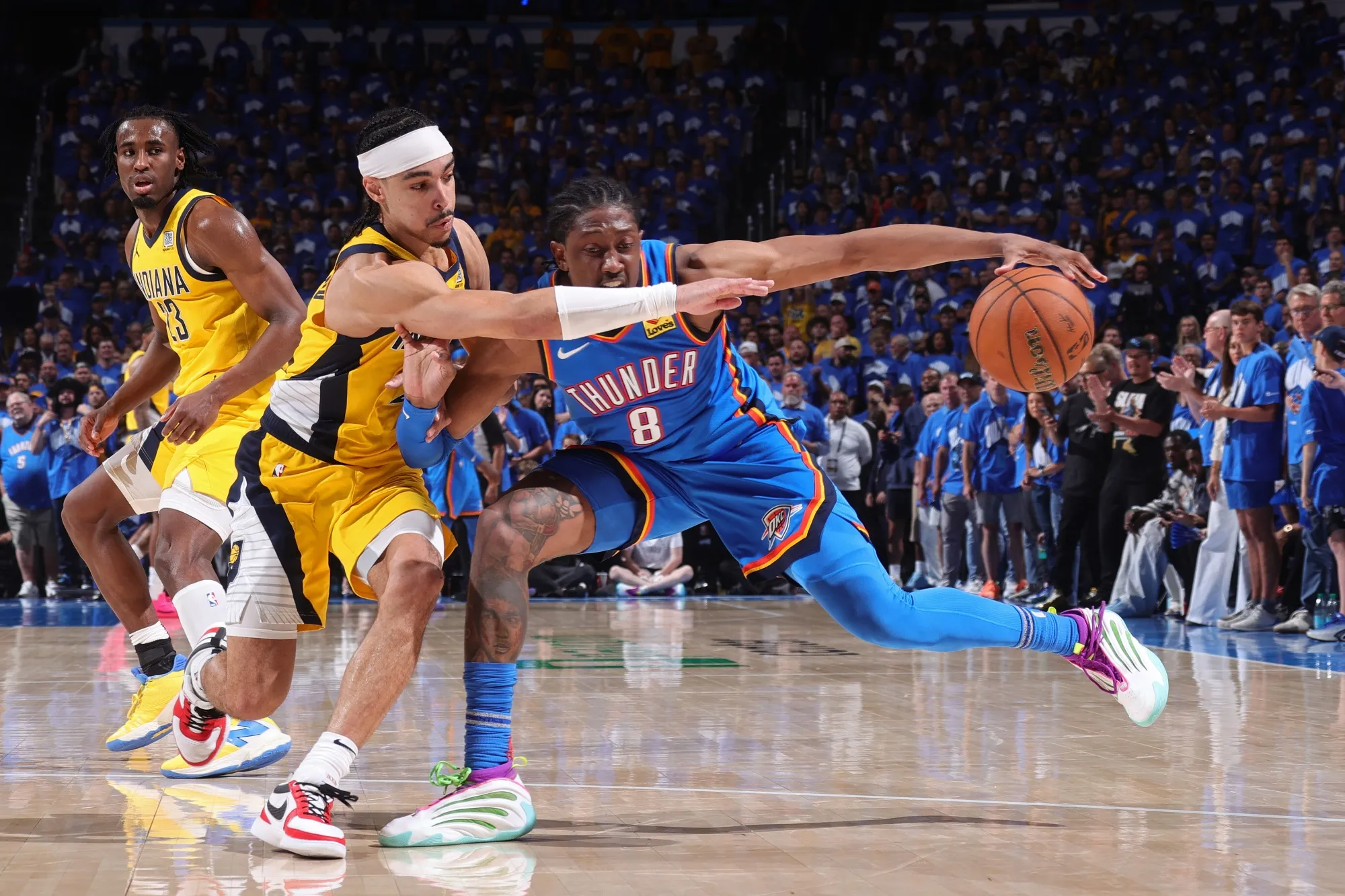
For decades, the state capital was perceived primarily as a center for energy and agriculture. Today, Oklahoma City is winning because it has successfully married its frontier heritage with modern urban planning. The revitalization of the Bricktown district serves as the anchor for this shift. Once an industrial warehouse zone, it is now a bustling entertainment hub where travelers can ride water taxis along the canal or catch a professional basketball game at the Paycom Center.
Culinary Evolution and Local Flavor
The city is currently enjoying a gastronomic awakening. By embracing its southwestern roots while welcoming global influences, local chefs are putting the state on the culinary map. Visitors are increasingly drawn to Midtown, where farm-to-table concepts thrive alongside traditional steakhouses. It is this willingness to innovate—to respect the history of the cattle industry while pushing for a modern, refined palate—that positions the city as a primary winner in the regional tourism sweepstakes.
The Arts and Civic Pride
Civic investment has also played a crucial role. The Oklahoma City Museum of Art houses one of the world’s most comprehensive collections of Chihuly glass, attracting international art enthusiasts. When a city invests in high-level cultural institutions, it changes the traveler’s perception from “stopover” to “destination.” This shift is the hallmark of the state’s recent success.
Exploring the Natural Wonders of the Interior
While the urban centers are evolving, the natural landscape remains the state’s most enduring asset. The “Oklahoma Game” isn’t just about glass-fronted buildings; it’s about the surprising topography of the Wichita Mountains. Many travelers are shocked to discover that the state contains more ecoregions than any other in the nation per capita.
The Wichita Mountains Wildlife Refuge
For those seeking an escape from the frantic pace of modern travel, the Wichita Mountains Wildlife Refuge offers an untouched sanctuary. Here, wild bison roam freely, and the granite peaks provide challenging hiking trails that rival those in states better known for their outdoor recreation. By promoting this rugged, untamed beauty, Oklahoma is winning over the demographic of adventure-seeking travelers who value authenticity over mass-market attractions.

The Diversity of Landscapes
The eastern part of the state features the Ozark Mountains, providing dense forests and sparkling rivers that invite kayaking and fishing. Meanwhile, the Tallgrass Prairie Preserve offers a glimpse into what the American interior looked like centuries ago. This variety allows the state to appeal to a broad spectrum of tourists, from the luxury-seeking road tripper to the dedicated wilderness backpacker.
The Nostalgia Economy: Route 66 and Beyond
One of the most effective strategies the state has employed is the aggressive preservation and celebration of its Route 66 heritage. In a world that is becoming increasingly homogenized, the “Mother Road” represents something tangible, historical, and distinctly American.
Curating History
The state boasts the longest driveable stretch of this historic highway. Instead of letting these sections crumble into obscurity, communities have worked to preserve the eccentric roadside attractions that define the classic American road trip. Places like the Blue Whale of Catoosa or the various vintage diners scattered along the route act as physical reminders of a bygone era. Travelers do not just pass through; they stop, photograph, and spend, effectively sustaining the local economy.
The Tulsa Factor
Tulsa represents another front in the battle for tourism dominance. The Gathering Place, a massive riverfront park, has been hailed as one of the best urban parks in the world. Its sheer scale and interactive design demonstrate how the state is “winning” by prioritizing public space and family-oriented tourism. When combined with the stunning Art Deco architecture found throughout Tulsa, it becomes clear that the state is leveraging its history to fund its future.
Conclusion: Who is the Real Winner?
The “Oklahoma Game” is not a competition against other states; it is a long-term strategic effort to redefine the state’s identity. The real winners in this equation are the travelers. By choosing to explore the region, they gain access to a unique blend of high-end urban amenities, deep-rooted historical narratives, and surprisingly diverse natural landscapes.
The state has successfully shed the burden of being a “flyover” destination. It has done so by valuing its own identity rather than imitating its neighbors. Whether it is the world-class museums in Oklahoma City, the vibrant music scene in Tulsa, or the geological wonders of the Wichita Mountains, the infrastructure is now in place to support a thriving tourism industry.
As Oklahoma continues to refine its narrative, the influx of visitors will likely grow. The state has proven that you don’t need a coastline or a major mountain range to win the tourism game—you simply need to know who you are and tell that story effectively. For the curious traveler, the state offers a depth of experience that is rare, rewarding, and increasingly essential to the American journey. The game is currently in full swing, and the results are promising for anyone willing to pull off the highway and see what the heart of the country has to offer.
LifeOutOfTheBox is a participant in the Amazon Services LLC Associates Program, an affiliate advertising program designed to provide a means for sites to earn advertising fees by advertising and linking to Amazon.com. Amazon, the Amazon logo, AmazonSupply, and the AmazonSupply logo are trademarks of Amazon.com, Inc. or its affiliates. As an Amazon Associate we earn affiliate commissions from qualifying purchases.