
Navigating the intricacies of obtaining a driver’s license in a new state can feel like deciphering a complex map. For those planning an extended stay, a move, or even a significant visit to the Lone Star State, understanding the issuing authority for a Texas driver’s license is a fundamental step. This process, while seemingly straightforward, involves specific agencies and requirements designed to ensure road safety and efficient traffic management across the vast expanse of Texas. The primary entity responsible for issuing driver’s licenses, as well as managing vehicle registration and other related services, is the Texas Department of Public Safety (DPS).
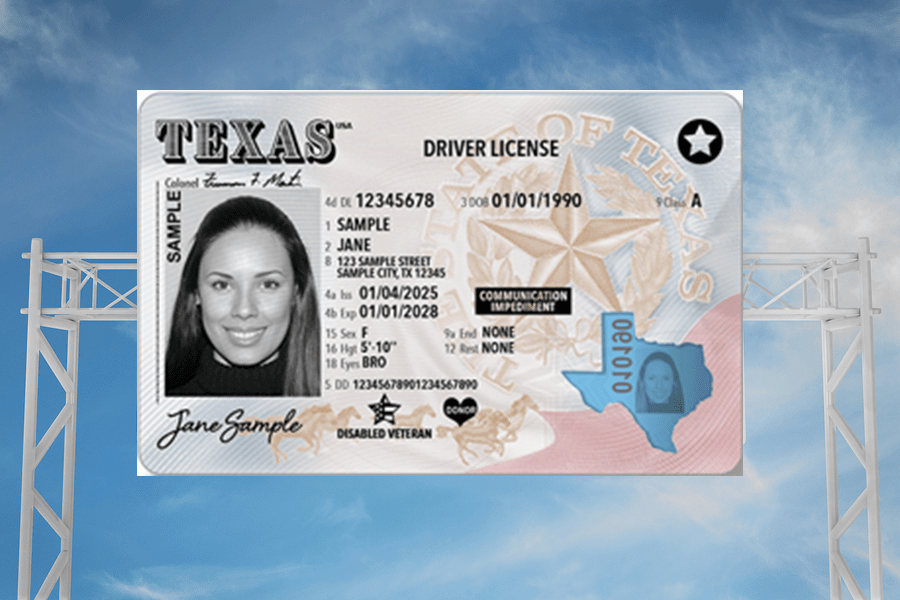
The Texas Department of Public Safety: Your Gateway to the Road
The Texas Department of Public Safety (DPS) is the cornerstone agency for all driver licensing matters in the state. Established to protect Texans and ensure public safety, the DPS oversees a comprehensive range of services, with driver licensing being one of its most critical functions. From issuing learner permits to adult driver’s licenses and specialized endorsements, the DPS plays a vital role in regulating who operates a motor vehicle on Texas roadways.
Understanding the DPS’s Mandate
The mandate of the Texas Department of Public Safety (DPS) extends far beyond simply handing out plastic cards. The agency is tasked with:
- Ensuring Driver Competency: Through rigorous testing, including written, vision, and road skills exams, the DPS verifies that individuals possess the necessary knowledge and abilities to operate a vehicle safely.
- Maintaining Driver Records: The DPS keeps meticulous records of each licensed driver, including any traffic violations, suspensions, or revocations. This information is crucial for law enforcement and for assessing driver risk.
- Promoting Road Safety: The agency actively engages in public awareness campaigns and traffic safety initiatives aimed at reducing accidents and fatalities on Texas roads.
- Combating Fraud: The DPS implements strict security measures to prevent fraudulent issuance of licenses, protecting against identity theft and ensuring the integrity of the licensing system.
The Role of Driver License Offices
To facilitate the process, the Texas Department of Public Safety (DPS) operates a network of driver license offices strategically located throughout the state. These offices serve as the primary points of contact for the public to apply for, renew, or replace driver’s licenses. Each office is staffed with trained personnel who administer tests, process applications, and provide information and assistance to applicants. It’s advisable to check the official Texas DPS website for the nearest office location and their operating hours, as well as to understand any appointment requirements, which are increasingly common to manage wait times and improve efficiency.
The Application Process: A Step-by-Step Guide
The journey to obtaining a Texas driver’s license involves a series of steps, each designed to ensure you are a safe and responsible driver. While specific requirements can vary slightly based on age and prior licensing history, the core process remains consistent.
Eligibility Requirements
Before embarking on the application process, it’s essential to confirm your eligibility. Generally, to obtain a Texas driver’s license, you must:
- Be a Texas Resident: Proof of residency is a key requirement, typically demonstrated through utility bills, lease agreements, or other official documents.
- Provide Proof of Identity and Citizenship/Lawful Presence: Accepted documents include birth certificates, passports, or permanent resident cards.
- Have a Social Security Number: Your Social Security card or proof of eligibility for a Social Security Number is necessary.
- Meet Vision Requirements: You will undergo a vision screening to ensure your eyesight meets the minimum standards for driving.
- Pass Necessary Tests: Depending on your situation, this will include a written knowledge test, a road signs test, and a driving skills test.
New Drivers: The Impact Texas Graduated Driver Licensing (GDL) Program
For individuals under the age of 18, Texas employs a Graduated Driver Licensing (GDL) program. This phased approach is designed to provide new drivers with the necessary experience and training in a controlled environment before granting them full driving privileges. The GDL program typically includes:
1. Instruction Permit (Learner’s Permit)
- Age Requirement: At least 15 years of age.
- Requirements: Completion of a state-approved driver education course (either classroom or online) and passing the knowledge test administered by the DPS.
- Restrictions: Permit holders must be accompanied by a licensed driver aged 21 or older in the front passenger seat, and must complete at least 30 hours of supervised behind-the-wheel practice.
2. Provisional Driver’s License
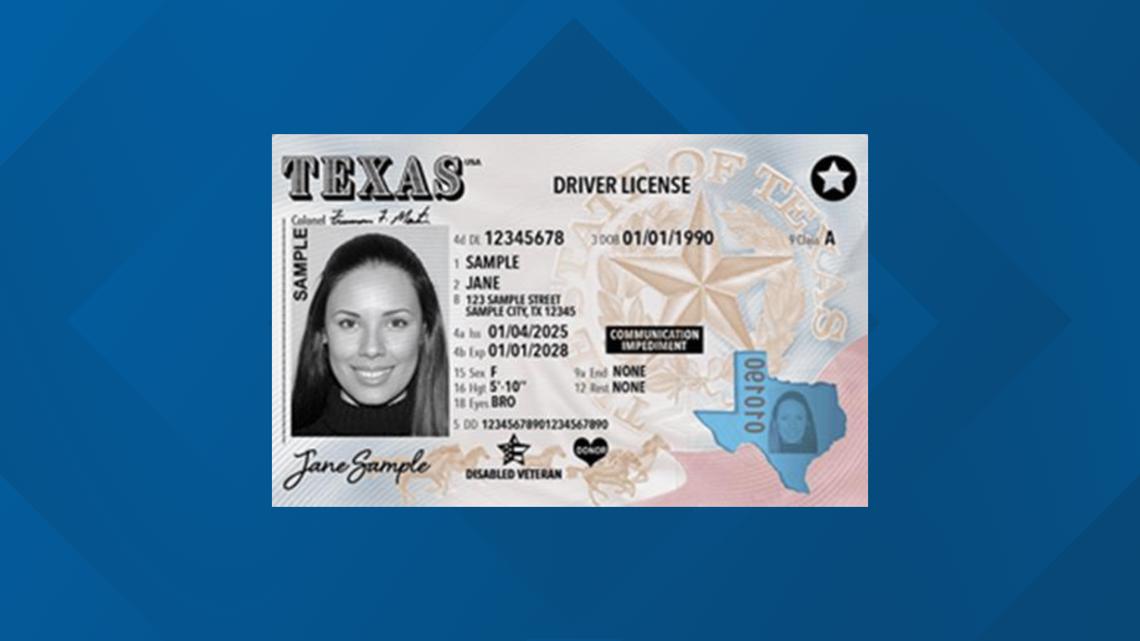
- Age Requirement: At least 16 years of age.
- Requirements: Hold an instruction permit for at least six months, complete a minimum of 30 hours of supervised driving (including 10 hours at night), and pass the driving skills test.
- Restrictions: Provisional license holders face certain restrictions, such as limitations on the number of passengers under 21 they can transport and restrictions on driving between midnight and 5 a.m., with some exceptions.
3. Unrestricted Driver’s License
- Age Requirement: Upon reaching 18 years of age, the restrictions of the provisional license are lifted, provided all other requirements have been met.
Adult Drivers (18 and Older)
For individuals who are 18 or older and applying for their first driver’s license, the process is more direct but still requires fulfilling all the standard requirements. This typically involves:
- Completing a driver education program for adults if applicable.
- Passing the written knowledge test.
- Passing the vision screening.
- Passing the driving skills test.
Beyond the Initial Issuance: Renewals and Replacements
Obtaining your driver’s license is not a one-time event. The Texas Department of Public Safety (DPS) manages the ongoing validity and accessibility of your license through renewal and replacement services.
Driver’s License Renewal
Driver’s licenses in Texas are typically valid for a period of eight years for adults. The DPS sends renewal notices to drivers before their license expires, but it is the individual’s responsibility to ensure their license is renewed on time. Renewal can often be completed online, by mail, or in person at a driver license office. Certain conditions, such as a medical review or a suspension, may require an in-person visit.
Replacing a Lost or Stolen License
Losing your driver’s license can be a significant inconvenience. If your license is lost, stolen, or damaged, you can apply for a replacement through the Texas DPS. This process generally involves completing an application, providing proof of identity, and paying a fee. Many replacement requests can be handled online, offering a convenient solution to get back on the road quickly.
Key Considerations for Visitors and New Residents
For those visiting Texas or planning to move, understanding how out-of-state or international licenses are handled is crucial.
Visitors with Out-of-State Licenses
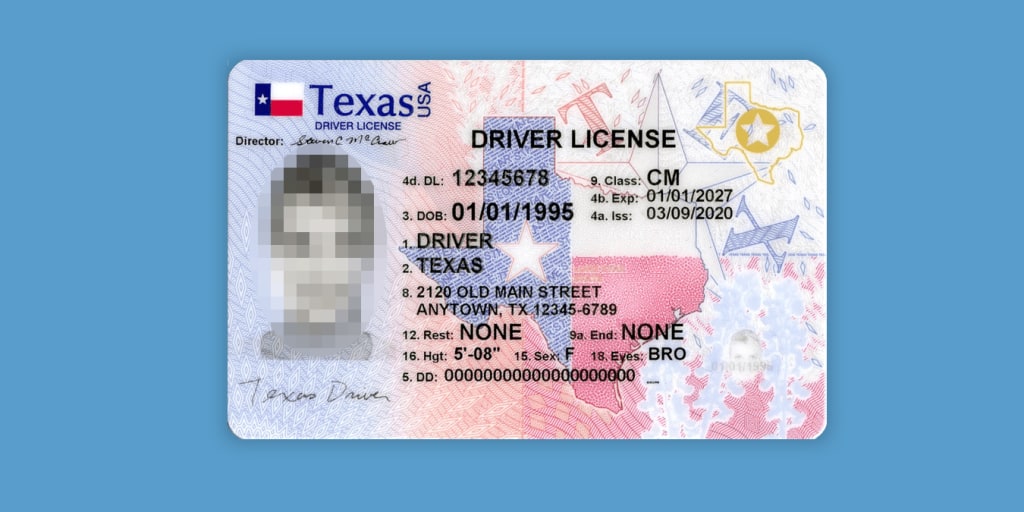
If you hold a valid driver’s license from another U.S. state or territory, you are generally permitted to drive in Texas with that license for a certain period. However, if you establish residency in Texas, you are required to obtain a Texas driver’s license within a specified timeframe, typically 90 days from the date you establish residency. When applying for a Texas license as a new resident, you will usually need to surrender your out-of-state license and will be exempt from retaking the driving skills test, provided your out-of-state license is valid.
International Visitors
International visitors who hold a valid driver’s license from their home country may drive in Texas for a limited duration. This period can vary, and it is often recommended to carry your international driving permit (IDP) along with your foreign license for ease of understanding by law enforcement. For longer stays or establishing residency, obtaining a Texas driver’s license is necessary, which would involve meeting all the standard application requirements.
In conclusion, the authority for issuing Texas driver’s licenses rests squarely with the Texas Department of Public Safety (DPS). By understanding the agency’s role, the application process, and the specific requirements for different age groups and residency statuses, individuals can navigate the system effectively and ensure they are legally equipped to drive on the roads of Texas. Whether you are a seasoned driver or a novice embarking on your driving journey, the DPS is your official guide to obtaining and maintaining your driving privileges in the Lone Star State.
LifeOutOfTheBox is a participant in the Amazon Services LLC Associates Program, an affiliate advertising program designed to provide a means for sites to earn advertising fees by advertising and linking to Amazon.com. Amazon, the Amazon logo, AmazonSupply, and the AmazonSupply logo are trademarks of Amazon.com, Inc. or its affiliates. As an Amazon Associate we earn affiliate commissions from qualifying purchases.