
The Golden State, a land of sun-drenched beaches, towering redwoods, and pioneering spirit, carries a name steeped in legend and literary fancy. The question of “Who Named California?” doesn’t lead to a simple, singular answer, but rather a fascinating journey through ancient tales, early explorations, and the power of imagination. The origin story is not one of a cartographer’s label or a colonial governor’s decree, but a far more romantic and intriguing narrative.
The Literary Genesis: Las Sergas de Esplandián
The most widely accepted and compelling theory traces the name “California” to a popular 16th-century Spanish romance novel. This work, Las Sergas de Esplandián (The Adventures of Esplandián), was written by Garci Rodríguez de Montalvo and published in 1510. The novel was a sequel to the immensely popular chivalric romance Amadís de Gaula.
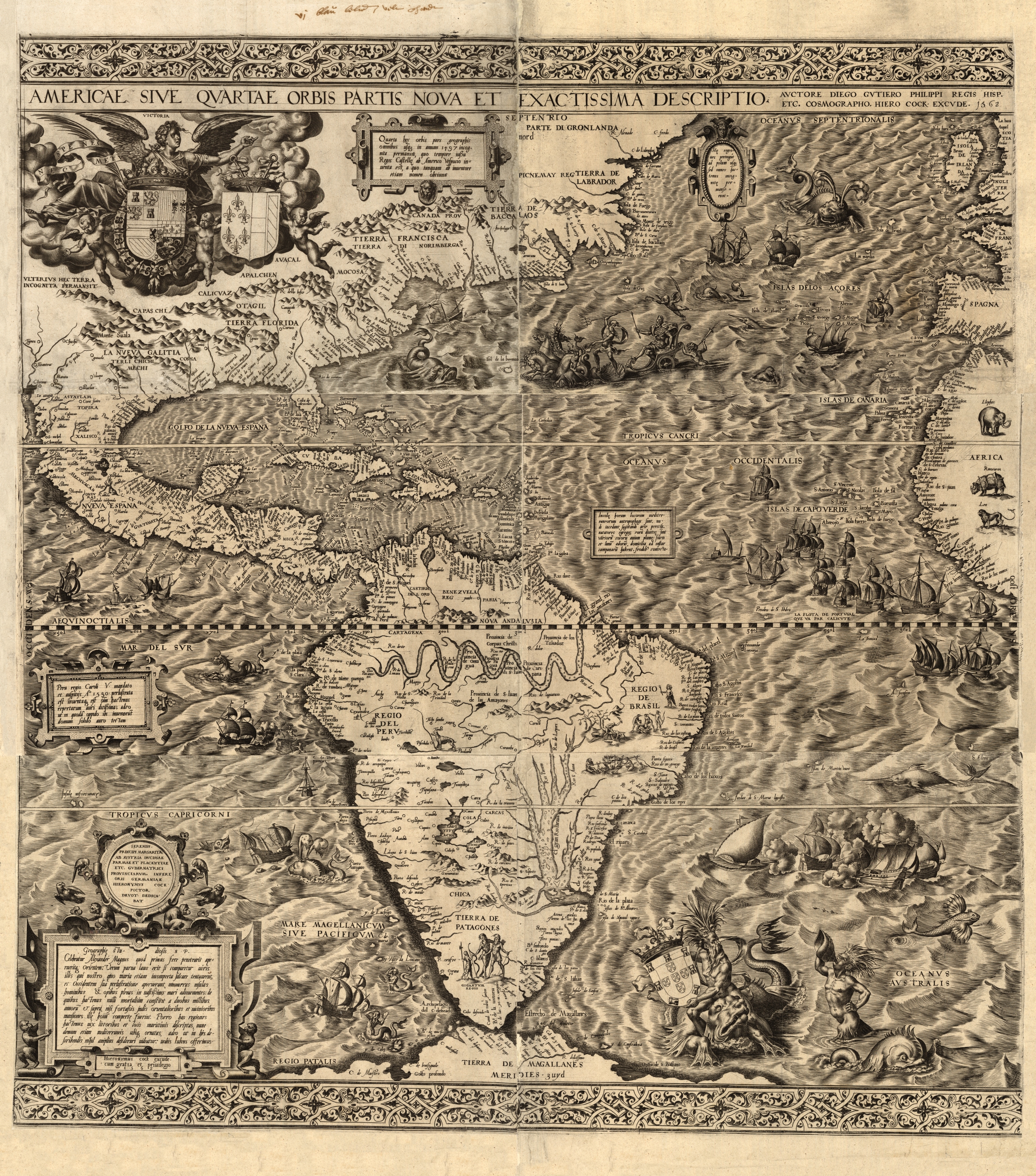
Within the pages of Montalvo’s tale, the author describes a mythical island located “on the right hand of the Indies,” a place of immense riches and exotic wonders. This fictional paradise was called “California,” and it was described as a land ruled by a queen named Calafia. The inhabitants were said to be beautiful, powerful Black Amazonian women who rode griffins and possessed abundant gold. The island was depicted as a veritable earthly paradise, teeming with gold, silver, and precious stones, and populated by fierce warriors.
The allure of Las Sergas de Esplandián was widespread across Spain and its colonies. Tales of adventure, brave knights, and fantastical lands captured the imaginations of readers. It was within this cultural milieu that the seeds of California’s name were sown.
Calafia and Her Island Kingdom
The queen of this mythical land, Calafia, is central to the narrative. The name “California” itself is believed to be derived from “Calafia” or a similar variation. Montalvo envisioned this island as a place of unparalleled wealth and beauty, a stark contrast to the often harsh realities of the time. The description included lush vegetation, abundant wildlife, and a climate that was perpetually warm and inviting. The women of California were depicted as strong, independent, and skilled in warfare, a theme that resonated with the adventurous spirit of the era.
The novel’s popularity meant that the name “California” and its exotic descriptions entered the popular consciousness. It became synonymous with a distant, undiscovered land of opportunity and wonder.
Early Spanish Explorations and the Naming of Baja California
When Spanish explorers began to venture into the uncharted territories of the Pacific coast of North America, they carried with them the stories and legends they knew. Among the most prominent of these early explorers was Hernán Cortés, the conqueror of the Aztec Empire.
Cortés, along with his expeditions, began to explore the western coast of what is now Mexico. In 1533, an expedition led by Fortún Ximénez landed on the shores of a peninsula that would eventually become known as Baja California. Ximénez and his men encountered indigenous peoples and discovered pearl beds, further fueling the notion of a land rich in resources.
It is believed that the name “California” was first applied to this peninsula by Cortés or one of his associates. Whether they consciously applied the name from Montalvo’s novel or whether the sounds and imagery of the new land evoked the literary paradise is a matter of scholarly debate. However, the parallel between the rich potential and somewhat isolated geography of the peninsula and the mythical island of Calafia is striking.
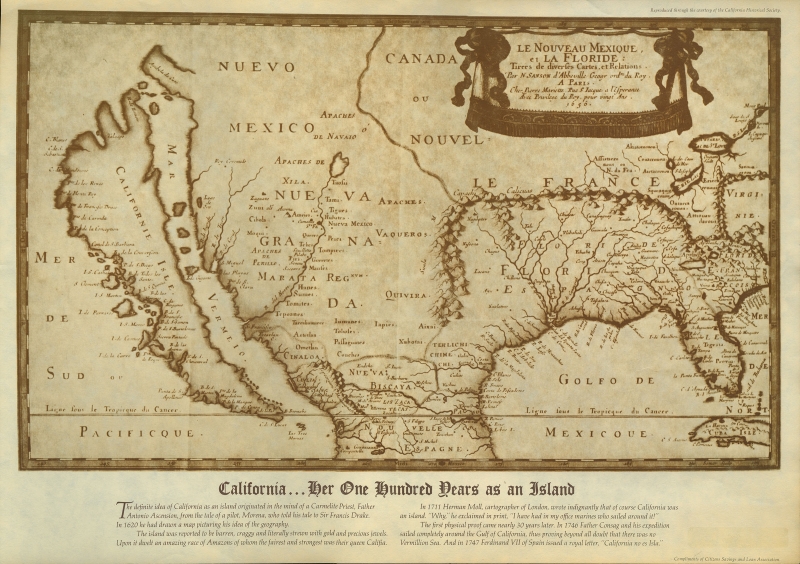
The Peninsula and the Myth
The peninsula, jutting out into the Pacific, was initially thought by many explorers to be an island. This perception would have further reinforced the connection to Montalvo’s island kingdom. The abundant pearls discovered along its coast were seen as a tangible form of the riches described in the novel. The arid yet strangely beautiful landscapes, with their unique flora and fauna, might have also conjured images of an exotic, faraway land.
The name “California” likely stuck because it resonated with the aspirations and imaginations of the conquistadors. It was a name that promised riches, adventure, and the possibility of discovering a new world, mirroring the romantic ideals of the chivalric romances that were so popular.
The Expansion Northward: Upper California
As Spanish exploration and colonization progressed northward, the term “California” came to encompass a much larger territory. The Kingdom of New Spain, which included the vast territories of what is now Mexico and the southwestern United States, gradually saw its northern reaches explored and mapped.
The region north of the Baja California peninsula eventually became known as Alta California (Upper California). This territory stretched from roughly the present-day border of Mexico with the United States all the way up to what is now Oregon. Alta California was a vast and diverse land, encompassing deserts, mountains, fertile valleys, and a long, dramatic coastline.
The Spanish missions, established throughout Alta California starting in the late 18th century, played a crucial role in further solidifying the name and identity of the region. Missions like Mission San Diego de Alcalá and Mission San Francisco de Asís became centers of Spanish influence and provided the names for many of the cities that exist today.
From Spanish Rule to American Territory
Following the Mexican War of Independence in 1821, Alta California became part of Mexico. During this period, the region was characterized by large ranches (ranchos) and a relatively sparse population. The name “California” continued to be used for this vast northern territory.
The Mexican-American War (1846-1848) brought about another significant shift. The Treaty of Guadalupe Hidalgo ceded a vast amount of territory to the United States, including Alta California. It was at this point that the name “California” officially became associated with the territory that would eventually become the 31st state of the United States.
The discovery of gold in 1848 at Sutter’s Mill near Coloma dramatically accelerated the population growth and development of California. The ensuing California Gold Rush attracted people from all over the world, transforming the region from a sparsely populated frontier into a bustling hub of activity. The allure of gold seemed to echo the mythical riches of Calafia’s island, further embedding the name in the lore of a land of opportunity.

The Enduring Legacy of a Literary Name
The journey of the name “California” from a fictional island in a 16th-century novel to a prominent state in the United States is a testament to the enduring power of stories and imagination. It highlights how literary creations can transcend their original context and influence the very naming of places.
The name evokes a sense of romance, adventure, and boundless potential – a legacy that continues to draw people to the state today. Whether one is exploring the beaches of Southern California, hiking in the Sierra Nevada mountains, or visiting the historic missions, the name “California” carries with it the echoes of a mythical past, a vibrant present, and a future filled with possibility. The next time you hear the name, remember the tale of Queen Calafia and her island paradise, the literary spark that ignited the naming of this iconic American state.
LifeOutOfTheBox is a participant in the Amazon Services LLC Associates Program, an affiliate advertising program designed to provide a means for sites to earn advertising fees by advertising and linking to Amazon.com. Amazon, the Amazon logo, AmazonSupply, and the AmazonSupply logo are trademarks of Amazon.com, Inc. or its affiliates. As an Amazon Associate we earn affiliate commissions from qualifying purchases.