
Caesars Palace Hotel stands as an undisputed icon of the Las Vegas Strip, a monument to luxury, entertainment, and the enduring allure of Roman grandeur. Since its dazzling opening, it has captivated millions, offering an experience that transcends mere accommodation to become a destination in itself. From its opulent suites and world-class amenities to its legendary casino floors and vibrant attractions, Caesars Palace Hotel embodies the ultimate in luxury travel. But behind the towering statues and exquisite fountains, a complex question often arises, especially for those interested in the intricate world of global hospitality and real estate investment trusts: who truly owns this legendary landmark?
The answer, like many things in the modern corporate landscape, is not as straightforward as it might seem. The ownership of Caesars Palace Hotel involves a unique interplay between two major entities: one that owns the physical land and buildings, and another that operates the bustling hotel, casino, and entertainment facilities. This structure, common in the contemporary tourism and hotels industry, allows for strategic focus and financial optimization, shaping the property’s present and future. Understanding this dynamic not only sheds light on the business model behind one of the world’s most famous resorts but also provides insight into the broader trends influencing travel and hospitality investment.
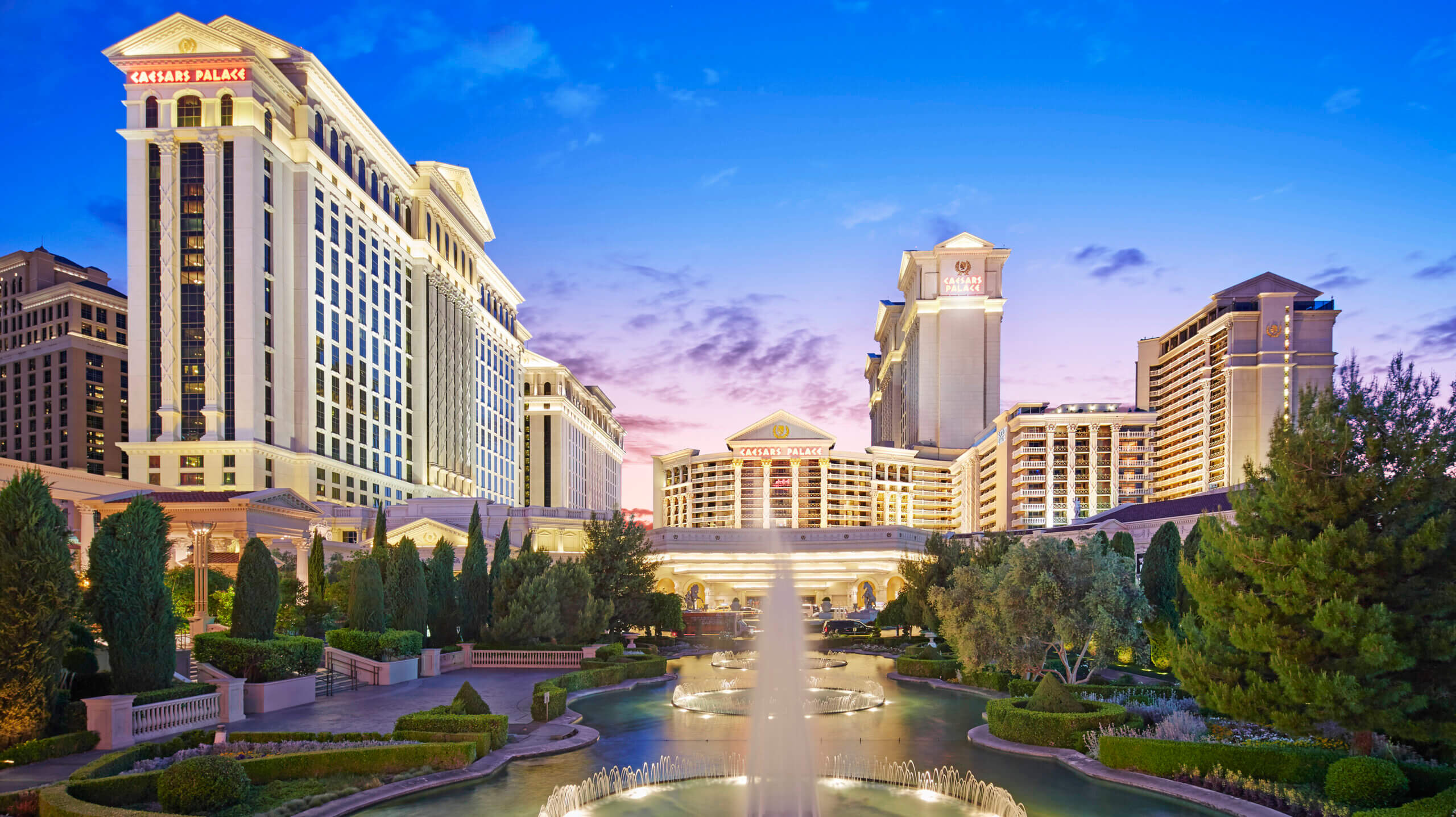
A Legacy Forged in Rome: The Genesis of Caesars Palace Hotel
To truly appreciate the current ownership structure, one must first journey back to the very origins of Caesars Palace Hotel and understand the vision that brought this magnificent landmark to life. Its history is as rich and storied as the Roman Empire it emulates, marked by innovation, ambition, and a relentless pursuit of the extraordinary.
Jay Sarno’s Vision: Birth of an Empire
The story of Caesars Palace Hotel begins with a visionary hotelier named Jay Sarno. In the early 1960s, Sarno dreamed of creating a resort in Las Vegas that would make every guest feel like a Roman emperor. Eschewing the traditional Western themes prevalent on the Strip at the time, Sarno envisioned an opulent escape, a place where guests could indulge in luxury, entertainment, and a touch of imperial grandeur. He believed that people wanted to be pampered and treated like royalty, and this philosophy became the cornerstone of Caesars Palace Hotel.
Opened on August 5, 1966, the original Caesars Palace Hotel boasted 680 rooms, a grand casino, lavish gardens, and iconic Roman statues and architecture that immediately set it apart. From the moment it opened its doors, it redefined the concept of a Las Vegas resort, pioneering the theme hotel concept that would later characterize much of the city’s development. Sarno’s meticulous attention to detail extended to every aspect of the guest experience, from the costumed staff to the extravagant fountains. This bold vision cemented Caesars Palace Hotel’s status as a premier Las Vegas destination and a global symbol of aspirational living, making it an indispensable part of any guide to Las Vegas.
Shifting Tides: Early Ownership and Expansion
While Jay Sarno’s entrepreneurial spirit was the catalyst for Caesars Palace Hotel’s creation, the property quickly became a target for larger corporations seeking a slice of its undeniable success. In 1969, just three years after its grand opening, Sarno sold Caesars Palace Hotel to Lumisys, Inc., a company founded by Kirk Kerkorian, a prominent figure in Las Vegas development. Kerkorian, often credited with shaping much of the modern Las Vegas landscape, quickly sold it to Hilton Hotels in 1973.
Under Hilton Hotels’ stewardship, the property continued to expand and evolve, adding more rooms, convention space, and entertainment venues. These early ownership changes, though significant, largely focused on integrating Caesars Palace Hotel into larger corporate portfolios, leveraging its brand strength and enhancing its operational scale. Over the decades, through various acquisitions, mergers, and financial restructuring, Caesars Palace Hotel eventually found itself under the umbrella of a company that would become synonymous with the “Caesars” name: Caesars Entertainment. This lengthy journey of corporate evolution set the stage for the more complex and strategic ownership arrangement that exists today.
Decoding Modern Ownership: A Tale of Two Entities
The current ownership structure of Caesars Palace Hotel is a prime example of a popular financial model in the hospitality industry, particularly for large-scale integrated resorts. It’s a two-pronged approach involving a distinct operator and a separate landlord, each playing a crucial, specialized role.
The Operator: Caesars Entertainment, Inc.
When you book a stay at Caesars Palace Hotel, gamble in its casino, or attend a show in its Colosseum, you are engaging with Caesars Entertainment, Inc. This publicly traded company is the operator of Caesars Palace Hotel, alongside a vast portfolio of other world-renowned casino-resorts across the United States and beyond. Caesars Entertainment is responsible for everything related to the guest experience and the day-to-day running of the property.
Their responsibilities are extensive and cover virtually every aspect of a grand hotel and resort operation:
- Hotel Management: From managing booking and reservations to ensuring the highest standards of service in its thousands of suites and rooms.
- Casino Operations: Overseeing the vast gaming floor, including slot machines, table games, and sports betting.
- Entertainment and Events: Booking top-tier performers, managing event spaces, and curating a vibrant calendar of shows and conventions, crucial for drawing tourism to Las Vegas.
- Food and Beverage: Operating a diverse array of restaurants, bars, and lounges, catering to every culinary desire.
- Marketing and Branding: Maintaining the iconic Caesars Palace Hotel brand, attracting visitors, and promoting experiences that range from luxury travel to business stays.
- Staffing and Human Resources: Employing thousands of individuals who ensure the smooth operation of the massive complex.
In essence, Caesars Entertainment brings the “Palace” to life. They manage the brand, deliver the experience, and are the face of the resort for its millions of annual visitors.
The Landlord: VICI Properties Inc.
While Caesars Entertainment manages the operations, the actual physical assets – the land and the buildings that comprise Caesars Palace Hotel – are owned by VICI Properties Inc. VICI Properties is a real estate investment trust (REIT).
A real estate investment trust (REIT) is a company that owns, operates, or finances income-producing real estate. REITs typically allow individual investors to earn a share of the income produced through commercial real estate ownership, without having to buy, manage, or finance property themselves. They are often compared to mutual funds, but for real estate. In the case of VICI Properties, their portfolio is primarily focused on gaming and hospitality properties.
The creation of VICI Properties is a fascinating story rooted in the financial restructuring of Caesars Entertainment. In 2017, emerging from bankruptcy, Caesars Entertainment spun off most of its real estate assets, including Caesars Palace Hotel, into VICI Properties. This strategic move allowed Caesars Entertainment to shed substantial debt associated with property ownership and focus on its core competency: operating resorts.

Under this arrangement, VICI Properties acts as the landlord, owning the bricks and mortar of Caesars Palace Hotel. They then lease the property back to Caesars Entertainment through a long-term, triple-net lease agreement. This means Caesars Entertainment is responsible for all operating expenses, including property taxes, insurance, and maintenance, in addition to paying rent to VICI Properties. This model provides VICI Properties with a stable, predictable stream of rental income, while Caesars Entertainment can operate its famed property without the burden of direct real estate ownership. It’s a symbiotic relationship that has become a prevalent strategy in the hotels and gaming industries.
The Strategic Implications of the REIT Model
The dual ownership model, specifically the REIT structure, carries significant strategic implications for both Caesars Entertainment and VICI Properties, as well as for the future trajectory of Caesars Palace Hotel as a premier destination. This financial architecture plays a critical role in how investments are made, how assets are managed, and ultimately, how the guest experience is maintained and enhanced.
Benefits for Both Parties and Investors
For Caesars Entertainment, the operating company, the primary benefit is an “asset-light” business model. By divesting real estate to VICI Properties, Caesars Entertainment significantly reduced its debt load and freed up capital. This capital can then be reinvested into its core business: enhancing gaming technology, upgrading amenities, developing new experiences, and expanding its brand through mergers and acquisitions, such as its acquisition of Eldorado Resorts which effectively made the new entity known as Caesars Entertainment the largest casino operator in the United States. This focus on operations allows for agility and a sharper strategic vision in the competitive tourism market.
VICI Properties, on the other hand, benefits from a stable, long-term rental income stream derived from high-quality, iconic properties like Caesars Palace Hotel. As a real estate investment trust, it is legally required to distribute a significant portion of its taxable income to shareholders annually, making it attractive to income-focused investors. VICI Properties’ portfolio offers geographical and brand diversification, reducing risk and positioning it as a major player in the leisure and hospitality real estate sector. Its primary focus is on acquiring and managing premium assets, ensuring their long-term value.
For investors, this dual structure offers different avenues. Those interested in the operational growth, brand power, and market share of the gaming industry might invest in Caesars Entertainment. Conversely, those seeking stable dividends and exposure to high-value real estate assets in prime travel destinations would find VICI Properties more appealing. This separation allows for tailored investment strategies, catering to diverse financial goals within the same overall ecosystem of Las Vegas hospitality.

Maintaining the Caesars Palace Hotel Experience
A common concern with such structures is whether the separation of ownership and operation impacts the quality and consistency of the guest experience. In the case of Caesars Palace Hotel, the enduring commitment to excellence remains paramount for both entities. For VICI Properties, the value of their real estate is directly tied to the success and reputation of the operating resort. A thriving Caesars Palace Hotel ensures consistent rental payments and appreciation in property value. Therefore, VICI Properties has a vested interest in the property’s ongoing appeal and quality.
Similarly, for Caesars Entertainment, Caesars Palace Hotel is a flagship property, central to its brand identity and reputation for luxury travel. They are motivated to invest in renovations, upgrades, and innovative amenities to attract new visitors and retain loyal guests. The long-term lease agreement typically outlines specific maintenance and investment responsibilities, ensuring that the property continues to meet high standards. Guests can expect the same unparalleled level of service, opulent suites, diverse dining options, and world-class entertainment that have defined Caesars Palace Hotel for decades. This includes a relentless pursuit of the latest in hotel technology and personalized experiences that cater to a global clientele seeking everything from a weekend getaway to extended business stays.
Caesars Palace Hotel in the Broader Las Vegas Landscape
Beyond the intricate details of its ownership, Caesars Palace Hotel continues to play a pivotal role in the vibrant tapestry of Las Vegas and the global tourism industry. Its enduring presence and continuous evolution underscore its significance not just as a business venture, but as a cultural phenomenon and a key driver of travel to the Nevada desert.
An Enduring Las Vegas Landmark
Caesars Palace Hotel is more than just a hotel; it is a landmark. Its distinctive Roman architecture, iconic fountains, and elaborate statues make it instantly recognizable, a beacon on the famous Las Vegas Strip. For millions of visitors, a trip to Las Vegas is incomplete without experiencing the grandeur of Caesars Palace Hotel, whether it’s through a stay in one of its luxurious suites, a meal at one of its celebrity chef restaurants, or simply admiring its majestic exterior.
The resort has hosted countless historical events, from championship boxing matches to legendary concerts in the Colosseum at Caesars Palace, featuring residencies by global superstars. These events contribute significantly to Las Vegas’s reputation as the “Entertainment Capital of the World,” attracting diverse audiences and boosting local culture and the wider tourism economy. As a famous place deeply entrenched in the city’s narrative, Caesars Palace Hotel remains a centerpiece for discussions on Las Vegas’s history and future development. Its consistent presence in travel guides and positive reviews further solidify its status as a must-visit attraction.
The Future of a Titan
Despite the complex ownership structure, the future of Caesars Palace Hotel appears bright. Both Caesars Entertainment and VICI Properties have a vested interest in the property’s continued success and profitability. This alignment encourages ongoing investment in renovations, technological upgrades, and the development of new attractions and experiences to keep Caesars Palace Hotel at the forefront of the competitive Las Vegas market.
The property’s ability to adapt, innovate, and continuously offer fresh amenities and activities is key to maintaining its appeal for both luxury travel and budget travel segments, albeit Caesars Palace Hotel primarily caters to the former. As Las Vegas itself evolves, diversifying beyond gaming into sports, conventions, and high-end entertainment, Caesars Palace Hotel is strategically positioned to capitalize on these trends. Its comprehensive offerings, from elaborate suites to expansive convention facilities, make it an ideal choice for family trips, business stays, and everything in between. The synergistic relationship between its operator and its landlord ensures that the financial stability and operational excellence required for such continuous investment are well-supported, securing its place as an enduring titan of hospitality.
In conclusion, the question “Who owns Caesars Palace Hotel?” reveals a sophisticated business model that reflects modern financial strategies in the global travel and tourism industry. While VICI Properties Inc. holds the deeds to the magnificent real estate, it is Caesars Entertainment, Inc. that breathes life into the iconic resort, curating the unforgettable experiences that make Caesars Palace Hotel a perennial favorite on the Las Vegas Strip. This collaborative structure ensures that the legacy of Jay Sarno’s Roman empire continues to thrive, captivating new generations of visitors to this day.
LifeOutOfTheBox is a participant in the Amazon Services LLC Associates Program, an affiliate advertising program designed to provide a means for sites to earn advertising fees by advertising and linking to Amazon.com. Amazon, the Amazon logo, AmazonSupply, and the AmazonSupply logo are trademarks of Amazon.com, Inc. or its affiliates. As an Amazon Associate we earn affiliate commissions from qualifying purchases.