
The glittering expanse of the Las Vegas Strip is often perceived as a collection of independent, competing empires. However, beneath the neon lights and the choreographed spectacle of the Bellagio fountains, the ownership structure of Las Vegas is surprisingly concentrated. A small handful of publicly traded corporations and private equity firms dictate the hospitality landscape, controlling the vast majority of the rooms, gaming floors, and entertainment venues in Nevada.
Understanding who holds the keys to these monumental structures is essential for anyone interested in the economics of modern tourism. The evolution from the mob-controlled era of the 1950s to the corporate-dominated landscape of the 21st century has turned the United States gambling capital into a masterclass in massive capital consolidation.
The Titans of Industry: MGM Resorts and Caesars Entertainment
The landscape of Las Vegas is effectively a duopoly dominated by MGM Resorts International and Caesars Entertainment. Together, these two giants manage a significant portion of the total available rooms in the city.
The MGM Resorts Empire
MGM Resorts International is arguably the most recognizable name in the industry. Their footprint is staggering. They operate iconic properties such as the MGM Grand, Aria Resort and Casino, Park MGM, New York-New York Hotel and Casino, Luxor Hotel and Casino, Excalibur Hotel and Casino, and Mandalay Bay. By leveraging economies of scale, they control not just the lodging, but the dining, nightlife, and conference spaces that drive millions of visitors to the region annually.
The Caesars Entertainment Reach
On the other side of the ledger stands Caesars Entertainment. Their portfolio is equally impressive, anchored by the legendary Caesars Palace. Beyond their flagship, they operate Planet Hollywood Las Vegas, Flamingo Las Vegas, The Linq Hotel and Experience, Harrahs Las Vegas, Paris Las Vegas, and Horseshoe Las Vegas. These companies have mastered the art of “brand loyalty,” using interlinked rewards programs to ensure that a customer’s spending is kept within their specific ecosystem.
The Independent Disruptors and Niche Operators
While MGM Resorts International and Caesars Entertainment control the middle market, the high-end luxury tier and specialized gaming properties are often held by distinct corporate entities or high-net-worth individuals who operate with a different set of strategic priorities.
Wynn Resorts and the Venetian Portfolio
Wynn Resorts stands as the gold standard for luxury, operating both Wynn Las Vegas and Encore Las Vegas. The late Steve Wynn shifted the model of Las Vegas from a gambling-first destination to one emphasizing high-end retail, fine dining, and architectural aesthetics.

Similarly, the The Venetian Resort Las Vegas and The Palazzo at The Venetian Resort represent a massive operational undertaking currently managed under the umbrella of Apollo Global Management and Vici Properties, having been sold by the Las Vegas Sands Corporation, which famously pivoted its focus to the Asia market, particularly Macau.
The Downtown Resilience: Circa and Golden Nugget
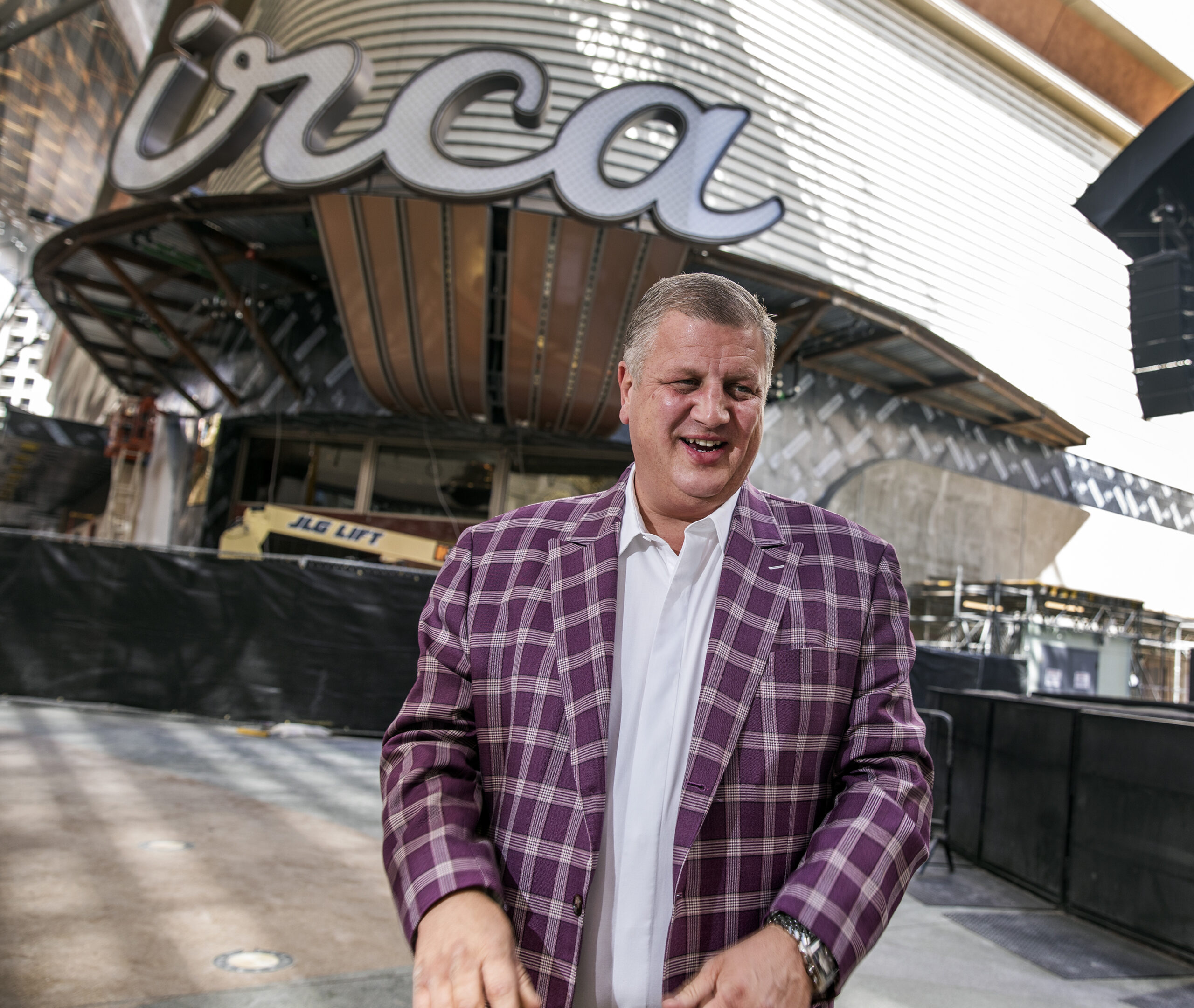
Downtown Las Vegas offers a different ownership dynamic. Properties like the Golden Nugget Las Vegas are owned by Landry’s Inc, led by Tilman Fertitta. Meanwhile, the Circa Resort and Casino, a modern marvel of downtown revitalization, represents a rare independent vision spearheaded by Derek Stevens. These operators often focus on a more localized, high-energy gaming experience that differentiates them from the sprawling resorts on the main boulevard.
REITs and the Financialization of Real Estate
A critical, often overlooked aspect of casino ownership is the distinction between “who operates the hotel” and “who owns the dirt.” In recent years, a massive trend in Las Vegas has been the sale-leaseback model.
The Rise of Real Estate Investment Trusts
Companies like Vici Properties and Gaming and Leisure Properties now own the actual real estate beneath many of the world’s most famous resorts. The operating companies (like MGM Resorts International) sign long-term lease agreements to continue running the casino and hotel floors.
This financial strategy allows the resort operators to offload the heavy burden of real estate asset management while focusing purely on their core competency: high-margin hospitality and gaming operations. It has fundamentally changed the risk profile of Las Vegas, creating a city where the “owners” of the physical landmarks are often institutional investors and pension funds rather than traditional hoteliers.
Cultural Impacts and Future Outlook
The consolidation of ownership in Las Vegas has had profound effects on the guest experience. By centralizing management, these corporations have streamlined the customer journey. Booking a room, arranging transportation to the Harry Reid International Airport, or securing tickets for a show at The Sphere or T-Mobile Arena is now easier than ever due to integrated digital platforms.
Innovation Through Consolidation
However, this trend also brings challenges regarding competition and pricing. With fewer independent players, the power to dictate room rates and resort fees is concentrated. Yet, it has also paved the way for massive investments in infrastructure that smaller entities could never afford. Projects like the expansion of the Las Vegas Convention Center benefit from the collaborative funding of these massive conglomerates, which view the city’s health as a collective priority.
As we look toward the future, the influence of Las Vegas continues to expand globally. The ownership models perfected here are being replicated in Singapore, Japan, and across Europe. While the names on the signage might change due to corporate mergers and acquisitions, the underlying reality remains the same: Las Vegas is a meticulously managed engine of global commerce. Whether you are staying at the Cosmopolitan of Las Vegas or the Resorts World Las Vegas, you are participating in a sophisticated, corporate-led experience that stands as a testament to the power of scale in the modern era of Nevada tourism.
LifeOutOfTheBox is a participant in the Amazon Services LLC Associates Program, an affiliate advertising program designed to provide a means for sites to earn advertising fees by advertising and linking to Amazon.com. Amazon, the Amazon logo, AmazonSupply, and the AmazonSupply logo are trademarks of Amazon.com, Inc. or its affiliates. As an Amazon Associate we earn affiliate commissions from qualifying purchases.