
The glittering skyline of Las Vegas is constantly evolving, a testament to audacious visions and the relentless pursuit of luxury and entertainment. Among its most anticipated recent additions is the striking blue-hued tower that now houses Fontainebleau Las Vegas. For years, this monumental structure stood as an enigmatic, unfinished landmark on the iconic Las Vegas Strip, a ghost of grand plans interrupted. Its journey from an abandoned shell to a fully realized five-star resort is a saga of ambition, financial turmoil, and ultimate triumph, making the question of “Who owns Fontainebleau Las Vegas?” far more complex and interesting than a simple answer might suggest.
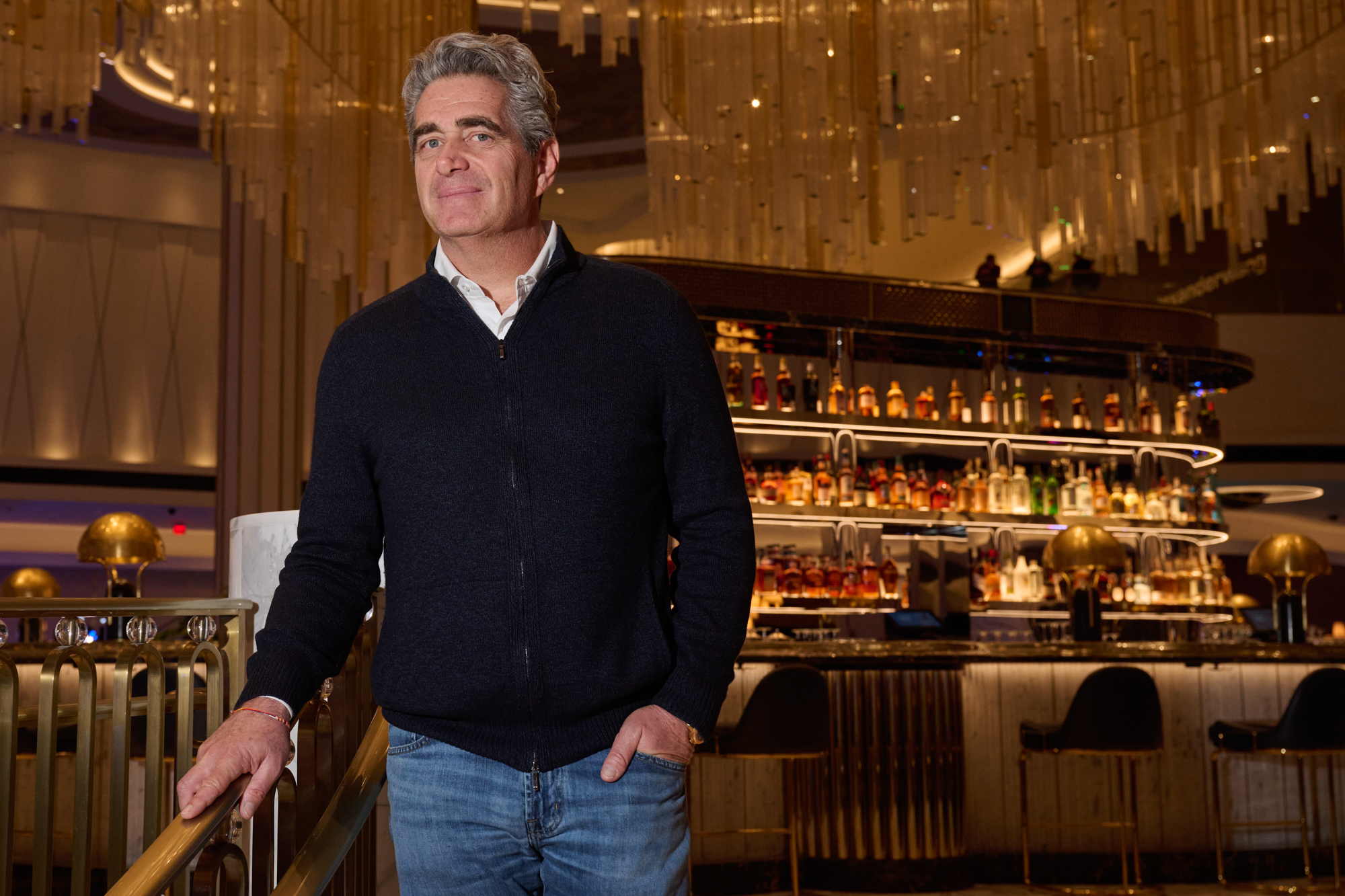
This article delves into the fascinating ownership history of this majestic property, from its initial conception to its current operation, exploring the various players who held its fate in their hands. We’ll examine the challenges faced, the vision that endured, and how its opening reshapes the landscape of travel, accommodation, and lifestyle experiences in the world’s entertainment capital.
The Resurgence and Current Ownership of Fontainebleau Las Vegas
After more than a decade of dormancy and multiple changes in ownership, the long-awaited Fontainebleau Las Vegas finally opened its doors in December 2023, marking a significant moment for the Las Vegas Strip and for its original visionary, Jeffrey Soffer. The property is currently owned by a partnership between Fontainebleau Development, led by Jeffrey Soffer, and Koch Real Estate Investments, the real estate arm of Koch Industries. This alliance brought the necessary capital and strategic expertise to finally complete the ambitious project.
A New Era for an Iconic Landmark
The return of Jeffrey Soffer to the helm of the Fontainebleau Las Vegas project is particularly noteworthy, as it signifies the fulfillment of his original vision. Soffer first conceived of building a sister property to his family’s legendary Fontainebleau Miami Beach resort in the mid-2000s, aiming to bring that iconic brand’s blend of luxury, design, and vibrant energy to the Nevada desert. After losing control of the project during the 2008 financial crisis, his reacquisition of the property in 2021, in partnership with Koch Real Estate Investments, was a remarkable full-circle moment.
The partnership with Koch Real Estate Investments was instrumental in securing the substantial funding required to complete the intricate construction and fit-out of the 67-story tower. This collaboration merged Fontainebleau Development’s deep expertise in luxury hospitality development and brand management with Koch’s robust financial backing and strategic investment capabilities. The completion involved meticulous planning and execution, transforming the long-standing skeletal structure into a beacon of modern luxury that now stands as the tallest occupiable building in Nevada.
The grand opening of Fontainebleau Las Vegas was met with immense excitement, not just from the hospitality industry but also from travelers and tourism enthusiasts globally. Its arrival signaled renewed confidence in the Las Vegas market and offered a fresh perspective on high-end accommodation and entertainment. The current ownership’s commitment to delivering a truly distinct and elevated experience underscores a new chapter for both the property and the city itself, reinforcing Las Vegas’s position as a premier global destination.
What the Current Ownership Means for Guests
The current ownership group’s vision for Fontainebleau Las Vegas is clearly focused on delivering an unparalleled guest experience rooted in luxury, sophistication, and a curated lifestyle. For visitors, this translates into an expansive array of world-class amenities and services designed to cater to every desire, whether for leisure, business, or a blend of both.
The resort features approximately 3,644 luxury hotel rooms and suites, each meticulously designed with contemporary aesthetics and comfort in mind. The accommodation options cater to a diverse range of preferences, from stylish standard rooms to opulent multi-bedroom suites, all equipped with state-of-the-art technology and breathtaking views of the Las Vegas Strip or the surrounding desert landscape. This commitment to superior accommodation aligns perfectly with the website’s focus on Hotels, Suites, and Resorts, offering guests a prime choice for their stay.
Beyond the rooms, Fontainebleau Las Vegas boasts an impressive 150,000-square-foot casino floor, a vibrant hub of gaming and excitement. The property also offers over 550,000 square feet of convention and meeting space, making it a significant draw for business travelers and large events, integrating the “Business Stays” aspect of lifestyle travel. Culinary enthusiasts can explore a diverse portfolio of over 36 food and beverage outlets, ranging from casual eateries to fine dining establishments helmed by renowned chefs, providing a crucial element of the Tourism experience related to “Food” and “Local Culture,” albeit a high-end interpretation.
The resort’s extensive amenities also include a sprawling 14-acre pool district, a luxurious 55,000-square-foot spa and fitness center, and a collection of high-end retail stores. For entertainment, guests have access to multiple live performance venues and dynamic nightlife options. This comprehensive offering is designed to differentiate Fontainebleau Las Vegas in the highly competitive Las Vegas market, ensuring that every aspect of the guest’s visit—from check-in to check-out—is imbued with the brand’s signature elegance and service. This commitment to a holistic, luxurious experience speaks directly to those seeking “Luxury Travel” and comprehensive “Experiences” on their journeys.
A Tumultuous History: The Road to Completion
The journey of Fontainebleau Las Vegas to its grand opening was anything but smooth. Its path was fraught with financial crises, changes in ownership, and a decade of uncertainty, turning it into one of the most talked-about, yet unfinished, projects in modern Las Vegas history.
The Original Vision and Early Challenges
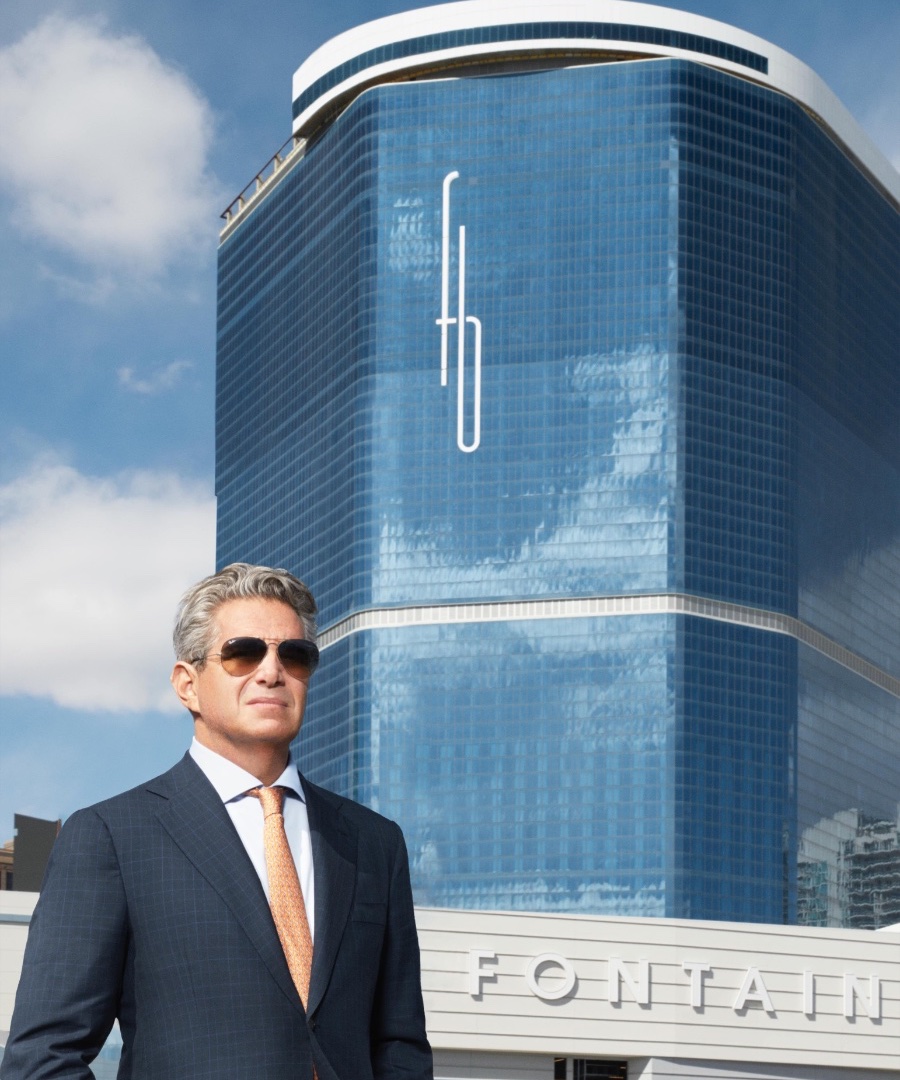
The story began in the mid-2000s when Jeffrey Soffer and his company, Fontainebleau Development, embarked on building a counterpart to their iconic Fontainebleau Miami Beach resort. The ambition was grand: a multi-billion dollar, 67-story hotel, casino, and convention complex designed to rival the Strip’s most prestigious properties. Construction began in 2007, with a vision to create a seamless blend of luxury accommodation, world-class entertainment, and expansive meeting facilities. The sleek, blue-glass tower quickly rose, becoming a prominent feature on the northern end of the Las Vegas Strip.
However, the ambitious project collided head-on with the devastating 2008 global financial crisis. As credit markets froze and tourism suffered, funding for the massive development dried up. Despite being approximately 70% complete, Fontainebleau Las Vegas filed for Chapter 11 bankruptcy protection in June 2009. This abrupt halt left the impressive structure as a stark reminder of economic downturns, an unfinished behemoth that loomed over the city, embodying dashed dreams and billions of dollars in invested capital. The bankruptcy proceedings were complex, involving numerous lenders and stakeholders, and ultimately led to the property being sold off at a significant discount.
A Carousel of Owners and Missed Opportunities
Following the bankruptcy, the unfinished Fontainebleau Las Vegas entered a protracted period of limbo, changing hands multiple times, each new owner attempting, but failing, to bring the project to fruition.
In 2010, billionaire investor Carl Icahn, through his company Icahn Enterprises, acquired the property for a mere $150 million. His strategy, typical of his investment style, was to buy distressed assets cheaply and hold them, waiting for market conditions to improve. During his ownership, the building remained largely untouched, sitting vacant for years, accumulating dust and earning the moniker “the big blue beast.” While Icahn profited from the eventual sale, he made no significant moves to complete the resort, further prolonging its state of incompletion and mystery. His tenure emphasized the challenges of reviving such a monumental project without substantial new capital injection or a clear operating vision.
In 2017, the property was sold again, this time to a partnership between the Witkoff Group and New Valley LLC, an investment vehicle of Howard Lorber’s Vector Group. This group had ambitious plans to rebrand the property as “Drew Las Vegas,” named after Witkoff CEO Steve Witkoff’s late son. They secured substantial financing and resumed construction with a targeted opening date. The “Drew Las Vegas” concept promised a sleek, contemporary resort experience, breathing new life into the stalled project.
However, just as significant progress was being made, the world was hit by the COVID-19 pandemic in early 2020. The ensuing global shutdown, travel restrictions, and economic uncertainty once again brought the project to a grinding halt. The financial markets seized up, rendering it impossible for the Witkoff Group to secure the remaining funds needed to complete construction. This unexpected and unprecedented global event forced them to abandon their efforts, placing the future of the tower in jeopardy yet again. It was at this critical juncture that Jeffrey Soffer saw an opportunity to reclaim his initial vision, leading to the current ownership structure and the ultimate completion of Fontainebleau Las Vegas.
The Fontainebleau Brand: A Legacy of Luxury and Design
The “Fontainebleau” name carries significant weight and a rich legacy within the hospitality industry, particularly in the United States. Its association with opulence, groundbreaking design, and a vibrant social scene is deeply rooted in its original incarnation, the Fontainebleau Miami Beach. Understanding this heritage is key to appreciating the vision behind Fontainebleau Las Vegas and its place in the modern luxury travel landscape.
From Miami Beach to Las Vegas: The Soffer Vision
The original Fontainebleau Miami Beach opened in 1954 and quickly became a symbol of post-war glamour and modernist architecture. Designed by the renowned architect Morris Lapidus, its curvilinear lines, expansive pool complex, and lavish interiors redefined luxury resort experiences. It hosted celebrities, politicians, and discerning travelers, becoming a cultural landmark on Miami Beach, Florida. The Soffer family, having a long-standing connection to the Miami hospitality scene, purchased the property and, after extensive renovations, restored it to its former glory.
Jeffrey Soffer’s decision to bring the Fontainebleau brand to Las Vegas was not merely a business expansion; it was an homage to this legacy and an ambition to replicate its unique blend of sophistication and lifestyle on the West Coast. The architectural cues of Fontainebleau Las Vegas, particularly its sleek, curved lines and signature blue glass facade, deliberately echo the timeless elegance of its Miami predecessor. The interior design, too, reflects a contemporary interpretation of the classic Fontainebleau style, emphasizing spaciousness, natural light, and a high-end, yet inviting, aesthetic. This continuity in brand identity aims to attract a clientele that appreciates both history and cutting-edge luxury, offering an experience that stands apart in the diverse Las Vegas market. For those interested in Landmarks and Architecture, the design itself becomes a destination.
The Future Impact on Las Vegas Tourism
The opening of Fontainebleau Las Vegas represents more than just another hotel on the Strip; it signifies a significant enhancement to the overall Las Vegas tourism landscape. Positioned at the northern end of the Strip, it contributes to revitalizing that area, creating a new anchor for development and visitor activity. Its presence intensifies competition among luxury resorts, which often leads to innovation and improved offerings across the board, benefiting tourists through better services, diverse attractions, and unique experiences.
Fontainebleau Las Vegas is poised to attract a global demographic seeking an elevated travel experience. Its extensive amenities, from world-class dining and high-end shopping to sophisticated entertainment and state-of-the-art convention facilities, cater to both leisure and business travelers. It adds another dimension to the city’s already rich tapestry of options for “Travel,” “Destinations,” and “Experiences,” offering a fresh choice for “Accommodation” and “Luxury Travel.” The success of Fontainebleau Las Vegas will undoubtedly play a crucial role in shaping future tourism trends, encouraging further investment and development, and solidifying Las Vegas’s reputation as a dynamic and ever-evolving hub for global visitors. Its story, from an unfinished dream to a dazzling reality, is a compelling narrative of resilience and vision in the world of hospitality.
The journey of Fontainebleau Las Vegas from a grand ambition to a completed luxury resort is a microcosm of Las Vegas’s own spirit: one of constant reinvention and the pursuit of the extraordinary. Its ownership history, marked by both soaring hopes and crushing setbacks, underscores the immense challenges and rewards inherent in developing a landmark property on the world stage. Today, under the steady guidance of Jeffrey Soffer’s Fontainebleau Development and the robust financial backing of Koch Real Estate Investments, Fontainebleau Las Vegas stands not just as a monument of architectural prowess, but as a testament to perseverance. It is now a vibrant destination offering a luxurious blend of hotel, casino, dining, and entertainment, ready to welcome travelers from around the globe and etch its own indelible mark into the lore of the Las Vegas Strip.
LifeOutOfTheBox is a participant in the Amazon Services LLC Associates Program, an affiliate advertising program designed to provide a means for sites to earn advertising fees by advertising and linking to Amazon.com. Amazon, the Amazon logo, AmazonSupply, and the AmazonSupply logo are trademarks of Amazon.com, Inc. or its affiliates. As an Amazon Associate we earn affiliate commissions from qualifying purchases.