
The island of Lanai, often dubbed “Pineapple Isle” or “Hawaii’s Most Secluded Island,” holds a distinctive place within the Hawaiian archipelago. Unlike its more bustling neighbors, Lanai exudes an air of serene exclusivity, a reputation largely shaped by its unique ownership structure. For curious travelers, potential residents, or those simply fascinated by the dynamics of land ownership in paradise, the question “Who owns Lanai?” unveils a fascinating story of ambition, vision, and the delicate balance between preservation and progress.
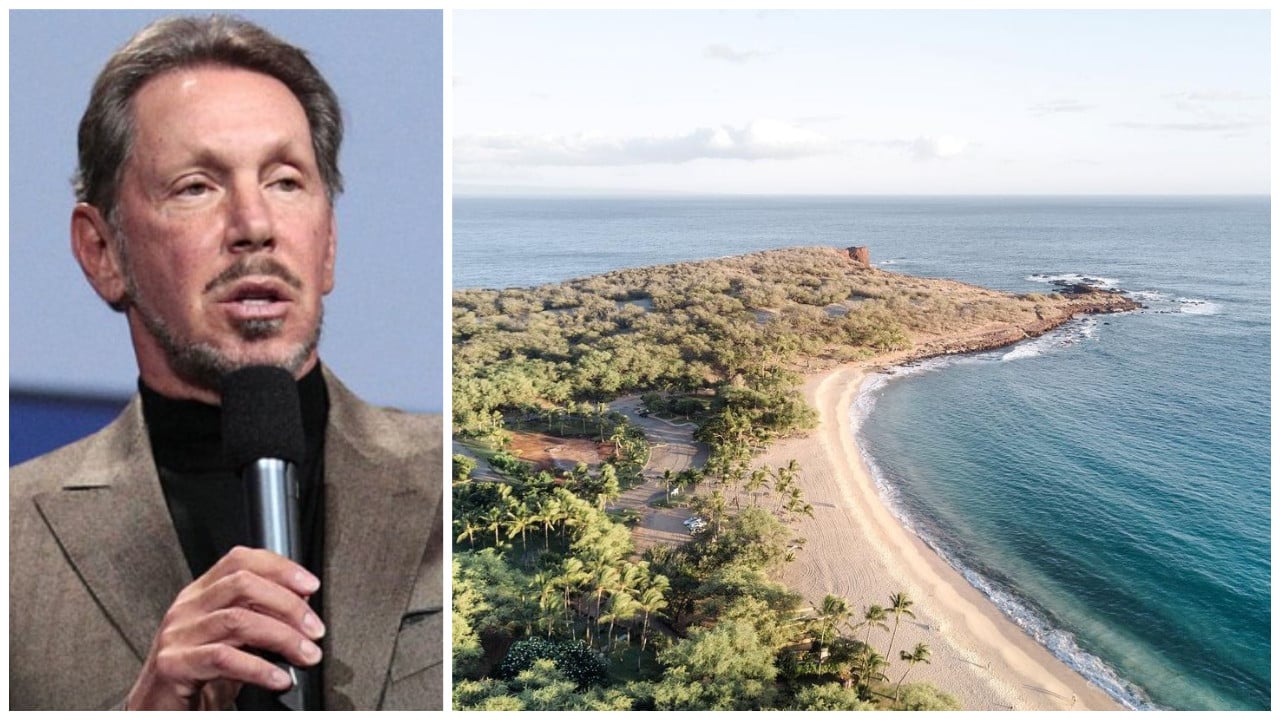
Today, the vast majority of Lanai—approximately 98% of its 90,000 acres—is owned by tech billionaire Larry Ellison, co-founder of Oracle Corporation. His acquisition in 2012 marked a pivotal moment in the island’s history, shifting its trajectory from a former pineapple plantation to a burgeoning hub for sustainable living, luxury tourism, and innovative wellness. While a small percentage of the island, including certain residential properties and public lands, remains privately or government-owned, Ellison’s influence is undeniably pervasive, shaping everything from the island’s infrastructure to its tourism offerings and long-term ecological goals. This singular ownership model sets Lanai apart, presenting both unique opportunities and complex challenges for its residents and visitors alike.
The Shifting Tides of Ownership: A Brief History of Lanai
The story of Lanai’s ownership is a microcosm of Hawaii’s broader history, reflecting centuries of cultural evolution, economic shifts, and colonial influence. Before European contact, Lanai was home to a vibrant native Hawaiian population, governed by chiefs and deeply connected to the land and sea. Its lush valleys and fertile plateaus supported a self-sufficient community, living in harmony with the island’s natural resources. While often overshadowed by larger islands like Maui and Oahu in historical accounts, Lanai played a significant role in the ancient Hawaiian Kingdom, particularly as a hunting ground and strategic outpost.
The arrival of missionaries and Western entrepreneurs in the 19th century began to fundamentally alter this traditional relationship with the land. Early attempts at ranching and agricultural development emerged, but it was the vision of one man that would dramatically reshape Lanai’s destiny for nearly a century.
From Pineapple Kingdom to Private Paradise
In 1922, James Dole, founder of the Hawaiian Pineapple Company (later Dole Food Company), purchased virtually the entire island for a mere $1.1 million. His ambitious plan was to transform Lanai into the world’s largest pineapple plantation. This monumental undertaking involved clearing vast tracts of land, developing irrigation systems, and importing thousands of laborers, primarily from the Philippines, to work the fields. The company built Lanai City as a master-planned community to house its workforce, complete with a general store, a movie theater, and a hospital. For decades, Lanai flourished as the “Pineapple Isle,” supplying a significant portion of the world’s canned pineapple. The island’s economy, infrastructure, and social fabric were intricately woven into the operations of the Dole company.
However, by the late 20th century, changing global economics and increasing labor costs led to the decline of the pineapple industry in Hawaii. In 1985, Dole Food Company sold its Lanai holdings to David Murdock, a billionaire who then owned Castle & Cooke. Murdock shifted the island’s focus from agriculture to high-end tourism, developing two luxurious resorts: the Manele Bay Hotel (now Four Seasons Resort Lanai) and the Lodge at Koele (now Sensei Lanai, a Four Seasons Resort). This transformation laid the groundwork for Lanai’s current identity as a luxury destination, but it also sparked discussions about the island’s future and the impact of exclusive development on local culture and environment.
Larry Ellison’s Vision: The Transformation of a Hawaiian Island
The sale of 98% of Lanai to Larry Ellison in 2012 for an estimated $300 million was one of the most significant private land deals in Hawaii’s history. Ellison’s acquisition was not merely a real estate transaction; it was an investment in a grand vision to transform the island into a model of sustainable living, technological innovation, and ultra-luxury tourism. His company, Pulama Lanai, now manages the vast majority of the island’s operations, from utilities and infrastructure to conservation efforts and economic development.
Acquiring the “Pineapple Isle”
Ellison’s interest in Lanai reportedly stemmed from a desire to create a unique haven where he could pursue his passions for environmental conservation, health, and technological advancement. While the purchase price was substantial, the real investment has been in the ongoing development and management of the island. Pulama Lanai has undertaken numerous initiatives, signaling a departure from traditional resort development to a more integrated, holistic approach to island management. This includes significant upgrades to existing infrastructure, investment in renewable energy projects, and a focus on ecological restoration. The acquisition positioned Lanai at the forefront of a new kind of destination, where privacy, luxury, and a commitment to the environment are paramount.
A Focus on Sustainability and Innovation
Under Ellison’s ownership, Lanai has become a living laboratory for sustainable practices. Pulama Lanai has invested heavily in converting the island’s energy grid to solar power, reducing its reliance on fossil fuels. Desalination plants have been established to create fresh water, addressing one of the most critical challenges for island communities. Agricultural initiatives are exploring hydroponics and organic farming to increase local food production and reduce imports. The vision extends to creating a smart island, where technology is seamlessly integrated to enhance efficiency and quality of life for residents and visitors.
Beyond environmental sustainability, Ellison has also shown a keen interest in health and wellness. The transformation of the former Lodge at Koele into Sensei Lanai, a Four Seasons Resort, exemplifies this. This exclusive wellness retreat combines luxury accommodation with personalized health programs, guided by leading experts and incorporating innovative technology. It represents a significant pillar of Ellison’s vision: to make Lanai a destination not just for relaxation, but for profound personal transformation and optimal living.
Experiencing Ellison’s Lanai: Tourism, Luxury, and Local Life

The unique ownership model of Lanai has profoundly shaped its tourism landscape, creating an experience distinct from any other island in Hawaii. For travelers seeking an escape from the crowds, a profound connection with nature, and unparalleled luxury, Lanai offers an enticing proposition.
World-Class Resorts and Exclusive Experiences
At the heart of Lanai’s luxury tourism are its two premier resorts: the Four Seasons Resort Lanai and Sensei Lanai, a Four Seasons Resort. The Four Seasons Resort Lanai, perched above the pristine sands of Hulopoe Bay, offers breathtaking ocean views, world-class dining, and an array of activities from golf at the Jack Nicklaus-designed Manele Golf Course to snorkeling in a marine sanctuary. Its emphasis is on refined indulgence and personalized service, attracting a discerning clientele.
Sensei Lanai, nestled amidst the lush uplands, provides a holistic approach to well-being. Guests engage in customized itineraries focused on movement, nourishment, and mindfulness, guided by Sensei Guides and practitioners. This focus on personalized wellness epitomizes the “lifestyle” aspect of Lanai’s offerings, appealing to those who view travel as an opportunity for self-improvement and rejuvenation. Beyond these opulent retreats, the historic Hotel Lanai in Lanai City offers a more quaint and accessible accommodation option, providing a glimpse into the island’s charming past.
Visitors to Lanai can explore natural landmarks such as the otherworldly rock formations of Garden of the Gods (Keahiakawelo), the stark beauty of Shipwreck Beach (Kaiolohia) with its historic naval wreck, and the protected marine life of Hulopoe Bay. Off-roading, hiking, horseback riding, and ocean activities are popular, all managed with a keen eye toward environmental impact and guest experience. The curated nature of these experiences reflects Pulama Lanai’s commitment to maintaining the island’s pristine character while offering exceptional adventure.
Preserving Nature and Culture
Under Larry Ellison’s stewardship, there’s a strong emphasis on conservation and environmental restoration. Pulama Lanai actively manages invasive species, replants native flora, and supports marine conservation efforts. This dedication to preserving Lanai’s natural beauty aligns perfectly with the “landmarks” and “nature” aspects of travel, ensuring that the island remains a breathtaking destination for generations to come. The goal is to not only maintain the island’s ecological integrity but also to enhance it, demonstrating how a private entity can invest significantly in environmental stewardship.
The local culture of Lanai is also a vital component of its identity. Despite the influx of luxury tourism, Lanai City retains its small-town charm, serving as the cultural and economic hub for the island’s permanent residents. Here, visitors can experience local restaurants, shops, and a sense of community that harks back to the island’s pineapple era. Pulama Lanai works with residents to ensure that development respects the island’s unique heritage and that economic benefits extend to the local population.
Daily Life for Residents
For the approximately 3,000 residents of Lanai, Ellison’s ownership presents a complex reality. While his investment has brought significant infrastructure improvements, job opportunities, and a more stable economy, it also raises questions about affordability, access, and the future of the island’s traditional way of life. Many residents work directly for Pulama Lanai or the resorts, making the island’s primary owner also its largest employer.
The housing market, once more accessible, has seen pressures due to new developments and the desirability of the island. However, Pulama Lanai has also initiated programs to support local businesses, enhance public spaces, and invest in community services, attempting to strike a balance between high-end development and the needs of its long-term residents. The island’s intimate size fosters a strong sense of community, and despite the profound changes, the spirit of aloha endures.
Lanai’s Tomorrow: A Vision for a Sustainable and Innovative Future
The future of Lanai under Larry Ellison’s ownership is one of ambitious innovation and a deep commitment to sustainability. His vision extends beyond simply operating luxury resorts; it encompasses the creation of an entirely new paradigm for island living and tourism.
One of the most exciting aspects is the continued push towards energy independence and ecological restoration. Ellison’s goal is for Lanai to become a net-zero energy island, powered entirely by renewable sources. This includes expanding solar farms, exploring other green energy technologies, and implementing smart grid systems. Furthermore, efforts to reforest native plants, protect marine ecosystems, and manage water resources sustainably are ongoing, aiming to make Lanai a global leader in environmental stewardship.
In terms of lifestyle and health, the success of Sensei Lanai indicates a growing trend towards bespoke wellness travel. Ellison and his team are likely to continue developing offerings that blend cutting-edge health science with the serene beauty of the island, attracting a clientele interested in profound personal growth and longevity. This could include further integrating technology into daily life and health monitoring, creating a truly futuristic yet natural environment.
Economically, the island will likely continue to diversify beyond pure tourism, exploring sustainable agriculture and perhaps even becoming a hub for certain types of technology or research related to its sustainability goals. The aim is to create a robust and resilient economy that benefits both the island’s primary owner and its permanent community. The careful management of development, ensuring it harmonizes with the island’s natural environment and cultural heritage, remains a critical aspect of this long-term vision.
In conclusion, the answer to “Who owns Lanai, Hawaii?” is Larry Ellison, but the implications of this ownership run far deeper than a simple name. It represents a bold experiment in island management, where vast private resources are channeled into creating a unique destination that blends ultra-luxury experiences with an ambitious vision for environmental sustainability, technological innovation, and holistic well-being. As Lanai continues to evolve under this singular stewardship, it offers a compelling case study for the future of travel, accommodation, and lifestyle on an increasingly interconnected yet delicate planet. It remains a secluded gem, truly a destination unlike any other in the Hawaiian Islands.
LifeOutOfTheBox is a participant in the Amazon Services LLC Associates Program, an affiliate advertising program designed to provide a means for sites to earn advertising fees by advertising and linking to Amazon.com. Amazon, the Amazon logo, AmazonSupply, and the AmazonSupply logo are trademarks of Amazon.com, Inc. or its affiliates. As an Amazon Associate we earn affiliate commissions from qualifying purchases.