
Lanai, often referred to as the “Pineapple Isle,” is the sixth-largest island in the Hawaiian archipelago. Shrouded in an aura of exclusivity and natural beauty, it presents a unique proposition for those seeking an escape from the ordinary. Unlike its more bustling neighbors, Lanai has carved out a niche as a sanctuary for privacy and refined experiences. This tranquility, however, is not accidental; it’s a deliberate outcome of its ownership structure and the vision guiding its development. Understanding who owns Lanai is key to unlocking the island’s story, from its historical pineapple plantations to its current standing as a luxury destination.
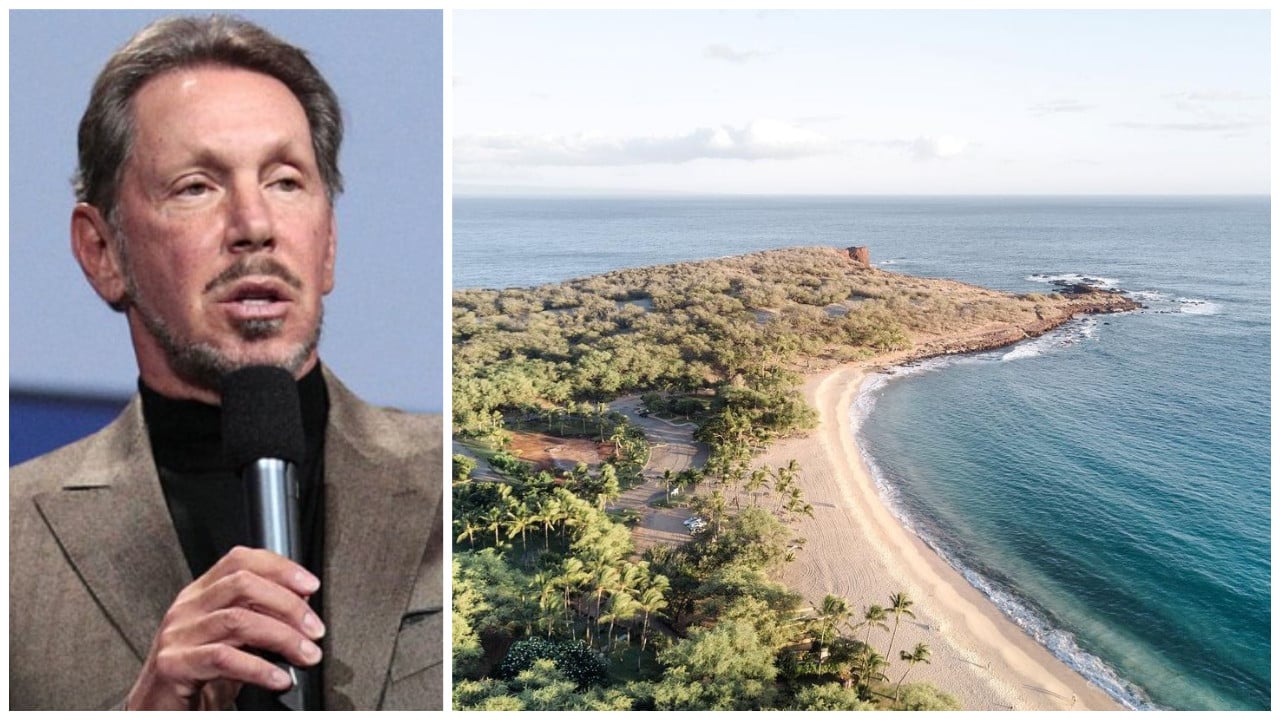
The island’s journey through different ownership hands has shaped its character. From the days of extensive pineapple farming under Castle & Cooke to its present stewardship, each phase has left an indelible mark. Today, Lanai is predominantly owned by a single entity, a factor that significantly influences its development, preservation efforts, and the type of experiences available to visitors. This concentrated ownership allows for a cohesive strategy in managing the island’s resources and presenting a singular vision for its future, particularly in the realm of tourism and exclusive travel.
A History of Ownership and Transformation
The narrative of Lanai’s ownership is intrinsically linked to its economic evolution. For much of the 20th century, the island was synonymous with pineapple cultivation, a venture that defined its landscape and provided a livelihood for many. This era was dominated by a single company, which effectively ran the island as a company town. The transformation from an agricultural powerhouse to a luxury resort destination is a testament to foresight and significant investment.
The Pineapple Era: Castle & Cooke’s Dominance
For over 80 years, the island of Lanai was overwhelmingly owned and operated by Castle & Cooke. This iconic company, a major player in Hawaiian agriculture, transformed Lanai into the world’s largest pineapple plantation. From the 1920s to the early 2000s, the company’s influence was pervasive, dictating the island’s economy, infrastructure, and social fabric. The vast expanses of land dedicated to growing pineapples shaped the island’s verdant, albeit monocultural, landscape. Life on Lanai during this period revolved around the plantation. The majority of the island’s residents were employed by Castle & Cooke, living in company-provided housing and relying on the company for essential services. This created a unique, self-contained community where the rhythms of life were dictated by the planting and harvesting seasons.
The company’s control extended beyond agriculture. It managed the island’s utilities, the single hotel, and even the roads. While this fostered a sense of unity and purpose, it also meant that Lanai developed differently from other Hawaiian islands, with a singular focus on its agricultural output. The iconic image of endless pineapple fields became synonymous with the island, a legacy that persists even after the agricultural era has waned. The economic shifts in the global fruit market, however, began to challenge the viability of large-scale pineapple farming in the late 20th century. This led to a gradual winding down of the operations that had defined Lanai for generations.
The Larry Ellison Acquisition: A New Vision
The significant shift in Lanai’s ownership came in 2012 when Larry Ellison, co-founder of Oracle Corporation, purchased approximately 98% of the island from Castle & Cooke. This monumental acquisition marked the end of an era and the dawn of a new chapter for Lanai. Ellison‘s vision for the island was not one of agricultural production, but rather one of sustainable luxury and exclusive tourism. His stated aim was to preserve the island’s natural beauty while developing world-class resorts and amenities, focusing on eco-friendly practices and a high-end visitor experience.
The acquisition was a complex transaction, involving significant investment and a clear strategy for the island’s future. Ellison‘s ownership brought a different kind of development philosophy, one that emphasizes conservation, innovation, and an unparalleled guest experience. This new direction has led to extensive renovations and enhancements of existing properties, as well as the development of new infrastructure aimed at supporting a discerning clientele. The impact of this singular ownership is palpable, shaping the island’s trajectory towards becoming a premier destination for luxury travel and secluded getaways.
Lanai’s Transformation into a Luxury Destination
Under Larry Ellison‘s ownership, Lanai has undergone a remarkable transformation. The focus has shifted from agricultural output to providing an exclusive, high-end travel experience that blends luxurious accommodations with the island’s natural splendor. This strategic pivot has re-envisioned Lanai as a destination for discerning travelers seeking privacy, tranquility, and unique activities.
The Resorts: Pillars of Lanai’s Luxury Appeal
Central to Lanai‘s metamorphosis are its two primary luxury resorts, both now under the umbrella of Pulama Lanai, Ellison‘s development company. These resorts offer distinct, yet equally opulent, experiences, catering to different preferences while maintaining the island’s exclusive ambiance.
Four Seasons Resort Lanai at Manele Bay
The Four Seasons Resort Lanai at Manele Bay is a prime example of Lanai‘s renewed luxury appeal. Perched on a cliff overlooking the azure waters of Manele Bay, this resort underwent a significant renovation under Ellison‘s guidance. The transformation aimed to elevate its already impressive offerings, infusing a modern, sophisticated aesthetic while respecting the natural surroundings. The resort boasts beautifully appointed rooms and suites, world-class dining options, an expansive spa, and direct access to a stunning beach. Its location provides breathtaking ocean views and a sense of serene seclusion, making it a sought-after destination for couples and families looking for a peaceful retreat.
The amenities at the Four Seasons Resort Lanai at Manele Bay are designed to immerse guests in the island’s natural beauty and provide a range of leisure activities. This includes access to championship golf courses, horseback riding, and various water sports. The resort’s commitment to service excellence, a hallmark of the Four Seasons brand, ensures a seamless and memorable stay for every guest. The careful integration of the resort with the coastal landscape minimizes its environmental impact, aligning with the broader vision for Lanai‘s sustainable development.

Sensei Lanai, A Four Seasons Resort
Formerly The Lodge at Koele, Sensei Lanai, A Four Seasons Resort offers a different, yet equally luxurious, experience on the island. Situated inland amidst lush gardens and rolling hills, this resort focuses on wellness, rejuvenation, and mindful exploration. The transformation into Sensei Lanai by Larry Ellison and Dr. David Agus (co-founder of Sensei) brought a distinct emphasis on health and well-being, offering personalized programs, spa treatments, and unique wellness experiences.
This resort provides a tranquil sanctuary for those seeking to disconnect and recharge. The accommodations are designed for comfort and relaxation, and the surrounding landscape offers opportunities for quiet contemplation and gentle activities. Guests can explore the island’s natural wonders through guided hikes, horseback riding, or simply by enjoying the serene ambiance of the property. Sensei Lanai represents Lanai‘s commitment to providing holistic luxury experiences that cater to both physical and mental well-being, further solidifying its status as a premier destination for discerning travelers.
Experiencing Lanai: Beyond the Resorts
While the luxury resorts are central to the Lanai experience, the island offers a wealth of activities and attractions that allow visitors to connect with its unique character and natural environment. The concentrated ownership has allowed for a curated approach to tourism, ensuring that development complements, rather than detracts from, the island’s intrinsic appeal.
Nature and Adventure
Lanai’s relatively undeveloped landscape provides ample opportunities for outdoor exploration. Visitors can embark on guided off-road adventures to discover hidden coves and dramatic geological formations. The island’s diverse terrain, from its rugged coastlines to its central highlands, offers a variety of scenic vistas and hiking trails. Activities like snorkeling and diving in the clear waters surrounding the island reveal vibrant marine life, with popular spots like Hulopo’e Bay teeming with colorful fish and sea turtles.
For those seeking land-based adventures, horseback riding through the pine forests or along the coast offers a unique perspective of the island. The island’s relatively small size means that many of its natural wonders are accessible, allowing for a more intimate exploration compared to larger, more tourist-trodden islands. The focus on preserving the natural environment is evident in the managed access to these areas, ensuring their protection for future generations.
Local Culture and Exploration
While Lanai is a sanctuary of luxury, it also retains its authentic charm and cultural heritage. The main town, Lanai City, offers a glimpse into the island’s past, with its historic buildings and a slower pace of life. Visitors can explore local shops, art galleries, and enjoy the authentic Hawaiian cuisine at local eateries. Engaging with the local community provides a deeper understanding of the island’s history and its people.
The island’s cultural narrative is also woven into its landscape. Ancient Hawaiian sites and petroglyphs can be found in various locations, offering a connection to the island’s rich history. The efforts to preserve these historical landmarks are a testament to the commitment to maintaining the island’s cultural integrity. Experiencing Lanai is not just about indulging in luxury; it’s also about appreciating its history, its natural beauty, and the unique lifestyle it offers.
The Future of Lanai: Sustainability and Exclusive Tourism
The future of Lanai is intrinsically tied to its current ownership structure and the vision for its development. The concentrated ownership by Larry Ellison provides a unique opportunity to implement a long-term, cohesive strategy that balances economic growth with environmental preservation and the maintenance of the island’s exclusive appeal.
Sustainable Development and Preservation Efforts
A core tenet of Larry Ellison‘s vision for Lanai is sustainable development. This involves integrating eco-friendly practices into all aspects of the island’s operations, from energy consumption to waste management. The resorts are designed with environmental considerations in mind, and efforts are underway to protect the island’s delicate ecosystems. Initiatives to preserve the natural habitats, protect marine life, and minimize the carbon footprint are integral to the island’s long-term strategy.
This commitment to sustainability is not merely a trend but a fundamental aspect of how Lanai is managed. The aim is to ensure that the island remains a pristine paradise, offering a high-quality experience without compromising its natural heritage. This approach is crucial for maintaining the allure of Lanai as an exclusive destination, appealing to a clientele that values both luxury and responsible tourism.
Maintaining Exclusivity and High-End Experiences
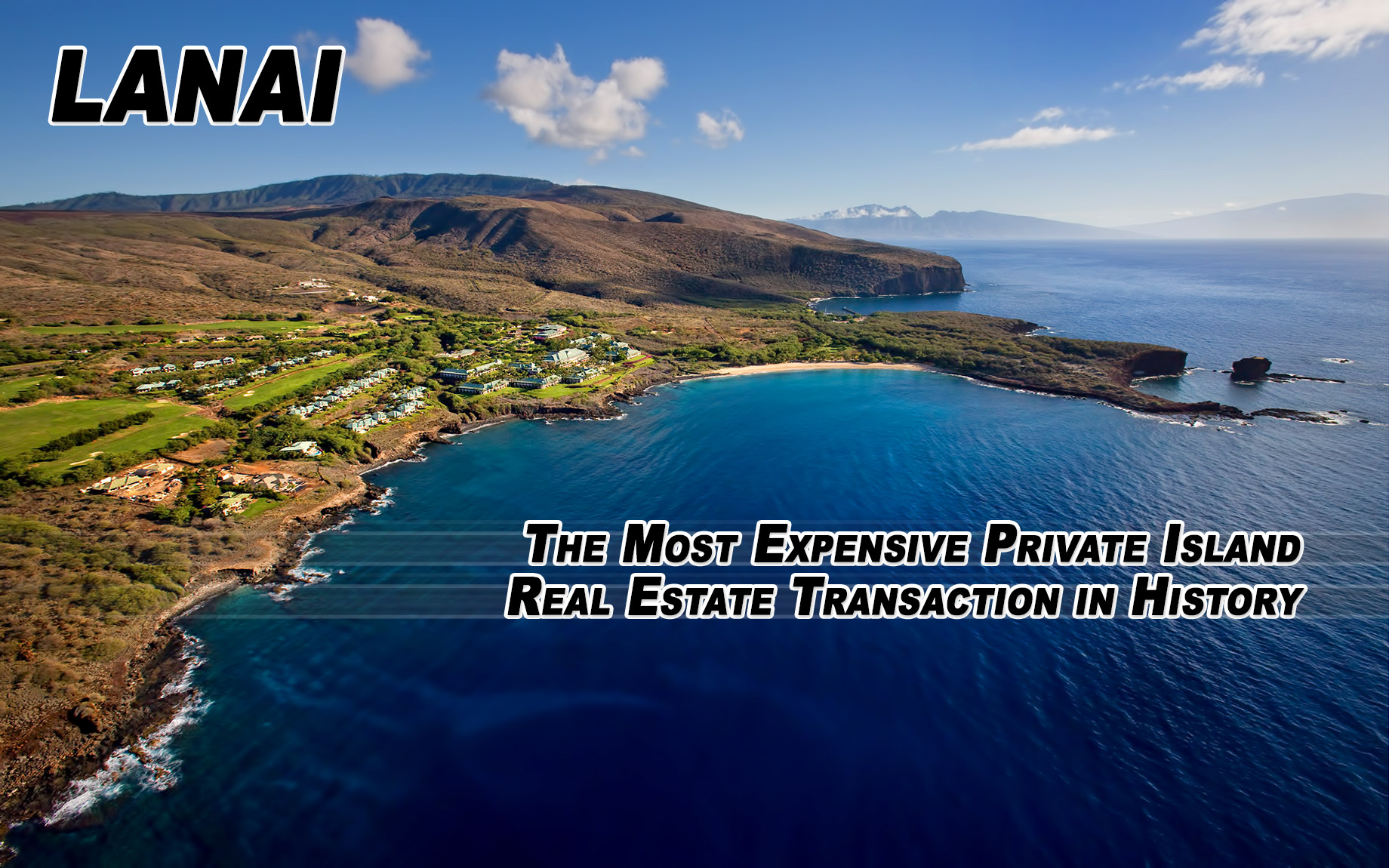
Lanai has deliberately positioned itself as an exclusive destination, and this characteristic is expected to be a cornerstone of its future. The limited number of high-end resorts, coupled with the island’s remote location and concentrated ownership, naturally curates a visitor demographic seeking privacy and tranquility. This strategy allows for a more controlled and personalized visitor experience, distinct from mass tourism.
The ongoing development and enhancement of the luxury resorts, along with curated activities and experiences, will continue to define Lanai’s brand. The island aims to offer unparalleled service, unique adventures, and a serene escape, attracting those who appreciate the finer things and seek an authentic, yet exclusive, Hawaiian experience. The future of Lanai appears set to reinforce its reputation as a secluded haven of luxury, natural beauty, and thoughtful stewardship, all orchestrated by its singular owner.
LifeOutOfTheBox is a participant in the Amazon Services LLC Associates Program, an affiliate advertising program designed to provide a means for sites to earn advertising fees by advertising and linking to Amazon.com. Amazon, the Amazon logo, AmazonSupply, and the AmazonSupply logo are trademarks of Amazon.com, Inc. or its affiliates. As an Amazon Associate we earn affiliate commissions from qualifying purchases.