
The skyline of Las Vegas is a glittering testament to architectural ambition and economic evolution. Once a dusty stopover in the Nevada desert, the city has transformed into a global collection of landmarks, each more extravagant than the last. For decades, the question of who owns these monuments to entertainment was answered with names of notorious mobsters or eccentric billionaires like Howard Hughes. However, the modern era of the United States gambling capital is defined by a complex web of multinational corporations, real estate investment trusts, and private equity firms. Understanding the ownership of these landmarks is essential to understanding how the city functions as a pinnacle of global tourism and architecture.
The Duopoly of the Strip: MGM Resorts International and Caesars Entertainment
When visitors walk down the Las Vegas Strip, they are often unaware that the vast majority of the landmarks they see are controlled by just two corporate entities. This consolidation has turned the city into a highly organized ecosystem where brands are positioned to capture different segments of the market.
The MGM Resorts International Empire
MGM Resorts International is arguably the most influential player in the city. Their portfolio includes some of the most recognizable landmarks in the world. The Bellagio, with its iconic fountains and Mediterranean-inspired architecture, serves as their crown jewel. Nearby, the MGM Grand stands as a massive emerald-green monument to the golden age of cinema.
Beyond these, MGM Resorts International manages a diverse array of properties including Mandalay Bay, Luxor—famous for its pyramid shape and the world’s strongest light beam—and Excalibur, which mimics a medieval castle. They also own the contemporary Aria Resort & Casino and Vdara Hotel & Spa within the CityCenter complex, reflecting a shift toward modern, glass-heavy architectural styles. Recent acquisitions, such as the operations of The Cosmopolitan of Las Vegas, have further solidified their dominance over the southern end of the Strip.
The Caesars Entertainment Legacy
The other titan of the desert is Caesars Entertainment. This company was formed through a massive merger with Eldorado Resorts, creating a behemoth that rivals MGM in scale. Their flagship property, Caesars Palace, remains one of the most famous landmarks in the United States, known for its Roman-themed grandeur and historical significance in the evolution of the mega-resort.
The Caesars portfolio also includes the Flamingo, the oldest resort still operating on the Strip, which provides a pink-hued link to the city’s mid-century past. Other major landmarks under their umbrella include Paris Las Vegas, famous for its half-scale replica of the Eiffel Tower, and Planet Hollywood. By controlling The Linq and the High Roller observation wheel, Caesars has redefined the center of the Strip as a pedestrian-friendly hub of modern activity.
Independent Icons and International Players
While the “Big Two” control a significant portion of the real estate, several independent owners and international firms maintain a strong presence, often focusing on high-end luxury or specific cultural niches.
Wynn Resorts and the Vision of Steve Wynn
Wynn Resorts operates two of the most elegant landmarks in the city: Wynn Las Vegas and Encore. These copper-clad towers are frequently cited as the pinnacle of luxury architecture in Nevada. Unlike the themed resorts of the 1990s, the Wynn properties focus on internal beauty, lush floral displays, and high-end art installations. Though the founder, Steve Wynn, is no longer with the company, the brand continues to set the standard for the “landmark” experience in the premium market.
The Venetian and the Shift to Private Equity
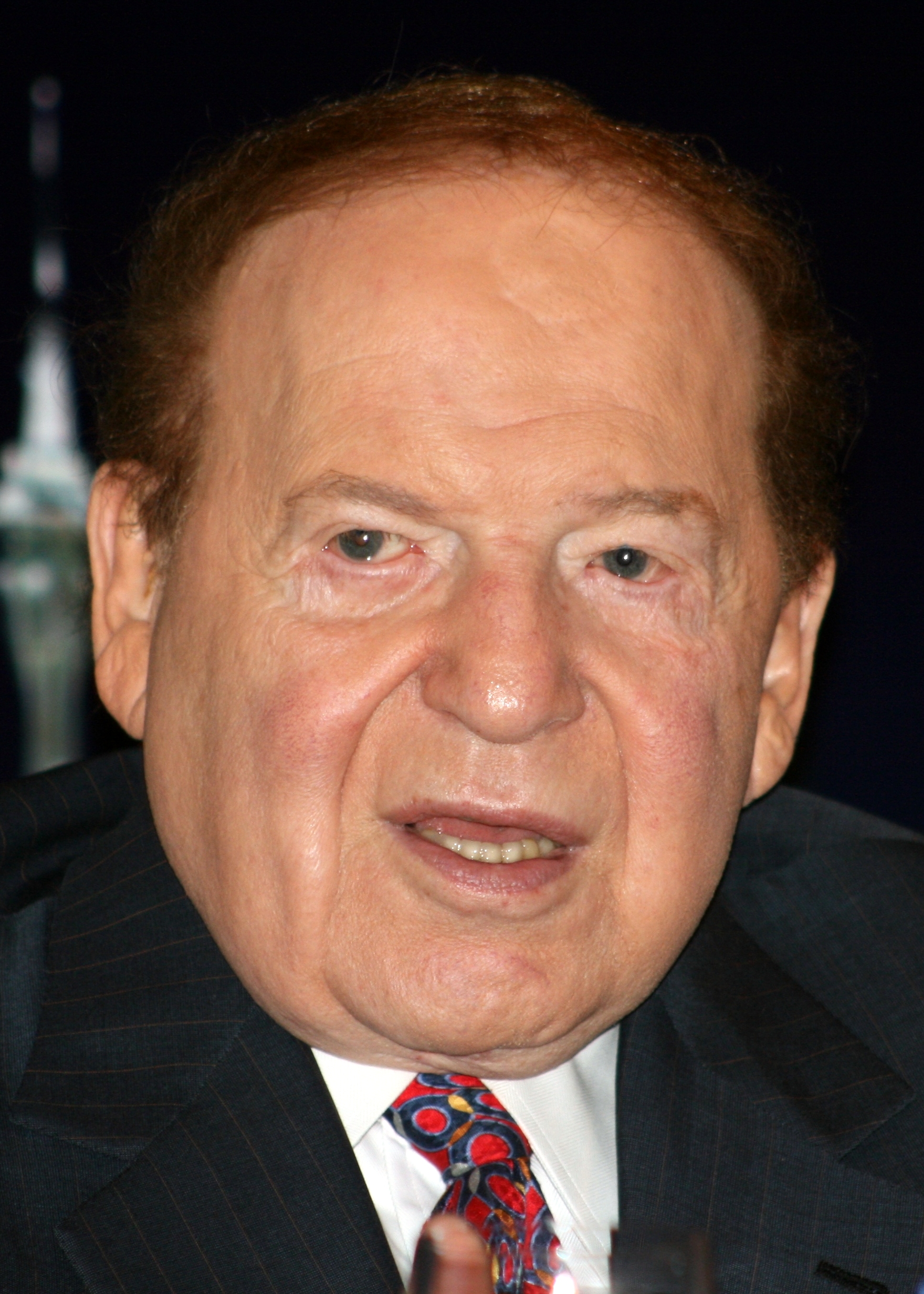
One of the most significant ownership shifts in recent years involved The Venetian Resort Las Vegas and its sister property, The Palazzo. Originally built by Sheldon Adelson and Las Vegas Sands, these landmarks—famous for their indoor canals and Renaissance-inspired design—were sold following Adelson’s passing. Today, the operations are managed by Apollo Global Management, while the physical land and buildings are owned by a real estate investment trust. This transaction marked the exit of Las Vegas Sands from the United States market as they shifted their focus to Macau and Singapore.
Genting Group and Resorts World Las Vegas
The newest landmark to grace the Strip is Resorts World Las Vegas. Owned by the Malaysia-based Genting Group, this massive red-toned complex represents the first major ground-up resort built in Las Vegas in over a decade. It brings an international flair to the city, integrating advanced technology and a massive LED screen that has become a visual landmark in its own right on the north end of the boulevard.
The Rise of the Landlords: Real Estate Investment Trusts (REITs)
A revolutionary change in the ownership of Las Vegas landmarks is the separation of the business (the casino operations) from the physical assets (the land and buildings). This “asset-light” strategy has introduced new players into the fold who act as landlords for the world’s most famous casinos.
VICI Properties: The Landlord of the Strip
VICI Properties is a real estate investment trust that has quietly become one of the largest landowners in America. Following a series of massive acquisitions, VICI Properties now owns the underlying real estate of many Caesars Entertainment and MGM Resorts International properties. When you visit Caesars Palace or The Venetian, you are technically standing on land owned by VICI. They do not run the slots or the hotels; they simply collect the rent, ensuring that these landmarks remain profitable even as the operators change.
Blackstone Group and Strategic Investments
The Blackstone Group, a massive private equity firm based in New York City, has also played a pivotal role. They famously purchased and later sold The Cosmopolitan of Las Vegas for a record-breaking profit. Blackstone currently owns the real estate of the Bellagio, leasing it back to MGM Resorts International. This model allows the operating companies to free up billions of dollars in capital while the investment firms hold the valuable physical landmarks.
Downtown Las Vegas and the Fremont Street Revival
While the Strip is dominated by global corporations and REITs, Downtown Las Vegas retains a slightly more individualistic ownership structure, though it has seen its own share of modernization and landmark creation.
Derek Stevens and the Circa Revolution
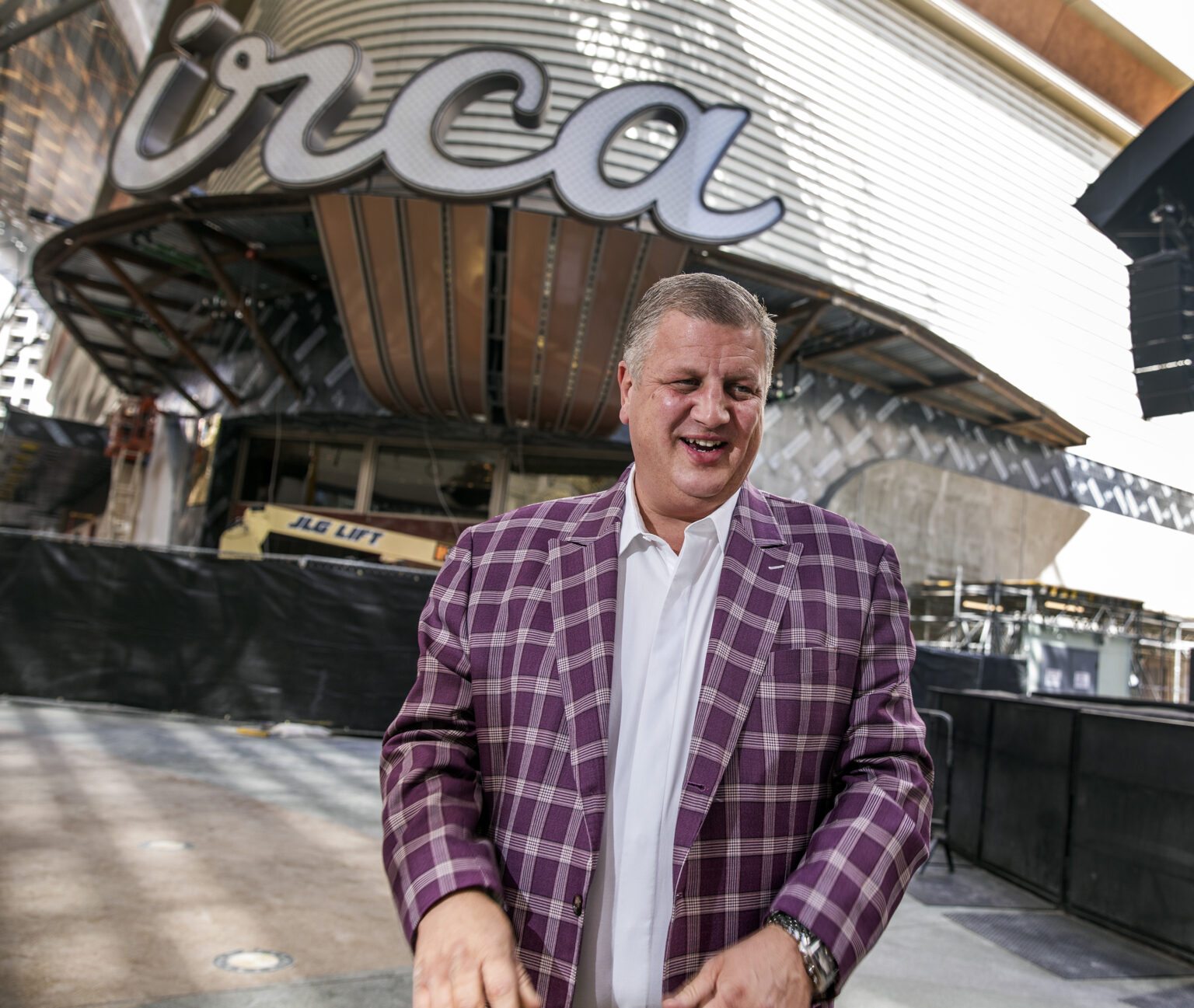
The skyline of Downtown was forever changed by Derek Stevens, who owns Circa Resort & Casino. This is the first from-the-ground-up resort built in Downtown Las Vegas in forty years. Stevens also owns The D Las Vegas and the Golden Gate Hotel & Casino, the city’s oldest continuously operating hotel. His investment has breathed new life into the Fremont Street Experience, creating a new generation of landmarks that respect the city’s history while embracing its future.
The Golden Nugget and Tilman Fertitta
Another key landmark in the Downtown area is the Golden Nugget Las Vegas. It is owned by Tilman Fertitta, the billionaire owner of the Houston Rockets and Landry’s, Inc.. The Golden Nugget remains a symbol of classic Vegas luxury and serves as an anchor for the Fremont Street area, proving that individual ownership still has a place in a landscape of corporate giants.

Boyd Gaming and Local Landmarks
Boyd Gaming is a major force in the “locals” market and Downtown. They own landmarks such as the California Hotel and Casino and The Orleans Hotel & Casino. While they may not have the towering height of the Strip resorts, these properties are cultural landmarks for the residents of Las Vegas and specific visitor demographics, such as travelers from Hawaii.
The evolution of ownership in Las Vegas reflects a broader trend in global real estate and finance. What were once family-run businesses or single-owner spectacles have become sophisticated assets in international portfolios. Yet, regardless of whether a landmark is owned by a REIT in New York or a corporation in Nevada, the architectural grandeur and the spirit of the city remain the primary draw for millions of visitors from around the world. These buildings are more than just casinos; they are the physical manifestations of the history and future of the United States most famous playground.
LifeOutOfTheBox is a participant in the Amazon Services LLC Associates Program, an affiliate advertising program designed to provide a means for sites to earn advertising fees by advertising and linking to Amazon.com. Amazon, the Amazon logo, AmazonSupply, and the AmazonSupply logo are trademarks of Amazon.com, Inc. or its affiliates. As an Amazon Associate we earn affiliate commissions from qualifying purchases.