
A Deep Dive into Ownership and Legacy
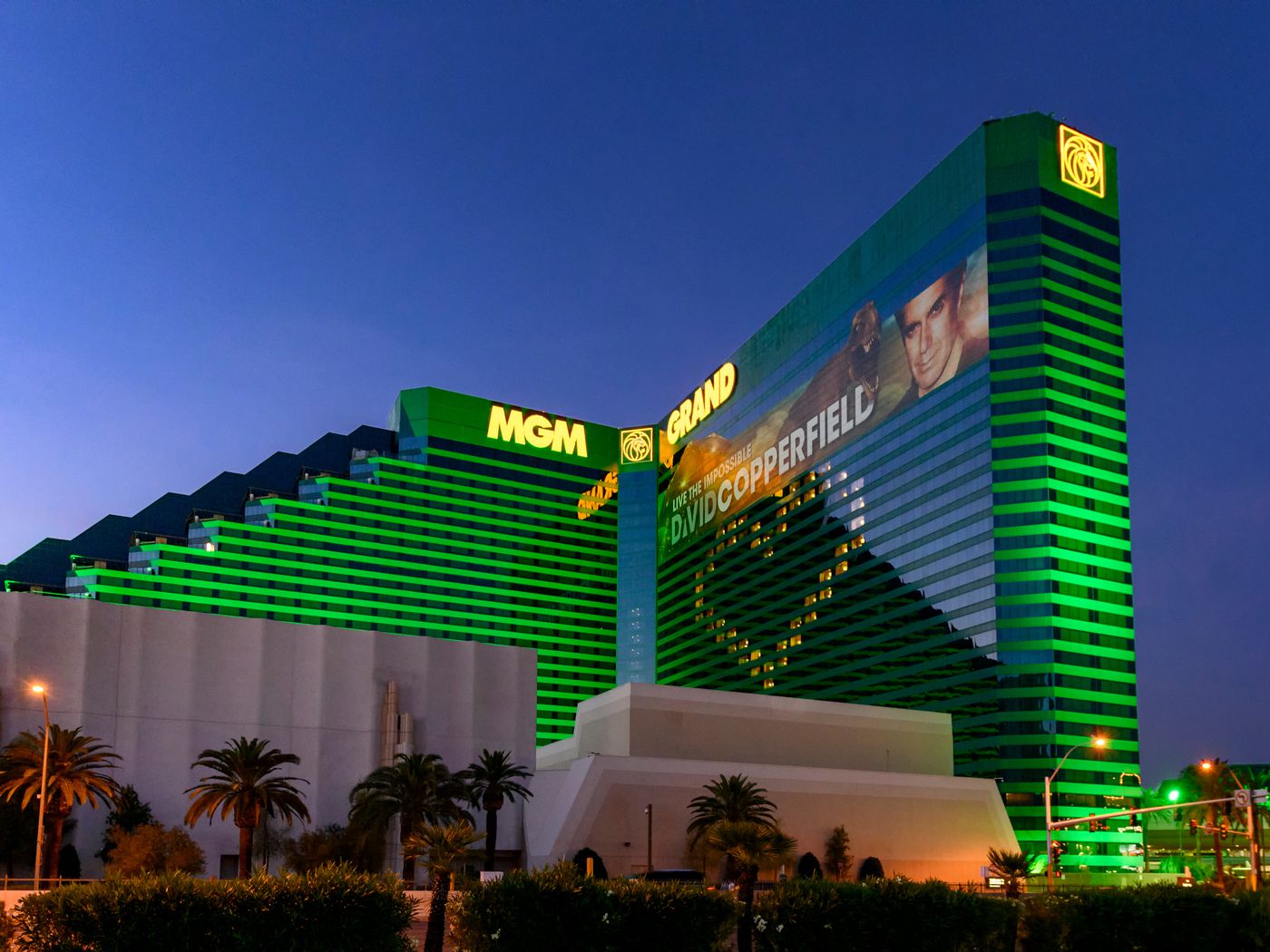
The MGM Grand Hotel in Las Vegas stands as an iconic beacon of entertainment, luxury, and grand scale. Its distinctive emerald green exterior and colossal presence on the Las Vegas Strip have made it a landmark recognized worldwide. But behind the dazzling lights and elaborate facade lies a complex corporate structure and a rich history of ownership that has shaped its evolution. Understanding who owns the MGM Grand Hotel offers insight into the broader landscape of the hospitality and entertainment industry, particularly within the competitive realm of major casino resorts.

The ownership of a property as vast and influential as the MGM Grand Hotel is not a simple, static affair. It involves intricate corporate dealings, mergers, acquisitions, and strategic real estate transactions. Over the years, the hotel has been part of different corporate umbrellas, each with its own vision and operational strategy. Tracing this lineage reveals a story of corporate growth, market adaptation, and the enduring appeal of this premier destination.
The Current Landscape: MGM Resorts International
As of the current ownership structure, the MGM Grand Hotel is a flagship property of MGM Resorts International. MGM Resorts International is one of the world’s leading entertainment and hospitality companies, owning and operating a portfolio of integrated resorts, casinos, and hotels across the United States and internationally. The company is headquartered in Paradise, Nevada, a distinction that underscores its deep roots in the Las Vegas entertainment scene.
MGM Resorts International is a publicly traded company, meaning its ownership is distributed among its shareholders. This structure implies that no single individual or entity exclusively “owns” the entirety of the corporation, and by extension, the MGM Grand Hotel. Instead, a vast array of investors, from institutional funds to individual stockholders, hold stakes in the company. The management and operational decisions for the MGM Grand Hotel are therefore made by the executive leadership of MGM Resorts International, guided by the interests of its shareholders and the prevailing market conditions.
A Diversified Portfolio
The ownership of the MGM Grand Hotel by MGM Resorts International places it within a broader ecosystem of premier properties. This portfolio includes other legendary Las Vegas resorts such as the Bellagio, Aria Resort & Casino, The Cosmopolitan, and Park MGM. This diversification allows MGM Resorts International to cater to a wide spectrum of traveler preferences and market segments, from high-stakes gamblers to families seeking entertainment and luxury vacationers.
Historical Ownership Trajectories
The ownership story of the MGM Grand Hotel is not a linear one. Its journey reflects the dynamic nature of the casino and hospitality industry, marked by significant shifts in corporate control.
The Early Days and the “City Within a City” Vision
The original MGM Grand Hotel & Casino opened its doors in 1993. At that time, it was owned by the MGM Grand, Inc., a different corporate entity than the current MGM Resorts International. This original iteration was conceived as a massive entertainment complex, aiming to be a “city within a city” with its extensive hotel rooms, casino floor, theme park (which was later closed and repurposed), and numerous dining and entertainment venues. The vision was grand, and the scale was unprecedented for its time.
The Landmark Merger with Mirage Resorts

A pivotal moment in the history of the MGM Grand Hotel came in 2000 with the merger of MGM Grand, Inc. and Mirage Resorts. This landmark transaction created MGM Mirage, a hospitality behemoth that consolidated ownership of several iconic Las Vegas properties, including the Mirage, Treasure Island, and the Golden Nugget (which was later divested). This merger significantly expanded the company’s footprint and market share in Las Vegas.
The Transition to MGM Resorts International
In 2001, MGM Mirage rebranded itself as MGM Resorts International. This rebranding signaled a broader ambition beyond just casinos, encompassing a comprehensive range of entertainment and hospitality services. The company continued to acquire and develop properties, solidifying its position as a dominant force in the industry. The MGM Grand Hotel remained a central jewel in this expanding crown.
Strategic Real Estate and REITs
The ownership structure of large casino resorts can also involve real estate investment trusts (REITs). In a move to unlock value and streamline operations, MGM Resorts International established MGM Growth Properties LLC in 2016. This REIT was designed to own the real estate assets of certain MGM Resorts properties, including the MGM Grand Hotel, while MGM Resorts International retained management of the operations. This structure allowed MGM Resorts International to sell the property to the REIT, receiving cash for reinvestment, while continuing to operate the hotel and casino.
In 2022, MGM Resorts International completed the acquisition of MGM Growth Properties. This significant transaction brought the real estate and operations of properties like the MGM Grand Hotel back under a single, wholly owned corporate umbrella. This move was aimed at simplifying the company’s structure and enhancing its financial flexibility. Therefore, as of this acquisition, the MGM Grand Hotel is directly owned and operated by MGM Resorts International.
The Role of Shareholders and Board of Directors
As a publicly traded entity, MGM Resorts International is beholden to its shareholders. These shareholders, through their investment in the company’s stock, are the ultimate owners. The company’s strategic direction, major capital investments, and operational policies, including those pertaining to the MGM Grand Hotel, are overseen by the Board of Directors. The Board is elected by the shareholders and is responsible for ensuring that the company is managed in the best interests of its owners.
The composition of the Board and the influence of major institutional investors can therefore play a significant role in the decisions made concerning the MGM Grand Hotel. Decisions about renovations, expansions, marketing strategies, and even potential future sales or mergers are all subject to the oversight and approval processes dictated by corporate governance standards and shareholder expectations.
Impact on Guest Experience and Property Development
Understanding the ownership of the MGM Grand Hotel provides context for its ongoing development and the guest experience it offers. MGM Resorts International’s commitment to maintaining its premier status means continuous investment in the property. This includes modernizing rooms, enhancing dining options, upgrading entertainment venues, and ensuring the highest standards of service.
The vast resources available to a large corporation like MGM Resorts International enable substantial capital expenditures that might be challenging for smaller, independent owners. This can translate into cutting-edge technology in the casino, world-class performers gracing its stages, and luxurious amenities that appeal to a global clientele. The ownership structure, therefore, directly influences the quality, scale, and evolution of the guest experience at this iconic Las Vegas institution.
Conclusion: A Legacy within a Corporate Giant
In essence, the MGM Grand Hotel is owned by its corporate parent, MGM Resorts International, a publicly traded company whose ownership is distributed among its shareholders. This ownership is the culmination of decades of strategic corporate maneuvers, mergers, and acquisitions within the dynamic landscape of the hospitality and gaming industry. While individual ownership is dispersed, the collective entity of MGM Resorts International continues to shape the legacy and future of this legendary hotel, ensuring its place as a preeminent destination on the Las Vegas Strip and a symbol of grand hospitality.
LifeOutOfTheBox is a participant in the Amazon Services LLC Associates Program, an affiliate advertising program designed to provide a means for sites to earn advertising fees by advertising and linking to Amazon.com. Amazon, the Amazon logo, AmazonSupply, and the AmazonSupply logo are trademarks of Amazon.com, Inc. or its affiliates. As an Amazon Associate we earn affiliate commissions from qualifying purchases.