
The question of who owns the Miami Marlins, a prominent franchise in Major League Baseball (MLB), leads to a fascinating story of high-stakes sports business, celebrity involvement, and the enduring passion for baseball in South Florida. As of 2024, the team is primarily owned by Bruce Sherman, a successful New York-based businessman and co-founder of private investment firm Sherman Financial Group. He leads an ownership consortium that acquired the team in 2017, ushering in a new era for the beloved Miami franchise.
This acquisition marked a significant turning point, not only due to the colossal sale price but also because it brought a legendary figure of the sport, Derek Jeter, into a prominent executive role, albeit one he would later depart. Understanding the current ownership requires a look back at the complex bidding process, the vision of its leaders, and the subsequent efforts to reshape the team’s fortunes both on and off the field. For fans and sports enthusiasts exploring Miami as a destination, knowing the driving forces behind one of its major sports teams offers a deeper appreciation of the city’s vibrant lifestyle and connection to national pastimes.

The Current Stewards: Bruce Sherman and the Sherman-Jeter Group
The Miami Marlins officially changed hands in late 2017, concluding a saga that had captivated the sports world. The primary figurehead of the new ownership group was Bruce Sherman, a seasoned investor known for his low-profile approach but keen financial acumen. He assembled a diverse consortium of investors, which became known as the Sherman-Jeter Group, reflecting the significant operational role entrusted to the former New York Yankees captain.
The reported sale price was a staggering $1.2 billion, a testament to the soaring valuations of professional sports franchises and the strategic importance of an MLB team in a major market like Miami. This monumental transaction underscored the lucrative nature of sports ownership and the high barrier to entry for prospective buyers, illustrating how such acquisitions often involve complex financial engineering and the backing of powerful financial institutions.
The Acquisition Journey and Key Players
The path to ownership for the Sherman-Jeter Group was anything but straightforward. The sale process, initiated by previous owner Jeffrey Loria, attracted considerable attention from a variety of high-profile bidders. Among the most prominent contenders was a group led by former Florida Governor Jeb Bush, who partnered with Tagg Romney, son of Senator Mitt Romney. This group initially appeared to be a strong candidate, bringing political clout and significant business connections to the table. Another notable bidder was Jorge Mas, a prominent Miami businessman known for his leadership of MasTec and later, his ownership of Major League Soccer club Inter Miami CF. His local ties and deep understanding of the Miami market made his bid particularly compelling for many local fans.
The group eventually fronted by Bruce Sherman and Derek Jeter successfully navigated this competitive landscape. Their bid secured crucial financial backing from institutional giants like Goldman Sachs and Apollo Global Management, demonstrating the significant capital required to acquire an MLB franchise. While Jeter’s minority stake was a key component of the deal, his real value lay in his role as the team’s Chief Executive Officer and his vision for transforming the struggling franchise.
The acquisition was confirmed in August 2017, and the transfer of ownership was finalized in October, ending Jeffrey Loria’s controversial tenure. This moment was viewed by many as a fresh start for the Marlins, offering hope for renewed competitiveness and a stronger connection with the Miami community.
Derek Jeter’s Transformative Role
Derek Jeter’s transition from legendary shortstop to MLB executive was one of the most talked-about aspects of the ownership change. As CEO and a minority owner, he took on the responsibility of overseeing both the baseball and business operations of the Marlins. His tenure, which lasted from late 2017 until early 2022, was characterized by a commitment to rebuilding the organization from the ground up, focusing on player development, scouting, and fostering a new team culture.
Jeter’s vision involved a comprehensive overhaul. He inherited a team with significant financial limitations and a farm system that needed substantial investment. His strategy prioritized shedding high-priced veteran contracts to reduce payroll and acquire young talent, a move that was initially unpopular with some segments of the fan base but was deemed necessary for long-term sustainability. This approach saw the departure of popular players like Giancarlo Stanton and Christian Yelich in the early stages of his leadership.
His presence also brought a renewed sense of credibility and national attention to the franchise. However, the rebuilding process was arduous, and the team faced considerable challenges on the field, with several losing seasons. Off the field, Jeter worked to improve the fan experience at Marlins Park (now loanDepot Park) and to re-engage the local community. His departure in February 2022, citing differing visions for the team’s future with the principal owner, Bruce Sherman, marked the end of an intriguing chapter. While his time as CEO was brief, he laid groundwork that, combined with subsequent developments, has seen the Marlins begin to show signs of improvement and competitiveness.
A New Era for the Miami Marlins
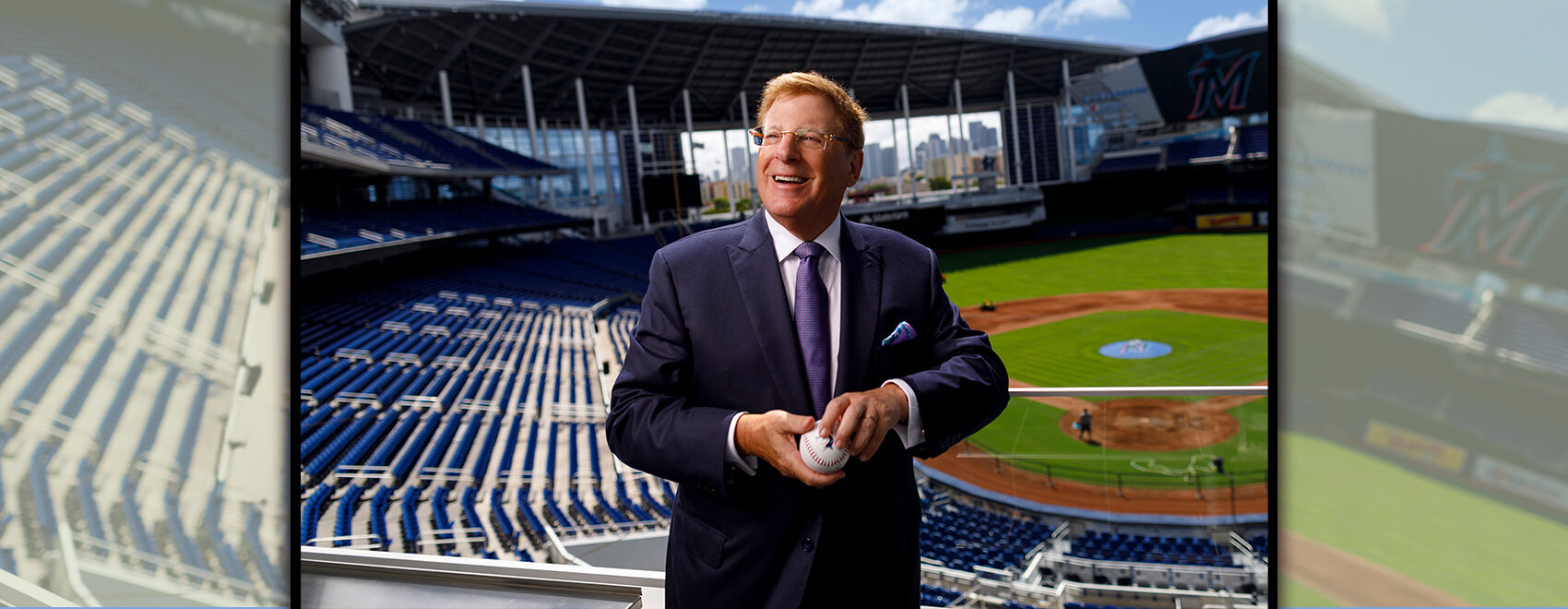
The change in ownership ushered in what many hoped would be a new era for the Miami Marlins. After years of fluctuating performance and public dissatisfaction, the Sherman-Jeter Group promised stability and a long-term commitment to building a winning franchise. This transition was about more than just a change of hands; it represented a shift in philosophy and an attempt to reconnect the team with its passionate but often frustrated fan base in South Florida.
The interest in MLB team ownership extends beyond traditional business circles, often attracting sports icons and high-net-worth individuals from various industries. For instance, Alex Rodriguez, another former New York Yankees star, famously pursued ownership of the New York Mets with his then-fiancée Jennifer Lopez, eventually losing out to Steve Cohen. Even [Michael Jordan](https://lifeoutofthebox.com/michael-jordan], a basketball legend, has long been involved in sports ownership, holding a minority stake in the Sacramento Kings and considering investment in the Washington Nationals before ultimately owning the Charlotte Hornets. While these figures did not acquire the Marlins, their involvement highlights the allure and competitive nature of owning a major league sports team, which is as much a symbol of prestige and community investment as it is a business venture. Similarly, baseball Hall of Famer Ken Griffey Jr. expressed interest in becoming part of an MLB ownership group, reflecting a broader trend of athletes seeking to influence the sport beyond their playing days.
From Jeffrey Loria to Present: A Shift in Philosophy
The tenure of previous owner Jeffrey Loria was marked by significant controversy and a tumultuous relationship with the fan base. His ownership saw the team win a World Series in 2003, but this success was often overshadowed by subsequent dismantling of winning rosters, perceived lack of investment, and the contentious public funding for the new stadium. Many fans felt disconnected from the team, and attendance figures frequently ranked among the lowest in the league.
The arrival of Bruce Sherman and the Sherman-Jeter Group signaled a fundamental shift. The new ownership articulated a philosophy centered on long-term growth, player development, and financial stability, rather than short-term gains. This meant prioritizing the farm system, investing in analytics, and building a sustainable pipeline of talent. While such a strategy requires patience, it aims to create a franchise capable of consistent competitiveness, a stark contrast to the boom-and-bust cycles that characterized much of the Loria era. This patient approach is crucial for building a strong foundation, attracting talent, and ultimately winning the hearts of the community, which is vital for any team embedded in a vibrant cultural destination like Miami.
Challenges and Progress Under New Leadership
The journey for the Miami Marlins under Sherman’s leadership has been one of gradual progress amidst significant challenges. The early years of the rebuild under Derek Jeter saw the team shed veteran contracts, leading to several lean seasons in terms of on-field performance. However, these moves also allowed the team to accumulate a wealth of young prospects, many of whom have since developed into key players. The organization’s commitment to scouting and player development has begun to bear fruit, with a noticeable improvement in the quality and depth of the farm system.
The Marlins surprised many by making the playoffs in the shortened 2020 season, a significant milestone that demonstrated the potential of the new core. While subsequent seasons have been a mix of ups and downs, the team has shown flashes of brilliance, signaling that the rebuild is indeed taking hold. Fan engagement remains a key focus, with the ownership working to foster a stronger connection between the team and the diverse communities of Miami and South Florida. This includes community outreach programs, efforts to enhance the game-day experience at the stadium, and strategic marketing initiatives aimed at cultivating a new generation of Marlins fans. For visitors engaging in tourism activities, attending a game at loanDepot Park offers a distinct taste of Miami’s local culture.
The Impact on Miami and Beyond
The ownership of a professional sports team like the Miami Marlins extends far beyond the confines of the ballpark. It plays a crucial role in the economic fabric, cultural identity, and overall lifestyle of its host city. For Miami, a global hub for travel and tourism, the Marlins represent not just a sports team but an integral part of its vibrant tapestry, attracting visitors and residents alike to its games and events.
loanDepot Park: A Home for Baseball and Community
The Marlins’ home, originally known as Marlins Park and later rebranded as loanDepot Park, stands as a significant landmark in Miami. Opened in 2012, this state-of-the-art facility is an attraction in its own right, known for its retractable roof, distinctive architecture, and vibrant art installations. Its location in Little Havana, a culturally rich neighborhood, connects the team deeply to the city’s diverse heritage.
The stadium is more than just a venue for baseball games; it serves as a community hub, hosting various events, concerts, and cultural gatherings throughout the year. For tourists visiting Miami, attending a game at loanDepot Park offers a quintessential American sports experience, complete with unique food offerings that reflect Miami’s Latin influences and a lively atmosphere. The amenities within the park, from diverse dining options to comfortable seating, contribute to a memorable experience for locals and travelers alike, solidifying its place as a key component of Miami’s recreational and tourism appeal. The existence of such a modern stadium also influences decisions for accommodation nearby, with many hotels catering to visitors attending events.

The Future Vision for the Franchise
Under Bruce Sherman’s sole principal leadership since Derek Jeter’s departure, the Miami Marlins continue to pursue their long-term vision of sustained success. This vision encompasses building a consistently competitive team, enhancing the fan experience, and strengthening community ties. The ownership is committed to investing in the talent necessary to compete in the demanding National League East division, often considered one of MLB’s toughest.
The Marlins are an integral part of Miami’s identity, much like its iconic beaches, vibrant nightlife, and luxurious resorts. A successful Marlins team contributes positively to the city’s image, attracting more sports tourism and fostering a sense of civic pride. The ownership’s dedication to improving the team’s performance and engaging with the community reflects an understanding that a thriving sports franchise is a vital asset for any major urban center. As Miami continues to grow as a global destination, the Miami Marlins under Bruce Sherman’s stewardship are poised to remain a key player in the city’s evolving story, offering both local residents and international visitors an exciting glimpse into the world of professional baseball and the vibrant lifestyle of South Florida.
LifeOutOfTheBox is a participant in the Amazon Services LLC Associates Program, an affiliate advertising program designed to provide a means for sites to earn advertising fees by advertising and linking to Amazon.com. Amazon, the Amazon logo, AmazonSupply, and the AmazonSupply logo are trademarks of Amazon.com, Inc. or its affiliates. As an Amazon Associate we earn affiliate commissions from qualifying purchases.