
Understanding the ownership structure of a prominent destination like Park City Ski Resort is crucial for grasping its operational trajectory, investment strategies, and its role within the broader ski industry. This iconic Utah destination, renowned for its expansive terrain and historic charm, has a complex lineage of ownership that reflects the evolution of the ski resort business itself. From its early days as a burgeoning mining town’s recreational asset to its current status as a world-class mountain resort, the hands that have guided its development have significantly shaped its identity and success.
The Genesis of a Ski Destination
The origins of Park City as a ski area are intrinsically linked to its rich mining past. While the town boomed in the late 19th and early 20th centuries due to silver and lead discoveries, the decline of the mining industry in the mid-20th century presented an opportunity for a new economic engine. It was in this transitional period that the seeds of Park City Ski Resort were sown.

Early Developments and Visionaries
The vision for a ski resort began to take shape in the late 1950s. The Sno-Eagle Ski Area was among the earliest iterations, opening in 1961 on the slopes of what would become Park City Ski Resort. This nascent operation was driven by local entrepreneurs who recognized the potential of the abundant snowfall and challenging mountain terrain for winter recreation. The goal was to diversify the local economy beyond mining and attract visitors seeking outdoor adventures. The initial infrastructure was modest, featuring a single chairlift and basic facilities, but it laid the groundwork for future expansion. The early years were characterized by a pioneering spirit, with a focus on developing the mountain’s natural assets and establishing a reputation for excellent skiing. This period was critical in demonstrating the viability of a ski resort in Park City, paving the way for more significant investments and a broader operational scope. The emphasis was on creating an accessible and enjoyable experience for skiers, fostering a sense of community around the emerging sport.
Transition to a Commercial Enterprise
As the popularity of skiing grew nationwide, so too did the ambitions for the Park City ski area. The original concept evolved from a local initiative into a more commercial enterprise. This transition involved bringing in new investors and management with a more developed understanding of the ski resort industry. The name officially changed to Park City Ski Resort, signaling a more professional and ambitious approach. This era saw the expansion of skiable terrain, the installation of more advanced lift systems, and the development of on-mountain facilities. The focus shifted towards enhancing the guest experience, offering a wider range of services, and competing with other established ski destinations in the region, such as those in neighboring Colorado. The growth was steady, driven by an increasing demand for winter sports and a growing awareness of Park City as a premier ski destination.
The Vail Resorts Era: Consolidation and Expansion
The landscape of the ski industry has been significantly shaped by consolidation, with large corporations acquiring multiple resorts. Park City Ski Resort has been a central player in this trend, most notably through its acquisition by Vail Resorts. This marked a pivotal moment in the resort’s history, bringing it under the umbrella of one of the world’s largest ski resort operators.
Acquisition by American Skiing Company
Before its acquisition by Vail Resorts, Park City Ski Resort was part of the American Skiing Company. This period saw further investment and development, with the resort continuing to build its reputation as a top-tier destination. The American Skiing Company operated several well-known ski areas, and its ownership of Park City aimed to leverage synergies across its portfolio and enhance the overall offerings. During this time, significant upgrades were made to the lift infrastructure and on-mountain services, solidifying its competitive position. The company focused on expanding the resort’s appeal to a broader range of skiers and snowboarders, investing in snowmaking capabilities and improving the guest experience. This phase represented a substantial commitment to the long-term growth and success of Park City Ski Resort, integrating it further into the commercial ski resort market.
The Landmark Acquisition by Vail Resorts
The acquisition of Park City Ski Resort by Vail Resorts in 2014 was a transformative event. This acquisition, valued at approximately $82 million, not only brought Park City into the Vail Resorts family but also marked the merger with the neighboring Canyons Resort. This strategic move created the largest ski resort in the United States, boasting over 7,300 acres of skiable terrain.
The implications of this acquisition were far-reaching. Vail Resorts is known for its integrated approach to mountain resort management, its extensive marketing reach, and its signature Epic Pass. The integration of Park City Ski Resort into the Epic Pass network immediately expanded its accessibility to millions of pass holders worldwide. This brought a new influx of visitors and significantly boosted the resort’s profile on the global stage.
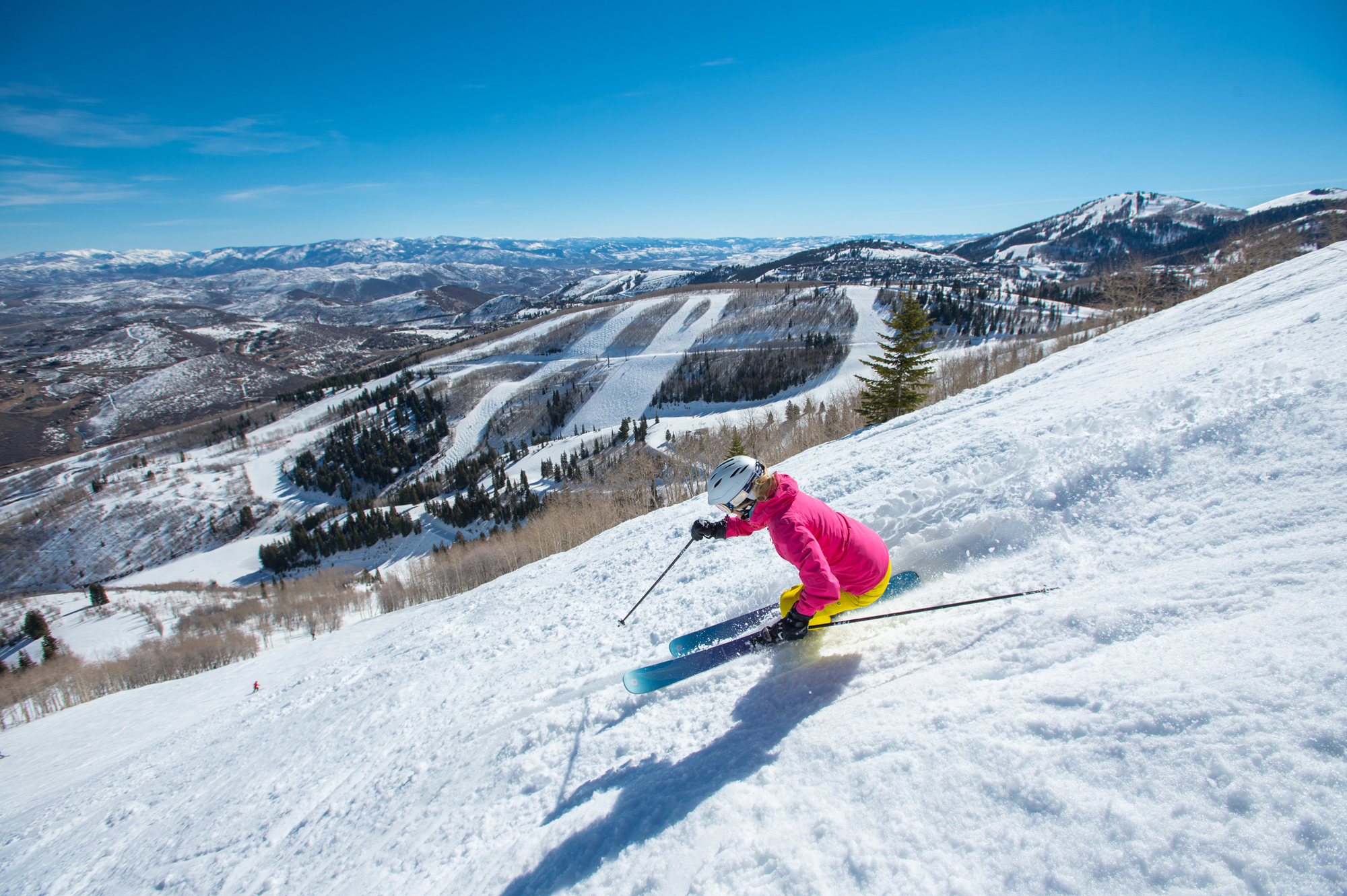
Under Vail Resorts‘ ownership, substantial investments have been made. These include upgrades to lift infrastructure, improvements to on-mountain dining and amenities, and a continued focus on enhancing the overall guest experience. The merger with Canyons Resort allowed for seamless access between the two areas, creating an unparalleled ski experience in terms of scale and diversity. The operational philosophy of Vail Resorts emphasizes efficiency, innovation, and consistent quality across its properties. This has translated into ongoing modernization efforts at Park City Ski Resort, ensuring it remains at the forefront of the ski industry. The ownership by such a dominant player in the sector has solidified its position as a premier destination for skiers and snowboarders from around the globe.
Operational Management and Corporate Structure
The day-to-day operations and long-term strategic direction of Park City Ski Resort are now dictated by its parent company, Vail Resorts. Understanding this corporate structure is key to understanding how the resort functions.
Vail Resorts: A Global Ski Giant
Vail Resorts is a publicly traded company that owns and operates a portfolio of world-class mountain resorts across the United States, Canada, and Australia. Its business model is built around the Epic Pass, a season pass that offers access to its extensive network of resorts, providing significant value to dedicated skiers and snowboarders. This pass system has been a game-changer in the industry, encouraging repeat visitation and loyalty.
The company’s management philosophy emphasizes investing in its properties, focusing on guest experience, and implementing innovative technologies. This includes continuous upgrades to lifts, grooming operations, and on-mountain facilities, as well as the development of complementary businesses such as lodging, dining, and retail. Vail Resorts also places a strong emphasis on sustainability and community engagement, aiming to operate its resorts responsibly. The company’s financial strength allows for significant capital expenditures, ensuring that its resorts remain competitive and offer cutting-edge experiences. For Park City Ski Resort, this means access to resources and expertise that drive its continued evolution and growth as a premier winter sports destination.
The Role of Local Management
While Vail Resorts sets the overarching strategy and financial framework, local management teams are responsible for the intricate details of daily operations at Park City Ski Resort. These teams oversee everything from ski patrol and lift operations to guest services, retail, and food and beverage. They are tasked with implementing Vail Resorts‘ standards of excellence while adapting to the unique culture and demands of the Park City community and its visitors.
The local leadership plays a crucial role in fostering relationships with local businesses, government officials, and the community at large. They are the frontline representatives of Vail Resorts, ensuring that the resort operates smoothly and that guests have a positive experience. This decentralized approach allows for responsiveness to local conditions and guest feedback, while still aligning with the global objectives of the parent company. The synergy between corporate direction and local execution is vital for the sustained success of a resort as large and complex as Park City Ski Resort.
The Future of Ownership and Investment
The ownership of major ski resorts like Park City Ski Resort is not static. It is subject to market forces, economic conditions, and evolving business strategies within the leisure and hospitality industries.
Continued Investment and Development
As part of Vail Resorts, Park City Ski Resort is expected to benefit from ongoing investment. Vail Resorts consistently reinvests in its properties to maintain their competitive edge and enhance guest satisfaction. Future investments are likely to focus on further technological advancements, sustainable practices, and expanding the year-round appeal of the resort, which is a growing trend in mountain destinations. This includes exploring new summer activities and improving infrastructure to support non-skiing visitors. The focus on innovation ensures that Park City Ski Resort remains a leading destination, adapting to changing traveler preferences and environmental considerations.

Market Dynamics and Potential Future Changes
While Vail Resorts is currently the undisputed owner, the broader landscape of the ski industry is dynamic. Large private equity firms and other major hospitality companies are also significant players, and mergers and acquisitions are a common feature. However, given the scale of Vail Resorts and its dominant position, significant changes in the ownership of a flagship property like Park City Ski Resort are not anticipated in the immediate future. The strategic importance of Park City to Vail Resorts‘ portfolio, particularly after the merger with Canyons Resort, solidifies its place within the company. Nonetheless, long-term ownership in any major industry is always subject to market shifts and corporate strategies. For now, Park City Ski Resort remains firmly under the stewardship of Vail Resorts, poised for continued growth and development.
LifeOutOfTheBox is a participant in the Amazon Services LLC Associates Program, an affiliate advertising program designed to provide a means for sites to earn advertising fees by advertising and linking to Amazon.com. Amazon, the Amazon logo, AmazonSupply, and the AmazonSupply logo are trademarks of Amazon.com, Inc. or its affiliates. As an Amazon Associate we earn affiliate commissions from qualifying purchases.