
The Plaza Hotel stands as an enduring symbol of luxury, elegance, and history in the heart of New York City. A true architectural masterpiece, its grand façade overlooking Central Park South and Fifth Avenue has captivated visitors and locals alike for over a century. More than just a prestigious address, The Plaza is a living landmark, a silent witness to countless pivotal moments in culture, commerce, and societal shifts. Its ornate interiors, opulent suites, and legendary hospitality have made it a coveted destination for travelers seeking an unparalleled experience, from families enjoying afternoon tea to business leaders conducting high-stakes deals, and even A-list celebrities seeking a discreet haven.
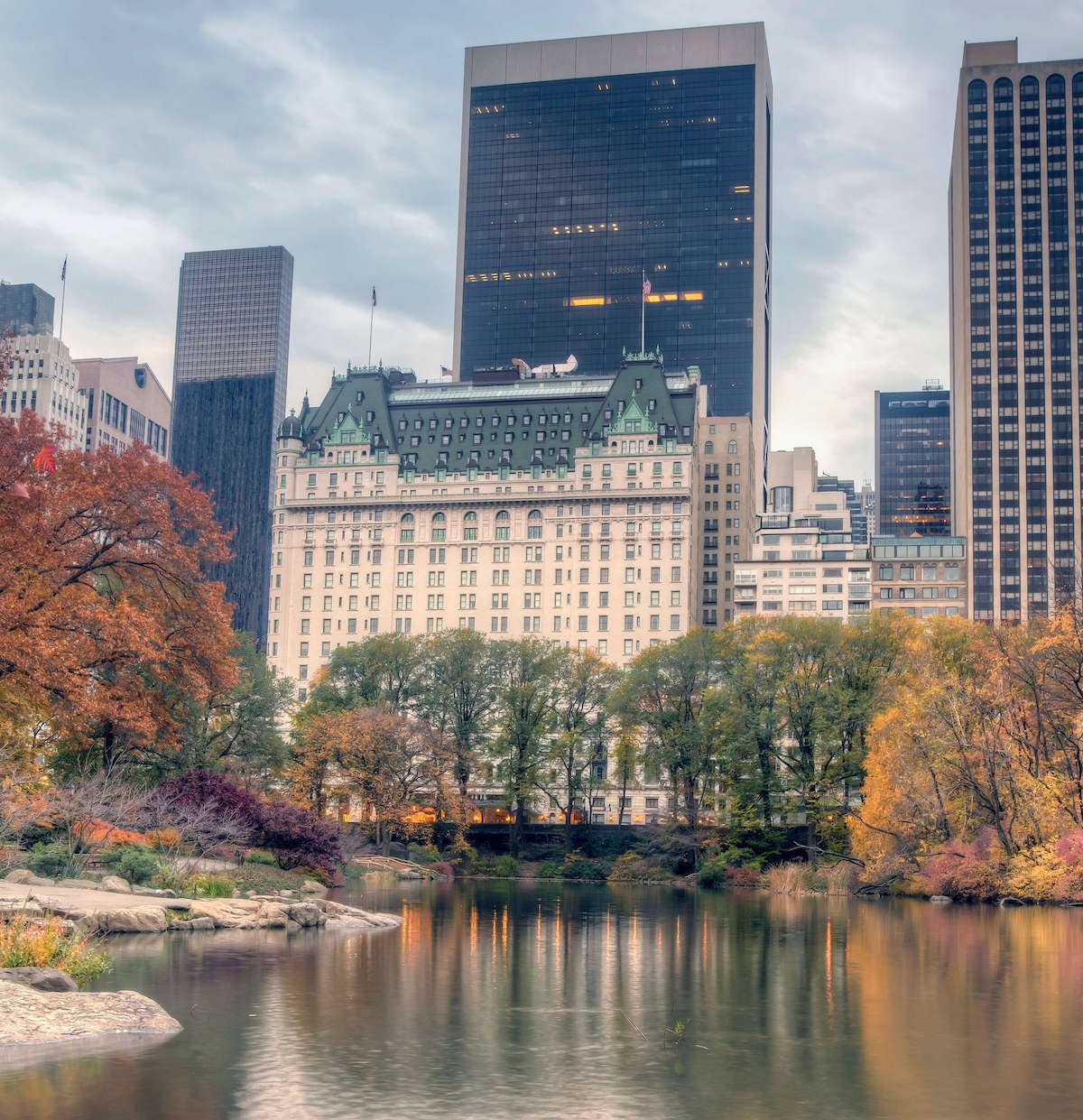
Given its iconic status and immense value, the question of “Who owns the Plaza Hotel?” is far from straightforward. Unlike many other major hotels that remain under singular, long-term corporate ownership, The Plaza’s proprietorship has been a dynamic, often complex, and sometimes tumultuous journey through the hands of various prominent figures, multinational corporations, and global investment groups. Each change in ownership has left an indelible mark on the hotel, influencing its direction, its renovations, and its very identity. Understanding who holds the keys to this historic establishment requires a deep dive into its fascinating past, a narrative woven with ambition, financial triumphs, dramatic setbacks, and the relentless pursuit of one of the world’s most desirable real estate assets. This article will unravel the intricate layers of The Plaza’s ownership history, leading us to its current custodians and exploring the broader implications of its unique place in the global hospitality landscape.
A Legacy Forged: The Early Years and Founding Vision
The story of The Plaza Hotel begins with a grand vision and a significant investment at the turn of the 20th century. Conceived by a consortium of wealthy developers, the hotel was designed by the renowned architect Henry Hardenbergh, who was also responsible for designing other notable New York City landmarks like the Dakota Building. The hotel officially opened its doors on October 1, 1907, instantly setting a new benchmark for luxury accommodation. At the time, it was hailed as the “greatest hotel in the world,” a testament to its extravagant design, cutting-edge amenities (including telephones in every room and an intricate system of pneumatic tubes), and prime location overlooking Central Park.
The initial ownership rested with Harry S. Black of the United States Realty Company. The cost of construction was a staggering $12.5 million, an astronomical sum for the era. From its inception, The Plaza was destined to cater to the crème de la crème of society – industrialists, aristocrats, and international travelers. Its architectural style, a magnificent French Renaissance Château, stood in stark contrast to the more utilitarian designs prevalent at the time, immediately establishing it as a destination in its own right. Early patrons included the Astors, Vanderbilts, and other titans of industry, cementing its reputation as a playground for the elite. Over the subsequent decades, while its initial owners would change, the hotel’s commitment to unparalleled luxury and service remained a constant, laying the groundwork for its enduring legacy as an iconic global landmark.
From Family Empires to Corporate Giants: The Mid-Century Shifts
The mid-20th century saw the first significant shifts in The Plaza’s ownership, reflecting the evolving landscape of hospitality and corporate power. One of the most notable acquisitions came in 1943 when the visionary hotelier Conrad Hilton purchased the property for $7.4 million. This acquisition was a strategic move for Hilton Hotels, solidifying its presence in the luxury market and adding an instantly recognizable jewel to its growing portfolio. Under Hilton’s management, The Plaza underwent various renovations to modernize its facilities while carefully preserving its historic charm. Hilton’s tenure helped to further engrain The Plaza in the American imagination, continuing its tradition of hosting grand events and celebrity guests.
However, The Plaza’s stay within the Hilton empire was not permanent. In the late 1950s, Conrad Hilton sold the hotel to A.M. Sonnabend, a prominent real estate investor and hotelier, for an undisclosed sum. Sonnabend, known for his shrewd business acumen, further enhanced The Plaza’s operational efficiency and maintained its high standards. These changes in ownership, though significant, were largely smooth transitions that ensured the hotel’s continuous operation as a premier destination. They represented a period where the hotel’s value was increasingly recognized as both a functional business and a irreplaceable piece of New York heritage, attracting a succession of owners who understood its unique appeal.
The Era of High-Profile Owners: From Trump to Global Investors
The late 20th century ushered in a new chapter for The Plaza Hotel, characterized by high-stakes deals, flamboyant personalities, and the entry of global investment capital. This period dramatically amplified the public fascination with The Plaza’s ownership, turning it into a recurring subject of headlines and business analyses.
Donald Trump’s Flamboyant Tenure
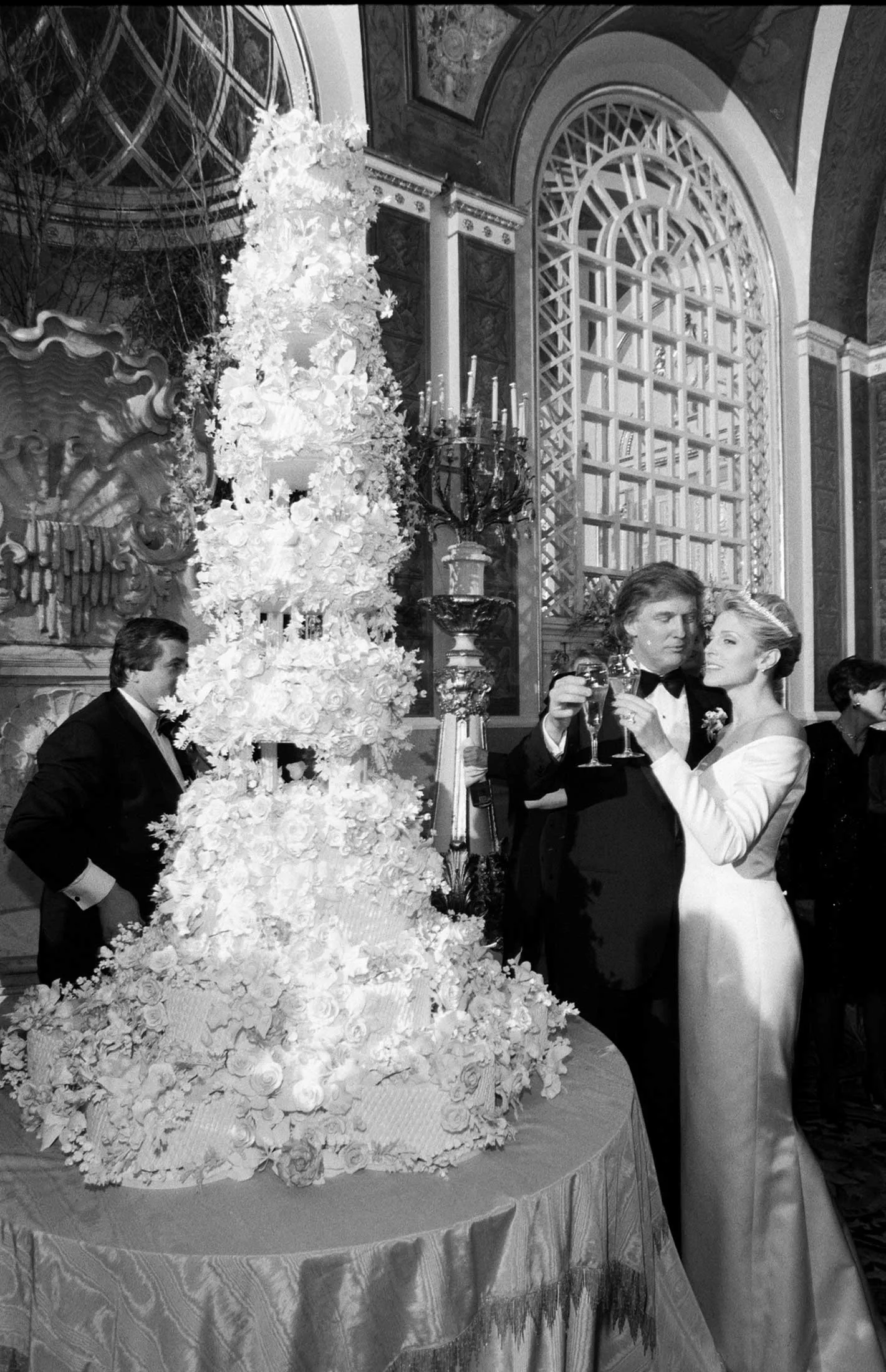
Perhaps one of the most memorable and controversial periods of ownership began in 1988 when real estate magnate Donald Trump acquired The Plaza Hotel for an astonishing $407 million. Trump, then a burgeoning celebrity developer, famously declared, “I haven’t purchased a building, I have purchased a masterpiece – the Mona Lisa of hotels.” His acquisition was a highly publicized event, fitting perfectly with his larger-than-life persona and his growing portfolio of luxury properties, which also included The Trump Taj Mahal in Atlantic City.
Under Trump Organization’s ownership, The Plaza continued its legacy of hosting high-profile events and attracting famous guests. However, this era was also marked by significant financial turbulence. Heavy debt loads, exacerbated by the economic downturn of the early 1990s, led The Plaza to file for bankruptcy in 1992. Ultimately, Trump lost control of the hotel to a consortium of banks, primarily Citibank, in 1995. This episode underscored the immense financial pressures associated with owning and maintaining such a grand and historic property, even for the most ambitious of investors.
The Rise of International Investment and Residential Conversion
Following Trump’s departure, The Plaza Hotel entered a phase dominated by international capital and a significant transformation of its operational model. In 1995, a partnership between Prince Al-Waleed bin Talal of Saudi Arabia’s Kingdom Holding Company and Millennium & Copthorne Hotels acquired the property for $325 million. Under this new ownership, Fairmont Hotels and Resorts was brought in to manage the hotel, ensuring a continuation of its luxury standards and global reputation. This period brought stability and a renewed focus on hospitality excellence, leveraging Fairmont’s expertise in managing iconic properties worldwide.
A dramatic shift occurred in 2004 when Elad Properties, an Israeli development company led by Yitzchak Tshuva, purchased The Plaza for $675 million. Elad Properties embarked on a controversial but ultimately transformative plan: converting a significant portion of the hotel into luxury condominiums, known as The Plaza Residences. This move drastically reduced the number of traditional hotel rooms from 805 to 282, fundamentally altering the hotel’s business model. The conversion involved an extensive and costly renovation, estimated at over $400 million, which meticulously restored the building’s historic features while integrating modern, ultra-luxury residential amenities. The hotel reopened in 2008, showcasing a hybrid model where a luxury hotel operates alongside privately owned residential units, creating a unique ownership structure that would influence subsequent transactions.
The Modern Proprietors: A Complex Web of Global Finance
The 21st century has seen The Plaza Hotel’s ownership become even more intertwined with global finance, state-backed entities, and complex legal battles. Its status as a trophy asset has attracted investors from around the world, making its ownership a testament to the interconnectedness of international capital markets.

The Sahara Group’s Tumultuous Chapter
In 2012, The Plaza Hotel once again changed hands, with Subrata Roy’s Sahara Group, an Indian conglomerate, acquiring a 75% stake in the property for approximately $570 million. The remaining 25% was retained by Ashkenazy Acquisition Corporation (AAC) and Prince Al-Waleed bin Talal’s Kingdom Holding Company. Sahara Group’s entry was initially seen as another sign of India’s growing economic power and its ability to invest in prestigious global assets.
However, Sahara Group’s ownership proved to be tumultuous. Subrata Roy faced significant legal challenges and accusations of financial irregularities in India, leading to his arrest and ongoing legal battles. These issues created immense pressure on the conglomerate, forcing it to seek buyers for its international assets, including The Plaza. The attempts to sell The Plaza became a protracted saga, involving multiple interested parties, failed deals, and complex financing arrangements, including a substantial loan from real estate investor Rubin Schron. This period highlighted the vulnerability of even the most prestigious assets to the personal and corporate fortunes of their owners.
The Current Custodians: Katara Hospitality and Ashkenazy Acquisition Corporation
The complex saga of The Plaza Hotel’s ownership reached a new resolution in 2018. After years of speculation and legal wrangling, Katara Hospitality, the hospitality arm of the Qatari government, successfully acquired the majority stake in The Plaza Hotel from Sahara Group for approximately $600 million. This acquisition marked a significant strategic move for Katara Hospitality, which boasts an impressive portfolio of iconic luxury hotels and resorts in major global cities like Doha, London, Paris, Rome, Singapore, and Switzerland. Their investment strategy focuses on acquiring, developing, and managing world-class properties that contribute to Qatar’s vision as a leading global tourism destination.
Today, the primary owner of the hotel portion of The Plaza Hotel is Katara Hospitality. However, the ownership structure remains layered due to the residential conversion initiated by Elad Properties. Ashkenazy Acquisition Corporation (AAC) retains a significant minority stake. AAC, a prominent New York City-based real estate investment firm, owns several key components of the building, including the retail spaces, the Grand Ballroom, the Champagne Bar, the Rose Club, and the Todd English Food Hall. This arrangement means that while Katara Hospitality is the steward of the hotel’s luxury accommodations and its overall brand image, AAC plays a crucial role in managing significant income-generating public spaces.
The residential condominiums, known as The Plaza Hotel Condominiums or The Plaza Residences, are individually owned by private residents. These units were sold off to affluent buyers during the conversion, making the owners of these residences separate from those who own the hotel and commercial spaces. This complex ownership model, blending hospitality, retail, and private residential property, is common in many landmark buildings today, allowing for diversified revenue streams and shared stewardship of an iconic address. Fairmont Hotels and Resorts typically continues to manage the hotel operations under the current ownership, leveraging its international brand strength and luxury management expertise.
Beyond Ownership: The Plaza’s Enduring Cultural Significance
While the question of who owns The Plaza Hotel reveals a fascinating history of transactions and global investors, it’s equally important to acknowledge that The Plaza transcends mere real estate. It is a cultural icon, deeply embedded in the collective consciousness of New York City and beyond. Its grandeur has served as a backdrop for countless stories, both real and fictional, solidifying its place in the annals of pop culture and literature.
A Star on Screen and Page
The Plaza’s cinematic presence is undeniable. It has graced the silver screen in iconic films such as Home Alone 2: Lost in New York, where Kevin McCallister famously enjoys its opulent amenities; Scent of a Woman, featuring Al Pacino’s memorable tango scene in the Grand Ballroom; and Baz Luhrmann’s adaptation of The Great Gatsby, which beautifully captured the roaring twenties elegance for which The Plaza is famed. Its distinctive architecture and luxurious interiors provide an immediate sense of grandeur and history, making it a perfect setting for tales of romance, intrigue, and extravagance.
In literature, The Plaza is perhaps best known as the home of Eloise at the Plaza, the mischievous six-year-old created by author Kay Thompson and illustrated by Hilary Knight. Eloise‘s adventures within the hotel’s hallowed halls have introduced generations of children to its magic, transforming it into a whimsical castle for imaginative play. These cultural touchstones ensure that The Plaza remains relevant and cherished, extending its appeal far beyond those who can afford to stay in its lavish suites.
A Living Landmark and Destination
As a landmark, The Plaza Hotel represents a quintessential New York experience. It’s not just a hotel; it’s a destination where history is palpable, luxury is inherent, and every corner tells a story. From its exquisite afternoon tea in the Palm Court to the sophisticated ambiance of the Champagne Bar, The Plaza offers myriad experiences that blend tradition with contemporary indulgence. Its proximity to Central Park, Rockefeller Center, and other Manhattan attractions makes it an ideal base for exploring New York City’s vibrant culture, upscale shopping, and world-class entertainment.
The continuous stream of owners, each with their own vision and financial strategy, has nonetheless respected and largely preserved the hotel’s architectural integrity and its status as a premier hospitality venue. The intricate balance between commercial viability and historical preservation is a delicate one, but The Plaza has, for the most part, managed to maintain its iconic allure while adapting to modern demands. Its various spaces, from the elegant guest rooms to the grand public areas, continue to attract tourists, business travelers, and locals who appreciate its unique blend of history, glamour, and service.
Conclusion: A Timeless Icon with a Global Pedigree
The ownership history of The Plaza Hotel is a vibrant tapestry, reflecting over a century of economic shifts, personal ambitions, and the evolving landscape of global capital. From its initial development by Henry Hardenbergh to its acquisition by hotel titans like Conrad Hilton and celebrity magnates like Donald Trump, and finally to the complex international investment structures involving the Qatari government’s Katara Hospitality and Ashkenazy Acquisition Corporation, The Plaza’s journey has been anything but static.
Today, The Plaza Hotel is predominantly owned by Katara Hospitality, a powerful state-backed entity with a long-term vision for luxury tourism, alongside Ashkenazy Acquisition Corporation, which controls key commercial and event spaces. The residential components, The Plaza Residences, are owned by individual private parties, adding another layer to its multifaceted proprietorship. This intricate web ensures that different aspects of the building are managed by diverse stakeholders, all contributing to the continued legacy of this New York City treasure.
Despite the numerous changes at the top, one constant has remained: The Plaza Hotel’s unwavering status as an international symbol of unparalleled luxury, historical grandeur, and cultural significance. It continues to be more than just a place to stay; it is an experience, a living monument, and an essential chapter in the story of New York. For travelers planning their next grand escape or simply dreaming of opulence, knowing the hands that guide this legendary establishment adds another layer of appreciation to its timeless allure. Its future, under the stewardship of committed global investors, seems secure, promising many more decades of welcoming guests to its magnificent halls.
LifeOutOfTheBox is a participant in the Amazon Services LLC Associates Program, an affiliate advertising program designed to provide a means for sites to earn advertising fees by advertising and linking to Amazon.com. Amazon, the Amazon logo, AmazonSupply, and the AmazonSupply logo are trademarks of Amazon.com, Inc. or its affiliates. As an Amazon Associate we earn affiliate commissions from qualifying purchases.