
The Radisson Hotel brand stands as a titan in the global hospitality landscape, serving millions of travelers across iconic destinations from New York City to Shanghai. While travelers often associate the brand with consistent comfort, upscale amenities, and convenient locations, the actual ownership structure of this massive hotel conglomerate is a complex web of international business. Understanding who sits at the helm of the Radisson Hotel Group reveals how global capital influences the travel experiences of guests worldwide.
The Jin Jiang International Influence
For many years, the ownership of Radisson was synonymous with Western corporate entities. However, the landscape shifted dramatically in 2018 when a consortium led by Jin Jiang International acquired the group. This acquisition marked a pivotal moment in the hospitality sector, signaling a shift in power toward Chinese state-owned enterprises with significant international ambitions.

A Global Powerhouse
Jin Jiang International is not merely a hotel owner; it is one of the largest hotel groups in the world. By integrating the Radisson Hotel Group into its portfolio, the company secured a massive footprint that spans Europe, the Middle East, Africa, and the Americas. This move allowed the group to leverage the strong brand equity of Radisson while utilizing the supply chain and technological efficiencies of its parent company.
Strategic Synergies
The partnership between Jin Jiang International and Radisson Hotel Group has focused heavily on expansion and digital transformation. By tapping into the massive travel market in China, the parent company has helped the Radisson brand penetrate one of the fastest-growing tourism sectors in the world. Travelers visiting Beijing or Guangzhou now frequently encounter Radisson properties that have been optimized for local preferences and business travel habits.
Distinguishing the Americas from the Global Brand
One of the most frequent sources of confusion for loyal travelers is the distinct ownership structure of Radisson Hotel Group Americas. In a strategic move to address geopolitical concerns and operational requirements, the Americas division was managed differently than the international entity for several years.
The Choice Hotels Acquisition
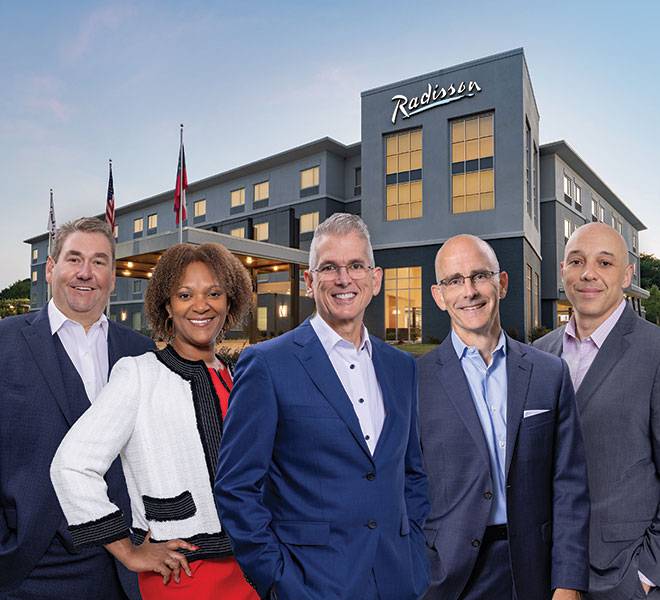
In a transformative deal completed in 2022, Choice Hotels International acquired the rights to the Radisson brand in the United States, Canada, Latin America, and the Caribbean. This acquisition effectively split the brand’s governance. If you are staying at a Radisson property within these regions, you are engaging with a hotel managed by Choice Hotels International, a company also known for brands like Comfort Inn and Quality Inn.
Operational Differences for the Guest
For the average guest, this split creates a distinct experience. Under the Choice Hotels International umbrella, the Radisson properties in North America are integrated into a vast franchise network that prioritizes standard operational efficiency and robust loyalty program integration. Meanwhile, the Radisson Hotel Group properties outside of these regions—managed by the international arm—often maintain a more luxury-focused approach, emphasizing boutique amenities and high-end conference facilities found in cities like London or Dubai.
The Evolution of the Radisson Brand Identity
The brand has undergone significant transformations, evolving from its origins as a mid-century American icon to a fragmented, globally owned entity. Originally founded in Minneapolis, Minnesota, the Radisson Hotel name was derived from the 17th-century French explorer Pierre-Esprit Radisson.
Historical Context and Growth
Throughout the 20th century, the brand expanded through the Carlson Companies, which cultivated a reputation for reliable business accommodations. The transition from a family-run American entity to a globally owned multinational conglomerate tracks the broader history of the hospitality industry itself—consolidation, international investment, and the pursuit of scale to compete with massive rivals like Marriott International or Hilton Worldwide.
Defining the Modern Portfolio
Today, the “Radisson” name is an umbrella for several sub-brands, each targeting a specific segment of the traveler market:
- Radisson Collection: Premium, luxury-oriented properties in historic or central city locations.
- Radisson Blu: Upscale, design-led hotels that cater to both business and leisure travelers in global hubs.
- Radisson RED: A lifestyle brand focused on younger travelers, featuring bolder design and social-centric atmospheres.
- Park Inn by Radisson: Mid-scale, no-nonsense hotels providing comfort and convenience.
Why Ownership Matters to the Traveler
While a guest checking into a Radisson Blu might not immediately think about corporate ownership, the structural reality impacts the quality of the stay. Ownership determines the capital investment poured into renovations, the standards of the loyalty program, and the consistency of the service across different countries.
Loyalty Programs and Rewards
The division between Choice Hotels International and Radisson Hotel Group means that loyalty points earned in Europe cannot always be used in North America. Travelers must be aware of these regional silos to ensure they maximize their rewards. This ownership nuance is critical for frequent flyers and business travelers who rely on status recognition to enhance their stays in major business capitals like Frankfurt or Singapore.

The Future of the Brand
The hospitality industry is increasingly defined by the battle for market share and technological dominance. With Jin Jiang International maintaining a firm grip on the global operations, and Choice Hotels International expanding its influence in the Americas, the Radisson brand is effectively operating in two different worlds.
For the traveler, this means that while the name on the building may remain the same, the experience, the loyalty structure, and the service culture can shift based on the geography of the property. Whether one is booking a stay in Paris or Miami, knowing who owns the hotel provides a clearer picture of the corporate values, standards, and strategic directions that ultimately shape the guest journey. As the industry continues to consolidate, the story of Radisson serves as a fascinating case study in how international investment keeps a classic brand relevant in a rapidly changing world.
LifeOutOfTheBox is a participant in the Amazon Services LLC Associates Program, an affiliate advertising program designed to provide a means for sites to earn advertising fees by advertising and linking to Amazon.com. Amazon, the Amazon logo, AmazonSupply, and the AmazonSupply logo are trademarks of Amazon.com, Inc. or its affiliates. As an Amazon Associate we earn affiliate commissions from qualifying purchases.