
The Boston Red Sox are more than just a baseball team; they are a cultural institution, a historical landmark, and a source of immense pride for the city of Boston and beyond. For fans who flock to Fenway Park each season, the question of ownership might seem secondary to the game itself, but behind the iconic Green Monster and the roar of the crowd lies a powerful ownership group that has reshaped the team’s destiny and left an indelible mark on the sport. Understanding who owns the Red Sox is to understand a story of ambitious investment, strategic business acumen, and a deep appreciation for both tradition and innovation.
The ownership of a professional sports franchise like the Red Sox has far-reaching implications, influencing everything from player acquisitions and stadium improvements to the team’s brand identity and its impact on local tourism and lifestyle. For visitors planning a trip to Boston, knowing about the team’s ownership can add another layer of appreciation for the history, the passion, and the economic engine that baseball represents in this vibrant New England city.
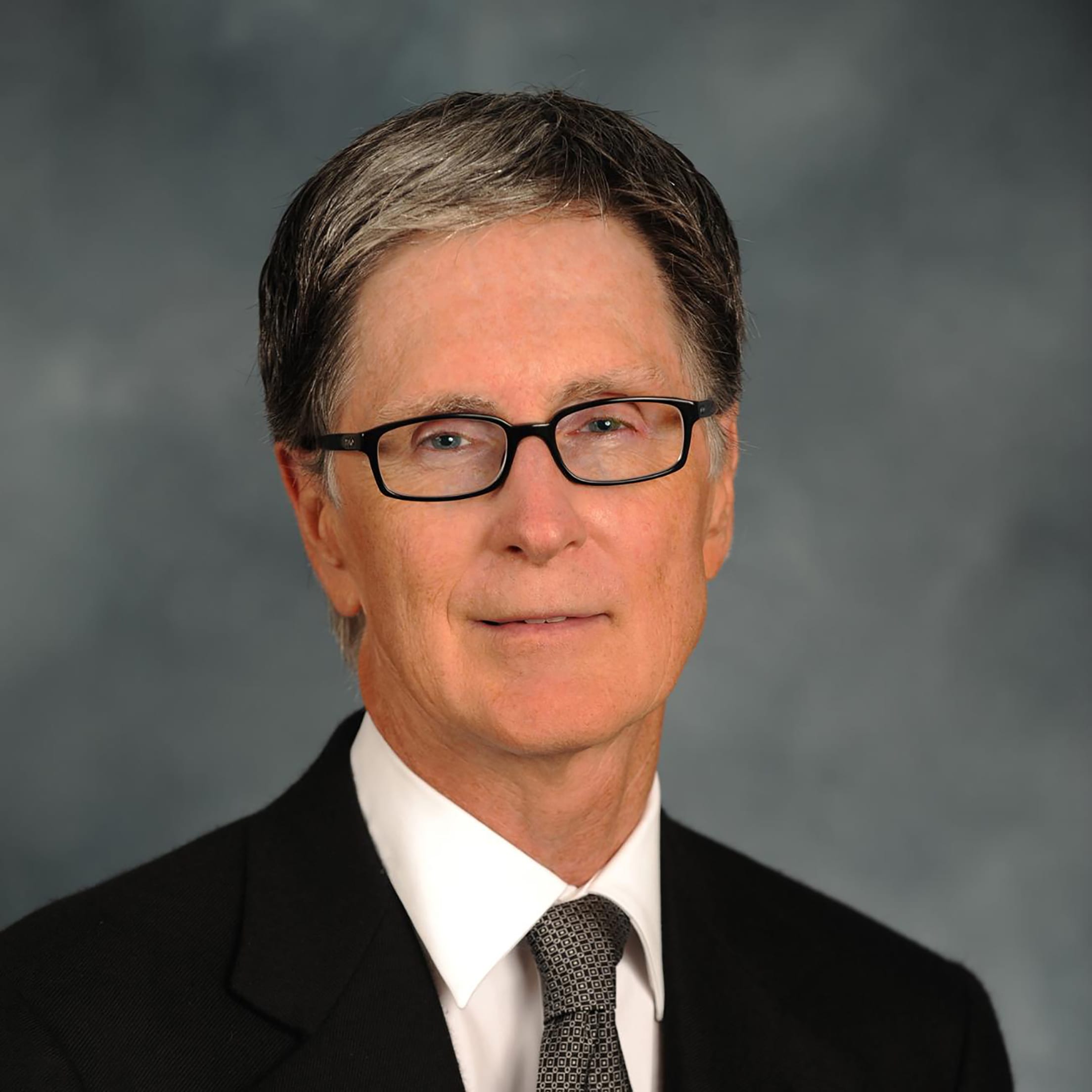
The Current Stewards: Fenway Sports Group
Since 2002, the Boston Red Sox have been proudly owned by Fenway Sports Group (FSG), a global sports, marketing, and media company headquartered in Boston. This transformative acquisition marked a new era for the franchise, signaling a departure from decades of more traditional ownership and ushering in a modern, analytically driven approach that has brought unprecedented success to the team.
Fenway Sports Group is led by its principal owner, John Henry, and chairman, Tom Werner, alongside president Mike Gordon. Their vision extended beyond merely owning a baseball team; they sought to create a diversified sports empire built on strategic investments, cutting-edge analytics, and a keen understanding of brand value. Their tenure has been characterized by a blend of reverence for the Red Sox’ storied past and a forward-thinking approach to sports management. This balance has allowed them to modernize the team’s operations while meticulously preserving the charm and historical significance of Fenway Park, a true Boston landmark.
The impact of Fenway Sports Group’s ownership on the Red Sox has been nothing short of revolutionary. Before their arrival, the team had endured an 86-year championship drought, famously known as the “Curse of the Bambino,” a phenomenon that captivated the imagination of sports fans and haunted generations of Red Sox faithful. Under FSG’s leadership, this curse was not just broken but shattered, with the team claiming four World Series championships in 2004, 2007, 2013, and 2018. These victories have not only brought joy to millions of fans but have also significantly boosted tourism to Boston, attracting visitors eager to experience the electric atmosphere of a championship-caliber team and a city that truly lives and breathes baseball.
The Architect of Success: John Henry and His Vision
John Henry is a financier and businessman with a long-standing interest in sports, particularly baseball. His background in commodities trading instilled in him a data-driven approach, which he famously applied to his sports ventures. He first gained recognition in baseball ownership circles with the Florida Marlins (now Miami Marlins) before setting his sights on the Boston Red Sox. His philosophy centers on using analytics and sound financial management to build sustainable success, rather than simply outspending competitors.
Henry’s vision for the Red Sox went beyond acquiring star players; it involved a holistic overhaul of the organization, from scouting and player development to marketing and fan engagement. This comprehensive strategy has been a hallmark of FSG’s success and has created a blueprint for modern sports franchises. For visitors exploring Boston, the tangible results of this vision are evident everywhere: the revitalized Fenway Park, the bustling atmosphere around Kenmore Square on game days, and the pervasive sense of a winning culture that permeates the city.
A Diverse Portfolio: Beyond Baseball
Fenway Sports Group’s ownership extends far beyond the diamond of Fenway Park. The group has meticulously built a diverse portfolio of sports and entertainment assets, making them one of the most influential entities in the global sports landscape. This includes the storied English Premier League football club Liverpool FC, which they acquired in 2010. Their ownership of Liverpool has mirrored their success with the Red Sox, bringing both domestic and international titles back to Anfield. More recently, FSG expanded its reach into American ice hockey, acquiring the Pittsburgh Penguins of the NHL.
Other notable holdings include Roush Fenway Keselowski (RFK) Racing, a prominent NASCAR racing team, and New England Sports Network, a regional sports television network that broadcasts Red Sox and Bruins games. This diverse collection of assets highlights FSG’s expertise in managing global sports brands and underscores their commitment to sports entertainment. For travelers, this expansive reach means that the FSG brand is synonymous with high-quality sports experiences, whether you’re catching a baseball game in Boston, a football match in Liverpool, or a hockey game in Pittsburgh. This interconnectedness also demonstrates the “lifestyle” aspect of sports, appealing to fans who integrate their passion for teams into their travel plans and entertainment choices.
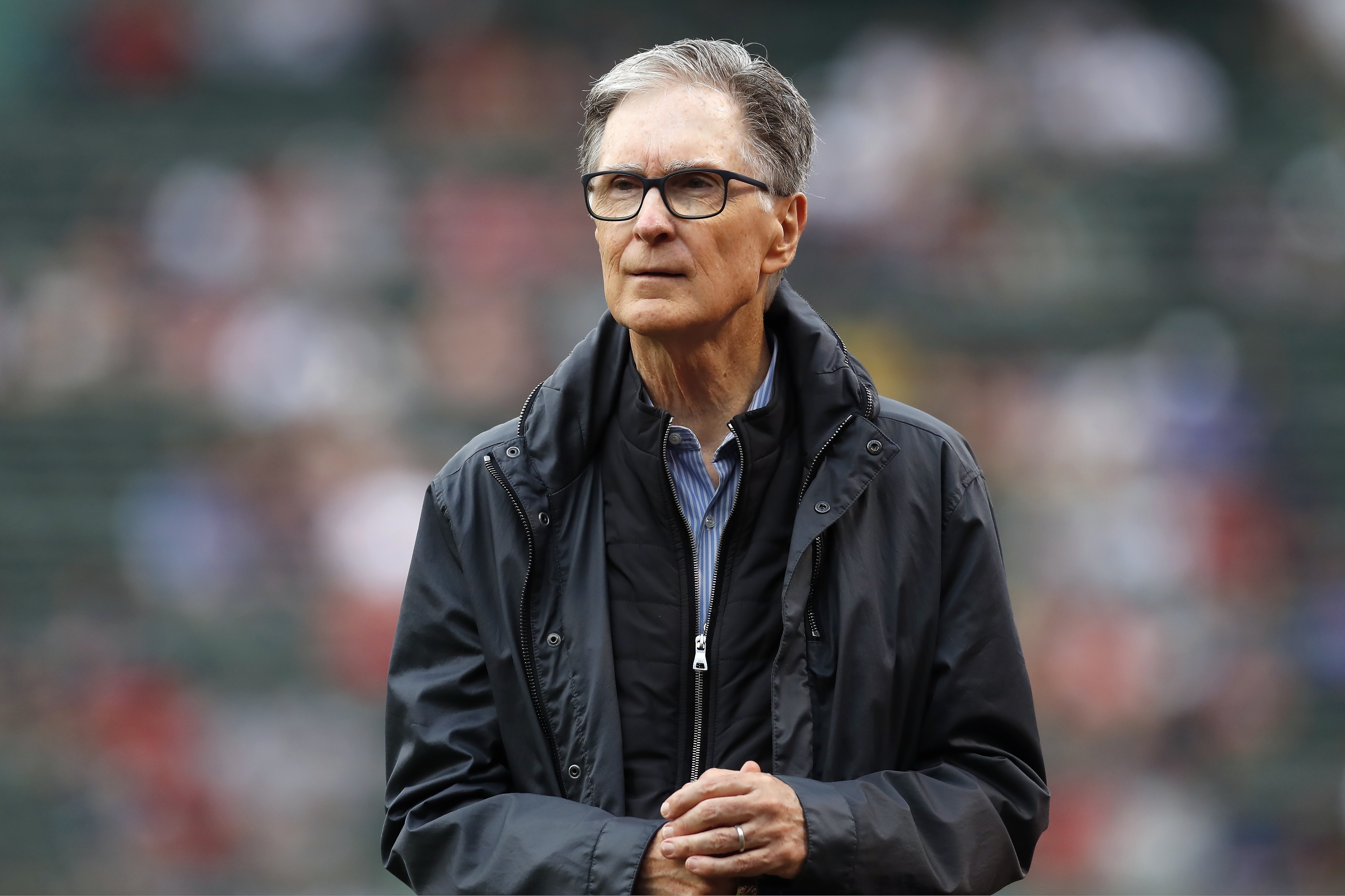
A Legacy Transformed: From Yawkey to FSG
The story of Red Sox ownership is a tapestry woven with rich history, deep-seated traditions, and a profound connection to the city of Boston. Before the arrival of Fenway Sports Group, the team had a long and distinct ownership history that shaped its identity for much of the 20th century.
The End of an Era: The Yawkey Trust
For 70 years, from 1933 to 2002, the Boston Red Sox were owned by the Yawkey family, primarily under the stewardship of Tom Yawkey. Yawkey’s ownership was legendary for its longevity and his unwavering devotion to the team, often spending lavishly to acquire top talent. He was known for his love of the game and his hands-on approach, frequently attending practices and games. Although the team achieved great success in individual seasons, including several American League pennants, a World Series title eluded them throughout his tenure.
After Tom Yawkey’s death in 1976, ownership passed to the Yawkey Trust, managed by his widow, Jean R. Yawkey, and later by her successor, John Harrington. This period was characterized by a more conservative approach to spending and management, leading to some frustration among the fan base yearning for a championship. The decision to sell the team in the early 2000s came amidst a changing landscape in Major League Baseball, where escalating player salaries and the need for significant stadium improvements demanded a new level of investment and business acumen. The sale represented a pivotal moment, closing a long chapter and opening the door for a fresh perspective.
The Dawn of a New Dynasty: The 2002 Acquisition
The acquisition of the Red Sox by Fenway Sports Group in 2002 was a landmark event in sports history. The group, then known as New England Sports Ventures, purchased the team, Fenway Park, and a significant portion of NESN for approximately $660 million, setting a new record for a sports franchise sale at the time. This massive investment signaled the new owners’ serious intent to revitalize the team and its venerable home.
The transition was not without its challenges, as loyal fans held deep attachments to the team’s history and traditions. However, John Henry, Tom Werner, and Mike Gordon quickly demonstrated their commitment not only to winning but also to preserving the unique character of the Red Sox experience. They understood that the charm of Fenway Park was as much a part of the team’s identity as its players. Their immediate focus on significant renovations to Fenway Park – adding seats, improving amenities, and enhancing the fan experience while maintaining its classic appeal – quickly won over skeptical fans. The crowning achievement, of course, came just two years later with the dramatic 2004 World Series victory, forever etching FSG into the annals of Red Sox lore and launching a new era of success and widespread fan enthusiasm.

Fenway Park: The Heartbeat of Boston Baseball
No discussion of the Boston Red Sox or their ownership would be complete without paying homage to Fenway Park. Built in 1912, it is the oldest active ballpark in Major League Baseball and arguably one of the most iconic sports venues in the world. Fenway Park is not just where the Red Sox play; it is a monument to baseball history, a cultural beacon, and a must-visit landmark for any tourist coming to Boston. Its distinct features, from the towering Green Monster in left field to the Pesky Pole in right, are instantly recognizable and evoke a sense of nostalgia even for first-time visitors.
Fenway Sports Group recognized the immense value of Fenway Park from day one. Instead of pursuing a new, modern stadium—a trend common among other sports franchises—FSG committed to preserving and enhancing Fenway‘s historical charm. This decision has been widely praised and underscores their understanding of the emotional connection fans have to the ballpark. Their investment in renovations has breathed new life into the old stadium, ensuring it remains a world-class venue while retaining its unique character.
A Living Landmark: Preserving History, Enhancing Experience
Under FSG’s ownership, Fenway Park has undergone a series of thoughtful and strategic renovations. These improvements were designed to modernize facilities and improve the fan experience without sacrificing the ballpark’s historic integrity. Additions like the seating atop the Green Monster, new concession areas, expanded concourses, and state-of-the-art video displays have transformed Fenway into a comfortable and contemporary venue, capable of hosting a diverse range of events beyond baseball games, including concerts and soccer matches.
The owners also made significant changes to the surrounding area, notably transforming the iconic Yawkey Way (now Jersey Street) into a vibrant, pedestrian-only concourse on game days. This area, bustling with food vendors, street performers, and merchandise stalls, creates an unparalleled pre-game atmosphere, embodying the lively local culture around Red Sox baseball. It’s an experience in itself, drawing fans and tourists alike into the festive spirit before they even step inside the gates. For those interested in history and architecture, daily guided tours of Fenway Park offer an incredible opportunity to explore behind the scenes and learn about the legends and lore that make this stadium so special. It’s a key attraction for any Boston itinerary, showcasing how a sports venue can also be a significant cultural landmark.
Planning Your Visit: Hotels, Travel, and Local Culture
For travelers, visiting Fenway Park for a Red Sox game is an quintessential Boston experience. The ballpark is conveniently located near several vibrant neighborhoods, offering a wide array of hotels and accommodation options to suit every budget and lifestyle.
- Hotels near Fenway: For those seeking convenience, hotels directly in the Fenway-Kenmore area, like the Hotel Commonwealth or the Boston Hotel Buckminster, offer easy walking access to the park.
- Luxury Stays: If luxury travel is your preference, downtown Boston or the Back Bay area offers world-class hotels such as the Fairmont Copley Plaza or the Four Seasons Hotel Boston. These locations provide excellent access to other Boston landmarks like Boston Common and the Freedom Trail, usually just a short subway or taxi ride from Fenway.
- Budget-Friendly Options: Travelers on a budget can find numerous guesthouses, apartments, and more affordable hotels further out, with convenient access to Boston’s efficient public transportation system, the “T.” Booking in advance, especially during peak season or for popular games, is highly recommended for securing the best rates and availability.
Beyond the game itself, the local culture around Fenway Park is rich with activities. Explore the nearby restaurants and bars, many of which have been serving Red Sox fans for generations. Sample classic Boston fare like clam chowder or lobster rolls, or grab a pre-game hot dog from a street vendor. For those staying longer, combine your baseball experience with visits to historical sites like Faneuil Hall, wandering through the charming streets of the North End, or enjoying the modern vibrancy of the Seaport District. A trip to Boston during baseball season offers a truly immersive experience that blends sports, history, and urban exploration.
The Economic and Cultural Impact of Red Sox Ownership
The ownership of a professional sports team like the Boston Red Sox transcends mere financial investment; it becomes a powerful engine for economic development and a significant contributor to the cultural fabric of a city. Fenway Sports Group’s stewardship has amplified this impact, turning the Red Sox into a global brand and a cornerstone of Boston’s identity.
Boosting Boston Tourism and Lifestyle
The Red Sox are a prime driver of tourism for Boston and the broader Massachusetts region. Each season, hundreds of thousands of fans from across the United States and internationally travel to witness a game at Fenway Park. This influx of visitors directly supports local businesses, from hotels and restaurants to souvenir shops and transportation services. The economic ripple effect is substantial, making the team’s success directly correlated with the city’s economic vitality.
Beyond direct tourism, the team contributes to Boston’s overall appeal as a destination. The excitement of a Red Sox season, particularly during playoff runs, creates a vibrant, celebratory atmosphere throughout the city, enhancing the lifestyle experience for both residents and visitors. The ability to attend a game at a historic ballpark, combined with the opportunity to explore Boston’s rich history and diverse attractions, makes it an ideal destination for family trips, business stays, and romantic getaways. FSG’s investment in both the team and Fenway Park has ensured that this economic engine continues to thrive, maintaining Boston’s status as a premier sports and travel destination.
More Than Just a Game: A Global Brand
Under Fenway Sports Group, the Boston Red Sox have cemented their status as a global sports brand. Their multiple World Series championships, combined with FSG’s marketing prowess and international sports portfolio (including Liverpool FC), have extended the Red Sox’ reach far beyond the borders of New England. This global recognition translates into greater viewership, merchandise sales, and an expanded fan base worldwide.
The modern ownership group understands that a sports franchise is a multifaceted business encompassing media rights, sponsorships, real estate development, and community engagement. The Red Sox are active participants in numerous philanthropic initiatives, using their platform to give back to the community, further endearing them to their loyal fans. This blend of shrewd business practices, a commitment to winning, and a genuine connection to the city forms the bedrock of Fenway Sports Group’s successful ownership model.
In conclusion, the question “Who owns the Boston Red Sox?” leads to the answer of Fenway Sports Group, a dynamic and visionary organization that has propelled the team into a new era of success. Their ownership has not only transformed the fortunes of the franchise but has also profoundly impacted the travel, tourism, and lifestyle landscape of Boston, solidifying the Red Sox’ place as an enduring symbol of excellence and a powerful magnet for visitors worldwide.
LifeOutOfTheBox is a participant in the Amazon Services LLC Associates Program, an affiliate advertising program designed to provide a means for sites to earn advertising fees by advertising and linking to Amazon.com. Amazon, the Amazon logo, AmazonSupply, and the AmazonSupply logo are trademarks of Amazon.com, Inc. or its affiliates. As an Amazon Associate we earn affiliate commissions from qualifying purchases.