
The Flamingo Hotel stands as an iconic pillar of the Las Vegas skyline, a neon-drenched testament to the city’s evolution from a dusty desert outpost to a global entertainment capital. For decades, guests have flocked to this pink-hued resort, seeking the allure of its vintage charm, its sprawling pool complex, and its legendary place in the history of Nevada. To understand who owns the property today is to understand the complex, ever-shifting landscape of modern corporate hospitality.
The Corporate Structure of Modern Las Vegas
In the contemporary era of the Las Vegas Strip, property ownership is rarely as simple as a single individual holding the deed. Instead, the landscape is defined by Real Estate Investment Trusts (REITs) and massive gaming conglomerates. The Flamingo is currently part of a sophisticated financial arrangement that separates the operation of the gaming and hotel business from the ownership of the physical real estate itself.
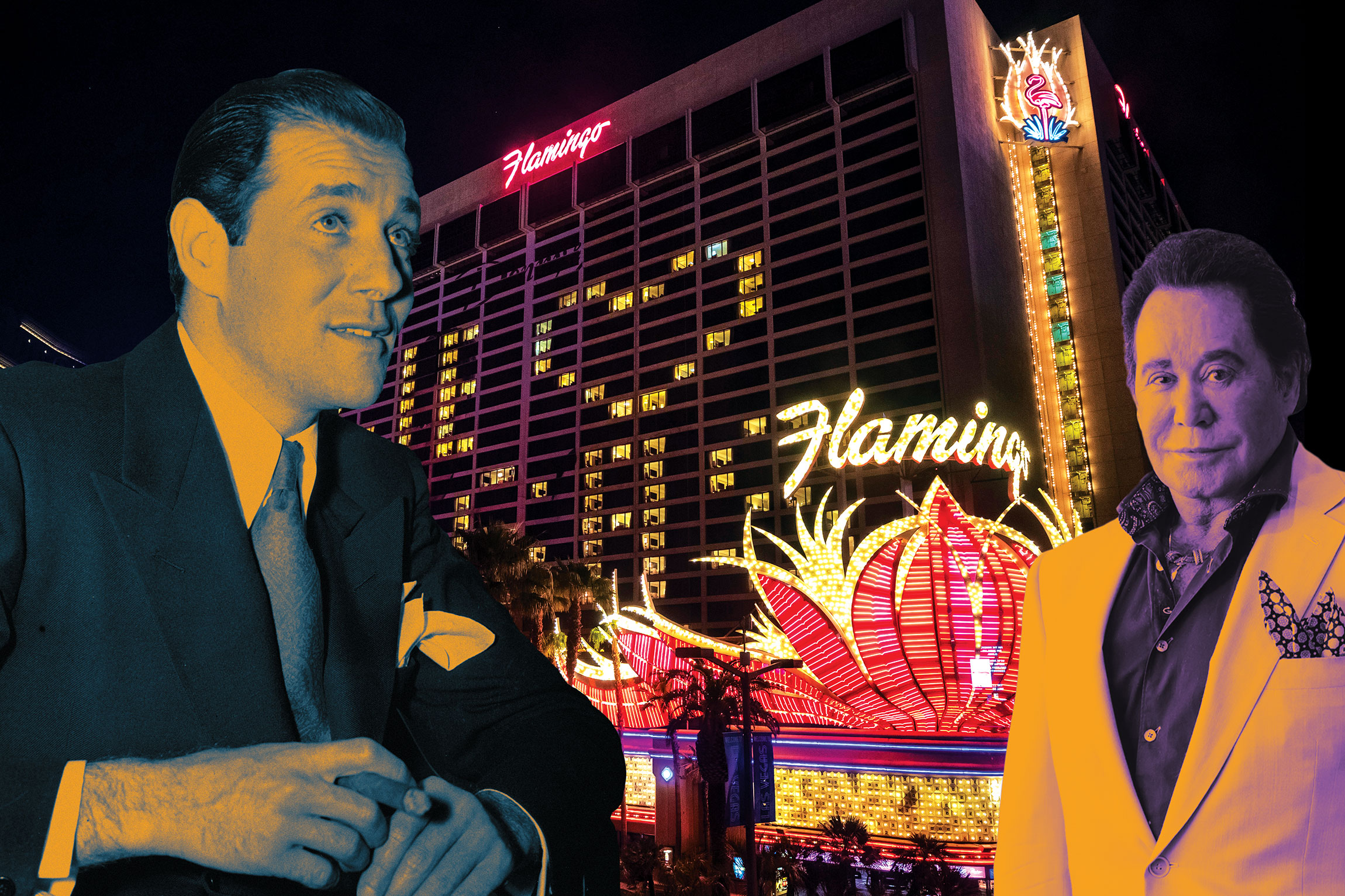
Caesars Entertainment and Operating Control
The operational master of the Flamingo Las Vegas is Caesars Entertainment. As one of the largest casino-entertainment companies in the world, Caesars manages the day-to-day business of the property. This includes the management of the hotel rooms, the staffing of the casino floor, the administration of the Wildlife Habitat, and the coordination of the various retail and dining outlets that populate the resort. When a guest books a room or walks onto the gaming floor, their experience is governed by the operational standards set forth by Caesars Entertainment.
VICI Properties: The Landlord
While Caesars Entertainment functions as the operator, the physical real estate of the Flamingo is owned by VICI Properties. This is a structural evolution that has become common across the United States. VICI Properties is a specialized REIT that owns the land and buildings of numerous major gaming properties. Under this “leaseback” arrangement, the operator pays rent to the landlord. This model allows the operating company to shed the heavy capital burden of real estate ownership while allowing the REIT to focus on the long-term value and maintenance of the physical site.
A Legacy of Ownership: From Bugsy Siegel to the Modern Era
To truly appreciate the current ownership status, one must look at the history that created the Flamingo. The resort was not always a corporate asset; it began as the vision of legendary figures who helped shape the trajectory of the American gaming industry.
The Vision of Benjamin “Bugsy” Siegel
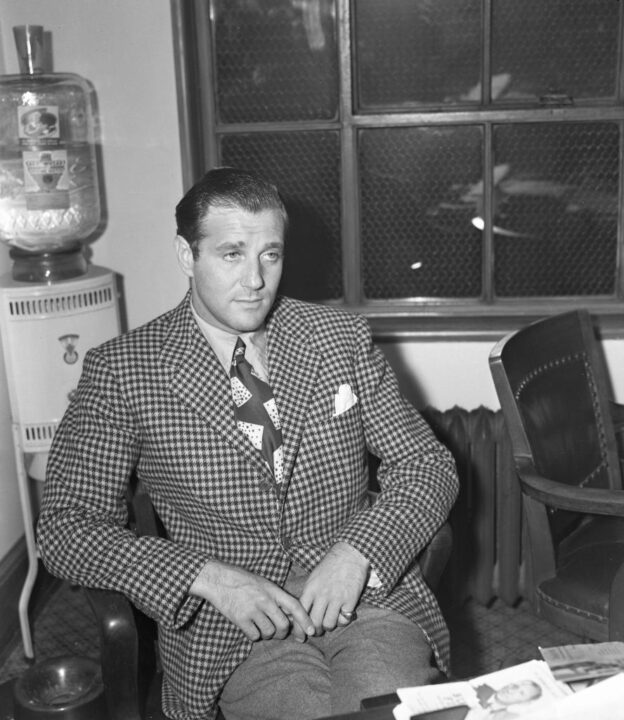
When the Flamingo first opened its doors in 1946, it was a symbol of mid-century excess and criminal enterprise. Bugsy Siegel famously invested millions into the project, bringing a touch of Hollywood glamour to the Mojave Desert. At the time, ownership was concentrated in the hands of private individuals and syndicates, a far cry from the publicly traded corporations of today. The Flamingo was meant to be a luxury oasis, and despite the turbulent history of its original financiers, it succeeded in setting the architectural template for every resort that followed on the Strip.
The Corporate Consolidation of the 20th Century

As Las Vegas moved away from its mid-century underworld associations, the ownership of landmark properties began to migrate into the hands of large gaming corporations. Throughout the late 20th century, the Flamingo passed through various hands, including Hilton Hotels & Resorts, which expanded the property significantly during its tenure as the owner and operator. These corporate years saw the shift from a single-theme casino to the mega-resort model that characterizes Nevada today.
Why Ownership Structure Matters to the Guest
While the average visitor might not spend much time contemplating REITs or operational leases, the structure of ownership directly impacts the guest experience. The partnership between Caesars Entertainment and VICI Properties is designed to ensure stability and continuous investment in the property’s amenities.
Investing in Amenities and Renovations
Because VICI Properties owns the asset, they have a vested interest in the long-term physical integrity of the structures. This often results in capital improvement projects, such as room renovations, updates to the Flamingo Pool, and enhancements to the exterior lighting and façade. Simultaneously, Caesars Entertainment focuses on the service-based aspects of the resort—the Flamingo Showroom, the loyalty program, and the quality of customer care. This division of labor allows each entity to leverage its specific expertise to keep the resort competitive in a crowded hospitality market.
The Future of the Flamingo
As Las Vegas continues to expand, the Flamingo occupies a prime piece of real estate at the intersection of Las Vegas Boulevard and Flamingo Road. Its central location makes it one of the most valuable assets in the Caesars portfolio. Whether through future renovations or potential brand repositioning, the ownership structure will play a crucial role in how the property evolves.
Understanding the Las Vegas Property Market
The ownership of the Flamingo is representative of a broader trend in the Hospitality Industry. By moving away from the private, singular owner-operator model of the 1940s, the Flamingo has found stability within the framework of massive, publicly held organizations.
The Role of Public Shareholders
In the modern model, the “owner” of the Flamingo is, in many ways, the collective group of shareholders who invest in both Caesars Entertainment and VICI Properties. This transparency ensures that the resort must remain profitable and well-maintained to satisfy the requirements of the market. While the romantic, individual ownership of a Las Vegas casino has largely vanished, it has been replaced by a rigorous, corporate-led approach that allows for the continued survival of historic icons like the Flamingo.
The Legacy of the Flamingo Name
Despite the complex layers of corporate ownership, the brand remains remarkably resilient. The Flamingo is not just a building; it is a cultural artifact of North America. From the iconic pink neon sign to the lush gardens that have become a sanctuary for wildlife, the identity of the resort remains distinct from its balance sheets. Whether managed by a gaming giant or owned by a real estate investment trust, the Flamingo remains the heart of the Strip, connecting guests to the past, present, and future of Las Vegas.
Ultimately, when you ask who owns the Flamingo Hotel, you are looking at the marriage of high-level finance and classic hospitality. It is a story of how a legendary Nevada destination has adapted to the demands of the modern world, ensuring that the legacy of the Flamingo continues to shine bright under the desert sun.
LifeOutOfTheBox is a participant in the Amazon Services LLC Associates Program, an affiliate advertising program designed to provide a means for sites to earn advertising fees by advertising and linking to Amazon.com. Amazon, the Amazon logo, AmazonSupply, and the AmazonSupply logo are trademarks of Amazon.com, Inc. or its affiliates. As an Amazon Associate we earn affiliate commissions from qualifying purchases.