
The ownership of a prominent resort like The Grand Timber Lodge in a renowned destination such as Breckenridge, Colorado, often sparks curiosity. Understanding the ownership structure can shed light on the resort’s operational philosophy, its commitment to guest experience, and its role within the local Breckenridge tourism landscape. While the intricacies of corporate ownership can be complex, a closer examination reveals the entities that hold the reins of this esteemed property.
Unpacking the Ownership Layers
The ownership of The Grand Timber Lodge is not a simple matter of a single individual or company. Like many large resorts and hotel chains, it often involves a multi-layered structure that can include private equity firms, management companies, and fractional ownership groups. This complexity is common in the hospitality industry, particularly for properties that are part of larger vacation ownership networks.
Corporate Structures and Management
At its core, The Grand Timber Lodge operates under the umbrella of a larger corporate entity. While the specific day-to-day management might be handled by a dedicated resort management company, the ultimate ownership often traces back to investment groups. These groups are typically focused on maximizing the asset’s value through strategic management, property development, and ensuring high occupancy rates. The management company is tasked with executing the vision set forth by the owners, which includes maintaining the property’s standards, managing staff, overseeing operations, and delivering a consistent guest experience.
Fractional Ownership and Its Impact
A significant aspect of ownership for properties like The Grand Timber Lodge relates to fractional ownership. This model allows multiple individuals or entities to own a share of a property, granting them usage rights for a specific period each year. These owners are essentially stakeholders in the resort, and their collective investment underpins the property’s existence. The resort’s management is then responsible for maintaining the property to a high standard for all fractional owners and their guests. This system ensures that the resort is well-maintained and continuously updated, as the owners have a vested interest in its upkeep and desirability. The collective investment from fractional owners contributes to the ongoing success and appeal of the resort.
The Role of Management Companies
While ownership determines the ultimate financial control and strategic direction, the operational success of The Grand Timber Lodge is heavily influenced by its management company. These companies are specialists in the hospitality sector, possessing the expertise to manage everything from guest services and housekeeping to marketing and financial administration. Their objective is to ensure that the resort runs smoothly, efficiently, and profitably, meeting the expectations of both the owners and the guests.
Operational Excellence and Guest Experience

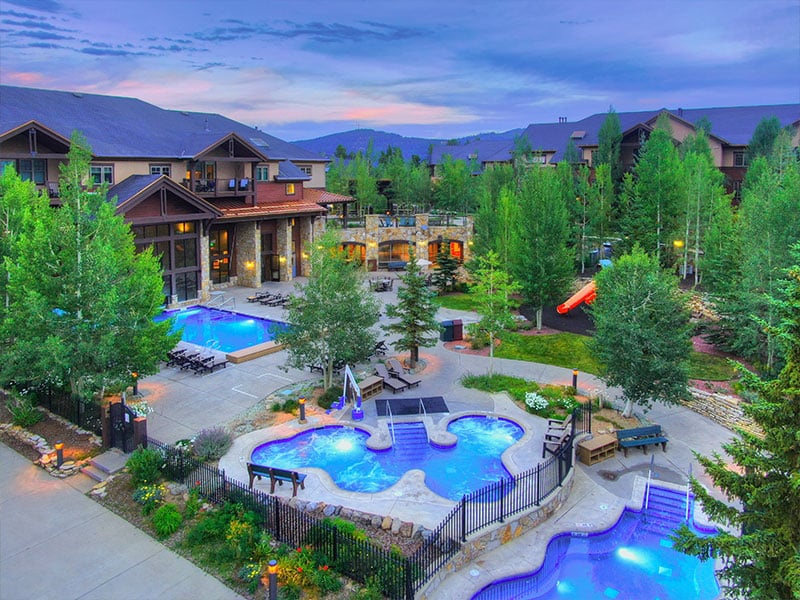
The management company is the direct link between the ownership’s vision and the guest’s reality. They are responsible for recruiting and training staff, implementing service standards, and ensuring that the amenities offered at The Grand Timber Lodge—such as its ski-in/ski-out access, swimming pools, hot tubs, and on-site dining options—are maintained and operated to the highest level. Their focus on operational excellence directly translates into the quality of the guest experience, which is paramount for repeat business and positive reviews in a competitive destination like Breckenridge.
Strategic Development and Investment
Beyond daily operations, management companies also play a crucial role in strategic development. This can involve identifying opportunities for property upgrades, new amenities, or marketing initiatives to enhance the resort’s appeal. They work closely with the owners to advise on investment decisions, ensuring that capital is allocated effectively to maintain and improve the property’s value and competitiveness. This forward-thinking approach is essential for a resort operating in a dynamic market like Breckenridge, which continuously attracts visitors seeking premium vacation experiences.
[Breckenridge]’s Hospitality Landscape and Ownership
Understanding the ownership of The Grand Timber Lodge also provides context for its position within the broader Breckenridge hospitality landscape. Breckenridge is a premier ski destination, attracting a diverse range of visitors, from avid skiers and snowboarders to families and those seeking a mountain getaway. The resort’s ownership structure impacts its ability to compete and thrive in this vibrant market.
Competing with Other Resorts
The ownership model of The Grand Timber Lodge influences its competitive strategy. Resorts owned by large corporations or investment groups often have access to significant capital for marketing, upgrades, and partnerships, enabling them to compete effectively with other major players in Breckenridge, such as The Lodge at Breckenridge or properties affiliated with larger hotel brands. The financial backing can also allow for flexibility in pricing and package deals, making it attractive to a wider range of travelers.
Impact on Local Community and Economy
The ownership structure can also have implications for the local community in Breckenridge. Resorts with a strong focus on fractional ownership, for instance, can bring a consistent stream of visitors throughout the year, benefiting local businesses and services. Furthermore, the investment decisions made by the owners, often guided by the management company, can lead to property development and infrastructure improvements that benefit the entire town. The employment generated by such a large resort also plays a significant role in Breckenridge’s economy.

The Enduring Appeal of [Breckenridge]
Ultimately, the ownership of The Grand Timber Lodge is intrinsically linked to the enduring appeal of Breckenridge, Colorado itself. The town’s legendary skiing, charming Main Street, and array of year-round activities make it a sought-after destination. Resorts like The Grand Timber Lodge, regardless of their specific ownership structure, benefit from this inherent desirability. The owners and management are tasked with ensuring that the resort upholds the high standards expected by visitors flocking to this iconic mountain town, contributing to the overall positive reputation of Breckenridge as a world-class vacation spot.
LifeOutOfTheBox is a participant in the Amazon Services LLC Associates Program, an affiliate advertising program designed to provide a means for sites to earn advertising fees by advertising and linking to Amazon.com. Amazon, the Amazon logo, AmazonSupply, and the AmazonSupply logo are trademarks of Amazon.com, Inc. or its affiliates. As an Amazon Associate we earn affiliate commissions from qualifying purchases.