
The distinctive Kimpton Hotels brand, known for its stylish boutique accommodations and personalized guest experiences, operates under a unique ownership structure that has evolved over time. Understanding this structure provides insight into the brand’s strategic direction, its integration within a larger hospitality conglomerate, and the operational philosophies that define its success. While the name “Kimpton” evokes a sense of independent luxury, the reality of its ownership is intertwined with one of the world’s leading hotel companies.
The Genesis and Evolution of Kimpton Hotels
Founded by Bill Kimpton in 1981, Kimpton Hotels & Restaurants began as a pioneer in the boutique hotel movement. Bill Kimpton, a real estate developer, envisioned a different kind of lodging experience – one that offered individuality, comfort, and a strong sense of place, diverging from the standardized offerings of major hotel chains at the time. His initial properties, such as the Hotel Vintage Court in San Francisco, were designed to feel more like a private residence than a commercial establishment, featuring a unique ambiance, artful décor, and amenities that catered to the discerning traveler.
The core philosophy established by Bill Kimpton centered on “radical individuality” and a commitment to genuine hospitality. This included empowering hotel staff to create memorable experiences for guests, often through unexpected gestures and personalized service. This ethos resonated with travelers seeking an alternative to the predictable, laying the groundwork for the brand’s enduring appeal.
For decades, Kimpton operated as an independent entity, growing its portfolio and solidifying its reputation for distinctive design and social hour. This period of organic growth allowed the brand to cultivate a strong identity and a loyal following. The company’s commitment to social responsibility and sustainability also became a hallmark, further distinguishing it in the hospitality landscape.
The Acquisition by InterContinental Hotels Group
A significant turning point in the ownership of Kimpton Hotels occurred in December 2014 when InterContinental Hotels Group (IHG) announced its acquisition of Kimpton Hotels & Restaurants for $430 million. This landmark deal integrated the independent boutique brand into the vast portfolio of one of the largest hotel companies globally.
The acquisition was strategic for IHG, aiming to bolster its presence in the luxury and boutique segment of the market. Kimpton offered IHG a ready-made, well-respected brand with a proven track record in markets where IHG sought to expand its footprint. For Kimpton, becoming part of IHG provided access to a global reservation system, extensive marketing power, and the financial resources to accelerate its expansion and development plans.
Crucially, the acquisition was structured to preserve Kimpton’s core identity and operational independence. IHG committed to maintaining the unique culture, design aesthetic, and guest experience that defined Kimpton. This was vital for retaining the brand’s existing customer base and for continuing to attract travelers seeking the Kimpton experience. The operational model allows Kimpton hotels to retain their distinct personalities while benefiting from the global reach and operational efficiencies of IHG. This dual approach has been instrumental in the brand’s continued success and growth.
The Role of IHG in Kimpton’s Operations
While the acquisition brought Kimpton under the IHG umbrella, the operational management of the hotels largely remained within the Kimpton framework, guided by IHG‘s overarching standards and strategies. This means that individual Kimpton properties still often boast their own general managers and on-site teams dedicated to upholding the brand’s unique spirit.
IHG‘s involvement primarily supports Kimpton through:
- Global Distribution and Reservations: Leveraging IHG‘s extensive booking channels, including its website, mobile app, and global call centers, significantly enhances the accessibility and booking convenience for potential guests.
- Loyalty Program Integration: Kimpton hotels are integrated into IHG Rewards, IHG‘s customer loyalty program. This allows members to earn and redeem points across the entire IHG portfolio, including Kimpton properties, further incentivizing stays and fostering brand loyalty.
- Strategic Development and Expansion: IHG‘s resources facilitate Kimpton’s expansion into new markets and the development of new properties. This includes access to capital for new builds and acquisitions, as well as expertise in site selection and project management.
- Operational Standards and Best Practices: While preserving Kimpton’s unique identity, IHG also ensures that all properties adhere to its high operational and safety standards, contributing to a consistent and reliable guest experience across the brand.
- Marketing and Brand Promotion: IHG‘s marketing expertise and global reach amplify Kimpton’s brand visibility, reaching a broader audience of travelers who may not have previously been familiar with the boutique brand.
Preserving the Kimpton Culture
A key consideration in the acquisition was how to safeguard the distinct culture that made Kimpton so appealing. IHG recognized that the brand’s success was intrinsically linked to its individuality, its commitment to the arts, its pet-friendly policies, and its signature social hour. To this end, the operational framework allows for continued autonomy in areas such as interior design, local programming, and staff empowerment.
General managers and hotel teams at Kimpton properties are encouraged to infuse their local surroundings into the hotel’s character, from the artwork on display to the food and beverage offerings. This localized approach ensures that each Kimpton hotel feels unique to its city and region, a crucial element of the boutique experience. The emphasis on personalized service, where staff are empowered to anticipate and fulfill guest needs, also remains a cornerstone of the Kimpton brand.
Ownership Structures of Individual Kimpton Properties
It is important to distinguish between the ownership of the Kimpton brand itself and the ownership of the individual hotel properties that operate under the Kimpton flag.
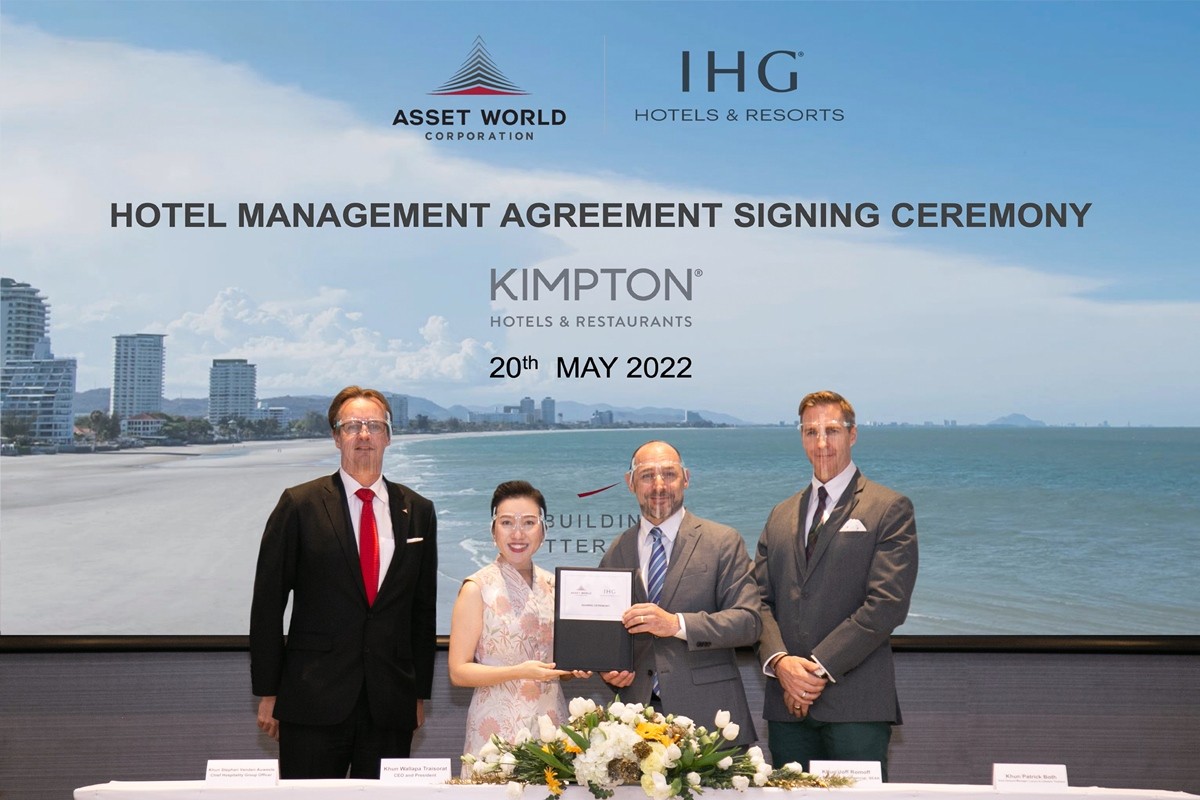
While IHG owns the Kimpton brand and manages its operations and growth, the physical hotel buildings are often owned by different entities. These can include real estate investment trusts (REITs), private equity firms, or individual ownership groups. In many cases, IHG (or its subsidiary operating Kimpton) enters into long-term management agreements with these property owners. Under these agreements, the owner retains ownership of the real estate, while IHG is responsible for the day-to-day management, marketing, and operation of the hotel as a Kimpton property.
This common model in the hotel industry allows for brand expansion without requiring the brand owner to bear the full cost of real estate acquisition and development for every new property. It also provides opportunities for various real estate investors to participate in the success of a strong brand like Kimpton.
The Role of Franchise Agreements
While many Kimpton hotels operate under management agreements, some might also operate under franchise agreements. Under a franchise model, the property owner licenses the right to use the Kimpton brand and its operating system from IHG. The owner is then responsible for developing, constructing, and operating the hotel in accordance with IHG‘s standards and brand guidelines, while paying fees to IHG for the use of the brand and its support services. This model also facilitates expansion by allowing independent owners to align with a successful brand.
The Future of Kimpton Hotels
The ownership of Kimpton Hotels by IHG has provided a stable foundation for continued growth and development. The brand has successfully expanded its global footprint, with new properties opening in key destinations across the Americas, Europe, and Asia. The integration with IHG‘s infrastructure has enabled Kimpton to reach new markets and attract a wider demographic of travelers who appreciate its distinctive blend of style, comfort, and personalized service.
Looking ahead, Kimpton is poised to continue its trajectory as a leading force in the boutique hotel sector. The ongoing commitment from IHG to preserve the brand’s unique culture, coupled with the strategic advantages of being part of a global hospitality powerhouse, ensures that Kimpton will remain a compelling choice for travelers seeking an exceptional and memorable stay. The brand’s ability to adapt while staying true to its founding principles suggests a bright future, marked by continued innovation and a dedication to authentic hospitality.
LifeOutOfTheBox is a participant in the Amazon Services LLC Associates Program, an affiliate advertising program designed to provide a means for sites to earn advertising fees by advertising and linking to Amazon.com. Amazon, the Amazon logo, AmazonSupply, and the AmazonSupply logo are trademarks of Amazon.com, Inc. or its affiliates. As an Amazon Associate we earn affiliate commissions from qualifying purchases.