
The rise of the Las Vegas Golden Knights stands as one of the most remarkable chapters in the history of professional sports. When the franchise took to the ice at T-Mobile Arena, it didn’t just bring professional hockey to the desert; it fundamentally transformed the cultural fabric of Las Vegas. To understand how a city long thought to be an impossible market for major league sports became a perennial powerhouse, one must look at the ownership and the strategic vision behind the organization.
The Foley Vision and the Birth of a Franchise
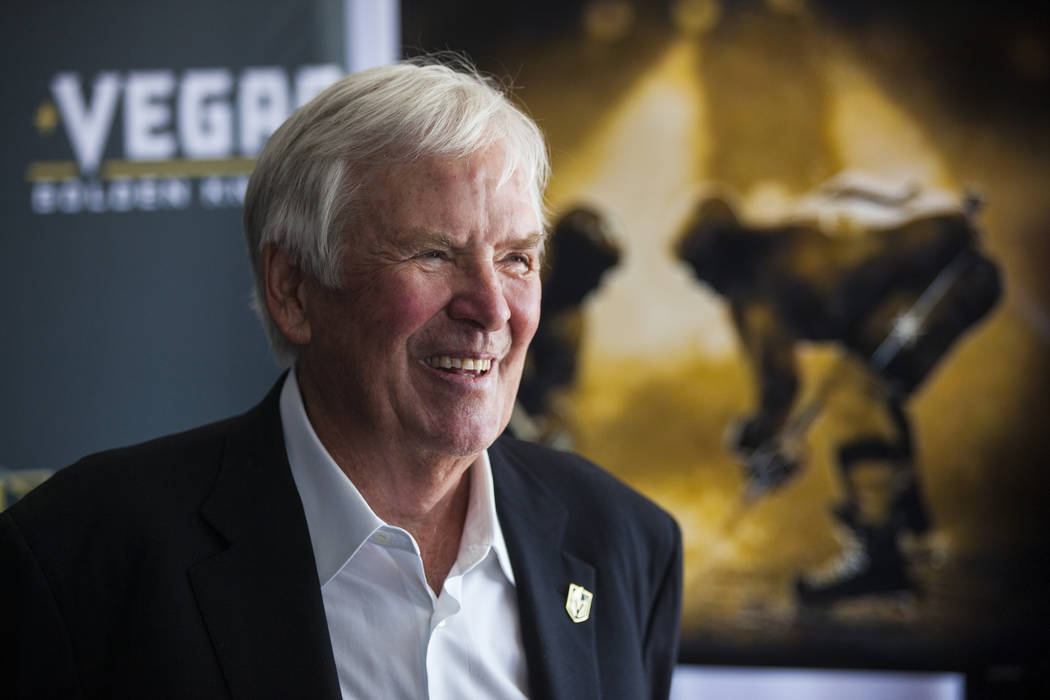
The story of the Golden Knights is inextricably linked to the ambition of Bill Foley. A billionaire businessman and philanthropist, Foley spearheaded the effort to bring an NHL expansion team to Nevada. His tenure as the majority owner has been defined by a “Vegas Born” philosophy that emphasizes community engagement and an uncompromising standard of excellence.
From Concept to Reality
Before the team played a single game, Foley invested heavily in establishing a identity that resonated with locals. He recognized that for the team to succeed in a city built on Tourism, it first had to capture the hearts of the residents. By building a practice facility, the City National Arena, in the Summerlin community, the ownership ensured that the team remained accessible to the public rather than feeling like an exclusive asset for visitors on the Las Vegas Strip.
The Commitment to “Vegas Born”
The ownership group leaned into the unique geography and culture of the region. The team’s branding, centered around knights and armor, reflects a dedication to values like courage and commitment—traits that mirror the resilience of a city that grew out of the Mojave Desert. This alignment between ownership goals and local identity is why the Knights were able to command such intense loyalty from day one.
The Business Structure and Ownership Group
While Bill Foley is the face of the organization, the ownership structure involves a broader group of investors who saw potential in a sports market that had been ignored by the four major leagues for decades.
Private Equity and Local Stakes
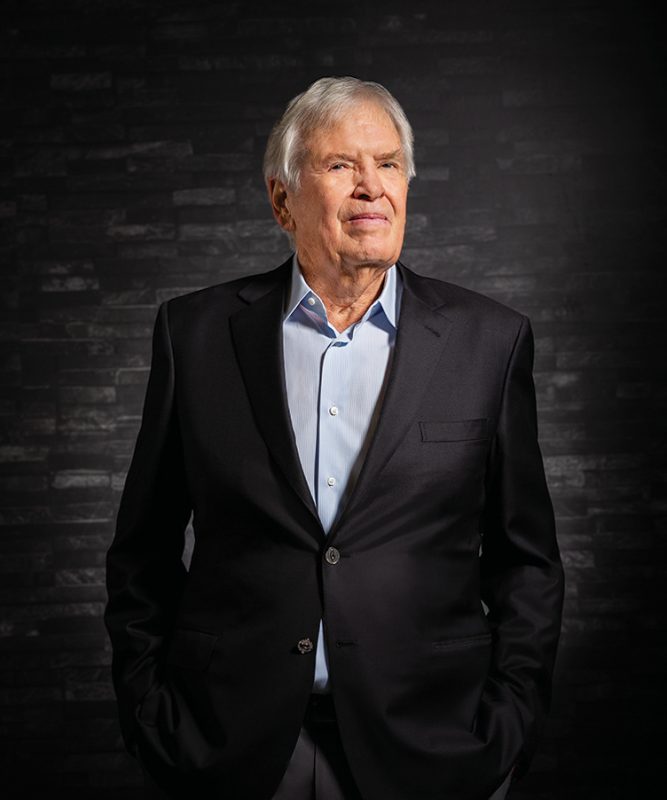
The Black Knight Sports & Entertainment group, led by Foley, operates as the primary holding entity for the franchise. This group includes a mix of private equity interests and influential business figures who understood that Las Vegas was transitioning from a purely gaming-centric destination to a diversified entertainment hub. This evolution was essential, as it convinced the NHL Board of Governors that the city was a viable home for a long-term sports asset.
Infrastructure as an Asset
Part of the ownership strategy involved capitalizing on the existing infrastructure. By utilizing a state-of-the-art arena located in the heart of the Resort Corridor, the owners were able to integrate the team into the luxury hospitality ecosystem. This is why you will frequently see the team collaborating with major Las Vegas Resorts for promotional events and fan experiences, effectively blurring the lines between professional sports and world-class entertainment.
Economic Impact on the Local Tourism Ecosystem
The influence of the team’s ownership extends far beyond the final score on the scoreboard. Their presence has become a significant driver of visitation for the city, influencing how people plan their trips to Nevada.
Transforming the Sports Travel Industry
Before the arrival of the team, visitors primarily traveled to the region for gaming, conventions, or Las Vegas Shows. Today, “sports tourism” is a pillar of the local economy. Fans from cities like Toronto, New York, and Chicago now prioritize Las Vegas as a destination specifically to watch their teams compete against the home side. The ownership’s focus on the “fan experience”—from pre-game shows to the interactive atmosphere in the arena—has set a new standard for how sports can coexist with Luxury Travel.
Synergy with Local Attractions
The success of the franchise has spurred investment in surrounding areas. The area around Park MGM and the broader Las Vegas Boulevard has seen a resurgence in foot traffic as fans congregate before and after games. By partnering with hotels, casinos, and high-end dining establishments, the team has effectively integrated into the Nevada Tourism model, ensuring that the team is a beneficiary of the massive flow of international and domestic visitors.
The Legacy of Success
Looking at the tenure of the ownership, it is clear that they have succeeded where many critics thought they would fail. The franchise has not only brought a Stanley Cup home to Nevada but has also validated the concept of the Las Vegas Valley as a legitimate professional sports town.
A Model for Future Franchises
The Golden Knights model is now being studied by other leagues and cities. It proves that ownership must be active, local-centric, and willing to invest in the lifestyle of the community rather than just the sports team itself. The team’s ownership has managed to create a brand that is just as recognizable as the iconic Welcome to Fabulous Las Vegas Sign or the Bellagio Fountains.
Future Outlook
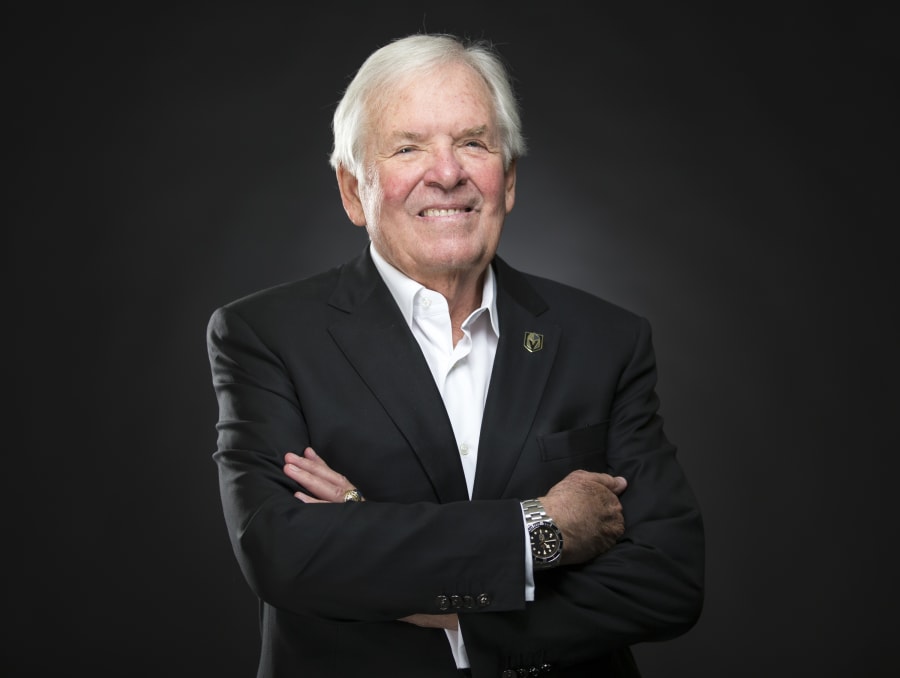
As the NHL continues to grow, the Golden Knights remain a benchmark for excellence. The commitment shown by the ownership group to maintain high-quality rosters and top-tier facilities ensures that the team will remain a focal point of the Southwest United States sports landscape for decades to come. Their ability to bridge the gap between a high-stakes professional organization and a community-driven local team is perhaps their greatest achievement.
In summary, the ownership of the team is more than just a matter of corporate names on a balance sheet; it is about the vision of a group that turned a desert city into a hockey town. Whether you are a dedicated fan or a visitor stopping by for a game during your stay at the Caesars Palace, the impact of the ownership’s decisions is felt in every corner of the arena and throughout the entire Las Vegas experience.
LifeOutOfTheBox is a participant in the Amazon Services LLC Associates Program, an affiliate advertising program designed to provide a means for sites to earn advertising fees by advertising and linking to Amazon.com. Amazon, the Amazon logo, AmazonSupply, and the AmazonSupply logo are trademarks of Amazon.com, Inc. or its affiliates. As an Amazon Associate we earn affiliate commissions from qualifying purchases.