
In the vibrant tapestry of Los Angeles, a city synonymous with glamour, innovation, and iconic attractions, the ownership of its professional sports teams often reflects the very essence of its dynamic character. Few narratives in recent sports history have been as dramatic and transformative as that of the Los Angeles Clippers. Once a franchise mired in controversy and underperformance, the Clippers now stand as a beacon of ambitious resurgence, largely thanks to the vision and deep pockets of their current owner, Steve Ballmer.
Ballmer, a titan of the tech world and former Microsoft CEO, acquired the team in 2014, ushering in an era defined by unparalleled investment, a relentless pursuit of excellence, and an unwavering commitment to both the team and the city it calls home. His ownership goes beyond mere financial backing; it’s a testament to how personal passion can reshape a sports franchise, elevate its standing as a major urban attraction, and influence the broader lifestyle and tourism landscape of a global metropolis. This article delves into the fascinating journey of the Clippers’ ownership, exploring the dramatic shift from a controversial past to a future brimming with potential, and how this saga intertwines with the allure of Los Angeles as a premier travel destination and a hub for luxurious sports experiences.
The Dawn of a New Era: Steve Ballmer’s Vision
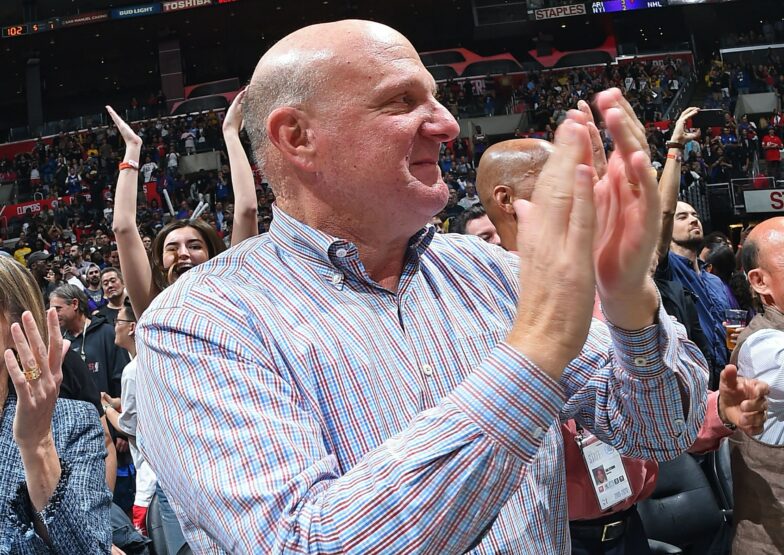
The acquisition of the Los Angeles Clippers by Steve Ballmer in 2014 marked a pivotal moment, not just for the franchise but for the entire NBA. It was a transaction borne out of unprecedented circumstances, but it quickly became the foundation for a complete philosophical overhaul of the organization. Ballmer’s approach to sports ownership is unique; it blends a corporate understanding of scale and innovation with the fervent passion of a true fan. This combination has already begun to reshape the identity of the Clippers and its place within the competitive Los Angeles sports market, making game days and team activities increasingly attractive experiences for both locals and visitors.
From Microsoft to NBA Courtside: Ballmer’s Passion
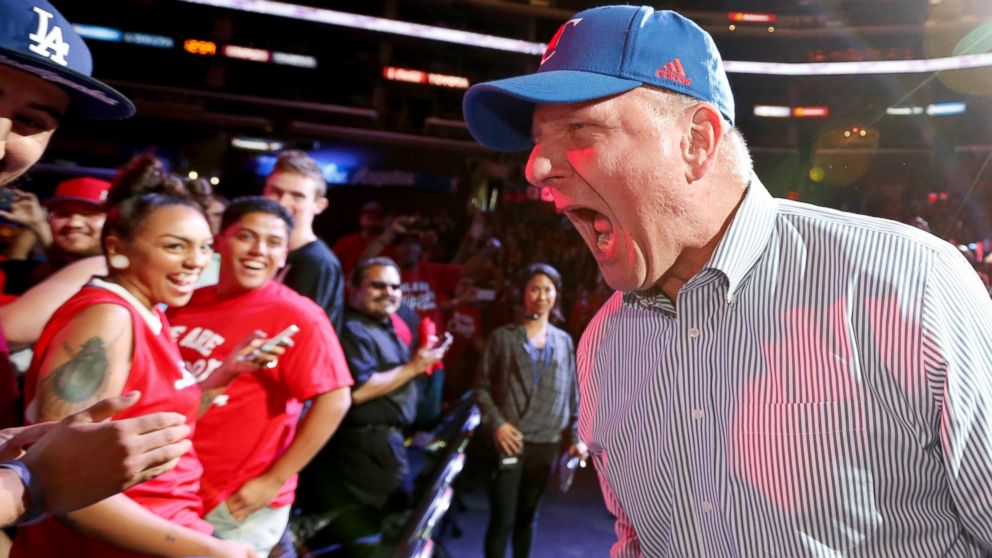
Steve Ballmer’s journey from leading one of the world’s most influential technology companies, Microsoft, to becoming an NBA team owner is a testament to his boundless energy and his lifelong love for basketball. Known for his boisterous courtside antics and infectious enthusiasm, Ballmer doesn’t merely own the team; he embodies its spirit. His initial bid to purchase the Seattle Supersonics years prior demonstrated his deep-seated desire to be involved in the league, a desire that finally materialized with the Clippers.
Under Ballmer’s stewardship, the Clippers have seen an incredible injection of resources and strategic thinking. He has invested heavily in scouting, player development, and cutting-edge sports science, transforming the team’s operational infrastructure. This commitment extends beyond the court, influencing the “lifestyle” aspect of being a Clippers fan. From improved in-arena technology to enhanced fan engagement initiatives, Ballmer is creating an experience that rivals the best in professional sports. For travelers seeking premium entertainment and unique cultural immersion in Los Angeles, a Clippers game under Ballmer’s leadership is increasingly becoming a must-do “attraction,” offering a glimpse into the high-energy world of NBA basketball and the vibrant local sports scene.
The Intuit Dome: A New Landmark for Inglewood
Perhaps the most tangible symbol of Steve Ballmer’s ambitious vision is the ongoing construction of the Intuit Dome, a state-of-the-art arena located in Inglewood, California. This project is not merely about building a new home for the Clippers; it’s about creating a new “landmark” and an economic engine for the region. Designed with fan experience at its core, the Intuit Dome promises to be an architectural marvel and a technological wonderland, setting new standards for sports and entertainment venues.
This massive undertaking will feature innovative amenities such as standing-room-only sections with unparalleled views, a massive LED scoreboard, and a focus on sustainability. More than just a basketball court, the Intuit Dome is envisioned as a year-round “destination” for concerts, events, and community gatherings. Its presence in Inglewood is expected to spur significant urban revitalization, attracting new businesses, “hotels,” and “accommodation” options to the area. For tourists exploring the greater Los Angeles area, the Intuit Dome will soon represent a major draw, offering world-class entertainment and contributing significantly to California’s tourism appeal. The impact on local “tourism” and economic growth, particularly in terms of hospitality and event-related travel, is projected to be substantial, cementing its status as a new cornerstone of the city’s cultural and entertainment landscape.
The Controversial Past: The Sterling Era
Before the arrival of Steve Ballmer, the story of the Los Angeles Clippers was largely defined by decades of struggle and controversy under the ownership of Donald Sterling. This period, stretching over 33 years, was marked by consistent losing seasons, a perceived lack of investment in the team, and eventually, a scandal that rocked the NBA and captured international headlines. Understanding this tumultuous past is crucial to appreciating the profound transformation the franchise has undergone and the fresh perspective Ballmer brought to the table.
Donald Sterling’s Long and Tumultuous Tenure
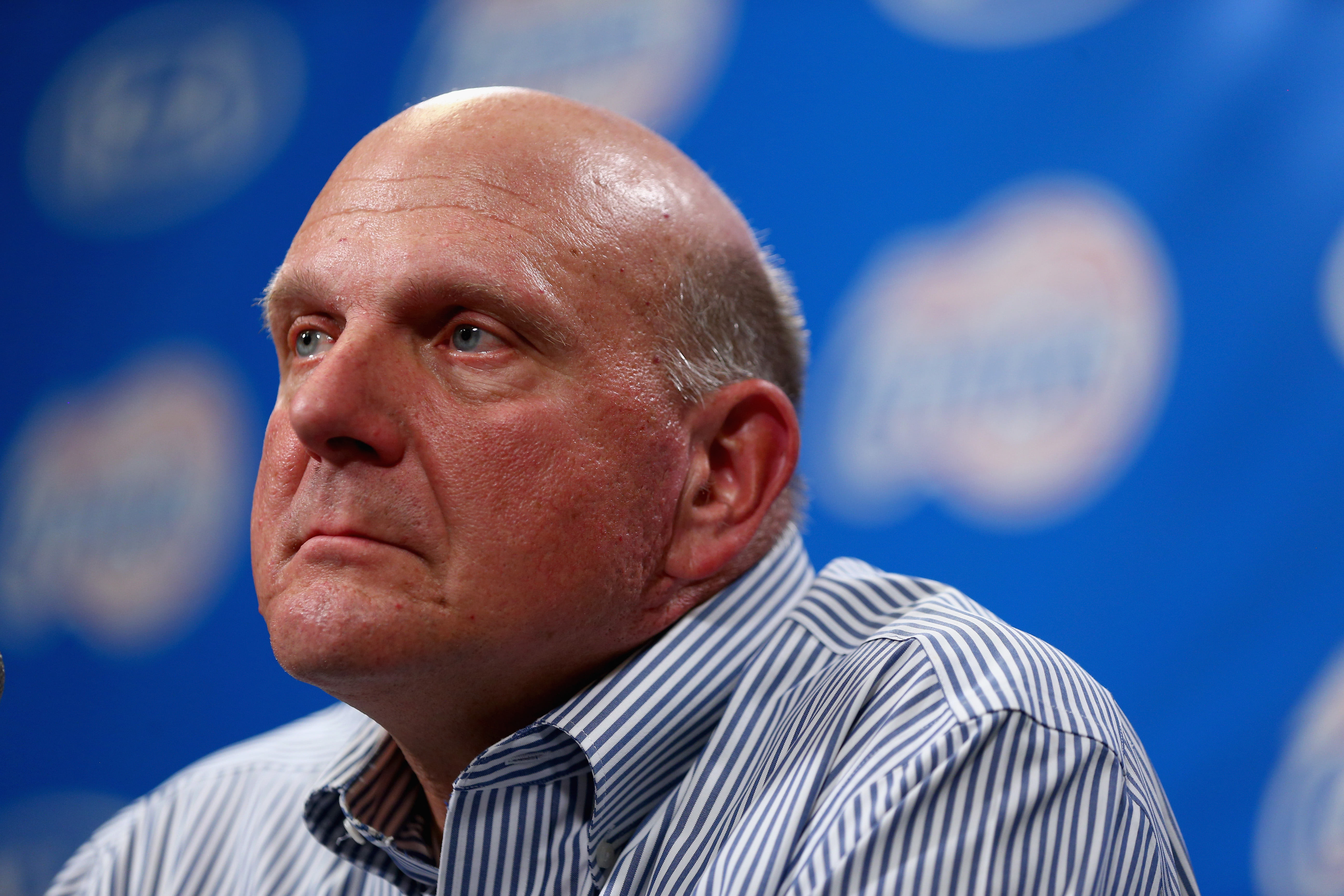
Donald Sterling purchased the Clippers in 1981, moving them from San Diego to Los Angeles in 1984. For the vast majority of his ownership, the team was synonymous with mediocrity, often ridiculed as one of the worst franchises in professional sports. This era was characterized by a perceived frugality, a revolving door of coaches and players, and a general disinterest from the city’s sports fans, who largely gravitated towards the more successful and glamorous Los Angeles Lakers.
Beyond the court, Sterling’s reputation was frequently tarnished by legal battles and allegations of racial discrimination in his real estate empire, hinting at a problematic “lifestyle” and business ethics that eventually spilled over into his sports ownership. The lack of success on the court and the owner’s controversial off-court persona combined to create a challenging environment for players, staff, and fans alike. The Clippers during this time struggled to establish a strong brand identity or cultivate a significant fan base, making it a challenging “destination” for aspiring players and a less compelling “attraction” for even the most dedicated basketball enthusiasts compared to their crosstown rivals.
The Unprecedented Sale and NBA Intervention
The unraveling of Donald Sterling’s ownership reached its dramatic climax in April 2014, when recordings of racist remarks made by Sterling became public. The ensuing outcry was immediate and widespread, drawing condemnation from players, fans, sponsors, and the highest echelons of the NBA. Commissioner Adam Silver acted swiftly and decisively, banning Sterling for life from the NBA and initiating the process to force a sale of the team.
This unprecedented intervention marked a critical turning point. Sterling’s wife, Shelly Sterling, who was a co-owner, successfully negotiated the sale of the team on behalf of the family trust, circumventing Donald Sterling’s attempts to block it. The eventual buyer was Steve Ballmer, who purchased the team for a staggering $2 billion, an amount that far exceeded expectations at the time and set a new record for a North American sports franchise. This monumental transaction not only resolved a deeply damaging crisis for the NBA but also signaled a new dawn for the Clippers, transforming their narrative from one of shame to one of ambitious rejuvenation. The incident itself became a landmark moment in sports ethics and ownership responsibility, demonstrating the powerful influence of public opinion and media on the business of sports.
The Clippers Effect: Beyond the Basketball Court
The change in ownership of the Los Angeles Clippers has reverberated far beyond the confines of the basketball court, creating a ripple effect that touches upon economic development, urban revitalization, and the broader cultural fabric of Los Angeles. Under Steve Ballmer’s leadership, the franchise is not just pursuing championships; it’s actively contributing to the city’s appeal as a premier travel “destination” and enhancing the quality of life for its residents through significant investments and community engagement.
Economic Impact and Urban Revitalization in Los Angeles
Major sports franchises, especially those with visionary owners, serve as powerful economic anchors for their cities. The Clippers’ transformation, particularly with the development of the Intuit Dome in Inglewood, exemplifies this impact. The construction of the arena alone generates thousands of jobs, from skilled labor to administrative positions, providing a significant boost to the local economy. Once operational, the Intuit Dome will create a permanent ecosystem of employment in hospitality, retail, security, and event management.
Beyond direct employment, the presence of a world-class arena and a revitalized sports franchise stimulates growth in surrounding businesses. Local “hotels” and various “accommodation” options will see increased bookings from visiting teams, fans, and event attendees. Restaurants, bars, and shops in Inglewood and neighboring areas will benefit from increased foot traffic and spending, enhancing the overall “tourism” experience. The Intuit Dome is poised to become a catalyst for further urban development, attracting new investments in infrastructure and real estate, transforming Inglewood into an even more dynamic and attractive part of the Los Angeles metropolitan area. This kind of investment not only boosts the economy but also enriches the “local culture” by providing new gathering places and entertainment options.
Fan Experience and Lifestyle Enhancements
For dedicated fans and casual visitors alike, attending a sporting event is about more than just the game; it’s an immersive “experience” that contributes to their “lifestyle.” Steve Ballmer’s ownership has placed a strong emphasis on elevating this experience. From the moment fans step into the arena, they are met with state-of-the-art facilities, innovative technological integrations, and a vibrant atmosphere designed to maximize engagement and enjoyment. The upcoming Intuit Dome promises to push these boundaries even further, with features specifically tailored to enhance every aspect of game day.
Luxury suites, premium seating, and diverse “food” and beverage options cater to a range of preferences, making a Clippers game a premier choice for everything from corporate outings and business stays to family trips and special occasions. The commitment to a winning team and an exceptional fan experience also fosters a stronger sense of community and pride among Clippers supporters, weaving the team more deeply into the fabric of Los Angeles’s “local culture.” These improvements extend to the digital realm, with advanced apps and online platforms making it easier for fans to book tickets, navigate the arena, and engage with the team. For those seeking “luxury travel” experiences, attending a Clippers game at their new home will undoubtedly become a highlight on any Los Angeles itinerary, offering unparalleled entertainment and a glimpse into the cutting-edge of sports hospitality.
In conclusion, the ownership of the Los Angeles Clippers by Steve Ballmer represents more than just a change of hands for a professional sports team. It signifies a profound shift towards innovative investment, community engagement, and a commitment to excellence that extends far beyond the basketball court. From the dramatic narrative of its acquisition to the ambitious construction of the Intuit Dome, Ballmer’s vision is reshaping the Clippers into a powerhouse franchise and a key contributor to the economic and cultural vibrancy of Los Angeles. As a premier “destination” for sports, entertainment, and urban exploration, the future of the Clippers under Ballmer’s dynamic leadership promises to deliver thrilling “experiences” for fans and visitors, solidifying their place in the heart of this iconic California city.
LifeOutOfTheBox is a participant in the Amazon Services LLC Associates Program, an affiliate advertising program designed to provide a means for sites to earn advertising fees by advertising and linking to Amazon.com. Amazon, the Amazon logo, AmazonSupply, and the AmazonSupply logo are trademarks of Amazon.com, Inc. or its affiliates. As an Amazon Associate we earn affiliate commissions from qualifying purchases.