
The allure of the Los Angeles Lakers is undeniable. This iconic basketball franchise, synonymous with championships, legendary players, and the glitz and glamour of Hollywood, evokes passion not just from its devoted fanbase but also from those who appreciate the business and strategic acumen behind such a powerful entity. While the roar of the crowd and the squeak of sneakers on hardwood might be the immediate associations, the question of ownership delves into a more complex world of investment, legacy, and brand management. Understanding who holds the reins of the Los Angeles Lakers offers a fascinating glimpse into the dynamics of professional sports ownership, a realm where passion for the game intersects with significant financial power and long-term vision.

The ownership structure of a professional sports franchise like the Los Angeles Lakers is rarely a simple, single-person affair. Instead, it often involves a carefully constructed entity, a partnership or a consortium of investors who collectively steer the team’s direction. This approach allows for the pooling of resources, the sharing of risk, and the diverse application of expertise – from business strategy to marketing and even player personnel decisions. For a team with the historical weight and brand recognition of the Lakers, the ownership group needs to be as formidable as the players on the court.
The Legacy of Ownership: From Jerry Buss to Jeanie Buss
The modern era of the Los Angeles Lakers is inextricably linked to the visionary leadership of Dr. Jerry Buss. Upon purchasing the team in 1979, Dr. Buss ushered in an unprecedented era of success and revolutionized the fan experience. He understood that basketball was more than just a game; it was entertainment, a spectacle that blended athletic prowess with the vibrant culture of Los Angeles. His philosophy, often referred to as “Showtime,” infused the team with a flair for the dramatic, attracting not only basketball aficionados but also celebrities and a broader audience seeking an engaging night out.
Dr. Buss’s acquisition of the Lakers was a pivotal moment. He bought the team, along with the Forum and the Los Angeles Strings tennis team, for $67.5 million. This was a significant investment at the time, but it proved to be one of the most astute business decisions in sports history. Under his stewardship, the Lakers won ten NBA championships, solidifying their status as one of the most dominant franchises in professional sports. His ability to attract and nurture talent, both on and off the court, was unparalleled. He built a dynasty that transcended the sport, becoming a cultural phenomenon.
Following Dr. Jerry Buss’s passing in 2013, the ownership of the Los Angeles Lakers transitioned to his heirs. The primary steward of this legacy is his daughter, Jeanie Buss, who serves as the controlling owner and president of the team. Jeanie Buss has embraced her father’s vision while also navigating the evolving landscape of the NBA. Her leadership is crucial in maintaining the team’s competitive edge and its appeal as a premier entertainment destination. She represents the continuity of the family’s commitment to the franchise and its fans.
The Buss Family’s Continuing Influence
The Buss family’s ownership is a defining characteristic of the Los Angeles Lakers. Jeanie Buss is not the sole owner; rather, she is the controlling owner, acting on behalf of the entire Buss family trust. This trust holds the majority of the shares in the team, ensuring that the family’s legacy and vision continue to guide the franchise. This familial control is common in many long-standing professional sports franchises, where generational stewardship is seen as a way to maintain a consistent ethos and long-term perspective.
While Jeanie Buss holds the ultimate decision-making power, she works closely with a management team and often with her siblings who also hold significant stakes in the franchise. This collaborative approach, stemming from the family trust, allows for a blend of strategic vision and operational execution. The family’s deep-rooted connection to the Lakers provides a sense of stability and tradition that resonates with fans and players alike. It’s a testament to the enduring power of family ownership in the world of professional sports.
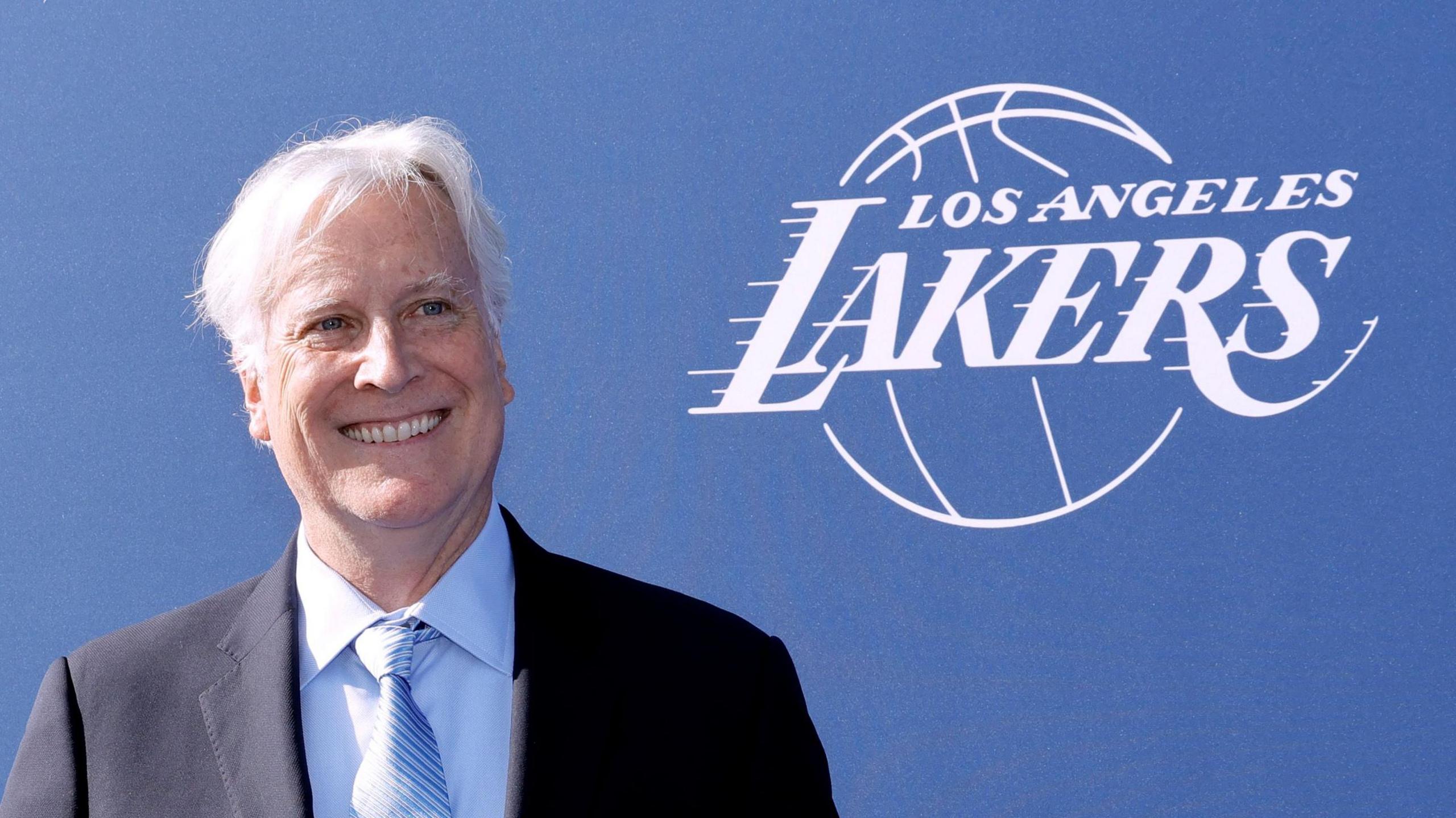
The Business of Basketball: Beyond the Court
The ownership of the Los Angeles Lakers extends far beyond the team’s performance on the basketball court. It encompasses a vast business enterprise that includes broadcasting rights, merchandise, endorsements, and the management of their home venue, the Crypto.com Arena (formerly the Staples Center). This multifaceted business model is what makes the Lakers such a valuable asset.
Financial Powerhouse and Strategic Investments
The Los Angeles Lakers are consistently ranked among the most valuable sports franchises in the world. Their immense brand recognition, coupled with the lucrative NBA media deals and sponsorship opportunities, generates substantial revenue. This financial power allows the ownership to invest heavily in player salaries, coaching staff, and state-of-the-art facilities, all aimed at maintaining a competitive advantage.
Beyond operational revenues, the ownership group also considers the Lakers as a strategic investment. The team’s value has appreciated dramatically over the decades, making it a significant asset for the Buss family. This financial aspect is crucial; while passion for the game is undoubtedly present, sound financial management and a long-term investment strategy are essential for the sustained success and profitability of such a high-profile franchise. The value of the Lakers is not just measured in championships but also in their robust economic performance.
The Wider Ecosystem: Lakers, Los Angeles, and Lifestyle
The ownership of the Los Angeles Lakers is deeply intertwined with the city of Los Angeles itself. The team is more than just a sports franchise; it’s a cultural institution that reflects the dynamism and aspirations of Southern California. This connection influences everything from player recruitment to marketing strategies and the overall fan experience.
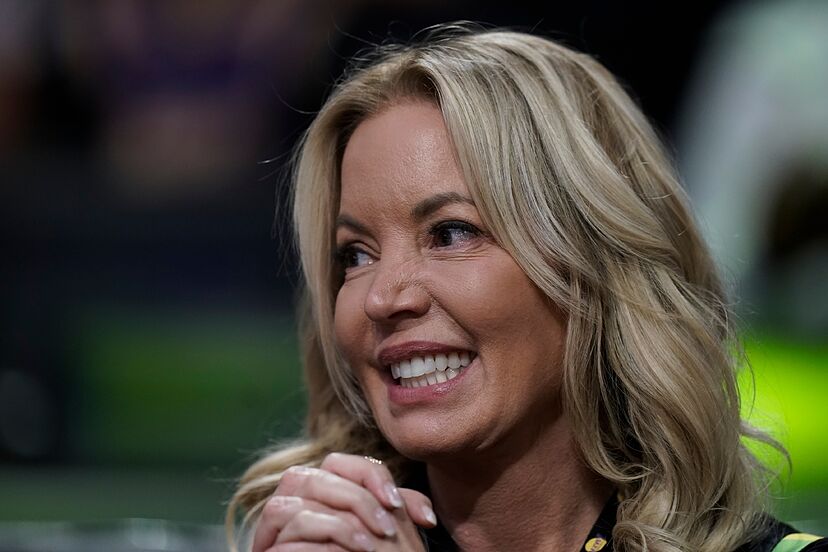
Impact on Tourism and Local Culture
The Los Angeles Lakers are a significant draw for tourism. Visitors from around the world flock to Los Angeles to experience the magic of a Lakers game at the Crypto.com Arena. The team’s star players, legendary status, and the vibrant atmosphere surrounding a game create an unforgettable travel experience. For many tourists, attending a Lakers game is a bucket-list item, a chance to witness a piece of American sporting history firsthand.
The team’s presence also contributes to the local culture of Los Angeles. The “Showtime” era, in particular, blurred the lines between sports and entertainment, attracting celebrities to games and solidifying the Lakers’ image as a symbol of Hollywood glamour. This cultural impact extends to merchandise, fashion, and a general sense of pride among residents. The ownership’s decisions, therefore, have a ripple effect that influences the city’s identity and its appeal as a global destination. The lifestyle associated with the Lakers is one of aspirational success, athletic excellence, and undeniable entertainment value, making them a cornerstone of the Los Angeles experience.
In conclusion, the question of “Who Owns The Los Angeles Lakers?” is answered by the enduring legacy of the Buss family, led by Jeanie Buss. Their stewardship embodies a unique blend of sporting passion and astute business acumen, ensuring that the Lakers remain not only a competitive force on the NBA hardwood but also a globally recognized brand and a significant contributor to the vibrant tapestry of Los Angeles and its tourism landscape. The ownership of the Los Angeles Lakers is a story of vision, legacy, and the powerful synergy between sports, business, and lifestyle.
LifeOutOfTheBox is a participant in the Amazon Services LLC Associates Program, an affiliate advertising program designed to provide a means for sites to earn advertising fees by advertising and linking to Amazon.com. Amazon, the Amazon logo, AmazonSupply, and the AmazonSupply logo are trademarks of Amazon.com, Inc. or its affiliates. As an Amazon Associate we earn affiliate commissions from qualifying purchases.