
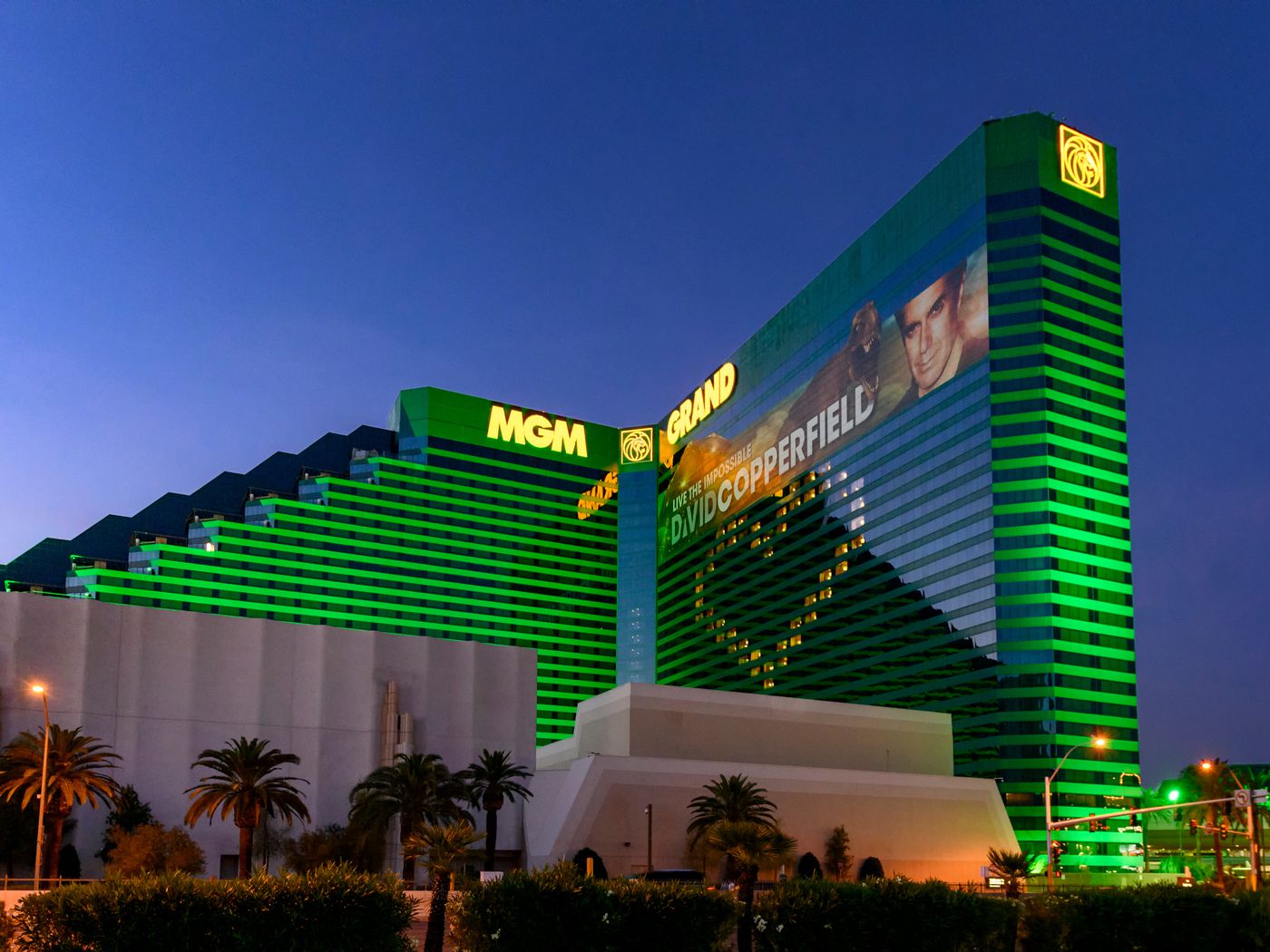
The skyline of Las Vegas, Nevada, is defined by its architectural marvels, but few structures are as recognizable as the emerald-green façade of the MGM Grand Hotel. For decades, this massive resort has stood as a symbol of the grandeur and ambition that define the United States hospitality industry. However, the question of who actually owns the MGM Grand Hotel has become increasingly complex in recent years. As the hospitality landscape shifts toward sophisticated financial models, the distinction between the entity that owns the physical real estate and the company that operates the resort has become a crucial distinction for industry insiders and curious travelers alike.

Today, the ownership of the MGM Grand Hotel is a testament to the “asset-light” strategy that has swept through the Las Vegas Strip. This approach separates the valuable land and buildings from the day-to-day management of the hotel and casino operations. To understand who holds the keys to this iconic property, one must look at the intersection of real estate investment trusts and global entertainment conglomerates.
The Modern Ownership Structure: VICI Properties and the REIT Revolution
The primary owner of the real estate underlying the MGM Grand Hotel is VICI Properties, a massive real estate investment trust (REIT) based in New York City. This represents a significant shift from the traditional model where a single company owned both the land and the business. In the modern era of Las Vegas finance, the physical assets of many mega-resorts are held by REITs, which focus solely on owning property and collecting rent, while the operations are handled by hospitality specialists.
The Role of VICI Properties
VICI Properties has quickly become one of the largest landowners on the Las Vegas Strip. Their acquisition of the MGM Grand Hotel real estate was part of a larger, multi-billion-dollar transaction that solidified their dominance in the market. By owning the land, VICI Properties provides a stable foundation for the resort’s physical existence, while the operational risks and rewards are offloaded to another entity. This structure is highly attractive to investors who want exposure to the lucrative Nevada gaming market without the volatility of daily casino operations.
The Transition from The Blackstone Group
Before VICI Properties assumed full control of the real estate, the MGM Grand Hotel was part of a joint venture involving The Blackstone Group, one of the world’s largest private equity firms. In 2020, MGM Resorts International sold the real estate assets of the MGM Grand Hotel and Mandalay Bay to a joint venture between MGM Growth Properties and The Blackstone Group. Eventually, VICI Properties acquired MGM Growth Properties and subsequently bought out The Blackstone Group’s interest, making them the sole landlord of the property.
The Sale-Leaseback Model
This ownership dynamic is governed by a “triple-net lease.” In this arrangement, MGM Resorts International pays a significant annual rent to VICI Properties. In exchange, MGM Resorts International retains the rights to all profits generated by the hotel, casino, and restaurants, but they also take on the responsibility for all operating expenses, including taxes, insurance, and maintenance. This model allows the operating company to free up capital for expansion and technology, while the REIT enjoys a steady, predictable income stream.
The Operational Giant: MGM Resorts International
While VICI Properties owns the buildings, the name on the door and the team running the show belong to MGM Resorts International. This global hospitality and entertainment company is responsible for everything a guest experiences, from the check-in desk to the world-class entertainment stages. MGM Resorts International is a public company traded on the New York Stock Exchange, meaning that while it “owns” the brand and the operations, it is ultimately owned by thousands of individual and institutional shareholders.
Managing a Portfolio of Icons
The MGM Grand Hotel is the flagship of the company’s portfolio, but MGM Resorts International manages several other world-renowned properties. Their roster includes the Bellagio, known for its dancing fountains, and the Aria Resort & Casino, a masterpiece of modern architecture. They also operate the Luxor Hotel, the Excalibur Hotel, and Park MGM. By managing such a diverse array of resorts, the company can leverage a massive loyalty program, MGM Rewards, which keeps guests returning to their properties across Las Vegas and the world.
The Legacy of Kirk Kerkorian
The history of MGM Resorts International and the MGM Grand Hotel is inextricably linked to the legendary businessman Kirk Kerkorian. He was the visionary who built the original MGM Grand Hotel (now Horseshoe Las Vegas) and later the current iteration that stands today. Kirk Kerkorian was known as the “father of the mega-resort,” and his penchant for massive, high-end developments set the stage for the corporate ownership structures we see today. Though he passed away in 2015, his influence remains in the sheer scale and ambition of the property.
Global Expansion and Digital Frontiers

Under its current leadership, MGM Resorts International has looked beyond the United States. The company has a significant presence in Macau, China, through MGM China Holdings Limited. Furthermore, the company has pivoted toward the digital space with BetMGM, a joint venture that has become a leader in online sports betting and gaming. This diversification shows that while the company may not own the physical land of the MGM Grand Hotel anymore, its business reach is broader and more complex than ever before.
Architecture and Amenities: The Assets Being Managed
To understand why the MGM Grand Hotel is such a valuable asset for both VICI Properties and MGM Resorts International, one must look at the scale of the facility itself. Located in Paradise, just south of the Las Vegas city limits, the resort is one of the largest hotel complexes in the world.
The Emerald City Architecture
When the MGM Grand Hotel opened in 1993, it featured an extensive Wizard of Oz theme, complete with a yellow brick road and characters from the film. While the literal theme has been phased out in favor of a more contemporary “Hollywood Grand” aesthetic, the signature green glass remains. The main building stands 293 feet tall and contains 30 floors. It is a landmark that can be seen from almost anywhere in the Las Vegas Valley, serving as a permanent advertisement for the brand.
Rooms, Suites, and The Mansion
The MGM Grand Hotel boasts 6,852 rooms, making it the largest single hotel in the United States. The accommodation options range from standard guest rooms to the ultra-luxurious Skylofts at MGM Grand, which are two-story boutique lofts located on the top floors. For the most exclusive guests, The Mansion at MGM Grand provides a secluded Mediterranean-style villa experience that is hidden from the general public. These various levels of accommodation allow MGM Resorts International to capture every segment of the market, from budget-conscious tourists to high-rolling celebrities.
Entertainment and the Grand Garden Arena
The property is also home to the MGM Grand Grand Garden Arena, a venue that has hosted some of the most significant boxing matches and concerts in history. From performances by The Rolling Stones to championship fights featuring Floyd Mayweather, the arena is a major revenue driver. Additionally, the resort features the Kà by Cirque du Soleil theater, which was a pioneer in using a massive, rotating stage. These attractions ensure that the hotel remains a destination even for those not staying in the rooms.
The Economic Context of Las Vegas Ownership
The ownership of the MGM Grand Hotel does not exist in a vacuum. It is part of a broader trend of consolidation on the Las Vegas Strip. As the city continues to evolve into a global sports and entertainment capital, the value of these real estate assets has skyrocketed.
Competition and Market Dynamics
The MGM Grand Hotel faces stiff competition from other major operators like Caesars Entertainment, which owns Caesars Palace. Interestingly, VICI Properties also owns the real estate for many Caesars Entertainment properties. This creates a unique situation where the same landlord owns the buildings of two fierce competitors. This consolidation of real estate ownership has brought a level of financial stability to Las Vegas that was absent during the more volatile eras of the 20th century.
The Impact of Professional Sports
The proximity of the MGM Grand Hotel to the Allegiant Stadium, home of the Las Vegas Raiders, and the T-Mobile Arena, home of the Vegas Golden Knights, has further increased the property’s value. As Las Vegas transitions from a gambling town to a “Sports and Entertainment Capital,” the ownership entities are positioned to capitalize on a more diverse range of tourists. This shift makes the long-term lease between VICI Properties and MGM Resorts International even more lucrative.
Future Outlook for MGM Grand
Looking forward, the ownership of the MGM Grand Hotel is likely to remain stable under the current REIT-operator model. VICI Properties has shown a commitment to long-term holds of trophy assets, and MGM Resorts International continues to reinvest in the guest experience. Recent renovations have focused on refreshing the room designs and updating the casino floor to include more interactive gaming options. Whether it is through the lens of a real estate investor or a traveler seeking a luxury stay, the MGM Grand Hotel remains a cornerstone of the Nevada economy.
In summary, while the answer to “who owns” the MGM Grand Hotel depends on whether you are talking about the land or the brand, both VICI Properties and MGM Resorts International play indispensable roles. Together, they maintain the legacy of one of the world’s most famous hotels, ensuring that the emerald lights of the MGM Grand Hotel continue to shine brightly over Las Vegas for years to come.
LifeOutOfTheBox is a participant in the Amazon Services LLC Associates Program, an affiliate advertising program designed to provide a means for sites to earn advertising fees by advertising and linking to Amazon.com. Amazon, the Amazon logo, AmazonSupply, and the AmazonSupply logo are trademarks of Amazon.com, Inc. or its affiliates. As an Amazon Associate we earn affiliate commissions from qualifying purchases.