
The vibrant world of professional sports, particularly the National Football League (NFL), is a captivating blend of athletic prowess, strategic business acumen, and passionate fandom. Few franchises embody this mix as distinctly as the Miami Dolphins. More than just a football team, the Dolphins are an institution, deeply woven into the fabric of South Florida culture and an iconic symbol for the city of Miami itself. For many, understanding who holds the reins of such a significant entity is a question of both curiosity and importance, revealing insights into the team’s direction, its investments, and its broader impact on the community and the league.
The ownership of a major sports franchise like the Miami Dolphins is a complex affair, far removed from the simple act of buying a ticket. It involves immense financial commitment, a long-term vision for both on-field success and off-field profitability, and a deep understanding of market dynamics, media rights, and urban development. The owner shapes not only the team’s roster and coaching staff but also its stadium experience, its engagement with fans, and its philanthropic endeavors. This article delves into the identity of the current owner of the Miami Dolphins, exploring their background, their significant contributions to the franchise, and their wider influence on the city of Miami and beyond. From the bustling streets of New York City to the sun-drenched beaches of Florida, the journey to understanding the Dolphins’ ownership is a fascinating narrative of ambition, development, and a profound love for the game.

The Visionary Behind the Franchise: Stephen M. Ross
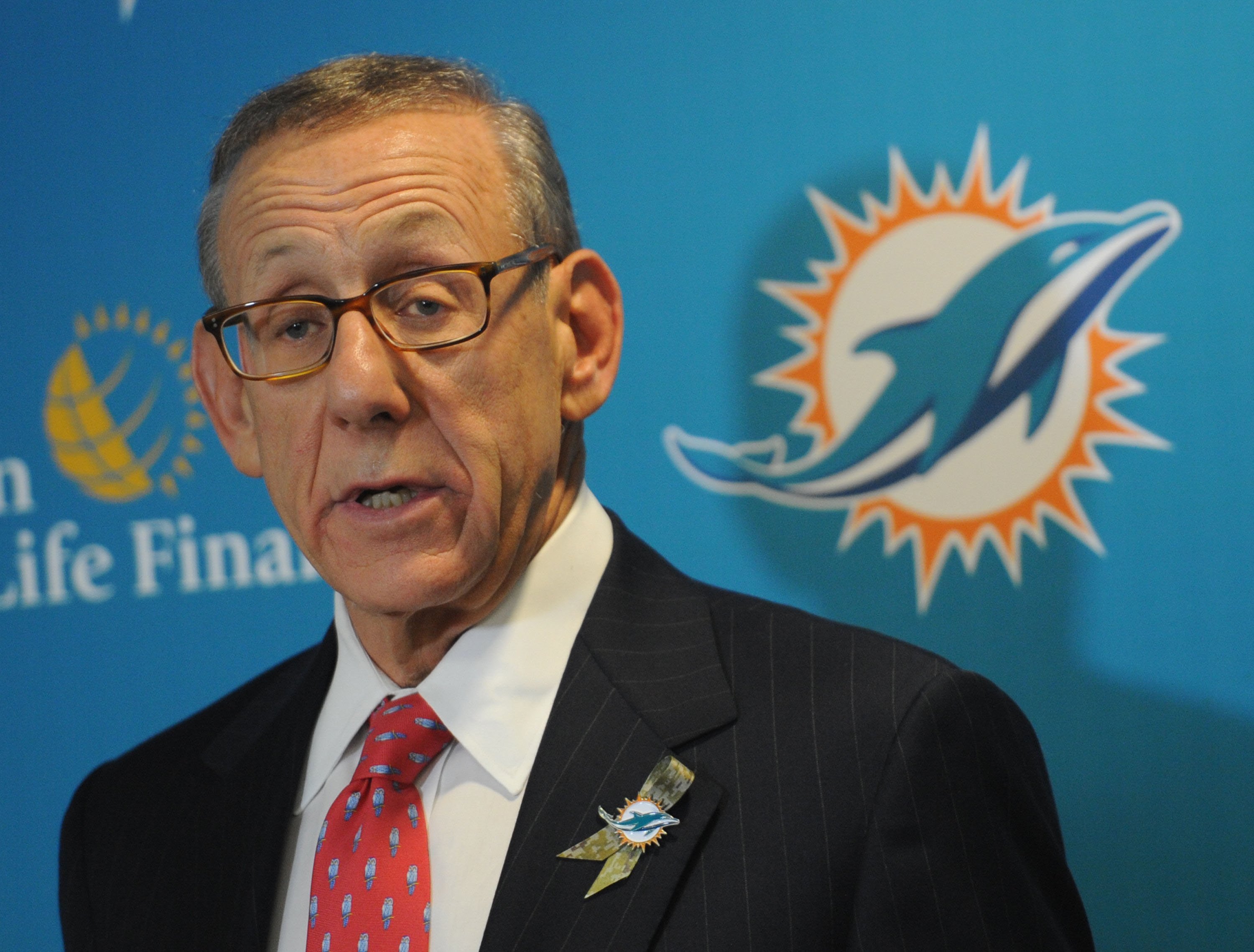
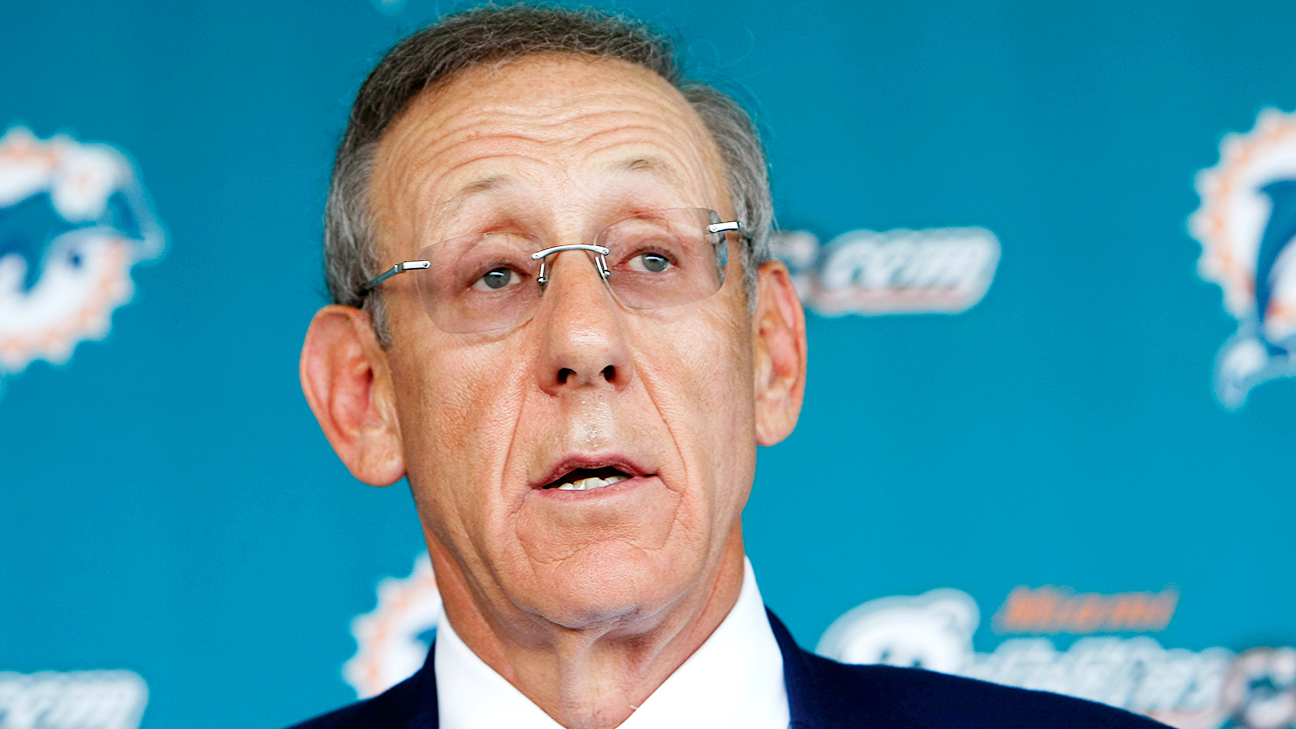
The Miami Dolphins are currently owned by Stephen M. Ross, a prominent real estate magnate, investor, and philanthropist. His journey to becoming the principal owner of an NFL franchise is a testament to his entrepreneurial spirit and strategic prowess. Born in Detroit, Michigan, Ross’s early life and educational background laid the groundwork for his future successes in business and, eventually, in the highly competitive world of professional sports.
Early Life and Real Estate Ventures
Stephen M. Ross’s academic foundation is robust, reflecting a dedication to learning and professional development. He earned his bachelor’s degree from the University of Michigan, a master of laws in taxation from New York University School of Law, and a Juris Doctor from Wayne State University. These educational pursuits equipped him with a sharp legal and financial mind, critical tools for navigating the complexities of large-scale business operations.
After practicing tax law for a brief period, Ross transitioned into real estate development, a move that would ultimately define his career and amass his substantial fortune. In 1972, he founded Related Companies, a real estate development firm that would grow to become one of the most prominent and diversified real estate organizations in the United States. Under Ross’s leadership, Related Companies became synonymous with luxury developments, mixed-use projects, and urban revitalization efforts.
Among Related Companies’ most iconic achievements is the development of Hudson Yards in New York City, a monumental project that transformed a vast expanse of unused land into a gleaming complex of residential skyscrapers, office towers, retail spaces, and cultural attractions. This project alone cemented Ross’s reputation as a visionary developer capable of executing projects of unprecedented scale and ambition. His real estate acumen, characterized by an ability to identify strategic locations and create vibrant communities, would later prove invaluable in his approach to sports ownership and stadium development.
Foray into Sports Ownership
Stephen M. Ross’s interest in sports ownership wasn’t a sudden whim but a carefully considered expansion of his business empire. A lifelong sports enthusiast, he recognized the unique blend of passion, entertainment, and business opportunity that professional sports franchises offered. The appeal of owning a team, particularly one with a rich history like the Miami Dolphins, transcended mere financial investment; it was an opportunity to leave a lasting legacy and connect with a passionate fan base.
Before fully acquiring the Dolphins, Ross had previously considered acquiring the New York Jets, demonstrating his longstanding desire to enter the NFL. This prior interest underscored his strategic approach, seeking not just any team, but an organization where he could implement his vision for growth and success. His eventual acquisition of the Dolphins marked a significant turning point for both the franchise and for Ross himself, merging his formidable business capabilities with his personal passion for sports. This transition from real estate titan to sports mogul highlights his versatility and his enduring drive to excel across diverse industries.
The Evolution of Ownership and Stadium Development
The acquisition of the Miami Dolphins by Stephen M. Ross was a phased process that eventually led to his complete control of the franchise and its associated assets, including the stadium. This meticulous approach allowed for a smooth transition and enabled Ross to implement his ambitious plans for modernization and enhancement. His ownership has been largely defined by a significant commitment to revitalizing the team’s infrastructure and improving the overall fan experience.
The Acquisition of the Miami Dolphins and Hard Rock Stadium
Stephen M. Ross initially became a minority owner of the Miami Dolphins and Dolphin Stadium (then known as Joe Robbie Stadium) in February 2008, acquiring 50% of the team and the stadium for $550 million. This initial investment was a strategic move, allowing him to gradually immerse himself in the operations of an NFL franchise and understand its unique challenges and opportunities. Just one year later, in January 2009, Ross exercised an option to purchase an additional 45% of the team and the stadium from the previous owner, H. Wayne Huizenga, bringing his total ownership stake to 95%. This made him the principal owner with controlling interest, solidifying his position as the ultimate decision-maker for the franchise. The remaining 5% of the team was held by various other minority partners, including high-profile figures, further diversifying the ownership group’s influence.
The acquisition was not just about owning a team; it was about investing in a cornerstone of South Florida’s identity. The stadium, now famously known as Hard Rock Stadium, is not merely a venue for football games but a multi-purpose entertainment complex that plays a vital role in the region’s tourism and events landscape. Its evolution under Ross’s leadership reflects his real estate background, transforming it into a modern landmark attraction capable of hosting global events.
Vision for the Future: Investments and Renovations
Upon taking control, Stephen M. Ross embarked on an ambitious plan to modernize Hard Rock Stadium and enhance the fan experience, recognizing that a world-class venue was essential for the team’s success and for attracting major events. He committed over $500 million of his own money to extensive renovations, a clear indication of his deep personal investment and long-term vision. These renovations were transformative, addressing everything from seating comfort and technological infrastructure to premium hospitality areas and food and beverage options.
Key improvements included the installation of a massive canopy providing shade and protection from the elements, new video boards for an immersive viewing experience, and significant upgrades to concourses, suites, and club levels. The goal was to create a truly state-of-the-art facility that not only served the needs of the Miami Dolphins but also positioned Miami as a premier destination for major sporting and entertainment events.
These investments paid off handsomely, allowing Hard Rock Stadium to attract prestigious events beyond NFL games. It has hosted multiple Super Bowls, the College Football Playoff National Championship, the Miami Open tennis tournament, and the Formula 1 Miami Grand Prix. These events not only generate substantial revenue for the franchise and the local economy but also significantly boost Miami’s global profile as a top-tier travel and tourism destination. Ross’s vision transformed the stadium from a functional sports venue into a vibrant hub of activity, a true landmark attraction that contributes immensely to the local lifestyle and economy.
Beyond the Field: Ross’s Philanthropy and Influence
Stephen M. Ross’s impact extends far beyond the football field and the real estate market. He is a prolific philanthropist, leveraging his considerable wealth and influence to support a wide array of causes, particularly in education and the arts. His charitable endeavors reflect a deep commitment to giving back and fostering positive change in communities that have played a significant role in his life and career.
Giving Back: University of Michigan and Other Causes
Education has been a central focus of Ross’s philanthropic efforts, most notably through his transformative contributions to the University of Michigan. His alma mater has been the recipient of monumental donations, totaling over $300 million. These gifts have funded the construction of state-of-the-art facilities, endowed professorships, and supported innovative academic programs, particularly within the university’s business school, which was renamed the Stephen M. Ross School of Business in his honor. This commitment to higher education underscores his belief in nurturing future generations of leaders and entrepreneurs.
Beyond the University of Michigan, Ross is also a significant supporter of the arts and cultural institutions. He serves on the executive committee of the Lincoln Center for the Performing Arts, a testament to his dedication to enriching the cultural landscape of New York City and beyond. His philanthropic footprint also extends to various health and wellness initiatives. For instance, the Miami Dolphins organization, under his leadership, actively supports the Dolphin Challenge, a significant community fundraising event that benefits cancer research at the Moffitt Cancer Center. This initiative mobilizes fans and community members for a crucial cause, showcasing the power of sports teams to drive positive social impact.
Impact on South Florida and the NFL
Stephen M. Ross’s ownership has had a profound and multifaceted impact on both South Florida and the broader NFL. In South Florida, his investment in Hard Rock Stadium has been a significant economic catalyst. The upgraded stadium not only provides a world-class home for the Dolphins but also serves as a major draw for tourism and events, generating jobs and revenue for the region. The ability to host events like the Formula 1 Miami Grand Prix transforms Miami into an international destination for sports and entertainment, drawing visitors who explore local attractions, stay in hotels, and experience the unique lifestyle Miami has to offer.
Within the NFL, Ross is regarded as a forward-thinking owner who understands the evolving landscape of professional sports. His willingness to invest heavily in infrastructure and fan experience sets a benchmark for other franchises. He has been a vocal proponent of initiatives like the NFL International Series, recognizing the global potential of the league. His business acumen and philanthropic spirit combine to make him a powerful and influential figure, not just in sports but in the wider socio-economic fabric of the regions he touches. His presence has undoubtedly elevated the profile of the Miami Dolphins and reinforced their status as a premier organization in the league.
Exploring Miami: A City Connected to Its Team
For visitors, the connection between Miami and its beloved Dolphins goes beyond the game itself. The team and its state-of-the-art stadium are integral parts of the city’s tourism and lifestyle offerings, drawing fans and travelers alike to experience the unique blend of sports excitement and vibrant culture that defines South Florida. Understanding the ownership structure, the investments made, and the overall vision for the team helps tourists appreciate the full scope of what Miami has to offer.
Sports Tourism and Fan Experiences
Hard Rock Stadium, under Stephen M. Ross’s ownership, has become a genuine landmark and a magnet for sports tourism. On game days, the stadium transforms into a bustling hub of activity, where fans from all over the world converge to witness NFL action. The surrounding areas buzz with pre-game tailgating festivities, offering a quintessential American sports experience. Visitors planning a trip to Miami often schedule their itineraries around Dolphins home games, turning a simple football match into a broader travel experience.
The stadium itself is an attraction, not just for its sporting events but also for its capacity to host major concerts, festivals, and other high-profile gatherings like the Miami Open or the Formula 1 Miami Grand Prix. These events contribute significantly to Miami’s allure as a top global destination, encouraging travelers to explore accommodation options ranging from luxury resorts to boutique hotels, all within reach of this premier venue. The investment in the stadium’s amenities means that attending any event there is a premium experience, showcasing the best of modern sports and entertainment facilities.
Miami’s Allure: Beyond Game Day
Even when the Dolphins aren’t playing, Miami’s connection to its team and the overall sports lifestyle remains palpable. The city itself is a vibrant tapestry of cultures, offering an abundance of attractions and experiences for every type of traveler. From the iconic art deco architecture of South Beach to the Cuban rhythms of Little Havana, and the upscale boutiques of the Design District, Miami is a destination rich in local culture, diverse food scenes, and endless activities.
Travelers can enjoy world-class dining, vibrant nightlife, pristine beaches, and a plethora of outdoor adventures. For those interested in landmarks, the city boasts everything from the historic Vizcaya Museum & Gardens to the contemporary galleries of Wynwood Walls. The city’s dynamic atmosphere, coupled with its role as a major sports hub, creates a unique lifestyle experience. Whether visiting for a game, a beach vacation, or a cultural exploration, Miami offers comprehensive tourism options, enhanced by the presence of a well-supported and community-integrated sports franchise like the Miami Dolphins under the visionary ownership of Stephen M. Ross. His commitment has not only fortified the team but also inadvertently bolstered Miami’s position on the global tourism map.
Conclusion
In conclusion, the question “Who Owns The Miami Dolphins?” leads us directly to Stephen M. Ross, a titan of the real estate industry whose strategic vision and profound financial commitment have reshaped the future of the franchise. From his beginnings as a real estate developer in New York City with Related Companies, Ross has applied the same meticulous planning and dedication to excellence in his ownership of the Dolphins and Hard Rock Stadium.
His tenure has been marked by significant, self-funded investments, particularly the half-billion-dollar renovation of Hard Rock Stadium, which has transformed it into a premier multi-purpose entertainment complex capable of hosting not only NFL games but also global events like the Super Bowl, College Football Playoff championships, the Miami Open, and the Formula 1 Miami Grand Prix. These initiatives have not only enhanced the fan experience but have also significantly bolstered South Florida’s economy and elevated Miami’s standing as a world-class travel and tourism destination.
Beyond the business of football, Ross’s extensive philanthropy, particularly his monumental contributions to the University of Michigan and his support for various cultural and health initiatives, underscores his commitment to broader societal impact. His ownership of the Miami Dolphins is more than just a financial endeavor; it is a legacy of strategic investment, community engagement, and a passionate belief in the power of sports to unite and inspire. Under Stephen M. Ross’s guidance, the Miami Dolphins continue to be a vital part of South Florida’s identity, influencing local lifestyle, driving tourism, and standing as a testament to visionary leadership.
LifeOutOfTheBox is a participant in the Amazon Services LLC Associates Program, an affiliate advertising program designed to provide a means for sites to earn advertising fees by advertising and linking to Amazon.com. Amazon, the Amazon logo, AmazonSupply, and the AmazonSupply logo are trademarks of Amazon.com, Inc. or its affiliates. As an Amazon Associate we earn affiliate commissions from qualifying purchases.