
The question of ownership in professional sports often transcends mere financial transactions, delving into the very identity and future of a team, its relationship with its fanbase, and its impact on the surrounding city. For the vibrant, sun-drenched metropolis of Miami, the Miami Marlins baseball team represents not just a sports franchise, but a key component of the South Florida lifestyle and tourism landscape. So, who holds the reins of this Major League Baseball (MLB) team, and what does their stewardship mean for the city and its visitors?
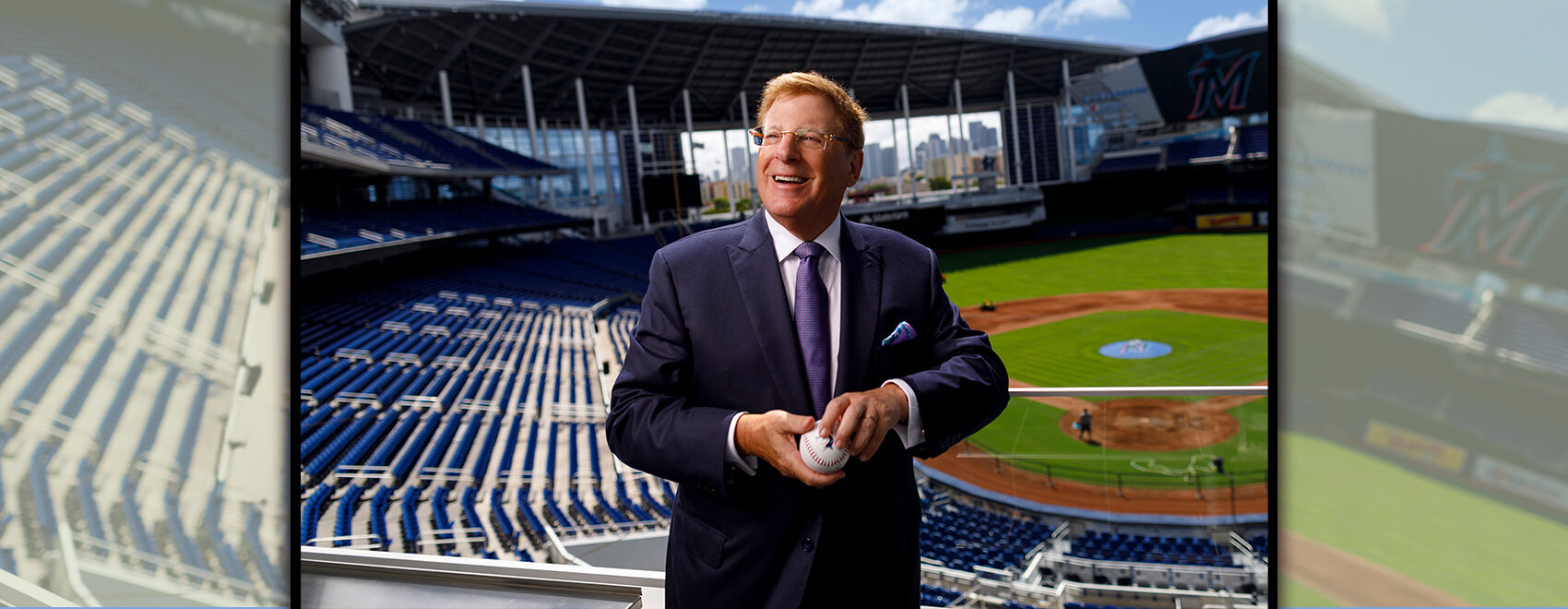
Currently, the Miami Marlins are owned by a group known as Marlins Park Partners, with businessman Bruce Sherman serving as the principal owner and CEO. This ownership group acquired the franchise in 2017, ushering in a new chapter for Miami baseball that promised stability, strategic growth, and a renewed commitment to the community. For travelers planning a visit to Miami, understanding the team’s ownership and philosophy can even enhance their experience, connecting them to the local culture and the dynamic business of sports that underpins much of the city’s allure.

The Current Stewardship: Bruce Sherman and Marlins Park Partners
The change in ownership in 2017 was a significant event for the Miami Marlins and their loyal fanbase. After years of speculation and controversy, the team was sold for approximately $1.2 billion, marking a new era. At the forefront of this new chapter is Bruce Sherman, a seasoned investor and former co-founder of the investment management firm Private Capital Management. His background in finance and strategic asset management brought a different perspective to the often-unpredictable world of professional sports.
A New Era for Miami Baseball
Bruce Sherman’s vision for the Marlins has consistently focused on building a sustainable, winning culture through player development and shrewd financial management. Unlike some previous owners who might have prioritized immediate results or high-profile signings, Sherman’s approach has been more akin to a long-term investment strategy. This has meant a focus on the farm system, developing young talent, and making strategic trades that align with a broader organizational plan. For fans and visitors, this translates into a team with a clear trajectory, aiming for consistent competitiveness rather than fleeting moments of glory.
The ownership group is diverse, bringing together various backgrounds and expertise. While Bruce Sherman is the principal owner, other notable figures were initially involved, most prominently baseball legend Derek Jeter. Jeter, a five-time World Series champion with the New York Yankees, served as the team’s CEO until early 2022. His presence brought immediate credibility and a deep understanding of the game, appealing to both traditional baseball enthusiasts and those interested in the crossover between sports and celebrity. Though Derek Jeter has since departed, the foundation laid during his tenure, emphasizing a strong organizational culture and community engagement, continues to influence the team’s direction.
The Business of Baseball: Ownership’s Impact on the Fan Experience
The decisions made by ownership directly influence every aspect of the fan experience, from ticket prices and stadium amenities to the quality of the team on the field. For travelers visiting Miami who might want to catch a game at LoanDepot Park, these decisions shape the value proposition. The Sherman ownership has aimed to create a more welcoming and affordable environment for families, reflecting a broader commitment to local engagement.
This commitment extends to how the team interacts with the city’s vibrant tourism sector. Sports tourism is a significant driver for Miami, and a successful Marlins team can draw visitors from across the country and even internationally. Hotels, restaurants, and local attractions all benefit from an influx of fans traveling to see their favorite team play or to experience the unique atmosphere of a live MLB game in South Florida. Ownership’s investment in the team’s future, therefore, is an investment in Miami’s overall appeal as a travel destination.
The Road to Ownership: A Brief History
Understanding the current ownership requires a brief look back at the Marlins’ history, which has been marked by both exhilarating highs and challenging lows. Each ownership group has left an indelible mark on the franchise and, by extension, on Miami’s sports identity.
Previous Eras: From Wayne Huizenga to Jeffrey Loria
The Miami Marlins, originally known as the Florida Marlins, began play in 1993 under the ownership of local entrepreneur Wayne Huizenga. Huizenga, known for his vast business empire including Blockbuster Video and Waste Management, was instrumental in bringing professional baseball to South Florida. His ownership saw the team achieve an improbable World Series title in 1997, a moment of immense pride for the fledgling franchise and its passionate fans. However, Huizenga eventually sought to sell the team, citing financial losses.
This led to the controversial tenure of Jeffrey Loria, who purchased the team in 2002. Loria’s ownership was characterized by a rollercoaster of events, including another unexpected World Series victory in 2003, followed by periods of aggressive payroll slashing and significant player trades (often referred to as “fire sales”). It was under Loria that the team rebranded as the Miami Marlins and moved into its state-of-the-art new stadium, Marlins Park (now LoanDepot Park), in 2012. While the new stadium was a landmark achievement for the franchise, the controversies surrounding public funding and the team’s subsequent performance often overshadowed the architectural marvel. The Loria era culminated with the sale to Marlins Park Partners, eager for a fresh start.
The Acquisition: Derek Jeter’s Role and Departure
The acquisition by Marlins Park Partners in 2017 generated immense excitement, largely due to the high-profile involvement of Derek Jeter. Jeter’s role as CEO was seen as a bridge between the business of ownership and the heart of the game. His vision was to instill a winning mentality and restore trust with the fanbase, focusing on a long-term rebuild. This included significant organizational changes, a renewed emphasis on scouting and player development, and a concerted effort to engage with the Miami community.
However, the path of rebuilding is often arduous, and the demands of ownership can be complex. After four and a half years, Derek Jeter announced his departure from the organization in early 2022, citing differing visions for the team’s future with the principal owner, Bruce Sherman. While his departure marked the end of an intriguing chapter, the foundation for sustainable growth and a commitment to competitive baseball remains a core tenet of the Sherman ownership. This ongoing evolution is a fascinating aspect for anyone observing the dynamics of sports and business, especially within a tourism-driven city like Miami.
Miami as a Sports Destination: Beyond the Ballpark
The ownership of the Miami Marlins isn’t just a local story; it’s a piece of the larger narrative of Miami as a premier global destination. The team and its home, LoanDepot Park, are integral to the city’s tourism and lifestyle ecosystem, attracting visitors for reasons beyond just a game.
The Economic Ripple Effect: Tourism, Hotels, and Local Businesses
Professional sports teams are economic engines for their host cities. When the Marlins play, especially against popular visiting teams, thousands of fans descend upon Miami. Many of these are out-of-town visitors, contributing significantly to the local economy. Hotels, from luxury resorts in South Beach to budget-friendly accommodations across the city, experience increased occupancy. Restaurants, bars, and shops near LoanDepot Park and throughout Miami see a surge in business.
Travel guides for Miami often include sporting events as key attractions. Visitors might combine a Marlins game with a beach vacation, a culinary tour of Little Havana, or a visit to the vibrant art scene of Wynwood Walls. The team’s ownership, through its community engagement and marketing efforts, plays a crucial role in promoting this synergy between sports and tourism. Their desire for a winning team isn’t just about trophies; it’s about sustained interest, higher attendance, and a positive reputation that draws more visitors to Florida.
Experiencing Miami: Attractions for Every Fan and Traveler
Beyond the baseball diamond, Miami offers an unparalleled array of attractions and experiences for every type of traveler. A visit to LoanDepot Park can easily be integrated into a broader Miami itinerary:
- Beaches: The iconic sands of South Beach are a short drive from the stadium, offering relaxation and vibrant nightlife.
- Culture: Explore the Cuban heart of Little Havana, or immerse yourself in art at the Pérez Art Museum Miami and the Wynwood Walls.
- Nature: Take a day trip to the unique ecosystem of Everglades National Park or visit the stunning Vizcaya Museum & Gardens.
- Events: Miami hosts world-renowned events like Art Basel and the Ultra Music Festival, offering diverse entertainment options for visitors.
The Marlins organization actively works to be part of this larger cultural tapestry, hosting events and promotions that appeal to both local families and tourists. This holistic approach ensures that the team remains relevant and engaging within Miami’s competitive entertainment market.
The Lifestyle of a Marlins Fan and Miami Visitor
Attending a Miami Marlins game is more than just watching baseball; it’s an immersive experience that reflects the unique lifestyle of South Florida. From the pre-game festivities to the atmosphere inside LoanDepot Park, it’s a blend of sports passion and tropical leisure.
Budget-Friendly Travel vs. Luxury Experiences
For many fans, a trip to see the Marlins is a budget-friendly outing, especially with ownership’s efforts to keep ticket prices accessible. Families can enjoy an afternoon at the ballpark without breaking the bank, combining it with affordable dining options and exploring Miami’s free attractions like its beautiful public beaches. There are numerous accommodation options available, from charming boutique hotels to well-regarded apartment rentals, suitable for travelers on any budget.
On the other hand, Miami is also synonymous with luxury travel. High-end visitors can opt for premium seating or luxury suites at LoanDepot Park, offering unparalleled views and exclusive amenities. This can be coupled with stays at five-star resorts, private yacht charters, gourmet dining experiences, and VIP access to Miami’s exclusive nightlife. The versatility of Miami as a destination ensures that a Marlins game can fit seamlessly into either a budget-conscious trip or a lavish escapade.

LoanDepot Park: A Miami Landmark
LoanDepot Park itself is a significant landmark in Miami. With its retractable roof, which offers respite from Florida’s heat and rain, and its sleek, modernist architecture, the stadium is a marvel of contemporary design. It reflects Miami’s vibrant artistic and cultural identity, incorporating public art and panoramic views of the city skyline. Visiting the park is an experience in itself, offering a glimpse into the architectural innovation of the city.
The ownership group is responsible for maintaining and enhancing this crucial asset, ensuring it remains a state-of-the-art facility that not only serves as a home for the Marlins but also hosts other major events, further cementing its status as a Miami icon. For those interested in unique travel experiences and exploring significant structures, a stadium tour or simply attending a game at LoanDepot Park offers a memorable addition to any Miami itinerary.
In conclusion, the Miami Marlins are currently owned by Marlins Park Partners, with Bruce Sherman at the helm. This ownership is committed to a long-term vision of building a competitive team, fostering community engagement, and enhancing the fan experience. Their decisions resonate far beyond the baseball diamond, impacting Miami’s thriving tourism industry, supporting local businesses, and contributing to the city’s dynamic lifestyle. For anyone planning a visit to Miami, understanding the team’s place in the city’s fabric offers a deeper appreciation for this vibrant South Florida destination.
LifeOutOfTheBox is a participant in the Amazon Services LLC Associates Program, an affiliate advertising program designed to provide a means for sites to earn advertising fees by advertising and linking to Amazon.com. Amazon, the Amazon logo, AmazonSupply, and the AmazonSupply logo are trademarks of Amazon.com, Inc. or its affiliates. As an Amazon Associate we earn affiliate commissions from qualifying purchases.