
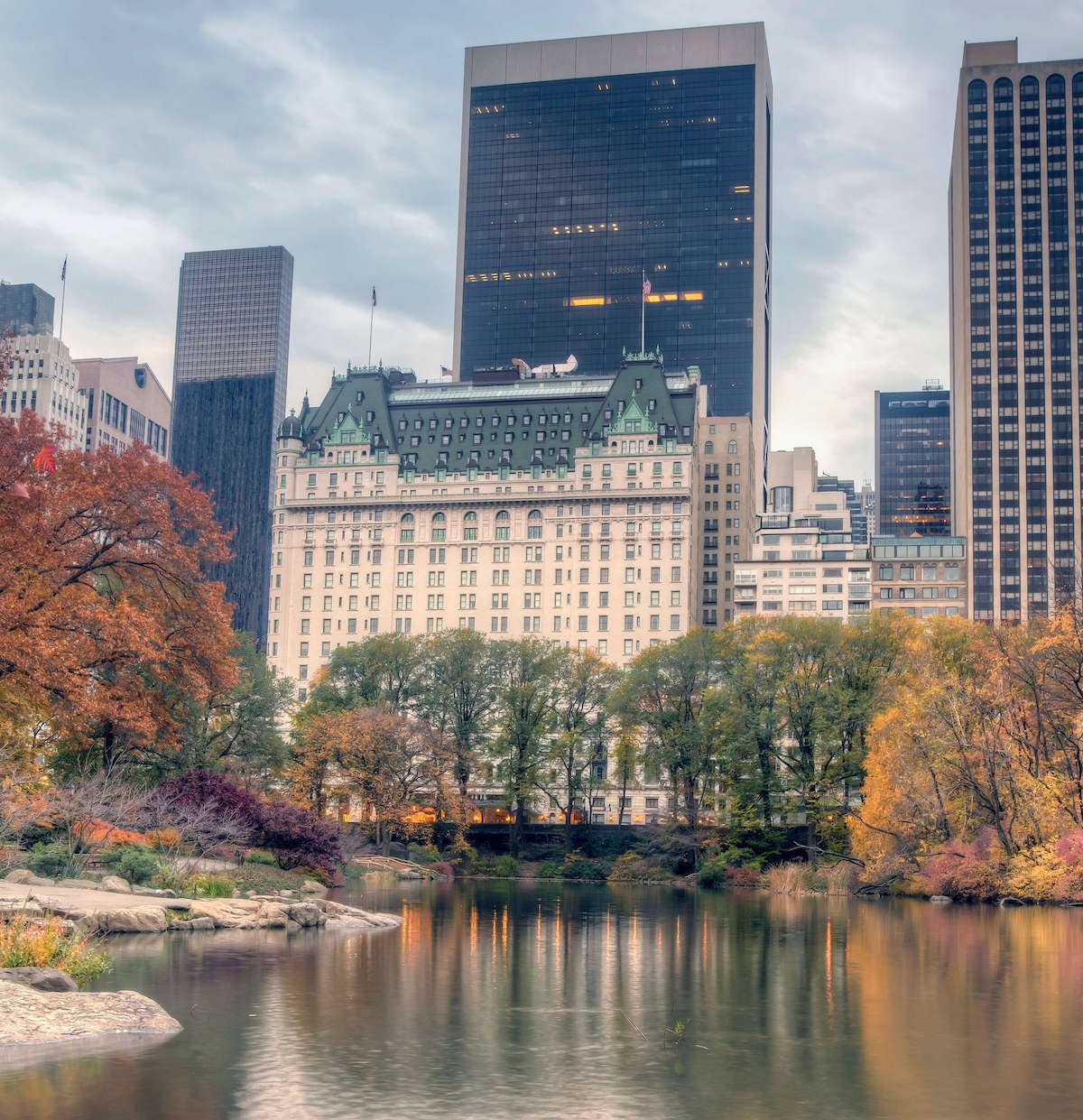
The Plaza Hotel in New York City is more than just a luxurious place to stay; it is a legendary landmark, a beacon of architectural grandeur, and a living piece of history. Standing proudly at the intersection of Fifth Avenue and Central Park South, this iconic hotel has welcomed presidents, royalty, celebrities, and discerning travelers for over a century. Its distinctive French Renaissance château-style architecture, opulent interiors, and unparalleled service have cemented its status as a global symbol of luxury and sophistication. For those interested in travel, high-end hotels, the intricacies of tourism, and the stories behind famous landmarks, the Plaza Hotel represents a pinnacle.
However, behind the glitz and glamour of its reputation lies a fascinating, intricate, and often turbulent tale of ownership. Unlike many other enduring institutions, the Plaza Hotel’s proprietors have changed hands numerous times throughout its storied existence, each transition reflecting the economic currents, investment trends, and sometimes, the sheer force of personality of its owners. Understanding “who owns the Plaza Hotel” is not a simple question with a single, straightforward answer. Instead, it’s a journey through real estate moguls, international conglomerates, and complex financial arrangements that have shaped this property into the multifaceted entity it is today. This exploration delves into the historical lineage of its owners, revealing how each steward left an indelible mark on its legacy, and ultimately sheds light on the fragmented, yet robust, ownership structure of a property that remains an indispensable part of New York City’s identity.
A Legacy Forged in Grandeur: The Plaza’s Early Years and Visionaries
The story of the Plaza Hotel’s ownership begins long before its modern-day complexities, rooted in an ambitious vision to create the world’s greatest hotel. Its inception and early years set the stage for its eventual status as a global icon, laying the foundation for its enduring appeal as a premier accommodation and lifestyle destination.
The Birth of an Icon: From Vision to Reality
The original Plaza Hotel was built in 1890, but it was the second iteration, completed in 1907, that truly established the legend. The visionary behind this grandest of hotels was Harry S. Black, a prominent developer of the era. He envisioned a hotel that would epitomize luxury and sophistication, perfectly situated to overlook Central Park and cater to New York City’s burgeoning elite. Black invested heavily in the project, commissioning renowned architect Henry Janeway Hardenbergh, who also designed the Dakota Building. The result was a stunning 19-story edifice, costing an unprecedented $12.5 million at the time, featuring 800 rooms and an array of lavish amenities.
When the doors officially opened on October 1, 1907, the Plaza Hotel immediately set a new standard for luxury hotels. Its magnificent public spaces, including the Palm Court, the Oak Room, and the Grand Ballroom, became instant social epicenters. From its very first day, the Plaza attracted high society, becoming synonymous with exclusive events, lavish parties, and discerning travelers seeking the utmost in comfort and elegance. This initial investment and bold vision by Harry S. Black not only brought a spectacular building to life but also established a legacy that would continue to grow and evolve over the next century, deeply influencing the lifestyle of the city’s upper crust and visitors alike.
Early Shifts and Financial Fortunes
Despite its immediate success and iconic status, the Plaza Hotel experienced its first change of ownership relatively early in its history, highlighting the significant financial demands of maintaining such a grand property. Harry S. Black eventually sold his controlling interest to a syndicate comprising Fred Sterry, E.R. Thomas, and August Belmont Jr.. This early transition underscored the nature of real estate investment at the highest level—it was not just about ownership, but about stewardship and the capacity to continually fund the upkeep and modernization required to maintain a property of the Plaza’s caliber.
During this period, the hotel continued to flourish, solidifying its reputation as a premier New York City landmark. It weathered the economic uncertainties of the early 20th century, including World War I and the Roaring Twenties, consistently attracting a clientele appreciative of its luxurious accommodation and the vibrant social scene it offered. The early owners, while perhaps less heralded than later, more flamboyant proprietors, were instrumental in establishing the hotel’s operational excellence and maintaining its appeal, ensuring it remained a top destination for tourism in the burgeoning metropolis. Their collective efforts ensured that the Plaza Hotel transcended mere property to become a cherished cultural institution, setting the stage for the dramatic ownership changes that would follow.
The Era of Titans: High-Profile Owners and Transformations
As the 20th century progressed, the Plaza Hotel’s ownership history became intertwined with some of the most prominent names in the hospitality industry and beyond, reflecting the property’s growing prestige and financial allure. These periods marked significant transformations, often bringing both innovative changes and considerable challenges to the historic edifice.
Hilton’s Golden Touch
A pivotal moment in the Plaza Hotel’s ownership saga arrived in 1943 when the legendary hotelier Conrad Hilton purchased the property for a reported $7.4 million. Hilton, a titan of the global hotel industry, recognized the immense potential of the Plaza as a crown jewel in his rapidly expanding empire. Under his stewardship, the Plaza Hotel underwent significant modernization while retaining its classic charm. Hilton introduced many of the operational efficiencies and branding strategies that would become hallmarks of his international hotels, enhancing the Plaza’s standing as a world-class destination for luxury travel.
His ownership period was characterized by a meticulous balance of preservation and innovation. Hilton understood the Plaza’s unique status as a landmark and its integral role in New York City’s social fabric. He leveraged its prestige, ensuring that the hotel continued to attract discerning guests, from international dignitaries to high-society events. The Hilton era solidified the Plaza’s reputation for impeccable service and timeless elegance, enhancing its appeal as a luxury accommodation choice for global tourism. Later, in 1953, Hilton sold the Plaza to the Hotel Corporation of America (which later became Sonesta Hotels), but his influence left a lasting imprint on the hotel’s operational philosophy and its continued success.
Donald Trump and The Plaza’s Tumultuous Chapter
Perhaps one of the most publicized and controversial periods in the Plaza Hotel’s history was its ownership by Donald Trump. In 1988, the ambitious real estate mogul acquired the Plaza for a staggering $407.5 million, proclaiming it his “masterpiece” and “the only true palace in New York.” Trump’s ownership brought a new level of media attention and a significant shift in the hotel’s public image. He installed his then-wife, Ivana Trump, as president, a move that generated considerable buzz and became a staple in the lifestyle columns of the era.
Under Trump’s proprietorship, there were efforts to further enhance the hotel’s luxury offerings, including extensive renovations. However, this period was also marked by significant financial turbulence. The colossal debt incurred from the purchase, coupled with a downturn in the luxury real estate market and his broader business challenges, led to financial difficulties for the Plaza. Despite its continued popularity as a travel destination and a symbol of New York glamour, the hotel eventually faced bankruptcy protection.
The Trump era, while tumultuous, cemented the Plaza Hotel’s place in contemporary cultural discourse. It demonstrated that even the most iconic landmarks are not immune to market forces and the personal fortunes of their owners. By 1995, Donald Trump was compelled to sell his majority stake in the Plaza, marking the end of a dramatic chapter and ushering in a new era of global investment.
Global Investment and Shifting Sands of Ownership
The turn of the millennium brought a new wave of ownership to the Plaza Hotel, reflecting the increasingly global nature of high-value real estate investment. International entities, often with complex corporate structures, became the new stewards, leading to significant changes in the hotel’s operation and even its very configuration.
From Saudi Royalty to Indian Conglomerates
Following Donald Trump’s divestiture, the Plaza Hotel entered a period of ownership by international investors. In 1995, a partnership led by Prince Al-Waleed bin Talal‘s Kingdom Holding Company (a Saudi Arabian investment firm) and CDL Hotels of Singapore acquired a controlling interest. This marked a significant shift, bringing the Plaza under the management of the prestigious Fairmont Hotels and Resorts brand. Under Fairmont, the hotel continued its legacy of luxury accommodation and attentive service, solidifying its position as a top choice for discerning travelers visiting New York City. The focus remained on preserving its historical essence while modernizing amenities to meet contemporary lifestyle expectations.
Then, in 2004, the hotel was sold again, this time to Eliza Properties, an Israeli company led by developer Lev Leviev, for a staggering $675 million. This sale underscored the persistent value and allure of the Plaza as a prime real estate asset and a global tourism draw. Leviev’s ownership was particularly transformative because it initiated the hotel’s controversial, yet financially driven, conversion into condominium units.
Following this, a majority stake was acquired in 2012 by Sahara India Pariwar, a massive Indian conglomerate, for approximately $570 million. This acquisition reflected the growing financial power of emerging economies and their interest in acquiring trophy assets in global landmark cities like New York. However, Sahara’s ownership also faced challenges, primarily due to financial issues back in India involving its chairman, Subrata Roy, leading to a prolonged period of uncertainty and legal battles over the hotel’s future.

The Condominium Conversion and Modern Ownership Structure
The most significant structural change to the Plaza Hotel occurred during the early 21st century: its partial conversion into luxury condominium residences. Initiated under Lev Leviev’s ownership, this ambitious project transformed a substantial portion of the hotel rooms into private, high-end residential units, known as The Plaza Residences. This conversion effectively divided the property into distinct components: the traditional hotel (with fewer rooms), retail spaces, and the individually owned residential suites.
This move, while initially controversial among preservationists and traditionalists, was a pragmatic response to the soaring demand for ultra-luxury residences in Manhattan and the immense value of the Plaza’s address. It monetized a significant portion of the property, providing a new revenue stream and ensuring the hotel’s long-term financial viability. Today, individual owners possess these private residences, representing a distinct segment of the Plaza’s overall ownership. This hybrid model reflects a modern approach to iconic landmarks, balancing historic preservation with contemporary real estate economics and the evolving lifestyle choices of the affluent.
The Current Landscape: A Multi-faceted Investment
The complex saga of the Plaza Hotel’s ownership culminated in 2018 with its sale to a consortium that further diversified its proprietorship. The primary purchaser of the hotel’s operating portion (the traditional 282 hotel rooms) was Katara Hospitality, a state-owned enterprise from Qatar with a portfolio of luxury hotels around the world. This acquisition underscored the increasing influence of Middle Eastern sovereign wealth funds in global luxury real estate.
Simultaneously, Ashkenazy Acquisition Corporation, a New York City based real estate investment firm, strengthened its stake in the property, holding ownership of the retail components and other commercial spaces within the Plaza. Notably, Prince Al-Waleed bin Talal’s Kingdom Holding Company retained a minority stake, maintaining a continuous, albeit evolving, presence in the hotel’s ownership for decades.
Therefore, to answer the question “Who owns the Plaza Hotel?” today means acknowledging a sophisticated multi-party arrangement:
- Katara Hospitality owns and operates the hotel portion.
- Ashkenazy Acquisition Corporation owns significant retail and commercial spaces.
- Individual owners possess the private Plaza Residences.
- Kingdom Holding Company holds a minority interest in certain aspects.
This intricate structure highlights the immense value and multifaceted nature of the Plaza Hotel as an asset, attracting diverse investors seeking a piece of this iconic New York City landmark.
Beyond Ownership: The Plaza’s Enduring Allure and Impact
Irrespective of its complex ownership structure, the Plaza Hotel’s intrinsic value and cultural significance remain undiminished. It continues to be a magnet for global travel, a benchmark for luxury accommodation, and an essential part of New York City’s identity.
A Beacon of Luxury and Lifestyle
For well over a century, the Plaza Hotel has stood as an undisputed beacon of luxury. Its meticulously preserved architecture, soaring ceilings, gilded details, and crystal chandeliers transport guests to an era of unparalleled grandeur. Every suite and public space is designed to evoke a sense of timeless elegance, offering a bespoke lifestyle experience that few other hotels can match. From the legendary Palm Court, famous for its afternoon tea, to the sumptuous Champagne Bar, the Plaza offers an array of amenities that cater to the most discerning tastes.
Guests seeking luxury travel experiences find the Plaza to be more than just a place to stay; it is a destination in itself. Its reputation for impeccable service, attention to detail, and a curated atmosphere makes it a preferred choice for special occasions, romantic getaways, and those who appreciate the finer things in life. The Plaza defines high-end accommodation, offering a harmonious blend of historical charm and modern comforts, an experience that transcends mere lodging to become an integral part of one’s journey.
The Plaza as a Cultural and Travel Landmark
Beyond its function as a hotel, the Plaza is undeniably a cultural landmark and a significant draw for tourism. Its prominence in literature, film, and popular culture has elevated its status far beyond that of a mere building. It has been immortalized in classics like F. Scott Fitzgerald’s “The Great Gatsby,” provided the backdrop for famous scenes in movies such as “Breakfast at Tiffany’s” and “Home Alone 2: Lost in New York,” and is the cherished home of Eloise, the mischievous character from Kay Thompson’s beloved children’s books.
For travelers exploring New York City, a visit to the Plaza Hotel is often on the itinerary, even if just to marvel at its exterior or enjoy a drink in one of its iconic bars. Its strategic location directly across from Central Park and at the foot of upscale Fifth Avenue makes it a natural focal point for sightseeing and experiencing the quintessential Manhattan lifestyle. It serves as a testament to New York City’s enduring architectural heritage and its capacity to create places that resonate deeply with both residents and visitors alike, solidifying its role as a key destination for global travel.

Its Role in New York City’s Tourism Fabric
The Plaza Hotel plays an irreplaceable role in New York City’s tourism fabric. As one of the most recognized hotels in the world, it significantly contributes to the city’s allure as a top global travel destination. Its image is synonymous with sophistication and the aspirational New York experience, drawing visitors who seek to immerse themselves in the city’s glamour and history.
The presence of a landmark like the Plaza Hotel enhances the overall tourism appeal, offering not just a place for accommodation but an attraction in itself. It supports local businesses, from high-end boutiques to fine dining establishments, contributing to the vibrant economic ecosystem around Central Park and Fifth Avenue. Moreover, its ongoing operation ensures job creation and the preservation of a crucial piece of New York’s cultural heritage. Whether through its luxurious suites, its celebrated restaurants, or its sheer architectural magnificence, the Plaza Hotel continues to be a cornerstone of New York City’s identity and a powerful magnet for visitors from across the globe, showcasing the best of urban lifestyle and hospitality.
The question of “Who owns the Plaza Hotel?” reveals a compelling narrative of ambition, finance, and the enduring value of an iconic landmark. From Harry S. Black’s initial grand vision to the diverse international consortium that holds its reins today, the Plaza’s journey has been anything but static. Its multiple transformations, including the strategic conversion of portions into luxury residences, reflect the dynamic nature of high-stakes real estate and the evolving demands of both global tourism and urban lifestyle. Despite the shifts in proprietorship and the complexities of its modern structure, one thing remains constant: the Plaza Hotel continues to stand as an unparalleled symbol of luxury travel and a cherished gem in the heart of New York City. Its legacy, enriched by each owner’s chapter, ensures its place not just as a magnificent hotel, but as a living testament to history, culture, and enduring grandeur.
LifeOutOfTheBox is a participant in the Amazon Services LLC Associates Program, an affiliate advertising program designed to provide a means for sites to earn advertising fees by advertising and linking to Amazon.com. Amazon, the Amazon logo, AmazonSupply, and the AmazonSupply logo are trademarks of Amazon.com, Inc. or its affiliates. As an Amazon Associate we earn affiliate commissions from qualifying purchases.