
Few structures define the architectural and cultural skyline of New York quite like The Plaza. Situated at the intersection of Fifth Avenue and Central Park South, this French Renaissance-inspired chateau has served as the backdrop for high-society galas, literary classics, and cinematic milestones. Yet, behind the gilded lobby and the ornate Palm Court, the history of its ownership is a complex tapestry of real estate moguls, global investment firms, and geopolitical shifts. Understanding who owns The Plaza requires a deep dive into the evolution of global luxury hospitality and the sheer endurance of one of the world’s most famous landmarks.
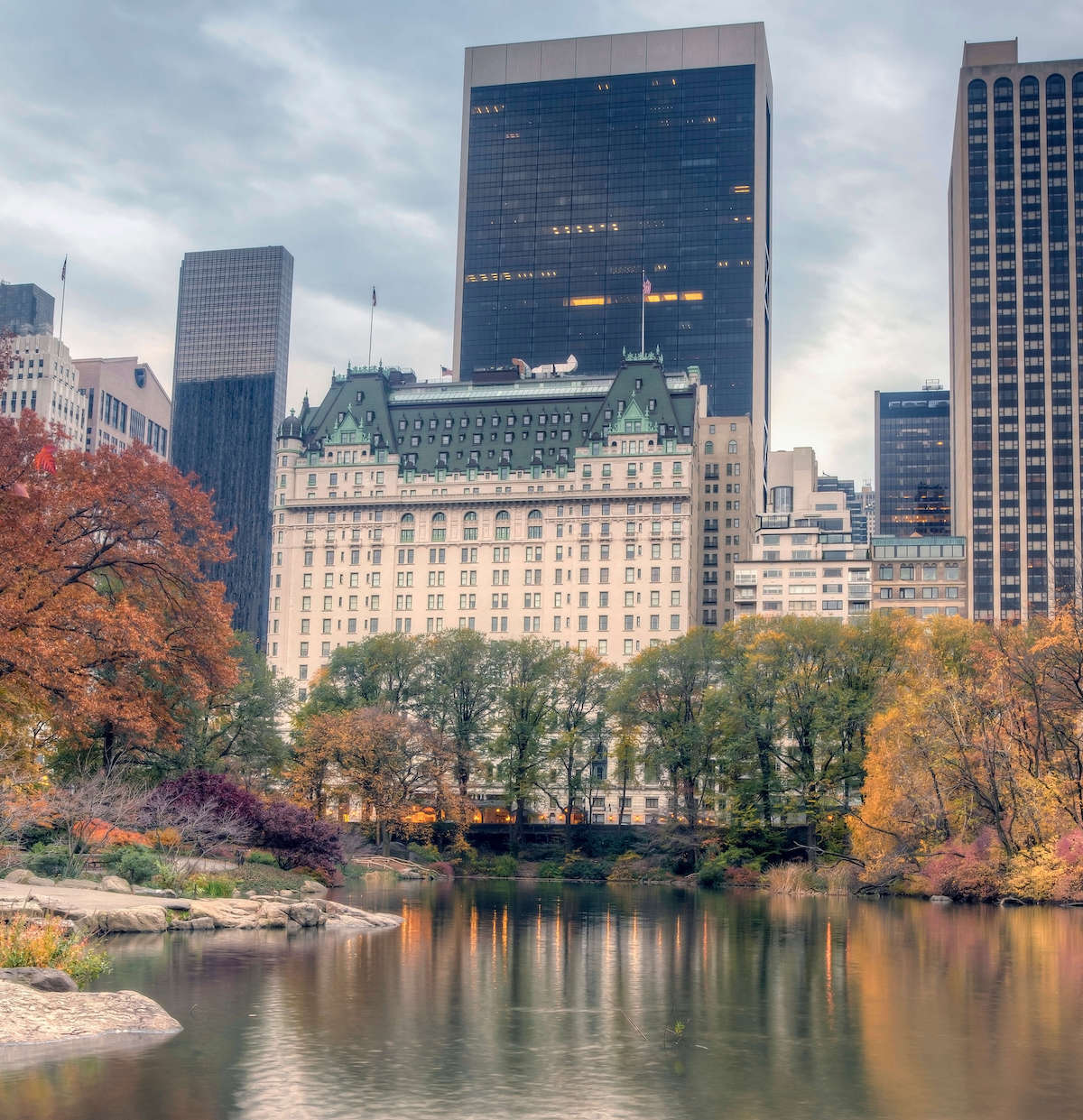
A Legacy of Opulence and Ownership Transitions
When The Plaza first opened its doors in 1907, it was designed by architect Henry Janeway Hardenbergh to be the pinnacle of elegance. From its inception, the hotel was envisioned as an institution of permanence, yet its ownership record suggests a much more volatile reality. Throughout the 20th century, the property changed hands multiple times, reflecting the broader economic ebbs and flows of the United States.
The Conrad Hilton Era
In 1943, the iconic hotel was purchased by Conrad Hilton. During his tenure, the hotel cemented its status as a gathering place for the global elite. Hilton viewed the property not just as a business, but as the crown jewel of his growing hospitality empire. This period helped institutionalize the luxury standards that still define the hotel today, such as impeccable white-glove service and the preservation of its historic interiors.
The Trump Acquisition
Perhaps the most publicized period of ownership began in 1988, when Donald Trump purchased the hotel for $390 million. During this time, the hotel became a permanent fixture in the media landscape. Trump invested heavily in restoring the gilded moldings and grand chandeliers, famously stating that he had purchased a “masterpiece.” However, the financial pressures of the early 1990s eventually forced a restructuring of the debt, leading to the hotel being transferred to a consortium of lenders, including Saudi Prince Alwaleed bin Talal and the CDL Hotels International.
The Global Investment Shift
As the 21st century dawned, ownership of The Plaza moved away from individual moguls and toward massive, internationally diversified real estate portfolios. This shift mirrors the broader trend in high-end hospitality, where iconic properties are increasingly treated as trophy assets by sovereign wealth funds and global conglomerates.
The Katara Hospitality Takeover
In a transaction that signaled the growing influence of Middle Eastern investment in the New York City real estate market, Katara Hospitality—a state-owned hospitality developer based in Qatar—acquired the hotel. This acquisition was significant because it underscored the status of such hotels as “trophy assets” that hold immense prestige regardless of their immediate operational margins. The hotel’s presence in Manhattan serves as a beacon of global interconnectedness, where the lines between local history and international finance blur.

Preservation and Modern Management
Under its current ownership structure, the day-to-day operations of The Plaza are managed by Fairmont Hotels and Resorts. This management agreement is crucial to the consumer experience. While the ownership group holds the deed, Fairmont ensures that the guest experience remains consistent with the brand’s international reputation for excellence. This separation of ownership from management is a hallmark of the modern luxury hotel industry, allowing deep-pocketed owners to reap the prestige of the asset while hospitality experts focus on the complex logistics of five-star service.
Architectural Significance as a Property Asset
Beyond the balance sheets, it is the building itself that makes the ownership of The Plaza so contentious and highly desired. Designated as a National Historic Landmark, the structure is protected, meaning that owners cannot easily alter its exterior or landmark-protected interior spaces. This creates a unique ownership dynamic where the landlord is a steward of history as much as a business operator.
The Value of “The Plaza” Brand
The name The Plaza carries a brand equity that transcends the physical walls. The hotel’s association with Eloise at The Plaza, the beloved children’s book character, and its frequent appearances in films like Home Alone 2: Lost in New York, have made the hotel a pop-culture icon. Owners of the property understand that they are not just holding real estate; they are holding a piece of cultural capital that draws millions of tourists to the corner of Central Park every year.
Challenges of Historic Ownership
Maintaining a building of this age involves astronomical costs. From the plumbing and electrical systems hidden behind ornate, turn-of-the-century wallpaper to the painstaking restoration of marble columns, the financial commitment is substantial. The owners must constantly balance the necessity of modernization—such as high-speed connectivity and energy-efficient climate control—with the preservation of the “Old World” charm that guests pay a premium to experience. This tension between historical integrity and modern utility defines the current ownership model, as stakeholders look for ways to maximize the building’s potential while respecting the regulatory mandates placed upon them by the New York City Landmarks Preservation Commission.
Why the Ownership Matters to Guests
For the casual observer or the prospective guest, the identity of the owner may seem secondary to the quality of the stay. However, the history of The Plaza reveals that who signs the checks directly influences the hotel’s long-term survival. Throughout its existence, the property has been a barometer for the luxury market. When the economy is strong, owners invest in grand renovations; when markets wobble, the hotel often undergoes periods of transition, sales, or restructuring.
The Future of Landmark Hospitality
As we look ahead, the ownership of The Plaza will likely continue to evolve. Whether it remains in the hands of sovereign wealth funds or moves into the portfolios of future private equity syndicates, the hotel remains anchored by its geography. The Plaza is an inseparable part of the Midtown landscape. Its value lies not just in its rooms, but in its role as a permanent witness to the history of New York.

Final Thoughts on Institutional Ownership
The complexity of The Plaza’s ownership underscores a broader truth: the most famous landmarks in the world are often the most complicated to own. They are subject to public scrutiny, intense regulatory oversight, and the weight of public expectation. To own The Plaza is to be the custodian of a legend. Whether under the stewardship of Katara Hospitality or future stakeholders, the hotel will likely remain a fixture of the city, serving as a reminder that while owners come and go, true landmarks belong to the city itself.
LifeOutOfTheBox is a participant in the Amazon Services LLC Associates Program, an affiliate advertising program designed to provide a means for sites to earn advertising fees by advertising and linking to Amazon.com. Amazon, the Amazon logo, AmazonSupply, and the AmazonSupply logo are trademarks of Amazon.com, Inc. or its affiliates. As an Amazon Associate we earn affiliate commissions from qualifying purchases.