
The allure of a baseball team transcends the sport itself. For fans, the San Francisco Giants are more than just athletes in uniform; they represent a shared history, a source of local pride, and an enduring connection to the vibrant city of San Francisco. But behind the roar of the crowd at Oracle Park, a complex web of ownership and investment shapes the destiny of this beloved franchise. Understanding who holds the reins of the San Francisco Giants offers a fascinating glimpse into the business of professional sports and the intricate financial structures that support it.

While individual names often surface in discussions about a team’s leadership, the reality of owning a major league baseball club is rarely a solo endeavor. The San Francisco Giants are, in fact, owned by a consortium, a group of individuals and entities pooling their resources and expertise. This approach allows for greater financial capacity, diversified risk, and a broader range of perspectives in decision-making. The primary entity overseeing this ownership group is the San Francisco Giants ownership committee, a body tasked with guiding the franchise’s strategic direction, financial management, and overall operational success.
The Landscape of Giants Ownership: A Collaborative Venture
The ownership of the San Francisco Giants is a testament to the power of collective investment in the world of professional sports. Unlike a privately held company where a single individual or family might be the sole proprietor, major league sports franchises, particularly those as prominent as the San Francisco Giants, are typically owned by groups. This structure facilitates the substantial capital required for player salaries, stadium operations, marketing, and community engagement.
Key Figures and Their Roles
While a definitive list of every single stakeholder might be extensive, certain key individuals and entities play pivotal roles within the ownership structure. These are the individuals whose decisions and vision significantly influence the team’s trajectory, both on and off the field.
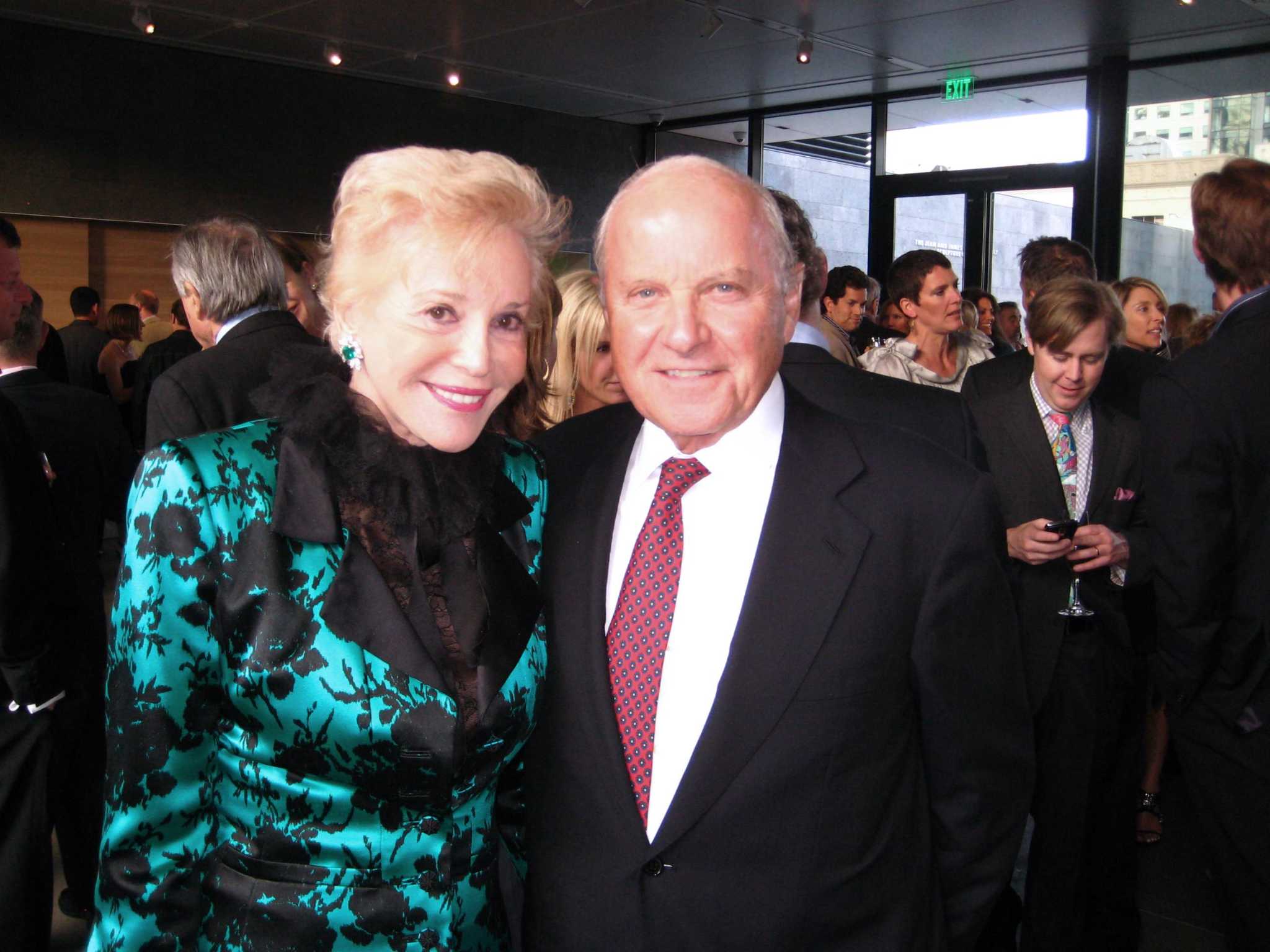
One of the most recognizable names associated with the ownership of the San Francisco Giants is Charles B. Johnson. Mr. Johnson has been a significant figure in the ownership group for many years, often serving as the principal owner. His involvement signifies a deep commitment to the franchise and a substantial personal investment in its success. His financial acumen, honed through his career in investment management, has undoubtedly contributed to the team’s stability and growth.
Beyond Mr. Johnson, the ownership landscape includes other influential individuals and investment firms. These partners bring diverse backgrounds and expertise, ranging from business and finance to marketing and community relations. The collective wisdom and varied experiences of this group are crucial for navigating the multifaceted challenges of operating a modern sports franchise. It’s this collaborative spirit that allows the San Francisco Giants to remain competitive in a demanding league.
The governance of the San Francisco Giants is managed through a board of directors or a similar executive committee. This body is responsible for overseeing all aspects of the team’s operations, from player acquisitions and contract negotiations to stadium development and long-term strategic planning. The chairman of this committee, often a figure of considerable influence, plays a crucial role in setting the agenda and facilitating discussions among the ownership group.
Beyond the Field: Investing in the San Francisco Experience
The ownership of the San Francisco Giants extends beyond the immediate scope of baseball games. The franchise is intrinsically linked to the identity and culture of San Francisco. Therefore, ownership decisions often consider the broader impact on the city and its residents. This includes the stewardship of Oracle Park, a premier waterfront venue that not only hosts Giants games but also serves as a destination for various events, concerts, and community gatherings.
The investment in Oracle Park itself is a significant undertaking, requiring continuous upkeep, upgrades, and innovative development to ensure it remains a world-class facility. The ownership group is responsible for these capital expenditures, ensuring that the ballpark provides an exceptional experience for fans and remains a vibrant hub within San Francisco. This commitment to the physical infrastructure of the team underscores a long-term vision for the franchise.
Furthermore, the San Francisco Giants ownership plays an active role in community initiatives. The Giants Community Fund is a prime example, dedicated to improving the lives of underserved youth in the Bay Area through sports-based programs and educational opportunities. Ownership contributions and active participation in such initiatives demonstrate a commitment to corporate social responsibility, aligning the team’s brand with positive community impact. This philanthropic aspect is often a key consideration for modern sports ownership, fostering goodwill and strengthening the team’s connection with its fanbase and the wider community.
San Francisco as a Destination: The Giants’ Role in Tourism and Lifestyle
The presence and success of the San Francisco Giants are intrinsically woven into the fabric of San Francisco tourism and lifestyle. For many visitors, attending a Giants game at Oracle Park is a quintessential San Francisco experience, ranking alongside visits to iconic landmarks like the Golden Gate Bridge or exploring neighborhoods like North Beach.
Game Day at Oracle Park: An Unforgettable Experience

Oracle Park, with its stunning bay views and vibrant atmosphere, is more than just a baseball stadium; it’s a landmark in itself and a major attraction for tourists. The experience of attending a game goes beyond the sport; it’s about soaking in the unique ambiance of San Francisco. Visitors often combine a Giants game with other tourist activities, making it a highlight of their trip.
The stadium’s location along the San Francisco waterfront offers breathtaking vistas, and the park’s design incorporates elements that celebrate the city’s rich history and culture. This creates an immersive environment that appeals to both dedicated baseball fans and casual visitors looking for a memorable experience. The culinary offerings within the park also reflect San Francisco‘s renowned food scene, featuring local favorites and innovative dishes, further enhancing the gastronomic aspect of the visit.
The accessibility of Oracle Park also plays a role in its appeal. Located in the heart of the city, it’s easily reachable via public transportation, including BART and Muni, as well as by foot or bike from many nearby hotels and attractions. This ease of access makes it a convenient addition to any San Francisco itinerary, whether it’s a day trip or a longer stay.
Lifestyle and Luxury: The Giants’ Influence on Local Culture
The San Francisco Giants embody a certain lifestyle that resonates with fans and influences the local culture. The team’s success over the years, including multiple World Series championships, has cultivated a strong sense of pride and belonging. This translates into a significant impact on the lifestyle choices of residents and visitors alike.
For those who appreciate luxury travel and exclusive experiences, attending Giants games offers opportunities for premium seating, hospitality suites, and VIP packages. These offerings cater to a discerning clientele who seek an elevated experience while enjoying the thrill of live baseball. The association with a successful and iconic sports franchise can enhance the appeal of luxury accommodations and dining in San Francisco, as visitors often seek to immerse themselves in the city’s vibrant culture.
Beyond the realm of luxury, the Giants also appeal to budget-conscious travelers and families. The team’s commitment to community engagement and various promotional nights, such as fireworks displays or special themed games, makes attending a game an accessible and enjoyable experience for a wide range of demographics. This inclusivity is a hallmark of the San Francisco spirit and is reflected in the broad appeal of the Giants.
The franchise’s influence also extends to merchandise and memorabilia, which are popular among both locals and tourists. From team jerseys and hats to collectibles, Giants-themed items become souvenirs and symbols of a memorable trip or a lasting connection to the team. This economic impact, generated through ticket sales, merchandise, and associated tourism, highlights the significant contribution of the San Francisco Giants to the San Francisco economy and its broader appeal as a tourist destination.
The Business of Baseball: Ownership, Investment, and the San Francisco Giants
The ownership of the San Francisco Giants is a sophisticated business operation, requiring strategic financial management, long-term vision, and a keen understanding of the sports industry. The individuals and entities that comprise the ownership group are not merely sports enthusiasts; they are astute investors who recognize the immense value and potential of a franchise like the Giants.
Financial Health and Strategic Investments
The financial health of a major league baseball team is paramount to its ability to compete and thrive. The ownership group is responsible for ensuring the Giants remain financially sound, which involves managing revenues generated from ticket sales, broadcast rights, sponsorships, and concessions, as well as overseeing expenses related to player payroll, stadium operations, and marketing.
Strategic investments are crucial for the long-term success of the franchise. This can include investing in player development programs, enhancing stadium facilities, or exploring new revenue streams. The ownership committee’s decisions in these areas directly impact the team’s competitive edge and its appeal to fans. For example, significant investments in player contracts and scouting are essential for building a championship-caliber team, while upgrades to Oracle Park ensure a superior fan experience, driving attendance and revenue.
The Role of Private Equity and Institutional Investors
In the modern landscape of professional sports ownership, private equity firms and institutional investors often play a significant role. While specific details about the extent of their involvement with the San Francisco Giants may not always be public, it’s common for such entities to participate in ownership groups of major sports franchises. These investors bring capital, financial expertise, and often a disciplined approach to business management, which can be highly beneficial to the franchise.
The involvement of such investors can provide the Giants with access to substantial capital, enabling them to make significant investments in players, facilities, and other strategic initiatives. This can be particularly important in a market as competitive as Major League Baseball, where payrolls can be substantial and the need for continuous investment in infrastructure and talent is ever-present. Their presence underscores the fact that owning a sports franchise is a serious business venture, driven by economic principles and a pursuit of long-term value creation.
The ownership of the San Francisco Giants is a multifaceted entity, reflecting the complex and dynamic nature of professional sports. It is a collaborative effort, driven by a shared passion for baseball and a commitment to the city of San Francisco. Understanding this ownership structure provides valuable insight into the business that supports the dreams of millions of fans and the storied history of one of baseball’s most iconic franchises. The ongoing success of the Giants is a testament to the collective vision and dedication of those who hold the ultimate responsibility for their direction.
LifeOutOfTheBox is a participant in the Amazon Services LLC Associates Program, an affiliate advertising program designed to provide a means for sites to earn advertising fees by advertising and linking to Amazon.com. Amazon, the Amazon logo, AmazonSupply, and the AmazonSupply logo are trademarks of Amazon.com, Inc. or its affiliates. As an Amazon Associate we earn affiliate commissions from qualifying purchases.