
The iconic Waldorf Astoria New York, a beacon of luxury and a storied symbol of New York City, has long captured the public imagination. Beyond its opulent ballrooms and legendary suites, a persistent question has echoed through the corridors of real estate and travel circles: who truly possesses this grand dame of Park Avenue? The answer, as with many venerable institutions, is a complex tapestry woven from decades of ownership changes, significant investments, and strategic global business maneuvers.
A Legacy of Grandeur and Shifting Ownership
The Waldorf Astoria has a rich history, opening its doors in 1893 and later relocating to its current, magnificent Art Deco structure in 1931. Throughout its existence, it has been a nexus of power, diplomacy, and high society. Understanding its ownership is key to appreciating its evolution and its current trajectory as a premier luxury destination.

The Hilton Era: A Long and Storied Association
For many decades, the Waldorf Astoria New York was synonymous with the Hilton Hotels & Resorts brand. Hilton acquired the property in 1949, marking the beginning of a significant chapter in its history. Under Hilton’s stewardship, the hotel solidified its reputation as one of the world’s most prestigious hotels, hosting countless heads of state, royalty, celebrities, and influential figures. This period saw the Waldorf Astoria become not just a hotel, but a landmark, a testament to American hospitality and grandeur. The association with Hilton was so profound that many mistakenly believed it remained under their direct ownership for much longer than was the case. However, the dynamic landscape of the hospitality industry, characterized by increasing asset management and real estate speculation, necessitated changes.
The Anbang Insurance Group Acquisition: A Paradigm Shift
The most significant and widely publicized ownership change occurred in 2015 when the Waldorf Astoria New York was sold to China’s Anbang Insurance Group. This acquisition, reportedly for a staggering $1.95 billion, was at the time the largest hotel transaction in United States history. The deal signaled a major shift in the global hospitality real estate market, with burgeoning interest from international investors, particularly from Asia.
The acquisition by Anbang sparked considerable discussion and, at times, concern. Questions arose regarding the future of the iconic hotel, its historical significance, and its operational management. Anbang, a rapidly expanding financial conglomerate, had ambitious plans for its newly acquired trophy asset. The intention was to undertake a massive renovation project, transforming a significant portion of the hotel into luxury residences while preserving its historic character and continuing its operation as a luxury hotel.
The Path to Redevelopment and a New Era
The acquisition by Anbang was not merely a change in ownership; it was the harbinger of a comprehensive transformation. The planned redevelopment aimed to address the aging infrastructure of the historic building while capitalizing on the lucrative residential market in New York City. This vision involved a multi-year, multi-billion dollar renovation. The project’s scope was immense, encompassing the restoration of public spaces, the modernization of hotel rooms, and the creation of exclusive residential units.
During the extensive renovation period, the hotel’s operational status shifted. While parts of the hotel remained accessible, its full functionality as a grand hotel was temporarily suspended to allow for the major construction work. This period of transformation was crucial for its eventual relaunch. The goal was to meticulously preserve the hotel’s historic grandeur, including its iconic Art Deco features and storied public areas, while infusing it with contemporary luxury and functionality for both hotel guests and residents.

The Current Ownership Landscape
The ownership narrative of the Waldorf Astoria New York has continued to evolve since the Anbang acquisition. The complex financial dealings and regulatory scrutiny surrounding Anbang in China led to its eventual takeover by the Chinese government. This governmental intervention in Anbang’s affairs naturally cast a shadow of uncertainty over its global assets, including the Waldorf Astoria.
The Dajia Group and Subsequent Developments
Following the regulatory issues faced by Anbang, its portfolio, including the Waldorf Astoria New York, was transferred to a state-backed asset management firm. This entity, often referred to in the context of managing Anbang’s former assets, is essentially overseeing the property’s destiny. Subsequently, the development and management of the Waldorf Astoria project became more closely associated with the Dajia Group, a company that emerged from the restructuring of Anbang. Dajia Group has been the entity driving the ambitious renovation plans, working to bring the Waldorf Astoria back to its former glory, albeit with a new dual identity as both a luxury hotel and a prestigious residential address.
The Role of Hilton Worldwide
Despite the changes in direct ownership of the real estate asset, the Waldorf Astoria brand name and its operational management remain intrinsically linked to Hilton Worldwide. Hilton continues to operate the hotel under its luxury Waldorf Astoria Hotels & Resorts brand. This means that even under new real estate ownership, the guest experience, the service standards, and the brand ethos are managed by Hilton, ensuring continuity of the luxury experience that guests have come to expect. This partnership structure is common in the hospitality industry, separating the ownership of the physical asset from the management of its operations and brand.
The Future of a New York Icon
The Waldorf Astoria New York is currently undergoing a monumental transformation. The extensive renovation project is designed to reimagine the property for a new generation of luxury travelers and residents. This involves not just a cosmetic facelift but a fundamental rethinking of how the historic building can serve contemporary needs.
Residential and Hospitality Integration
A key aspect of the redevelopment is the integration of hotel operations with private residences. A significant portion of the historic building is being converted into luxury condominiums. This strategy leverages the unparalleled address and the prestige of the Waldorf Astoria name to appeal to the high-end real estate market. The residents will benefit from the hotel’s amenities and services, creating a unique living experience.
The remaining portion of the building will continue to operate as a world-class hotel under the Waldorf Astoria Hotels & Resorts brand. The renovation aims to restore and enhance the iconic public spaces, such as the Grand Ballroom and the historic lobbies, ensuring they retain their timeless elegance. Guest rooms and suites are being reimagined to blend historical aesthetics with modern comforts and cutting-edge technology. The vision is to create a property that honors its past while embracing the future, remaining a vibrant and essential part of the New York City skyline and luxury hospitality scene.
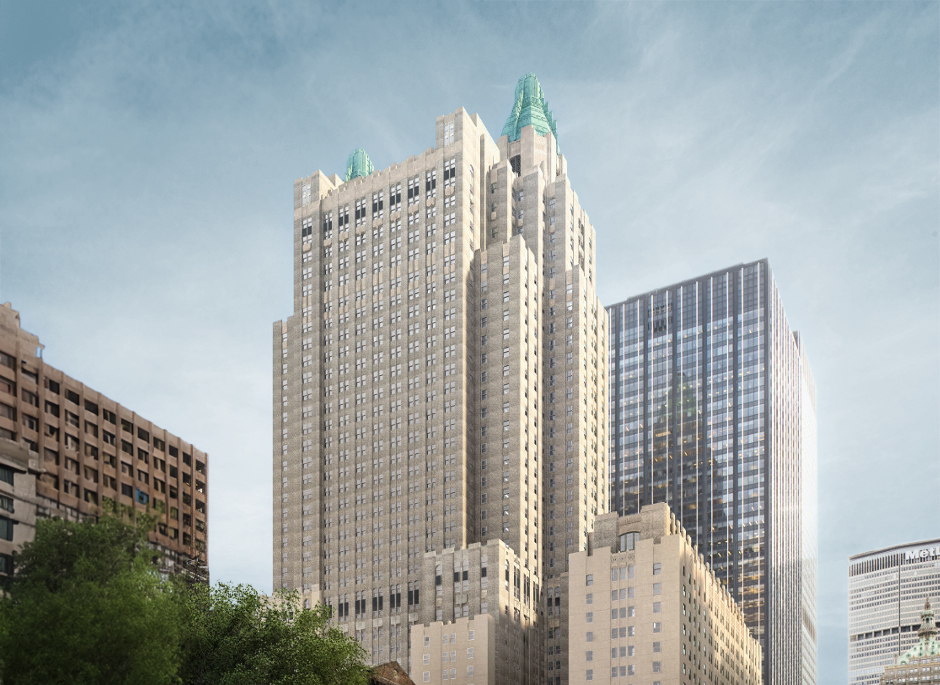
A Testament to Enduring Appeal
The ownership journey of the Waldorf Astoria New York is a compelling case study in the dynamics of luxury real estate and the global hospitality industry. From its early days as a symbol of American prosperity to its current phase of transformation under international investment and management by a global hospitality giant, the hotel has consistently adapted while striving to preserve its iconic status. The question of “who owns the Waldorf Astoria New York?” is answered by a complex interplay of ownership entities and brand management agreements, all working towards the singular goal of ensuring this legendary landmark continues to shine brightly for decades to come.
LifeOutOfTheBox is a participant in the Amazon Services LLC Associates Program, an affiliate advertising program designed to provide a means for sites to earn advertising fees by advertising and linking to Amazon.com. Amazon, the Amazon logo, AmazonSupply, and the AmazonSupply logo are trademarks of Amazon.com, Inc. or its affiliates. As an Amazon Associate we earn affiliate commissions from qualifying purchases.