
In the dynamic world of travel and accommodation, understanding the ownership landscape of major hotel brands can be as fascinating as it is complex. When travelers choose a hotel, they often associate it with a certain level of quality, a particular type of experience, and a specific brand identity. Few brands embody this perception as strongly as Westin, renowned for its commitment to wellness and distinctive guest experience. But the question, “Who owns The Westin Hotel?” delves into a multi-layered structure of corporate giants, real estate investors, and sophisticated management agreements that shape the global hospitality industry. It’s a journey from a single hotel property to a global powerhouse, illustrating how the travel sector is intertwined with broader economic forces and strategic corporate decisions.
The Simple Answer: Marriott International
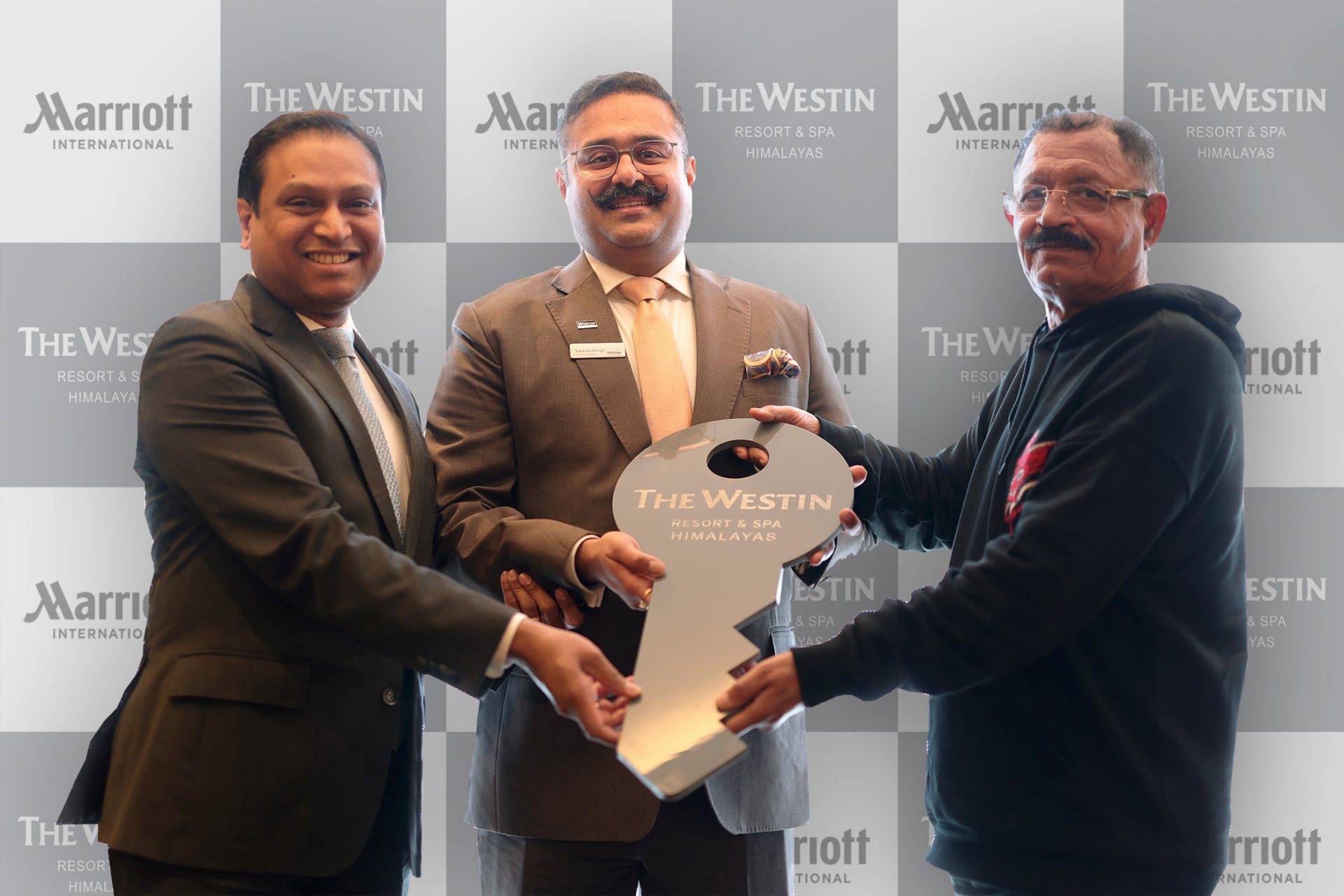
At its core, the brand known as Westin Hotels & Resorts is owned by Marriott International. This might seem like a straightforward answer, but it’s the culmination of a rich history of mergers, acquisitions, and strategic growth that has profoundly reshaped the hospitality landscape. Marriott International stands as one of the world’s largest hotel companies, boasting an expansive portfolio of brands that cater to virtually every segment of the market, from luxury to extended stay, and from full-service resorts to budget-friendly options. The acquisition of Westin was a pivotal moment in this journey, significantly enhancing Marriott’s global footprint and brand diversification.
A Brand Under a Global Giant
Westin operates as a premium brand within Marriott International’s tiered structure. This means that while Marriott holds the intellectual property, the brand standards, and the overall strategic direction for Westin, individual Westin hotels and resorts around the world are typically owned by a diverse array of entities. These can include real estate investment trusts (REITs), private equity firms, individual investors, or other corporations. These owners then enter into franchise agreements or management contracts with Marriott International or one of its approved third-party operators. This model allows Marriott to expand its brand presence globally without having to invest directly in the physical real estate of every single property. For travelers, this ensures a consistent brand experience, regardless of who owns the physical building, backed by Marriott’s extensive loyalty program, Marriott Bonvoy, and global booking systems.
The Acquisition that Reshaped the Industry
The story of Westin’s ownership journey is a saga of corporate consolidation. The brand traces its roots back to 1930, when it was founded as Western Hotels in the United States, a partnership between several hoteliers to manage properties across the Pacific Northwest. Over the decades, it evolved, eventually becoming Westin Hotels & Resorts and undergoing several ownership changes, including stints under Allegis Corporation and Aoki Corporation.
The most significant shift came in 1998 when Starwood Capital Group acquired Westin, integrating it into its burgeoning portfolio that included other iconic brands like Sheraton and St. Regis. This move established Starwood Hotels & Resorts Worldwide as a major player in luxury and upscale hospitality. For nearly two decades, Westin thrived under the Starwood umbrella, cementing its reputation as a pioneer in wellness-focused hospitality.
However, the definitive change in ownership occurred in 2016 when Marriott International completed its landmark acquisition of Starwood Hotels & Resorts Worldwide. This colossal merger created the world’s largest hotel company, a titan with over 30 distinct brands and properties spanning the globe. The acquisition was a strategic move by Marriott to expand its luxury and lifestyle portfolio, gain a stronger foothold in international markets, and leverage the powerful loyalty programs of both companies. With this merger, Westin joined a family that includes The Ritz-Carlton, JW Marriott, W Hotels, and numerous other esteemed brands, solidifying its place within a truly global hospitality powerhouse.
Beyond Brand Ownership: The Complexities of Hotel Real Estate
While Marriott International definitively owns the Westin brand, the ownership of the physical hotel buildings is a far more intricate matter. This distinction is crucial in understanding the financial and operational models that drive the hospitality industry. It highlights why one might find a Westin in New York City owned by a different entity than a Westin Resort in Maui, yet both deliver the consistent brand experience expected of Westin.
Understanding Franchise Agreements and Management Contracts
The most common model for major hotel brands like Westin is not direct ownership of every property, but rather a system of franchising and management contracts.
-
Franchise Agreements: In this model, an independent owner (the franchisee) purchases the right to use the Westin brand name, its operating systems, marketing, and reservations network from Marriott International (the franchisor). The owner is responsible for financing, building, operating, and maintaining the hotel according to strict Westin brand standards. In return for a fee (typically a percentage of revenue), the owner gains access to a globally recognized brand, a vast customer base through Marriott Bonvoy, and sophisticated operational support. This is particularly attractive for owners who want to maintain more control over day-to-day operations while benefiting from brand recognition.
-
Management Contracts: Here, the owner of the physical hotel property hires Marriott International or a third-party management company approved by Marriott to operate the hotel on their behalf. The management company handles everything from staffing, marketing, and daily operations to maintaining brand standards and financial reporting. The owner provides the capital for the property and renovations, while the management company takes a fee based on revenue or profitability. This model is often preferred by owners who are not experts in hotel operations or who wish to be more hands-off, relying on the expertise of a professional hotel management firm.
These models allow Marriott to expand rapidly and globally, leveraging external capital for real estate development while focusing its resources on brand building, marketing, and maintaining consistent guest experiences across its portfolio.
Who Really Owns the Bricks and Mortar?
The actual owners of Westin hotels can be highly diverse:
- Real Estate Investment Trusts (REITs): These are companies that own, operate, or finance income-producing real estate. Many major hotel properties, including Westin hotels, are owned by REITs that specialize in hospitality assets. Examples include Host Hotels & Resorts or Braemar Hotels & Resorts, which might own the land and building, then lease it to an operator or enter into a management agreement with Marriott.
- Private Equity Firms: Investment firms often acquire hotel properties as part of their real estate portfolios, seeking to enhance their value over time through strategic management or renovations before selling them.
- Developers: Companies specializing in real estate development might build a Westin hotel from the ground up, operate it for a period, and then sell it to an investor, or retain ownership and engage a management company.
- High-Net-Worth Individuals or Family Offices: In some cases, individual or family investment vehicles may own prominent hotel properties as part of their diversified assets.
- Other Corporations: Companies outside the direct hospitality sector might own a hotel as part of a larger mixed-use development or as a strategic asset.
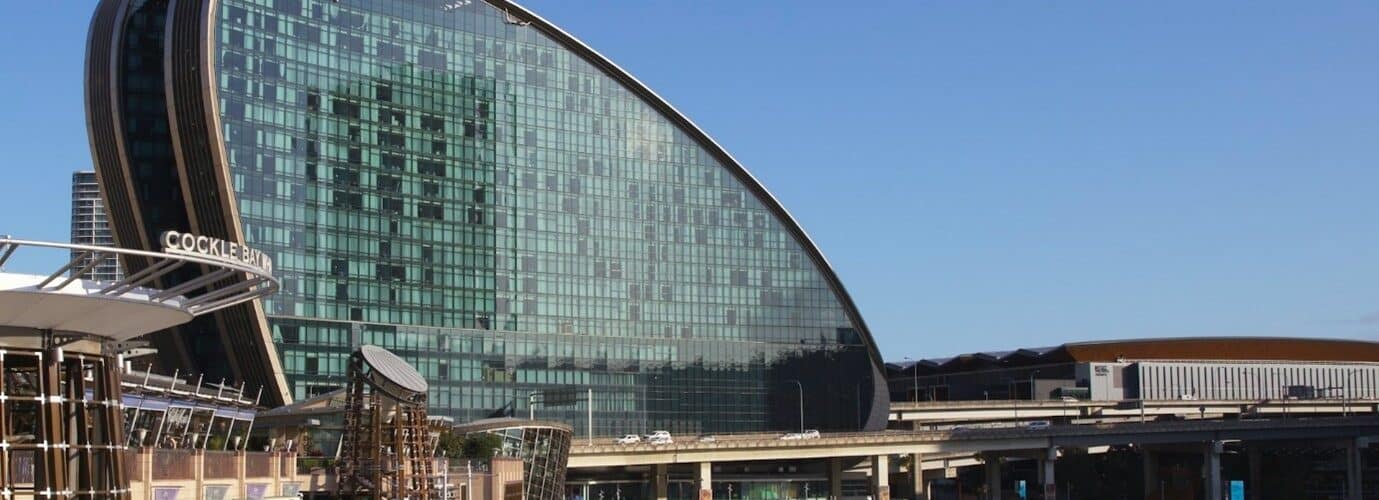
This layered ownership structure means that while the brand Westin is consistently under the Marriott International umbrella, the physical assets are often owned by a wide array of investors, each with their own financial strategies and objectives. This separation allows for efficient capital allocation within the industry, enabling specialized real estate investors to focus on property acquisition and development, while major brand companies like Marriott focus on brand management and guest services.
The Westin Experience: A Brand Defined by Wellness
Regardless of who holds the deed to a particular property, the quintessential Westin experience remains consistent, a testament to Marriott International’s rigorous brand standards and commitment to a distinct identity. Westin has carved out a unique niche in the hospitality market by focusing on wellness, aiming to help guests maintain their routine and feel better than when they arrived. This philosophy permeates every aspect of the guest journey, from the moment they check in to their departure.
Signature Amenities and Design Philosophy
The Westin brand is synonymous with specific, highly recognizable amenities and a design ethos that promotes relaxation, rejuvenation, and productivity.
- The Heavenly Bed®: Perhaps Westin’s most famous innovation, the Heavenly Bed was introduced in 1999 and revolutionized hotel bedding. Featuring a custom-designed pillow-top mattress, crisp white linens, a down comforter, and an abundance of pillows, it was designed to provide an unparalleled sleep experience. Its success led to other brands upgrading their bedding and even allowed Westin to sell the bedding to consumers, extending the brand experience beyond the hotel stay.
- The Heavenly Bath®: Following the success of the bed, the Heavenly Bath features a custom-designed dual showerhead, high-quality bath amenities, and plush oversized towels, aiming to transform the daily ritual into a spa-like experience.
- WestinWORKOUT® Fitness Studios: Understanding travelers’ desire to maintain their fitness routines, Westin offers state-of-the-art fitness centers. Many properties also offer Gear Lending programs, allowing guests to borrow athletic shoes and apparel, removing a common barrier to working out while traveling.
- Eat Well Menus: Reflecting its wellness focus, Westin offers nutritious and delicious dining options designed to energize and satisfy. These menus often highlight local, seasonal ingredients and cater to various dietary preferences.
- Biophilic Design: Westin interiors often incorporate elements of nature through biophilic design – using natural light, plants, and organic textures to create a calming and restorative environment. Public spaces are designed to be bright, airy, and inviting, with a focus on comfortable seating and serene aesthetics.
- Sensory Welcome: From the refreshing white tea scent that often permeates Westin lobbies to thoughtfully curated music playlists, the brand engages multiple senses to create an immersive and memorable arrival experience.
These signature elements are not merely add-ons; they are integral to the Westin brand promise, ensuring that every guest can “Rise Above” the rigors of travel and return home feeling refreshed.
How Brand Consistency Benefits Travelers
The robust framework of brand ownership and management, despite its complexities, ultimately benefits the traveler significantly. The fact that Marriott International owns the Westin brand guarantees a predictable and high-quality experience, whether you are staying at a Westin in London, Dubai, or Singapore.
- Reliability and Trust: Travelers can trust that a Westin hotel will meet certain standards for cleanliness, service, and amenities. This consistency reduces uncertainty, especially when traveling to unfamiliar destinations.
- Seamless Booking and Loyalty: Being part of the Marriott Bonvoy ecosystem means guests can easily book Westin properties through Marriott’s global reservation system, earn and redeem points, and enjoy elite status benefits. This simplifies the travel planning process and rewards loyalty across a vast network of hotels.
- Access to Global Reach: The expansive reach of Marriott International ensures that Westin properties are available in key business and leisure destinations across North America, Europe, Asia, and beyond. This global presence provides travelers with a familiar and trusted accommodation option almost anywhere their journeys take them.
- Continuous Innovation: As part of a large corporate entity, Westin benefits from Marriott’s investment in research and development, technology, and service innovation, ensuring the brand remains competitive and relevant in a rapidly evolving market.
This consistency is vital for both business travelers seeking reliable comfort and leisure travelers looking for a worry-free escape focused on well-being.
Westin’s Place in the Marriott Portfolio and the Broader Travel Landscape
The integration of Westin into the Marriott International portfolio didn’t just expand Marriott’s size; it strategically enhanced its ability to cater to an even wider spectrum of traveler needs and preferences. Westin, with its distinct wellness-focused identity, plays a crucial role within this diverse ecosystem, influencing global tourism and local economies.
Catering to Diverse Travel Lifestyles
Marriott International operates a meticulously segmented portfolio, designed to capture various market shares. Within this structure, Westin is positioned as a Premium brand. This category typically offers a sophisticated, full-service experience with elevated amenities and a strong brand identity, appealing to travelers who value comfort, style, and specific lifestyle benefits without necessarily venturing into the ultra-luxury segment.
- Luxury: Brands like The Ritz-Carlton, St. Regis, and JW Marriott offer opulent experiences, bespoke services, and exclusive destinations.
- Premium: This is where Westin shines, alongside brands like Marriott Hotels, Sheraton, Renaissance Hotels, Le Méridien, and the Autograph Collection or Tribute Portfolio. These brands offer a full-service experience with distinctive features. Westin’s wellness emphasis provides a clear differentiator in this competitive space.
- Select: Brands such as Courtyard by Marriott and Fairfield Inn & Suites focus on essentials, comfort, and efficiency for value-conscious travelers.
- Longer Stays: Residence Inn and TownePlace Suites cater to guests needing accommodations for extended periods, offering amenities like full kitchens.
By having a brand like Westin dedicated to wellness, Marriott captures a growing segment of travelers who prioritize health and well-being even when away from home. This includes business travelers who need to stay productive and refreshed, and leisure travelers seeking restorative getaways. It allows Marriott to offer a diverse range of experiences under one loyalty program, enabling guests to switch between brands based on their trip type and preferences while continuing to earn and redeem points.

Impact on Global Tourism and Local Economies
The presence of a major brand like Westin, backed by Marriott International, has a significant ripple effect on global tourism and local economies.
- Attracting Visitors: Westin hotels often act as anchors for tourism in various destinations. Their brand recognition, global marketing efforts, and robust booking systems draw international and domestic travelers who might not otherwise visit a particular location. This increased visitor traffic supports local businesses, from restaurants and shops to tour operators and cultural attractions.
- Job Creation: Developing and operating a Westin hotel creates numerous jobs, both direct (hotel staff, management) and indirect (construction, suppliers, maintenance). These jobs contribute to local employment rates and economic stability.
- Investment and Infrastructure: The construction or renovation of a Westin property represents a substantial investment in a local area, often leading to improvements in surrounding infrastructure. This can stimulate further development and enhance the overall appeal of a destination.
- Local Culture and Experiences: While maintaining brand consistency, many Westin properties also strive to integrate local culture and experiences into their offerings. This can include showcasing local art, collaborating with local chefs for F&B, or recommending nearby authentic attractions, thereby enriching the guest experience and supporting local heritage.
- Business Travel and Events: Westin hotels, particularly those with extensive meeting and event facilities, are crucial for attracting corporate conventions, conferences, and business travel. This segment of tourism often brings higher spending guests and contributes significantly to the local economy.
In conclusion, the question “Who owns The Westin Hotel?” reveals a sophisticated interplay between global corporate strategy, real estate investment, and brand management. While Marriott International holds the reins of the Westin brand, ensuring its wellness-focused identity and consistent quality worldwide, the actual ownership of the physical properties is often diversified among various investors. This complex structure is a hallmark of the modern hospitality industry, enabling massive scale, global reach, and a reliably excellent experience for travelers across diverse destinations and lifestyles. It’s a system designed to deliver the best of both worlds: the power of a global brand combined with localized real estate investment, ultimately benefiting the millions who choose Westin for their stays.
LifeOutOfTheBox is a participant in the Amazon Services LLC Associates Program, an affiliate advertising program designed to provide a means for sites to earn advertising fees by advertising and linking to Amazon.com. Amazon, the Amazon logo, AmazonSupply, and the AmazonSupply logo are trademarks of Amazon.com, Inc. or its affiliates. As an Amazon Associate we earn affiliate commissions from qualifying purchases.