
When traveling through the verdant, moss-draped landscapes of Louisiana, one is often struck by the architectural grandeur of the region’s historic estates. From the winding banks of the Mississippi River to the quiet, sunken roads of St. Francisville, the question of ownership—and the history behind these structures—is a frequent companion to the journey. Understanding the provenance of these landmarks reveals a complex tapestry of architectural evolution, economic shifts, and the transition of private heritage into public memory.
The Evolution of Land Ownership in the Bayou State
The history of property ownership in Louisiana is inextricably linked to the colonial ambitions of the 18th and 19th centuries. When visitors wander through New Orleans, they are walking through centuries of layered land claims that began under French and Spanish rule.

From Colonial Grants to Private Estates
Early land ownership was governed by royal grants, often distributed to individuals who promised to cultivate the land. These vast tracts, stretching from the river’s edge deep into the swampy interior, formed the basis of what we now identify as plantation country. Over time, these landholdings were subdivided, sold, and inherited, often moving through various prominent families who shaped the political and economic landscape of the territory.
Navigating the Records
Determining the current ownership of a historic landmark often requires a deep dive into public records. Many of the most iconic properties, such as those found along River Road, are no longer held by the families who built them. Instead, a shift has occurred where many sites have transitioned into the hands of non-profit foundations, state historical commissions, or specialized hospitality groups. This transition ensures that the architectural integrity of the sites is maintained, even as the private nature of the home is replaced by a public visitor experience.
Preservation vs. Private Usage
The distinction between a private residence and a historic landmark is a critical one for travelers. While a property may look like a piece of living history, its status as a private dwelling versus a public site dictates how it is maintained and viewed.
The Role of Non-Profits
Many of the most famous sites in Louisiana are now owned by non-profit organizations dedicated to preservation. For example, sites such as Oak Alley Plantation or Laura Plantation have moved far beyond the hands of individual owners. These organizations take on the monumental task of restoring architectural details, maintaining the surrounding gardens, and documenting the historical records of the people who lived and worked on the property.
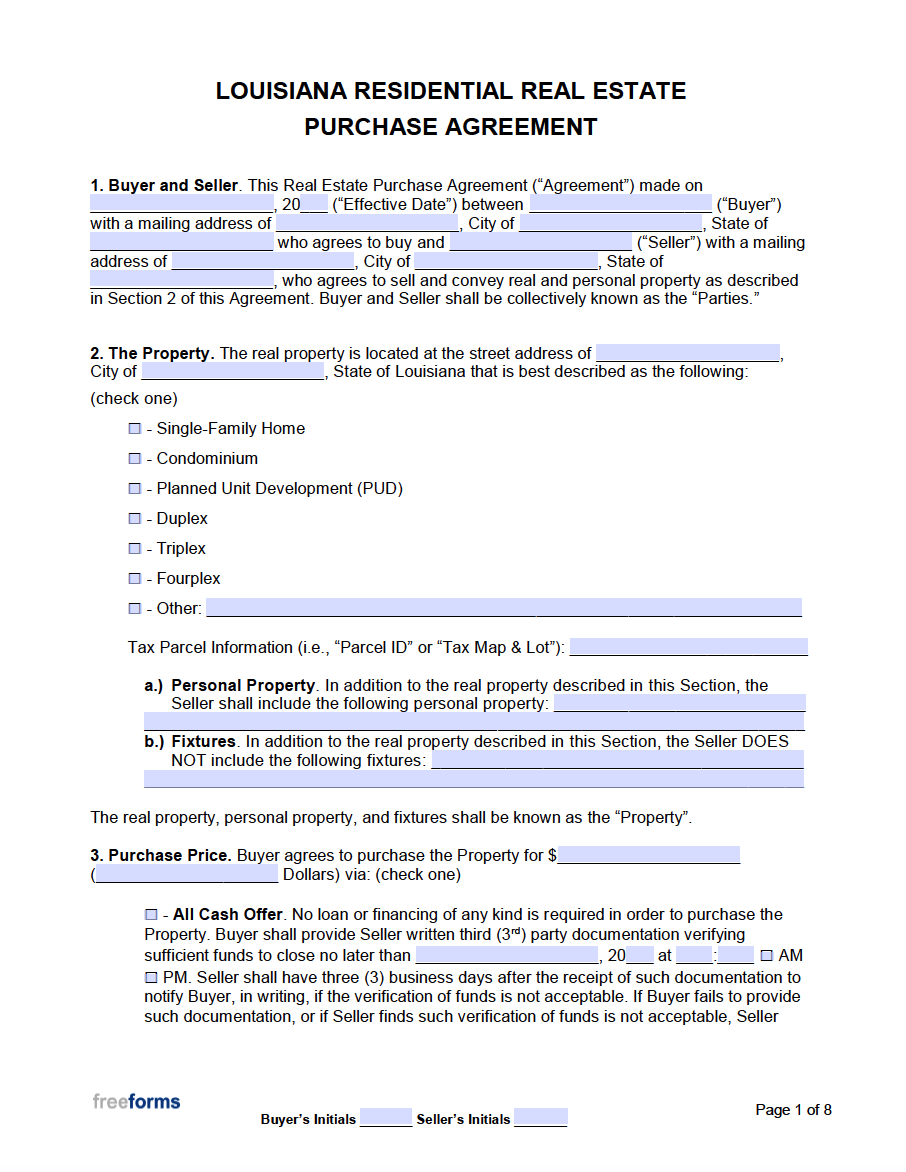
Institutional Ownership
When a property is owned by a state or national historic registry, the public benefits from consistent access and educational programming. However, there are still many stunning examples of Antebellum architecture that remain in private hands. These homeowners serve as stewards of history, often investing their personal resources to stabilize structures that have weathered everything from hurricanes to the slow creep of time. For the observant tourist, distinguishing between these categories is essential for respecting the boundaries of private life while enjoying the cultural richness of the state.
Architectural Significance as a Legacy
Ownership is often secondary to the architectural legacy these buildings represent. Whether a mansion is held by a family or a corporation, the structure itself acts as a permanent record of the aesthetic values of its time.
The Influence of Creole Architecture
Throughout Louisiana, the blend of French, Spanish, and Caribbean influences created a unique vernacular. High ceilings, wide galleries, and brick-between-post construction were not merely stylistic choices; they were responses to the humid subtropical climate. Those who own these properties today are tasked with the delicate balance of preserving these specific historical features while integrating modern infrastructure, such as climate control and electrical updates, which are necessary for the building’s survival in the 21st century.
Notable Landmark Estates
Properties like Destrehan Plantation and Houmas House serve as prime examples of how ownership models have shifted. These properties have become central hubs for Louisiana tourism, functioning as museums, event venues, and, in some cases, luxury accommodations. By opening their doors to the public, these owners facilitate a deeper understanding of the regional history that would otherwise remain sequestered behind private gates.
The Future of Historic Property Ownership
As we look toward the future, the challenge for property owners in Louisiana remains the threat of environmental change. The state’s geography is dynamic, and the maintenance of historic properties involves increasingly sophisticated engineering.
Sustainable Stewardship
Future ownership models will likely rely heavily on public-private partnerships. The cost of maintaining a grand historic house, particularly one located in a flood-prone area, is significant. Partnerships allow for the pooling of resources, combining tax incentives for historic preservation with revenue generated from tourism. This collaborative approach ensures that even if a property changes hands, its place in the historical record is protected by legal covenants that prevent modern developers from altering the core structure.

Engaging with Local History
For the traveler, the curiosity about “who owns this property” is really a curiosity about the continuity of history. Whether you are walking through the French Quarter or driving through the rural parishes near Baton Rouge, every building has a story of stewardship. The owners of these properties—whether they are individual families preserving a legacy, or boards of trustees overseeing a public trust—are all participating in the broader project of keeping Louisiana culture alive.
By visiting these sites and engaging with the history they offer, travelers contribute to the economic sustainability that allows these structures to persist. When you see a sign indicating a historical landmark, you are looking at the culmination of centuries of ownership, transitions, and the shared desire to keep the past visible in the modern world. The identity of the owner is a footnote to the story of the building itself, a story that belongs to everyone who takes the time to look, learn, and appreciate the architectural treasures of the American South.
LifeOutOfTheBox is a participant in the Amazon Services LLC Associates Program, an affiliate advertising program designed to provide a means for sites to earn advertising fees by advertising and linking to Amazon.com. Amazon, the Amazon logo, AmazonSupply, and the AmazonSupply logo are trademarks of Amazon.com, Inc. or its affiliates. As an Amazon Associate we earn affiliate commissions from qualifying purchases.