
The intersection of sustainable living and corporate ownership is a frequent topic of conversation among modern travelers and lifestyle enthusiasts. When we pack our bags for a weekend retreat in Maine or prepare for a business trip to New York City, the brands we carry with us reflect our personal values. One brand that has become a staple in the toiletry kits of eco-conscious nomads is Tom’s of Maine. Known for its natural toothpaste and aluminum-free deodorants, the brand evokes images of the rugged New England coastline and a simpler, purer way of life. However, for those who prioritize ethical consumerism, a crucial question often arises: Who actually owns Tom’s of Maine? Understanding the ownership of this iconic brand is essential for those who want to align their lifestyle choices with their travel habits and environmental ethics.

The Corporate Stewardship of a Natural Icon
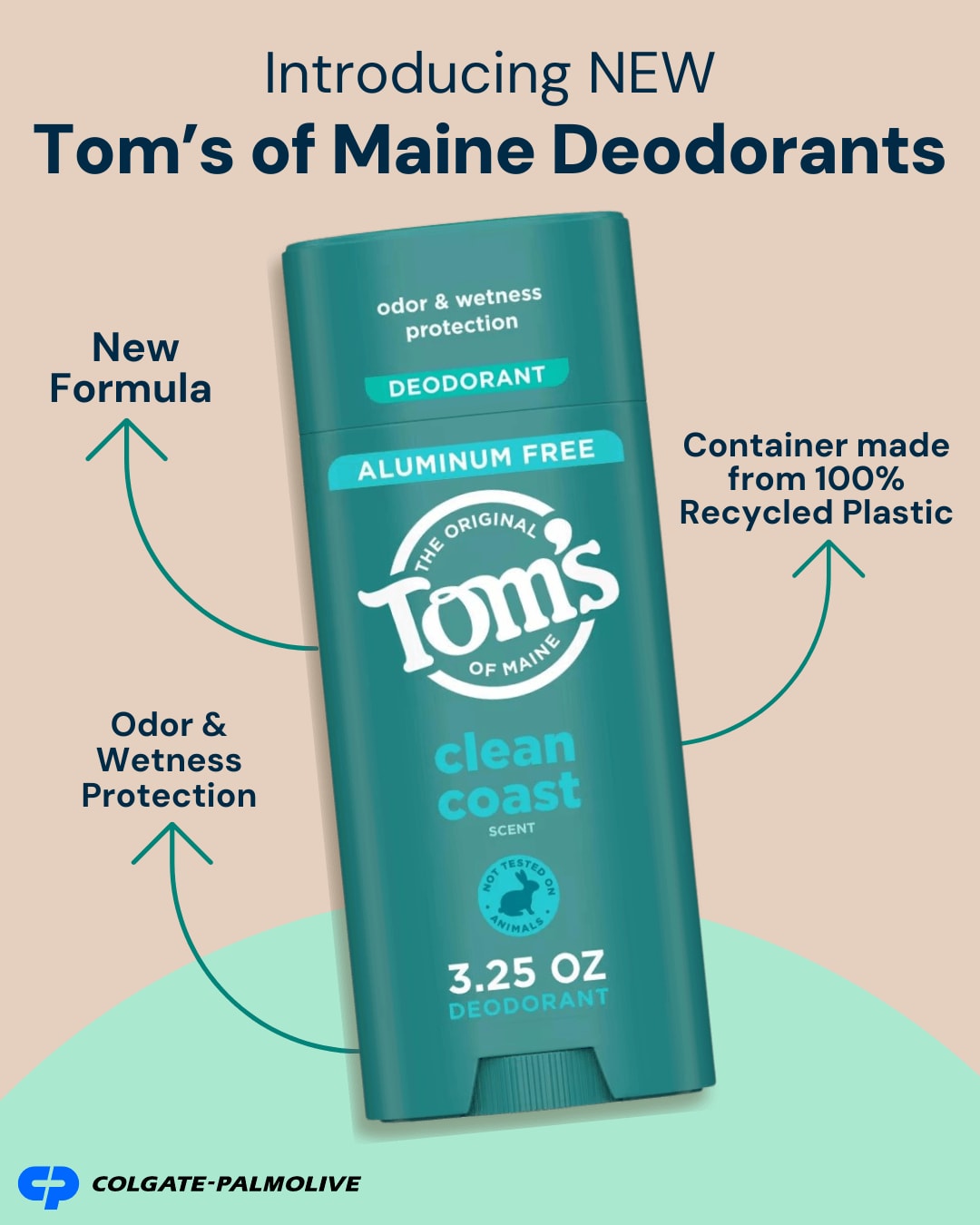
While the brand name suggests a small-scale operation nestled in the woods of Kennebunk, the reality of its ownership is rooted in the global consumer goods sector. Since 2006, Tom’s of Maine has been owned by Colgate-Palmolive. This acquisition was a landmark moment in the “natural” industry, signaling a shift where major multinational corporations began to recognize the immense value and growing market share of lifestyle-focused, sustainable products.
The 2006 Acquisition by Colgate-Palmolive
In the mid-2000s, the landscape of personal care was changing rapidly. Consumers in the United States and Europe were increasingly seeking alternatives to synthetic ingredients. Recognizing this trend, Colgate-Palmolive, a titan of the oral care world, purchased an 82% stake in Tom’s of Maine for approximately $100 million. The remaining 18% stayed with the founders, Tom and Kate Chappell, for a period, though the brand is now fully integrated into the Colgate family. This move allowed Colgate-Palmolive to instantly gain a foothold in the premium natural market, while providing the Maine-based company with the distribution power of a global giant.
Maintaining the Maine Identity
One of the primary concerns for loyalists during the transition was whether the brand would lose its soul. For many, the lifestyle associated with Tom’s of Maine—one of authenticity, transparency, and connection to the Atlantic Ocean breeze—was its biggest selling point. Colgate-Palmolive made a strategic decision to keep the headquarters in Kennebunk. This choice was vital for maintaining the brand’s “Maine-ness.” By keeping operations in the Pine Tree State, the company ensured that the local culture and values continued to influence product development, even as the tubes of toothpaste began appearing on shelves from Los Angeles to London.
Transparency and B Corp Certification
In recent years, the ownership by Colgate-Palmolive has allowed Tom’s of Maine to pursue high-level sustainability goals that might have been difficult for a smaller entity. The brand is a Certified B Corporation, meeting rigorous standards of social and environmental performance. For the modern lifestyle traveler, this certification serves as a seal of approval. Whether you are staying at a luxury resort in Bar Harbor or a boutique hotel in Portland, seeing a B Corp brand in your luggage reinforces a commitment to a lifestyle that values people and the planet over just profit.
The Roots of the Brand: A Maine Success Story
To truly understand why the ownership of Tom’s of Maine matters, one must look back at its origins. The brand was founded in 1970 by Tom and Kate Chappell, who moved to Maine from Philadelphia in search of a healthier, more intentional lifestyle. Their story is the quintessential New England dream: entrepreneurs who turned their personal convictions into a national phenomenon.
From Philadelphia to Kennebunk
The Chappells’ journey began when they realized that the personal care products available in Pennsylvania didn’t meet their standards for natural ingredients. Upon moving to Kennebunk, they started with a $5,000 loan and a mission to create products that were effective yet environmentally friendly. Their first hit was a phosphate-free laundry detergent, but it was the toothpaste that eventually made them a household name across the United States. Their success helped define the “Maine Lifestyle”—a blend of rugged independence, environmental stewardship, and high-quality craftsmanship.
The Chappell Legacy and Lifestyle Impact
Even after the sale to Colgate-Palmolive, the Chappell family remained influential in the lifestyle space. Tom Chappell went on to found Ramblers Way, a sustainable clothing company that uses fine wool. This continued dedication to ethical business practices has solidified the family’s reputation as pioneers of the modern conscious lifestyle. For travelers visiting Kennebunkport, the legacy of the Chappells is woven into the local fabric, representing a bridge between traditional New England values and contemporary global commerce.
The Evolution of Natural Personal Care

Before Tom’s of Maine, the idea of “natural” toothpaste was relegated to niche health food stores in places like Vermont or California. The Chappells were instrumental in bringing these products into the mainstream. Today, as we see these items in high-end hotels like The Ritz-Carlton or boutique accommodations across Massachusetts, we are witnessing the long-term impact of their vision. The ownership shift to Colgate-Palmolive was simply the final step in moving natural personal care from a lifestyle subculture to a global standard.
Embracing the Maine Lifestyle: Travel and Ethics
For many, the question “Who owns Tom’s of Maine?” is the start of a deeper exploration into the Maine lifestyle itself. Visiting the birthplace of the brand offers a unique opportunity to see how environmental ethics translate into a world-class travel destination. From the rocky shores of Acadia National Park to the bustling food scene in Portland, Maine embodies a lifestyle that many strive to emulate.
Sustainable Travel in Southern Maine
When planning a lifestyle-focused trip to Maine, Kennebunkport is a natural starting point. This charming town is more than just a summer colony for the elite; it is a hub of sustainable tourism. Visitors can stay at eco-conscious retreats like The White Barn Inn, where local sourcing and environmental respect are part of the luxury experience. Packing your Tom’s of Maine toothpaste for a stay here feels like a full-circle moment, connecting your personal care routine with the local geography and the brand’s corporate history.
The Influence of Maine on Global Beauty Standards
The “Maine Lifestyle” is often characterized by a “less is more” approach to beauty and wellness. This aesthetic has permeated the travel industry, with many resorts in Canada and the United Kingdom adopting a similar “clean and green” philosophy. By understanding the ownership and origin of brands like Tom’s of Maine, travelers become more discerning. They begin to look for the same level of transparency in their accommodations, choosing Hilton or Marriott properties that have robust sustainability programs, or opting for independent lodges that prioritize the local ecosystem.
Why Ownership Matters to the Modern Nomad
In an age of “greenwashing,” knowing that a brand like Tom’s of Maine is owned by Colgate-Palmolive allows a consumer to make an informed choice. Some may prefer to support smaller, independent brands found in local boutiques in Boston. Others may find comfort in the fact that a large corporation is being held to high standards through the B Corp certification of its subsidiary. This level of insight is a hallmark of a sophisticated lifestyle, where every purchase and every travel booking is an intentional act.
Integrating Conscious Brands into a Travel Routine
A luxury travel lifestyle is no longer just about the number of stars a hotel has; it is about the story behind the products we use and the places we visit. Integrating brands like Tom’s of Maine into your travel routine is a practical way to maintain your values while on the road, whether you are exploring Europe or taking a road trip through New Hampshire.
The Essential Travel Kit for the Ethical Traveler
When curating a lifestyle-driven travel kit, consistency is key. Alongside your Tom’s of Maine essentials, you might include items from other brands that share a similar corporate ethos. For those frequenting London or Paris, having a reliable set of natural products ensures that your wellness routine remains uninterrupted by the stresses of international travel. The ownership of these brands by larger entities often means you can find your favorite products in major hubs like Heathrow Airport or JFK Airport, making a sustainable lifestyle more accessible than ever before.
Business Stays and Brand Consistency
For business travelers spending nights at the Westin or the Sheraton in cities like Chicago or Atlanta, maintaining a sense of home is vital. Using a familiar brand that originated in the peaceful landscapes of Maine can provide a grounding influence. Even though the brand is part of a multi-billion dollar corporation, the connection to its roots remains a powerful narrative for those who value authenticity in their lifestyle.
Future Outlook for Lifestyle Brands
The story of Colgate-Palmolive and Tom’s of Maine serves as a blueprint for the future of the lifestyle industry. As more consumers demand transparency and ethical production, we can expect to see more acquisitions of this nature. The key for the consumer—and the traveler—is to stay informed. By knowing who owns the brands in our suitcases, we can navigate the world with a clearer conscience, ensuring that our presence in destinations from Mount Desert Island to Cape Porpoise supports the values we hold dear.
In conclusion, while Tom’s of Maine is a subsidiary of a global powerhouse, its heart remains firmly planted in the soil of the United States northeast. Its ownership story is a fascinating look at how a lifestyle brand can scale without losing the essence of its origin, providing a model for how we can all live—and travel—a little more naturally.
LifeOutOfTheBox is a participant in the Amazon Services LLC Associates Program, an affiliate advertising program designed to provide a means for sites to earn advertising fees by advertising and linking to Amazon.com. Amazon, the Amazon logo, AmazonSupply, and the AmazonSupply logo are trademarks of Amazon.com, Inc. or its affiliates. As an Amazon Associate we earn affiliate commissions from qualifying purchases.