
The question of ownership for prominent establishments, particularly those that have woven themselves into the fabric of popular culture and tourism, often sparks considerable curiosity. Treasure Island Hotel in Las Vegas, a name synonymous with entertainment and a distinctive presence on the Las Vegas Strip, is no exception. Understanding its ownership journey provides a fascinating glimpse into the dynamic world of hospitality and real estate investment, revealing shifts in corporate strategy, market fluctuations, and the enduring allure of this iconic location.
A History of Ownership Transitions
The story of Treasure Island Hotel ownership is a narrative of strategic acquisitions and divestitures, reflecting broader trends in the gaming and hospitality industries. From its inception, the hotel has been a part of larger corporate entities, each with its own vision and operational philosophy.
Founding and Early Years: Mirage Resorts
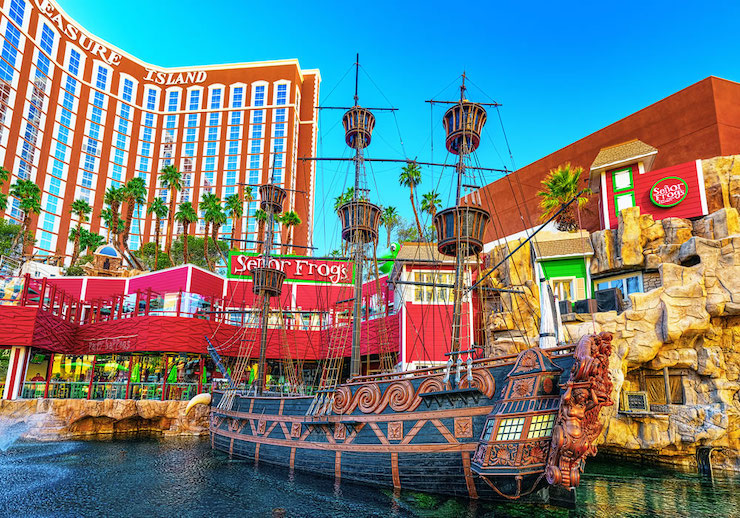
Treasure Island Hotel was originally conceived and developed by Steve Wynn through his company, Mirage Resorts. It opened its doors in October 1993, targeting a slightly younger demographic than its sister property, The Mirage, with a pirate theme that quickly became its signature. This era was characterized by innovative entertainment concepts, including the free outdoor pirate battle shows, which drew significant crowds and established the hotel as a must-see attraction. Under Mirage Resorts, Treasure Island Hotel was a key component of a portfolio designed to offer unique, themed experiences in Las Vegas.
Acquisition by MGM Mirage
In 2000, MGM Grand Inc. acquired Mirage Resorts in a landmark deal valued at approximately $6.4 billion. This transaction brought Treasure Island Hotel under the umbrella of what would eventually become MGM Resorts International, one of the largest hotel and gaming companies in the world. The integration into the MGM portfolio meant that Treasure Island Hotel would benefit from the broader marketing reach and operational expertise of a major player in the industry. While the pirate theme remained, the property also began to see refinements and updates aimed at maintaining its competitive edge on the ever-evolving Las Vegas Strip.
The Phil Ruffin Era
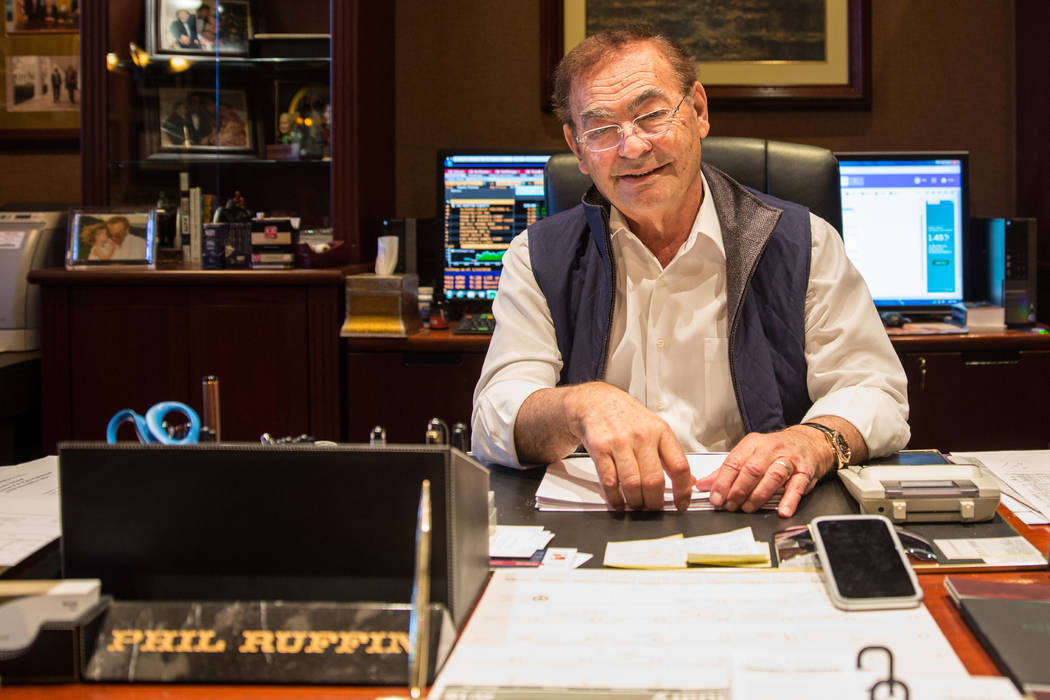
A significant shift in ownership occurred in 2009 when MGM Mirage announced the sale of Treasure Island Hotel to Phil Ruffin for $775 million. Ruffin, a prominent real estate developer and casino owner, acquired the property through his privately held company. This marked a return to more independent ownership, allowing Ruffin to implement his own strategic direction for the hotel. Under his stewardship, the focus has been on optimizing operations, enhancing the guest experience, and maintaining the hotel’s unique identity while adapting to market demands. This period has seen continued investment in renovations and programming designed to keep Treasure Island Hotel a relevant and appealing destination.
Current Ownership and Management
As of the most recent public information, Treasure Island Hotel is owned by Phil Ruffin and operated under his company, Treasure Island, LLC. This private ownership structure allows for a more agile approach to management and investment decisions compared to publicly traded corporations. Ruffin’s long-standing presence in the Las Vegas gaming and hospitality scene brings a depth of experience to the property. His personal involvement in the management and strategic development of Treasure Island Hotel has been a hallmark of this ownership phase.

Strategic Vision Under Private Ownership
The ownership by Phil Ruffin has been characterized by a commitment to enhancing the guest experience without necessarily pursuing the massive, integrated resort models favored by some larger corporations. The emphasis has often been on retaining the distinct character of Treasure Island Hotel, including its pirate-themed elements, while modernizing facilities and entertainment offerings. This includes ongoing renovations to guest rooms and public spaces, as well as strategic updates to dining and gaming options. The private ownership allows for quicker decision-making regarding capital improvements and a more direct oversight of operational efficiency.
Impact on Hotel Operations
The current ownership structure allows for a focused approach to the hotel’s operations. This often means prioritizing guest satisfaction, maintaining a competitive pricing strategy, and leveraging the hotel’s unique atmosphere. Unlike large corporations that might view individual properties as interchangeable parts of a vast network, a private owner like Phil Ruffin can imbue the hotel with a more distinct identity and tailor its offerings to its specific market segment. This personalized approach can translate into a more cohesive guest experience, where the hotel’s brand and operational philosophy are consistently reflected across all touchpoints.
The Significance of Ownership for Hotel Development
The ownership history of Treasure Island Hotel underscores how changes in ownership can significantly shape a hotel’s trajectory, from its physical appearance and amenities to its target market and overall guest experience.
Evolution of Themed Entertainment
When Treasure Island Hotel first opened, its pirate theme and spectacular free shows were revolutionary, attracting families and entertainment seekers alike. Steve Wynn and Mirage Resorts were pioneers in creating immersive environments. As ownership changed hands, particularly to MGM Mirage, there was a period of integration and modernization. The outdoor pirate shows, a signature element, eventually ceased, reflecting a shift in entertainment strategies and perhaps a move towards a more adult-oriented casino experience common on the Strip. Under Phil Ruffin, the hotel has continued to evolve, balancing its historical themes with contemporary amenities. The ownership’s vision directly influences the types of entertainment, dining, and even the overall ambiance that guests encounter.
Investment and Renovation Cycles
Each ownership group has brought its own approach to investment and renovation. Mirage Resorts invested heavily in the initial construction and theming. The acquisition by MGM Mirage likely saw a period of standardization and integration into their brand guidelines. Phil Ruffin’s private ownership has allowed for targeted renovations and operational improvements designed to maintain the hotel’s appeal and profitability without the pressure of quarterly earnings reports that public companies often face. These cycles of investment are crucial for any hotel, especially in a competitive market like Las Vegas, to remain relevant and attractive to a diverse clientele, from those seeking budget-friendly stays to those looking for a unique, albeit not ultra-luxury, experience.
Market Positioning and Brand Identity
The identity of Treasure Island Hotel has been subtly but significantly shaped by its owners. From the bold, thematic approach of Wynn to the corporate integration under MGM and the focused, independent management by Ruffin, the hotel’s brand has adapted. Currently, it occupies a space that offers a balance of entertainment, a casino, and comfortable accommodations, often at a more accessible price point than some of its mega-resort neighbors. This positioning is a direct reflection of the current ownership’s strategy to leverage the hotel’s established name and location while maintaining a distinct and cost-effective offering in the Las Vegas market. The ownership’s commitment to its specific market niche ensures that Treasure Island Hotel continues to be a viable and unique destination.
LifeOutOfTheBox is a participant in the Amazon Services LLC Associates Program, an affiliate advertising program designed to provide a means for sites to earn advertising fees by advertising and linking to Amazon.com. Amazon, the Amazon logo, AmazonSupply, and the AmazonSupply logo are trademarks of Amazon.com, Inc. or its affiliates. As an Amazon Associate we earn affiliate commissions from qualifying purchases.