
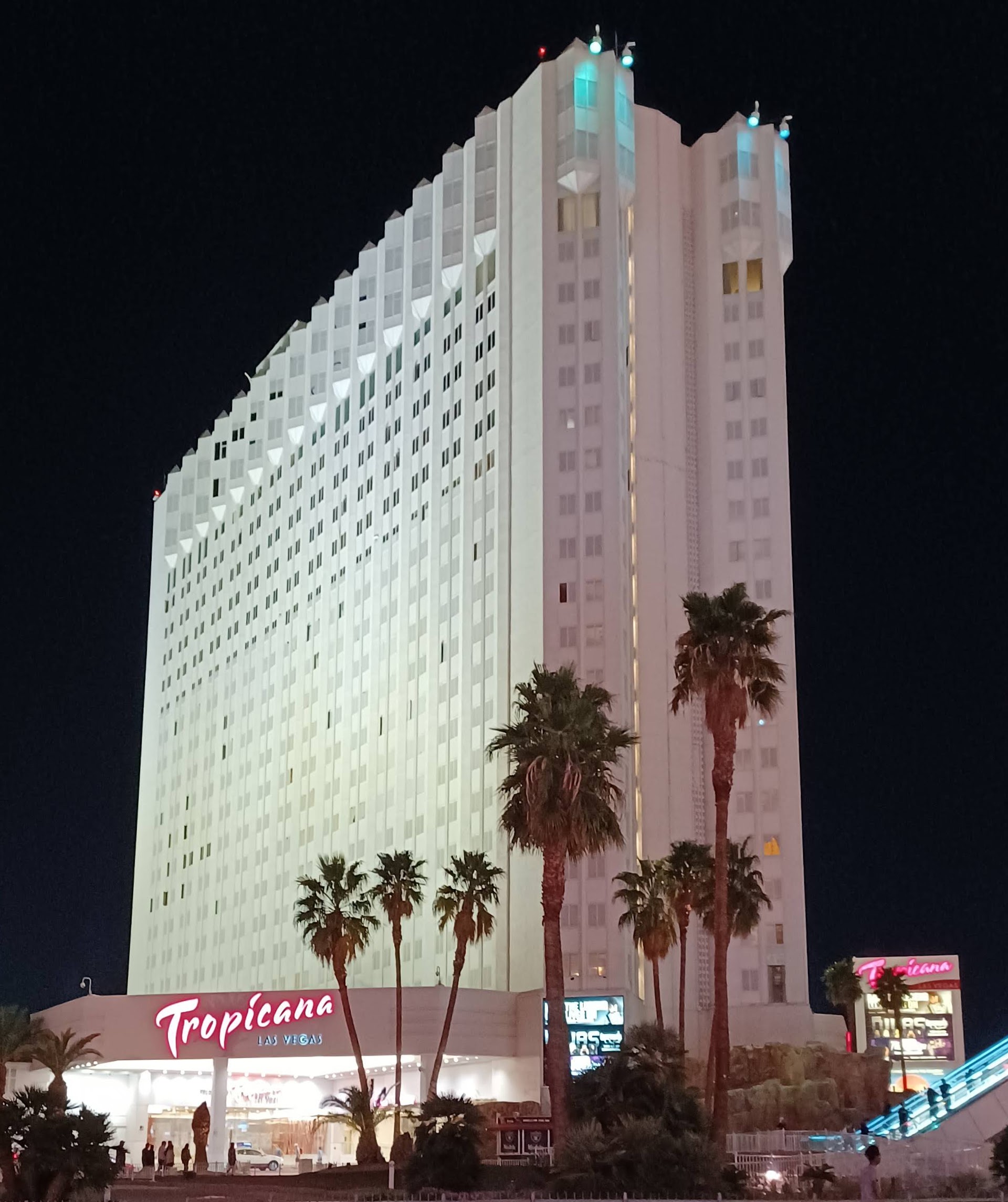
The story of the Tropicana Hotel Las Vegas is a narrative defined by the relentless evolution of the Las Vegas Strip. As one of the most iconic structures in Nevada, its ownership history serves as a window into the shifting financial and cultural landscape of the world’s most famous gaming destination. To understand who currently owns the site and the complex legacy behind it, one must look at the transition from classic mid-century glamour to the modern era of corporate real estate conglomerates.
The Corporate Transition of Ownership
For decades, the Tropicana Hotel Las Vegas operated under a variety of owners, ranging from eccentric private investors to large-scale casino corporations. However, the most definitive change in the property’s recent history occurred when Bally’s Corporation entered the fray. This acquisition represented a pivot for the brand, moving away from the independent, storied era of the resort toward a vision centered on regional gaming and expansive real estate potential.
The Role of Gaming REITs
A critical aspect of modern hotel ownership in Las Vegas is the distinction between the operator and the property owner. In recent years, the physical real estate beneath the Tropicana Hotel Las Vegas was acquired by Gaming and Leisure Properties. This Real Estate Investment Trust (REIT) specializes in owning the land and buildings while leasing the operations to companies like Bally’s Corporation. This separation of ownership is a hallmark of current Nevada resort finance, allowing operational entities to focus on gaming and entertainment while the REIT manages the underlying asset value.
Strategic Divestiture and Land Value
The ownership of the Tropicana Hotel Las Vegas has always been tied to the strategic value of its location. Situated at one of the busiest intersections on the Las Vegas Strip, the land itself carries more value than the aging structure that sat atop it. Ownership groups have long viewed the site as a prime location for future development, leading to a focus on the site’s potential utility rather than the preservation of its historical guest rooms.
The Influence of Major League Sports on Ownership
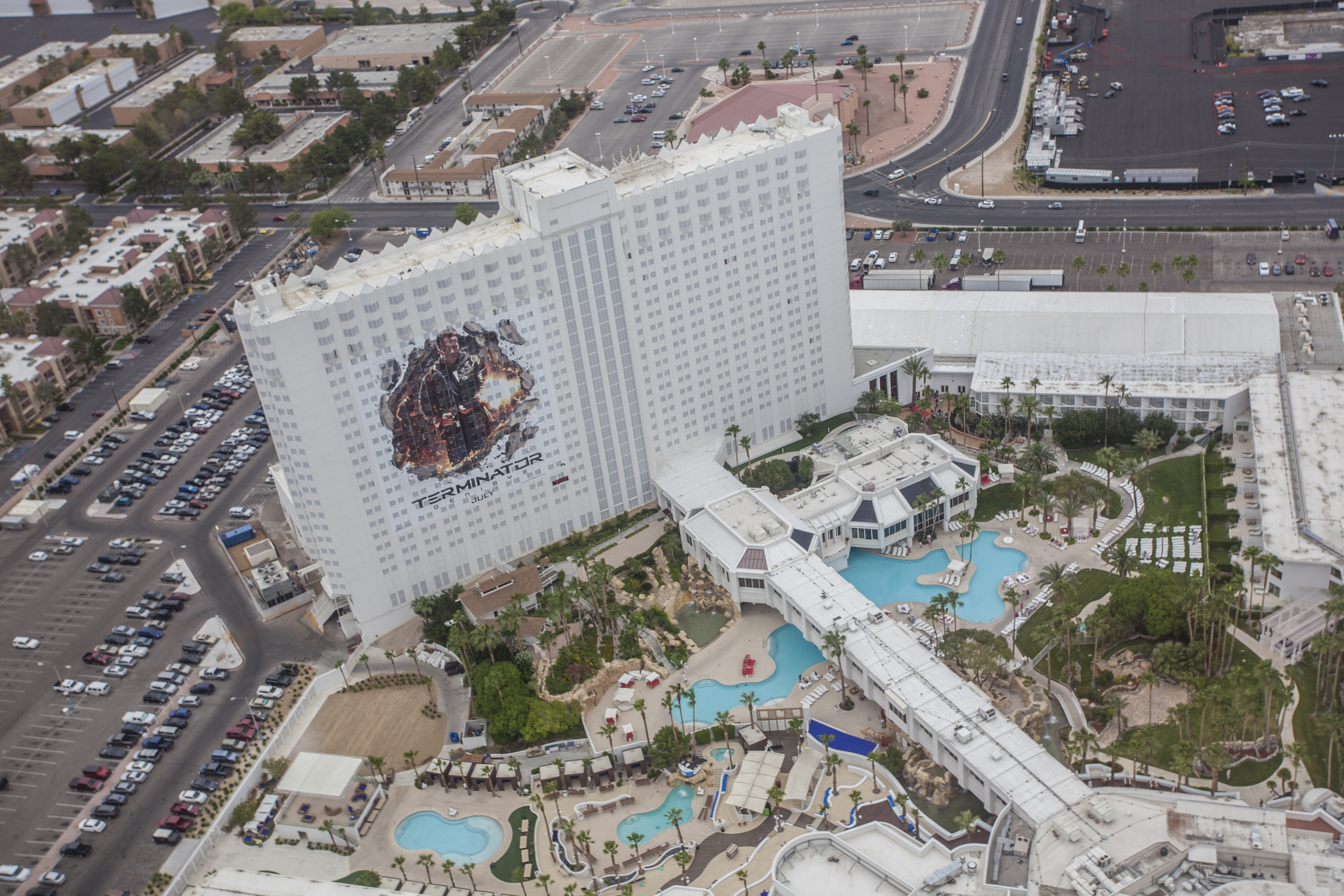
In recent years, the trajectory of ownership for the Tropicana Hotel Las Vegas shifted from pure hospitality to high-stakes urban development. As Las Vegas evolved into a major sports hub, the intersection where the resort stood became the focal point for the relocation of professional sports teams.
Integration with Modern Infrastructure
The ownership of the property became intrinsically linked to the broader infrastructure plans of Nevada and the United States. With plans emerging to build a new baseball stadium on the site, the owners were tasked with the difficult reality of closing a historic landmark to facilitate a major public-private development. This transition illustrates how property ownership in Las Vegas is no longer solely about operating a hotel, but rather about positioning land for city-wide development initiatives.
The Impact on Hospitality Standards
When ownership is focused on development rather than guest experience, the standard of service and the condition of the physical amenities often decline. For the Tropicana Hotel Las Vegas, the final years under Bally’s Corporation were characterized by a scaling back of operations. This is a common pattern in the industry; when a site is earmarked for redevelopment, the investment shifts from renovation to transition, leaving the remaining guests with a legacy experience that contrasts sharply with the glitz of newer, neighboring resorts like the MGM Grand or the New York New York Hotel and Casino.
Historical Context of Ownership
To truly grasp the significance of the Tropicana Hotel Las Vegas, one must acknowledge the figures who shaped its early years. Known as the “Tiffany of the Strip” upon its opening in the 1950s, the resort was originally conceived as a luxury escape. Over the following decades, it passed through the hands of various entities, including developers with ties to the early gaming expansion of the mid-20th century.
From Private Ownership to Public Corporations
The shift in ownership mirrors the professionalization of the industry in Las Vegas. In its infancy, the resort was owned by private investors, many of whom maintained the resort’s high-end, exclusive reputation. As the regulatory environment in Nevada tightened and the industry moved toward public ownership, the Tropicana Hotel Las Vegas became a corporate asset. This change brought stricter oversight but also led to the homogenization of the guest experience, as the hotel was integrated into larger loyalty programs and booking engines.
The Architectural Legacy
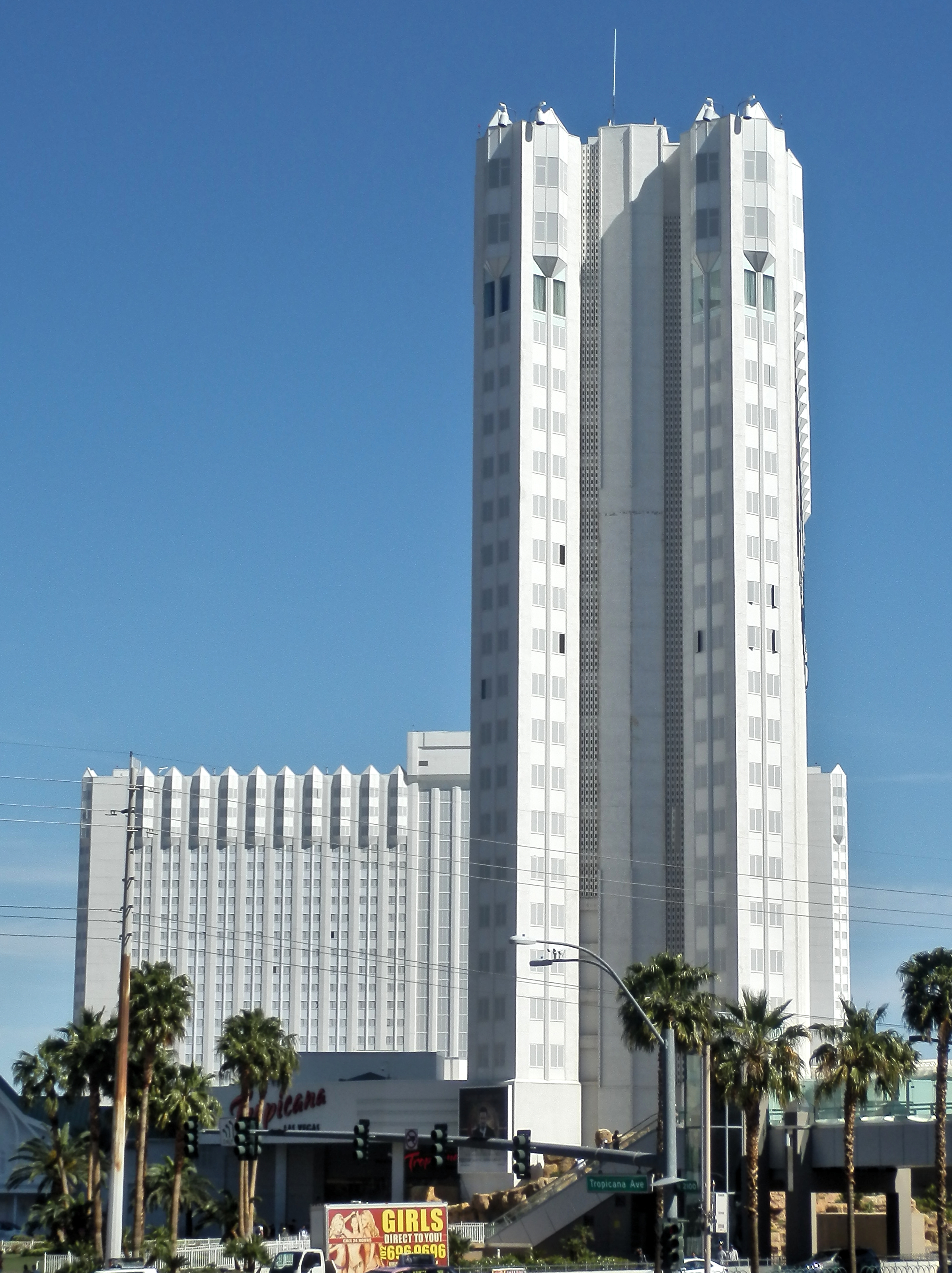
The design and ownership of the Tropicana Hotel Las Vegas are inseparable. Its distinct, tropical-themed architecture served as a departure from the mid-century modern aesthetic common in neighboring resorts. Owners throughout history were tasked with the challenge of maintaining an aging building while trying to compete with the rapid construction of massive, mega-resort properties nearby. The struggle to reconcile historical preservation with the need for modern luxury amenities defined the property’s later decades.
Future Outlook for the Property
As the final chapters for the current iteration of the Tropicana Hotel Las Vegas come to a close, the focus shifts to the future owners and developers. The land, now positioned as a catalyst for urban transformation, remains one of the most coveted pieces of real estate in the United States.
The Role of Public-Private Partnerships
Modern ownership in Las Vegas often involves deep collaboration with local government. The stadium project, which dictates the current utility of the Tropicana Hotel Las Vegas grounds, requires a synergy between private developers and the state of Nevada. This model ensures that whoever holds the title to the land must operate within the strict regulatory and development framework required for large-scale sports and entertainment venues.
Legacy and Memory
While the Tropicana Hotel Las Vegas will eventually disappear, its ownership history will remain a testament to the cycles of the Las Vegas Strip. From its early days as a beacon of luxury to its final identity as a strategic development site, the property represents the relentless ambition of those who own and operate the hospitality landscapes of the world. For travelers and historians alike, understanding who owned the resort is equivalent to understanding the story of Las Vegas itself—a story where ownership is temporary, but the impact of the location is permanent.
As guests and observers reflect on this landmark, they see the conclusion of an era where a single resort could define the identity of an entire city block. The next phase, overseen by new entities, will undoubtedly reshape the skyline, yet the history of the Tropicana Hotel Las Vegas will continue to serve as a pivotal chapter in the history of global tourism and hospitality.
LifeOutOfTheBox is a participant in the Amazon Services LLC Associates Program, an affiliate advertising program designed to provide a means for sites to earn advertising fees by advertising and linking to Amazon.com. Amazon, the Amazon logo, AmazonSupply, and the AmazonSupply logo are trademarks of Amazon.com, Inc. or its affiliates. As an Amazon Associate we earn affiliate commissions from qualifying purchases.