
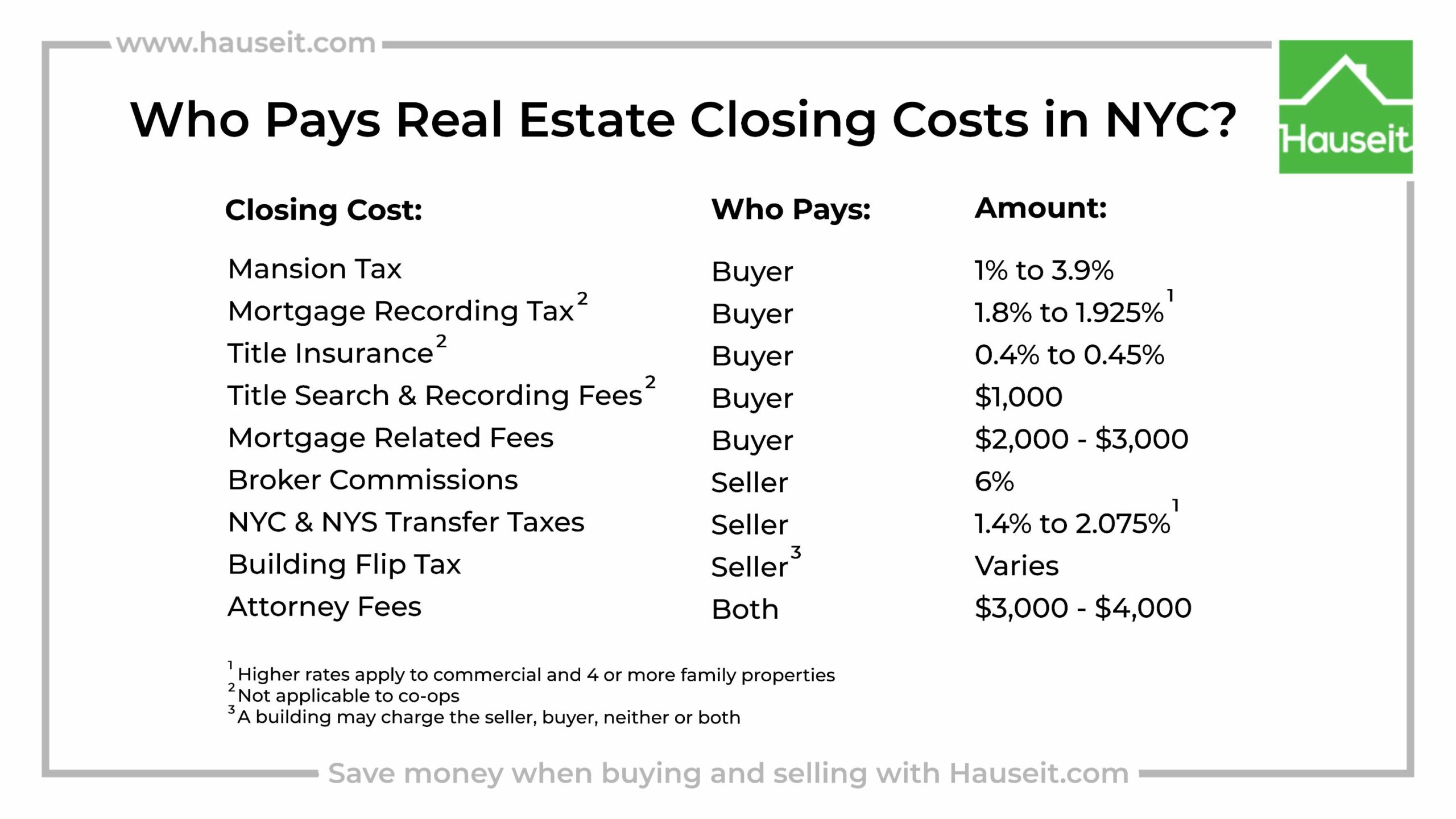
Understanding the intricacies of real estate transactions in a bustling metropolis like New York can be a complex endeavor. One of the most frequently asked questions, particularly for those navigating the market for the first time, revolves around the payment of realtor fees. While the general perception might lean towards the buyer covering these costs, the reality in New York is nuanced and often depends on the specific type of transaction and the agreements in place. This article aims to demystify the landscape of realtor fee payments in the Empire State, offering clarity for both buyers and sellers.
The Buyer’s Broker and the Seller’s Commission
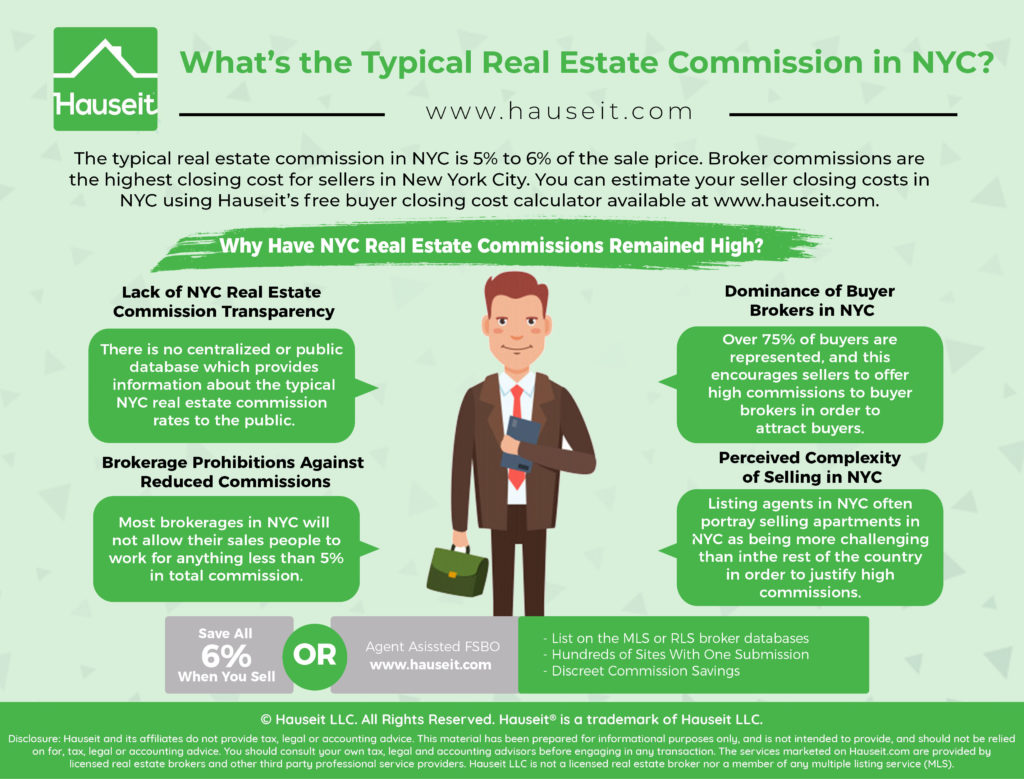
Historically, and still predominantly in most New York residential sales, the seller is responsible for the commission paid to the listing agent, who then typically splits this commission with the buyer’s agent. This model has been the standard for decades, fostering a system where buyers often engage a broker without direct upfront payment.
The Listing Agreement: A Seller’s Commitment
When a homeowner decides to sell their property, they enter into a listing agreement with a real estate brokerage. This legally binding contract outlines the terms of the sale, including the commission rate. This rate, usually a percentage of the final sale price, is agreed upon by the seller and the brokerage. The listing agent then markets the property, negotiates offers, and guides the seller through the closing process. Crucially, this agreement also stipulates the cooperative commission offered to any buyer’s agent who brings a successful offer.
The Buyer’s Brokerage Agreement: A Buyer’s Ally
While the seller is funding the commission, buyers often engage their own representation through a buyer’s brokerage agreement. This agreement solidifies the relationship between the buyer and their agent, detailing the agent’s responsibilities, fiduciary duties, and the scope of their services. While this agreement might mention compensation, it typically references the commission offered by the seller. In essence, the buyer’s agent is working on behalf of the buyer, advocating for their interests, but their compensation is derived from the seller’s commission pool.
The Commission Split: A Cooperative Effort
The agreed-upon commission from the seller is then shared between the listing brokerage and the buyer’s brokerage. The exact percentage of this split is a matter of negotiation between brokerages and is often influenced by market conditions and the specific services each agent provides. This cooperative commission structure is a cornerstone of the real estate industry, incentivizing agents to bring qualified buyers to sellers.
Nuances in the New York Rental Market
The rental market in New York, particularly in a high-demand area like New York City, presents a different dynamic regarding realtor fees, often referred to as “broker fees.” These fees can be a significant expense for renters and have been the subject of considerable discussion and regulatory changes.
The “One-Month Fee” or “15% Fee”
In many rental scenarios, especially in apartments for rent, the tenant is expected to pay a broker fee. This fee can vary, but common structures include one month’s rent or a percentage of the annual rent, often around 15%. This fee compensates the broker who finds a suitable rental property for the tenant and facilitates the lease agreement.
Who Pays the Fee: A Shifting Landscape
Historically, the tenant has consistently paid this broker fee. However, there have been efforts and regulations aimed at shifting this burden. For instance, the Housing Stability and Tenant Protection Act of 2019 in New York introduced provisions that clarified some aspects of these fees. While the law aimed to prevent landlords from charging excessive fees and to offer more transparency, it did not entirely eliminate the tenant’s responsibility for paying a broker fee in many situations. The ultimate payer often depends on who the broker represents. If a broker is exclusively working for the tenant to find an apartment, the tenant will likely pay. If the broker represents the landlord and is marketing the landlord’s property, the landlord might pay the broker from their own funds, though this is less common in practice for typical rental transactions.
Landlord-Paid vs. Tenant-Paid Fees
In some instances, landlords may choose to pay the broker fee to incentivize agents to rent their properties quickly. This is more likely to occur when a property has been vacant for an extended period or when the landlord is eager to secure a tenant. When this happens, the listing broker’s commission is paid by the landlord, and the tenant may not incur a separate fee, or it might be a significantly reduced amount. Conversely, if a tenant engages a broker to actively search for a specific type of rental, it is generally understood that the tenant will be responsible for that broker’s fee.
Exclusive Buyer’s Agents and Their Compensation
A growing trend in the real estate industry, including in New York, is the rise of exclusive buyer’s agents. These agents represent only buyers, never sellers, which can eliminate potential conflicts of interest.
The Importance of Exclusive Representation
For buyers, working with an exclusive buyer’s agent ensures that their agent’s sole focus is on their needs and best interests. This can be particularly valuable in competitive markets like New York, where understanding market nuances and having strong negotiation skills is paramount.
Compensation Models for Exclusive Buyer’s Agents
The compensation for exclusive buyer’s agents can be structured in a few ways. Most commonly, they still rely on the cooperative commission offered by the seller through the listing agreement. In such cases, the buyer’s agent receives their share of the seller’s commission, as outlined previously. However, some exclusive buyer’s agents may opt for a retainer fee or an hourly rate, which is paid directly by the buyer. This model ensures their compensation is independent of any sale and solely tied to their services provided to the buyer. This direct payment structure can offer buyers a clear understanding of their agent’s financial commitment.
Potential for Fee Negotiation and Emerging Models
The real estate commission structure is not entirely static, and there is always room for negotiation, particularly in higher-value transactions or in challenging market conditions. Furthermore, new models are emerging that could reshape how realtor fees are handled in the future.
Negotiating Commissions
While commission rates are often presented as standard, they are, in fact, negotiable. Sellers, in consultation with their listing agents, can discuss and potentially adjust the commission rate if they feel it is too high or if they are entering into a particularly complex or lengthy transaction. Similarly, buyers might, in certain circumstances, negotiate the terms of their buyer’s brokerage agreement, especially if they are seeking a more specialized service or if their agent is taking on a significant role.
Legal and Regulatory Influences
Regulatory bodies and legal precedents continuously shape the real estate landscape. Decisions, such as those made by the National Association of Realtors (NAR) or state-level regulations in New York, can impact how commissions are advertised and paid. For example, changes in how buyer agent commissions are displayed or compensated could lead to different practices. Buyers and sellers should stay informed about current regulations to understand their rights and obligations.

The Future of Realtor Fees
The real estate industry is constantly evolving, driven by technology, consumer demand, and regulatory shifts. We may see a greater adoption of flat-fee services, à la carte offerings, or other innovative compensation models. As the market matures and competition among brokerages intensifies, there’s a continued push towards greater transparency and potentially more flexible fee structures that better align with the value provided to clients. For anyone involved in buying or selling property in New York, understanding these dynamics is key to a successful and financially sound transaction.
LifeOutOfTheBox is a participant in the Amazon Services LLC Associates Program, an affiliate advertising program designed to provide a means for sites to earn advertising fees by advertising and linking to Amazon.com. Amazon, the Amazon logo, AmazonSupply, and the AmazonSupply logo are trademarks of Amazon.com, Inc. or its affiliates. As an Amazon Associate we earn affiliate commissions from qualifying purchases.