
Navigating the real estate market, whether you’re looking to buy your dream home in the bustling city of Austin or seeking a tranquil retreat in the Texas Hill Country, often brings up a crucial question: Who is responsible for paying the realtor fees? This is a fundamental aspect of any real estate transaction, and understanding it can significantly impact your budget and overall experience. While the general perception might lean towards the seller bearing this cost, the reality in Texas is nuanced and depends on various factors, primarily the type of transaction.
The commission paid to real estate agents is typically a percentage of the final sale price of a property. This percentage is agreed upon in the listing agreement between the seller and their agent. Historically, and in the vast majority of residential sales, it is the seller who pays the commission for both their own agent and the buyer’s agent. This practice has been the standard for decades, simplifying the transaction for buyers who can often enter the market without immediate out-of-pocket expenses for brokerage services.

However, the landscape of real estate transactions is not entirely monolithic. While seller-paid commissions are the norm in Texas, there are situations, particularly in commercial real estate or during specific buyer-broker agreements, where the buyer might contribute to or entirely cover the realtor fees. This article will delve into the intricacies of realtor fee payment in Texas, exploring the standard practices, exceptions, and what you, as a buyer or seller, need to know to make informed decisions. We’ll also touch upon how these fees relate to the broader lifestyle choices and travel experiences associated with real estate, from finding the perfect luxury apartment to securing a long-term rental villa for your next vacation.
The Seller’s Standard Responsibility in Residential Sales
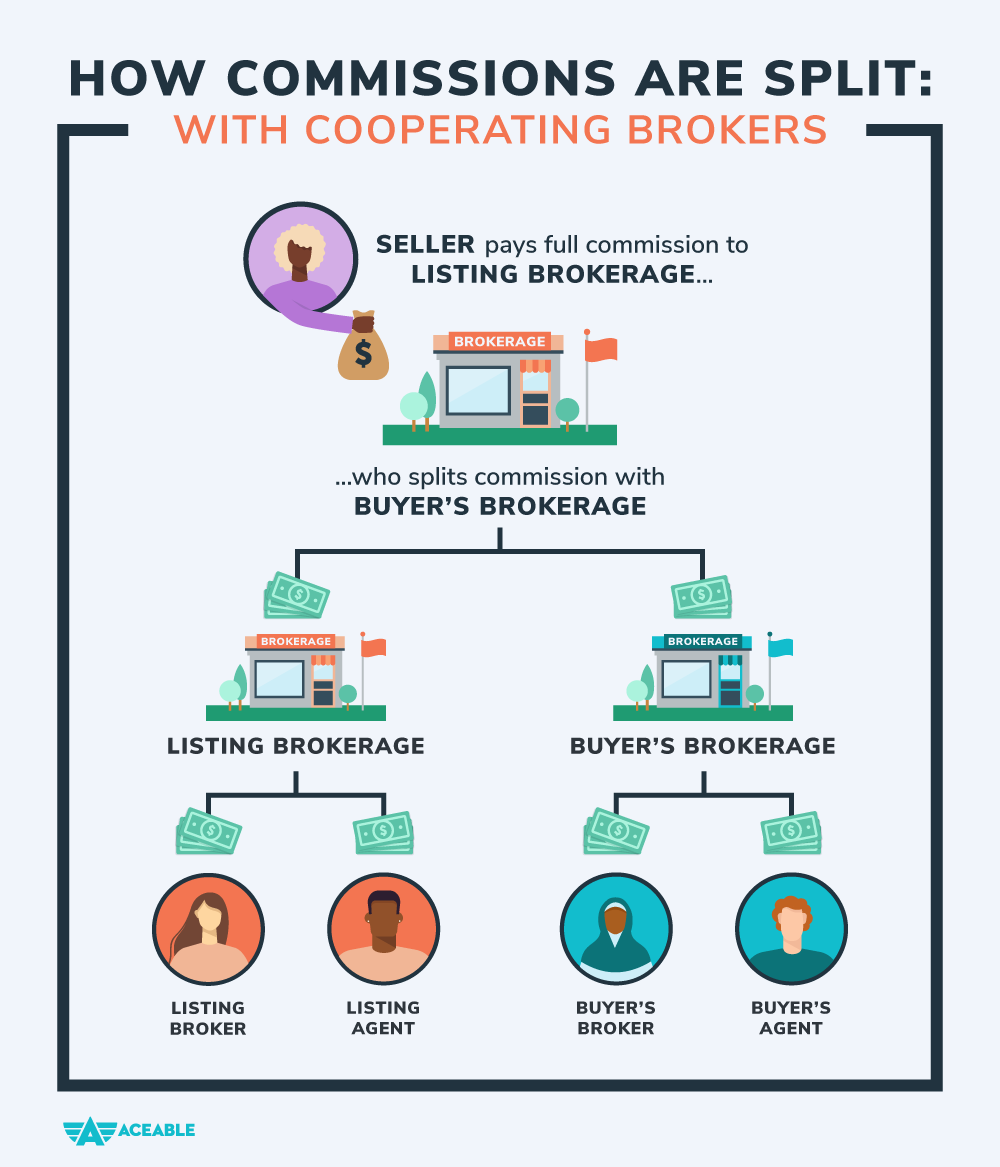
In the vast majority of residential real estate transactions in Texas, the seller shoulders the responsibility of paying the realtor fees. This is a deeply ingrained practice, often referred to as a “cooperative commission” structure. When a seller lists their property with a real estate broker, they enter into a listing agreement. This contract outlines the terms of the brokerage service, including the commission rate, typically ranging from 5% to 6% of the sale price. This commission is then split between the seller’s listing agent and the buyer’s agent.
How the Commission Split Works
The listing agent, who markets the property and negotiates on behalf of the seller, receives a portion of the commission. The remaining portion is offered to any buyer’s agent who brings a qualified buyer to the table. This cooperative model incentivizes buyer’s agents to show their clients properties listed by other brokers, thereby increasing the marketability of the seller’s home and potentially leading to a faster sale.
For example, if a home sells for $400,000 with a 6% commission, the total commission would be $24,000. This amount would then be divided between the listing brokerage and the buyer’s brokerage, with each brokerage then paying their respective agents. The exact split between the listing agent and buyer’s agent is determined by the agreement between the brokerages, but it’s commonly a 50/50 split.
Benefits for Buyers
This seller-paid commission structure offers significant advantages to buyers. It removes a substantial financial barrier to entry, allowing buyers to focus their financial resources on the down payment, closing costs, and furnishing their new home. Imagine securing a beautiful villa in Florida for a holiday without worrying about separate agent fees; the same principle applies to purchasing a primary residence. Buyers can engage a real estate agent, get expert advice, access listings, and have their agent negotiate on their behalf without incurring direct costs for these services. This often leads to a more relaxed and enjoyable home-buying experience, akin to exploring new destinations with a knowledgeable guide.
The Seller’s Perspective
From the seller’s standpoint, paying the realtor fees is viewed as a necessary marketing expense to ensure their property reaches the widest possible pool of potential buyers. A skilled listing agent provides invaluable services, including professional photography, staging advice, market analysis, property showings, and expert negotiation. The commission is essentially payment for these services, aimed at achieving the best possible sale price and terms. It’s an investment in getting their property sold efficiently and profitably, much like investing in a well-crafted travel guide to discover the hidden gems of a new city.
Exceptions and Nuances in Texas Real Estate
While the seller paying realtor fees is the dominant model in Texas residential sales, it’s crucial to acknowledge that exceptions exist. These often arise in specific market segments or under unique contractual arrangements. Understanding these nuances is key to avoiding surprises and ensuring a smooth transaction.
Commercial Real Estate Transactions
In the realm of commercial real estate, the fee structure can differ significantly from residential sales. While seller-paid commissions are still common, it’s not as universally standardized. In some commercial deals, the buyer might agree to pay a portion of the broker’s commission, especially if the buyer has engaged a broker specifically to find a commercial property, such as an office space or an investment property. The rationale here is that the buyer’s agent is providing a direct service to the buyer in locating and securing a specific type of commercial asset.
Buyer-Broker Agreements
Buyers can, and sometimes do, enter into a written Buyer Representation Agreement with their real estate agent. This contract outlines the terms of the working relationship, including the services the agent will provide and how they will be compensated. In some instances, a buyer might agree to pay a portion or all of their agent’s commission directly. This might occur if:
- The seller is unrepresented (For Sale By Owner – FSBO): If a buyer finds a property listed by an owner who is not using a real estate agent, the buyer’s agent might negotiate a commission directly with the buyer. In such cases, the buyer’s agent may ask the buyer to pay their commission, or a reduced commission, if the seller is unwilling to compensate the buyer’s agent.
- Commission negotiation: In highly competitive markets or for specific types of properties, a buyer’s agent might negotiate a higher commission with their buyer to ensure their services are adequately compensated, especially if the listed commission on the property is unusually low.
- Exclusive buyer agency: A buyer might want to ensure their agent is exclusively representing their interests and agree to pay for that dedicated service.
It’s important for buyers to have a clear understanding of the terms of any Buyer Representation Agreement they sign and to discuss commission expectations openly with their agent upfront. This ensures transparency and avoids misunderstandings, much like clarifying the itinerary and costs before embarking on an elaborate trip.
Dual Agency
Dual agency occurs when a single real estate agent or brokerage represents both the buyer and the seller in the same transaction. This situation is permitted in Texas but requires full disclosure and consent from both parties. In dual agency, the agent’s commission structure can become more complex. Typically, the commission is still paid by the seller, but the agent receives the entire commission, as they are not splitting it with a buyer’s agent. This arrangement can sometimes lead to ethical concerns, as an agent representing both sides might face challenges in fully advocating for each party’s best interests. Buyers and sellers should carefully consider the implications of dual agency and ensure they are comfortable with the arrangement.
Understanding Your Role and Negotiating Fees
Regardless of whether you are buying or selling, understanding who pays realtor fees and how those fees are structured is paramount. Transparency and open communication with your real estate agent are key to a successful and satisfactory transaction. This is akin to planning a vacation where you meticulously compare hotel amenities and booking options to find the best value and experience.
For Sellers: Listing Agreements and Negotiation
When you decide to sell your property in Texas, the first step is usually to interview several real estate agents and select one to list your home. During this process, you will sign a listing agreement. This document is legally binding and details, among other things, the commission rate.
- Negotiate the commission: While commission rates are often presented as standard, they are negotiable. Don’t hesitate to discuss the commission with potential agents. You can propose a slightly lower rate, especially if you have a valuable property or believe the agent can provide exceptional service. You can also negotiate the split between the listing agent and the buyer’s agent, although this is less common.
- Understand services included: Ensure the listing agreement clearly outlines all the services the agent will provide, from marketing and photography to open houses and negotiation. This helps you assess the value you’re receiving for the commission paid.
- Consider a tiered commission: In some cases, you might negotiate a tiered commission structure where the percentage is slightly lower if the property sells quickly or for a higher price than expected.

For Buyers: Buyer Representation and Expectations
As a buyer in Texas, you have the right to be represented by a real estate agent who will work in your best interest.
- Choose your agent wisely: Select an agent you trust and who understands your needs, whether you’re looking for a family home, a vacation rental apartment, or a property in a vibrant tourist area.
- Discuss commission upfront: While the seller typically pays the buyer’s agent’s commission, it’s wise to have a clear discussion with your agent about how they are compensated. This includes understanding the terms of the Buyer Representation Agreement if you sign one.
- Be aware of FSBO situations: If you are interested in a “For Sale By Owner” property, be prepared for the possibility that you might need to cover your agent’s commission or negotiate it with the seller.
- Factor in total costs: Remember that realtor fees are just one part of the overall cost of buying a home. You’ll also need to account for mortgage payments, property taxes, insurance, closing costs, and potential renovation expenses.
By being informed and proactive, both buyers and sellers in Texas can navigate the complexities of realtor fees with confidence, ensuring their real estate journey is as smooth and rewarding as a well-planned trip to San Antonio or a relaxing stay at a beachfront resort. The key is to approach the process with clarity, open communication, and a thorough understanding of the financial landscape.
LifeOutOfTheBox is a participant in the Amazon Services LLC Associates Program, an affiliate advertising program designed to provide a means for sites to earn advertising fees by advertising and linking to Amazon.com. Amazon, the Amazon logo, AmazonSupply, and the AmazonSupply logo are trademarks of Amazon.com, Inc. or its affiliates. As an Amazon Associate we earn affiliate commissions from qualifying purchases.