
Understanding Down Payment Assistance for Long-Term Accommodation
Securing permanent accommodation is a significant milestone for individuals and families, representing stability, community integration, and a foundation for future prosperity. For many aspiring residents in California, the primary hurdle to achieving this long-term stay is accumulating a sufficient down payment. Down payment assistance (DPA) programs are designed precisely to bridge this gap, offering financial aid that makes the dream of homeownership — and thus, permanent accommodation — a tangible reality. These programs are not merely about financial transactions; they are about enabling individuals to establish roots, build equity, and invest in a stable future within the state’s diverse communities.
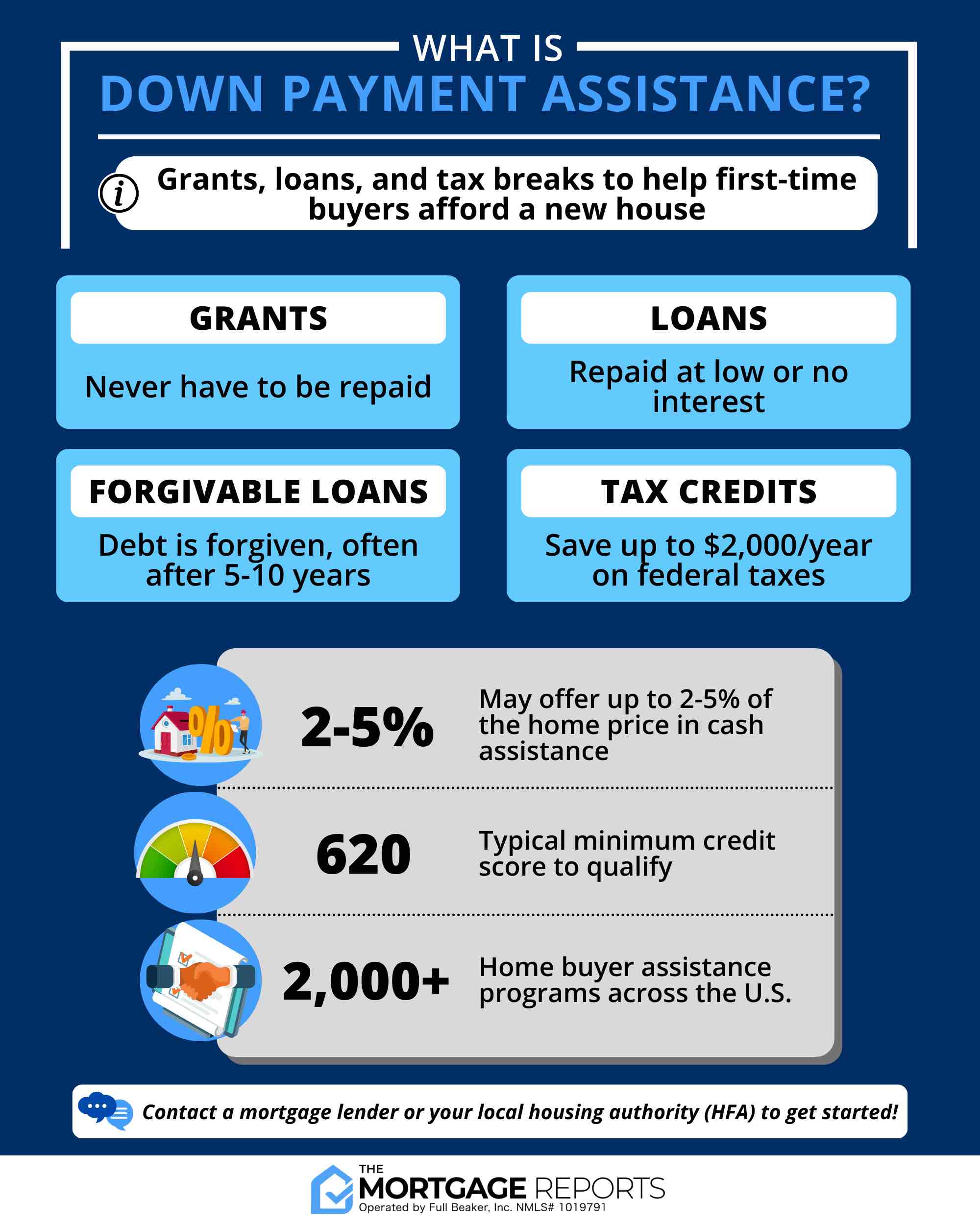
The concept of down payment assistance, when viewed through the lens of accommodation, shifts from a purely financial product to a critical enabler of long-term residency. By reducing the upfront capital required, DPA programs allow more people to transition from temporary rental situations or unstable living arrangements into their own permanent dwellings. This assistance can take various forms, including grants, deferred-payment loans, or low-interest loans, all aimed at covering a portion or even the entirety of the down payment and sometimes closing costs. The ultimate goal is to foster a more inclusive housing market where the path to stable, long-term accommodation is accessible to a broader demographic, particularly those who have historically faced barriers to entry due to high upfront costs in competitive markets like California.
The Role of Assistance in Securing Permanent Dwellings
Down payment assistance plays a pivotal role in democratizing access to long-term accommodation across California’s vast and varied landscape. Without it, many potential homebuyers would remain locked out of the market, perpetually in a cycle of renting, which offers no equity building and often less stability. The assistance specifically targets the down payment, which typically ranges from 3% to 20% of the home’s purchase price, a substantial sum in a state known for its high property values. For example, even a modest home in a less expensive part of California can still demand a down payment of tens of thousands of dollars, a figure many households struggle to save, especially while managing current living expenses.
By supplementing personal savings, DPA programs empower individuals to meet lender requirements for a down payment, often allowing them to secure more favorable mortgage terms than they might otherwise. This directly impacts their ability to afford a permanent dwelling, influencing not just the initial purchase but also the long-term sustainability of their accommodation. Moreover, some programs specifically target areas or populations that have been underserved, promoting community revitalization and ensuring that the opportunity for stable accommodation extends beyond affluent areas. The provision of such aid is a testament to the understanding that secure housing is fundamental to individual well-being and broader societal stability, fostering a sense of belonging and community that underpins true long-term residency.
General Eligibility Criteria for California Accommodation Programs
Qualifying for down payment assistance in California requires meeting a specific set of criteria, which can vary slightly depending on the particular program and the administering agency. However, several common threads run through most initiatives, designed to ensure that assistance is directed towards those who need it most and who are most likely to successfully maintain their long-term accommodation. Understanding these general requirements is the first crucial step for anyone seeking to establish a permanent dwelling through these supportive pathways. The parameters often revolve around financial capacity, prior homeownership status, and the characteristics of the prospective property.
Income and Credit Score Requirements for Homeownership
The financial health of an applicant is a primary consideration for almost all down payment assistance programs aimed at fostering long-term accommodation. Income limits are a standard feature, designed to ensure that the assistance benefits low-to-moderate income households. These limits are typically expressed as a percentage of the Area Median Income (AMI) for the specific county or metropolitan area in California where the property is located. For instance, a program might cap eligibility at 80% or 120% of the AMI, meaning an applicant’s total household income must not exceed this threshold. These limits are subject to periodic adjustments, so verifying the current figures for the relevant locale is essential. The purpose of these income caps is to direct resources to those who, without assistance, would find it exceptionally difficult to afford permanent accommodation.
Credit score requirements also play a significant role, as they indicate an applicant’s financial responsibility and likelihood of successfully managing a mortgage — the foundation of long-term accommodation. While exact scores vary, most programs look for a minimum credit score, often in the mid-600s or higher. This requirement assures lenders and program administrators that the recipient is a reliable borrower, capable of fulfilling their financial obligations associated with their long-term dwelling. Prospective applicants are often advised to review their credit reports and take steps to improve their scores if necessary, prior to applying, to enhance their chances of securing both the DPA and the underlying mortgage loan for their permanent residence.
First-Time Homebuyer Status and Property Location
Many down payment assistance programs are specifically tailored to assist “first-time homebuyers,” defined broadly as individuals who have not owned a primary residence in the past three years. This focus is rooted in the objective of expanding homeownership and thereby increasing the number of households securing long-term accommodation for the first time. However, it’s important to note that some programs may have exceptions for certain demographics, such as veterans or individuals purchasing in targeted revitalization areas, allowing them to qualify even if they have owned a home previously. This distinction is crucial for understanding which programs align best with an applicant’s specific circumstances for achieving their desired long-term dwelling.
Furthermore, the location and type of property intended for purchase are often key eligibility factors. Most down payment assistance programs stipulate that the purchased property must serve as the applicant’s primary residence, reinforcing the goal of securing long-term accommodation rather than investment properties. This means multi-unit dwellings might be permitted, but only if the applicant resides in one of the units. Additionally, certain programs may focus on specific geographic areas within California, such as high-cost regions, rural areas, or designated redevelopment zones, to address localized housing needs or stimulate economic growth. Understanding these property-specific criteria is vital to ensure that the intended long-term dwelling fits within the program’s guidelines.

Key Down Payment Assistance Programs in California
California boasts a robust array of down payment assistance programs, many administered or supported by the California Housing Finance Agency (CalHFA). These programs are continually updated and designed to address the diverse needs of aspiring homeowners seeking long-term accommodation across the state. From general assistance for first-time buyers to specialized aid for specific professions, understanding the landscape of these initiatives is essential for navigating the path to a permanent dwelling.
CalHFA Programs for Diverse Needs
CalHFA is a cornerstone of down payment assistance in California, offering a suite of programs that cater to various eligibility profiles. Their offerings typically include deferred-payment junior loans that can be used for down payments and/or closing costs. These loans are often “silent seconds,” meaning payments are deferred until the home is sold, refinanced, or paid off, making them incredibly accessible for those trying to secure their initial long-term accommodation.
A prominent example is the MyHome Assistance Program, which provides a junior loan to help with down payment and closing costs. This program is often paired with a CalHFA first mortgage, simplifying the financing process for long-term accommodation. Another crucial initiative is the Extra Credit Teacher Program, specifically designed to assist teachers, administrators, and classified employees working in California public schools. This program acknowledges the vital role educators play in communities and aims to provide them with the means to establish permanent residency where they serve. Additionally, the CalHFA Zero Interest Program offers even more favorable terms, though typically with more stringent eligibility requirements, showcasing the agency’s commitment to making long-term accommodation attainable for as many California residents as possible. Each program carries specific income limits, credit score requirements, and property guidelines, making it imperative for applicants to review the details carefully.
Local and Regional Accommodation Initiatives
Beyond state-level programs like those from CalHFA, numerous local and regional down payment assistance initiatives exist throughout California. These programs are often administered by cities, counties, or local housing authorities and are specifically tailored to address the unique housing challenges and economic landscapes of their respective areas. For example, a city might offer grants or low-interest loans to encourage long-term accommodation within its limits, often targeting specific neighborhoods for revitalization or to support essential service workers.
These local programs often have distinct eligibility criteria that may differ from state programs, including different income caps, residency requirements, or property location restrictions. They can be particularly beneficial because they may offer higher assistance amounts or more flexible terms, reflecting the specific needs and resources of the local community. Applicants seeking long-term accommodation in a particular city or county should therefore investigate opportunities offered directly by their local government or housing authority. Combining state and local assistance can sometimes provide even more substantial aid, significantly reducing the financial burden of securing a permanent dwelling in California. Researching these localized options, often available through municipal housing departments or non-profit housing counseling agencies, is a critical step for comprehensive down payment assistance planning.
Navigating the Application Process for Your Long-Term Stay
The journey to securing down payment assistance for your long-term accommodation in California involves a structured application process that, while detailed, is navigable with proper preparation and guidance. Understanding the steps, gathering the necessary documentation, and leveraging available support services can significantly streamline your path to establishing a permanent dwelling. The process is designed to ensure that applicants are well-prepared for the responsibilities of homeownership, which includes a stable financial foundation.
Essential Documentation and Support Services
Applicants for down payment assistance programs will need to compile a comprehensive set of documents to verify their eligibility. This typically includes proof of income (pay stubs, tax returns, W-2s), bank statements to show assets and savings, credit reports, and identification documents. For “first-time homebuyer” specific programs, declarations confirming no prior homeownership within the last three years will be required. Property-related documents, such as the purchase agreement and appraisal reports, will also be necessary once a specific property for long-term accommodation has been identified. Organized submission of these materials is crucial for a smooth application review.
Crucially, prospective buyers are often required to complete a homebuyer education course. These courses, usually offered by HUD-approved counseling agencies, provide invaluable insights into the homebuying process, financial management, and the responsibilities of maintaining a permanent dwelling. They serve not only as a mandatory step for many DPA programs but also as an empowering educational resource, equipping future homeowners with the knowledge needed for successful long-term accommodation. Moreover, working with a lender who is familiar with CalHFA and other local DPA programs is highly recommended. These lenders can guide applicants through the specific requirements of each program, helping them navigate the complexities and identify the best options for their long-term stay. Housing counseling agencies also offer free or low-cost support, providing personalized advice and assistance throughout the application process.

The Impact on Long-Term Financial Stability
Successfully acquiring down payment assistance to secure long-term accommodation has profound positive impacts on an individual’s or family’s financial stability. By reducing the initial cash outlay, DPA programs preserve an applicant’s savings, leaving a crucial emergency fund intact. This is vital for new homeowners, as unexpected expenses can arise with any permanent dwelling. Furthermore, by making homeownership accessible, these programs enable beneficiaries to begin building equity sooner. Equity accumulation is a cornerstone of long-term financial growth and security, providing a tangible asset that can appreciate over time and serve as a financial safety net or a resource for future investments.
The transition from renting to owning a permanent dwelling through DPA can also lead to more predictable housing costs over the long term, especially with fixed-rate mortgages, shielding homeowners from fluctuating rental markets. This stability allows for better financial planning and budgeting, contributing to overall household economic health. Ultimately, down payment assistance in California is more than just a financial aid package; it is an investment in the individual’s future, fostering a stable, secure, and prosperous long-term accommodation experience that resonates throughout their financial life and within their community.
LifeOutOfTheBox is a participant in the Amazon Services LLC Associates Program, an affiliate advertising program designed to provide a means for sites to earn advertising fees by advertising and linking to Amazon.com. Amazon, the Amazon logo, AmazonSupply, and the AmazonSupply logo are trademarks of Amazon.com, Inc. or its affiliates. As an Amazon Associate we earn affiliate commissions from qualifying purchases.