
The dream of relocating to Florida is one shared by thousands of visitors every year. From the white sandy shores of Clearwater Beach to the high-energy pulse of South Beach, the Sunshine State offers a lifestyle that blends vacation-style relaxation with significant financial incentives. One of the most critical advantages of making this transition from a traveler to a permanent resident is the homestead exemption. This legal provision is not just a tax break; it is a fundamental pillar of the Florida lifestyle, designed to protect homeowners and make long-term residency more affordable in a competitive real estate market.
Understanding the Lifestyle Benefits of a Permanent Move to Florida
Relocating to Florida involves more than just swapping snow boots for sandals. It represents a commitment to a life defined by the Atlantic Ocean on one side and the Gulf of Mexico on the other. For those who have spent years vacationing at the Walt Disney World Resort in Orlando or exploring the historic streets of St. Augustine, the homestead exemption serves as the bridge between being a visitor and becoming a local.
From Vacationer to Resident
Many people begin their journey as tourists, staying at luxury resorts like The Breakers in Palm Beach or the Fontainebleau Miami Beach. However, the allure of no state income tax and the protection of primary residences often leads to a more permanent stay. The lifestyle here is built around the outdoors, with easy access to Everglades National Park and the vibrant boating culture of Fort Lauderdale. To truly immerse oneself in this lifestyle, understanding the financial protections offered to residents is paramount.
The Financial Shield of the Homestead Exemption
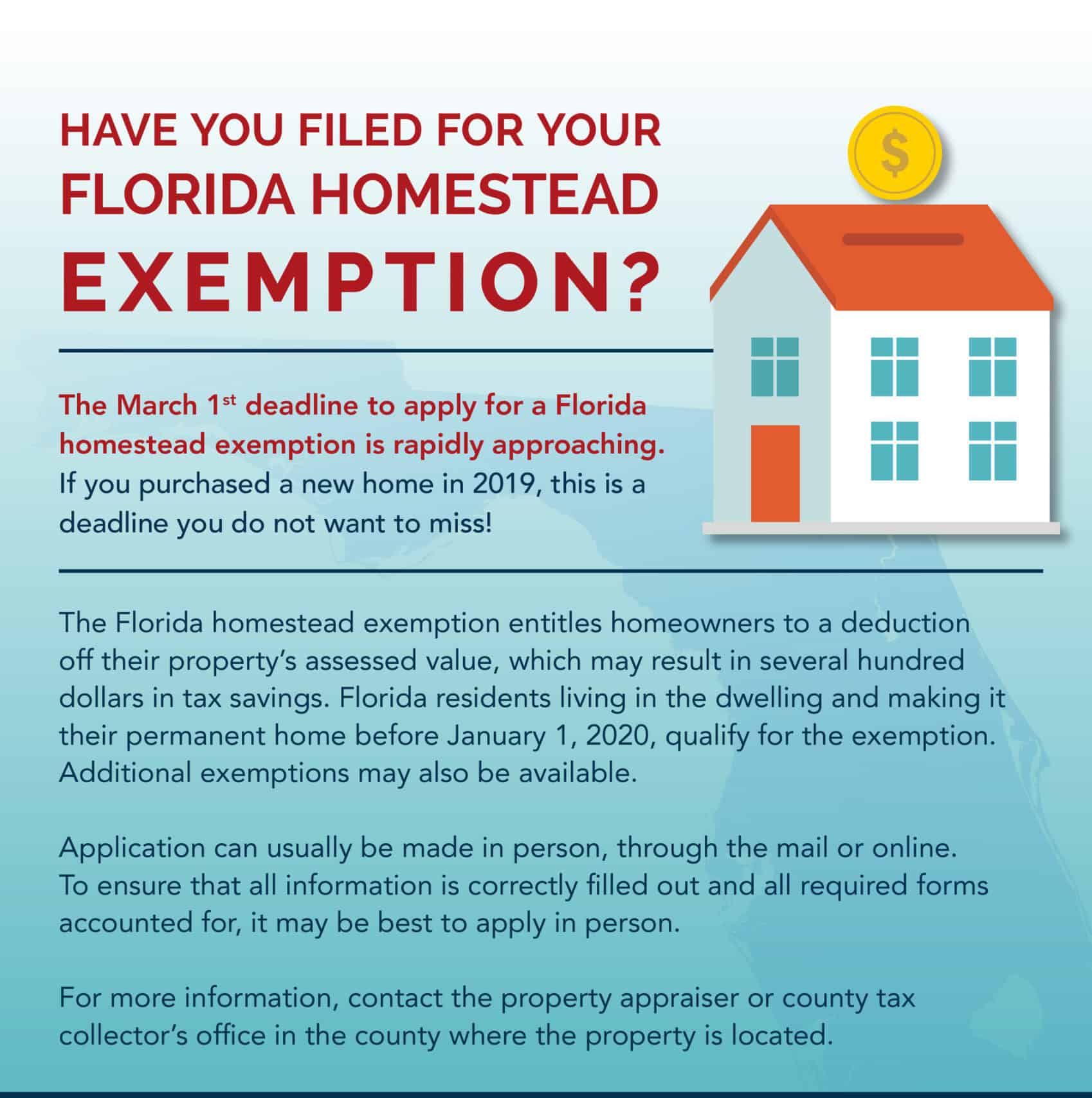
The primary benefit of the homestead exemption is the reduction of the taxable value of a primary residence. For a lifestyle focused on family stability or retirement luxury in cities like Naples or Sarasota, this can mean thousands of dollars in annual savings. These savings are often reinvested into the local economy, allowing residents to enjoy the world-class dining in Miami or the arts scene in St. Petersburg more frequently.
The Core Requirements for the Homestead Exemption
To qualify for this significant benefit, an individual must meet specific legal and residency requirements. The Florida Department of Revenue oversees the guidelines, but the application is processed by the property appraiser in the specific county where the home is located, such as Miami-Dade County or Hillsborough County.
Legal Residency and Intent
The most fundamental requirement is that the property must be your permanent residence. This is defined as the place where you have a true, fixed, and permanent home and to which, whenever absent, you have the intention of returning. For those who maintain properties in other parts of the United States or abroad, this is a crucial distinction. You cannot claim a homestead exemption in Florida if you are receiving a residency-based tax benefit in another state.
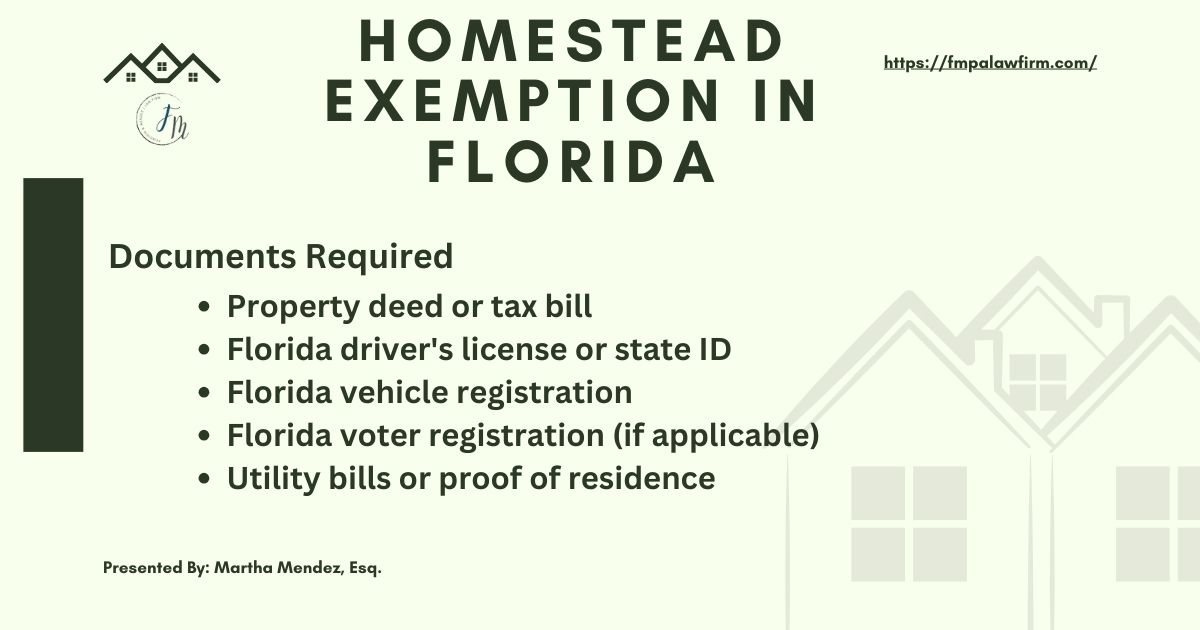
To prove this intent, several documents are typically required:
- A valid Florida driver’s license or identification card from the Florida Department of Highway Safety and Motor Vehicles.
- Evidence of Florida voter registration or a Declaration of Domicile.
- Florida vehicle registration.
- Proof of your social security number.
Ownership and Deadlines
You must hold the legal or beneficial title to the property as of January 1 of the year for which you are applying. This means if you purchase a home in Jacksonville on January 2, you are not eligible for the exemption for that calendar year; you must wait until the following year. The deadline to file the application is March 1 of the year in which the exemption is sought.
Whether you are living in a Mediterranean-style villa in Coral Gables or a modern condo overlooking the Gulf of Mexico in Destin, the ownership requirement remains the same. The property must be your primary home, not a rental property or a secondary vacation home.
Determining Eligibility: Who Can Apply?
The exemption is broad, but it contains nuances for different types of homeowners. Whether you are a single professional moving to Tampa for work or a couple retiring in the Florida Keys, the rules apply to your specific situation.
Individual and Joint Homeowners
Every person who has legal or equitable title to real estate and maintains it as their permanent residence is entitled to the exemption. If a property is owned jointly by a married couple, they are generally entitled to one exemption. If the owners are not married but both live in the home and own it jointly, they may each be entitled to a portion of the exemption, depending on their ownership interest.
Trusts and Life Estates
The Florida lifestyle often includes sophisticated estate planning, particularly for those living in upscale communities like Boca Raton or Winter Park. Fortunately, properties held in a living trust often qualify for the homestead exemption, provided the trust reflects that the applicant has a present possessory interest in the property. Similarly, individuals holding a “life estate” in a property—meaning they have the right to live there for the duration of their life—can also qualify.
Specialized Exemptions for Vulnerable Populations
Beyond the standard exemption, Florida provides additional tax relief for specific groups, enhancing the “lifestyle” value of the state for those with unique needs:
- Seniors: Many counties, including Orange County and Pinellas County, offer an additional exemption for residents 65 and older who meet certain income limits.
- Veterans: Disabled veterans may qualify for additional exemptions, and in some cases, a total exemption from property taxes, honoring their service to the United States.
- Widows and Widowers: A small additional exemption is available to those who have lost a spouse and have not remarried.
- Disabled Individuals: Residents with total and permanent disabilities may be eligible for significant tax reductions.
Navigating the Application Process in Major Florida Hubs
The process of applying for the homestead exemption can vary slightly depending on the local government infrastructure. Residents in high-growth areas like Tallahassee or the rapidly expanding Cape Coral should familiarize themselves with their local property appraiser’s office.
Applying in South Florida
In Miami-Dade County, the process is highly digitalized. Residents living in Coconut Grove or Aventura can often file their applications online. Given the high property values in this region, the homestead exemption is a vital tool for maintaining a luxury lifestyle while managing the cost of living.
Central Florida and the I-4 Corridor
In Orlando and the surrounding Orange County area, the property appraiser’s office handles thousands of applications from new residents drawn to the world-famous attractions and the burgeoning tech sector. Residents here often benefit from being close to Universal Studios Florida and SeaWorld Orlando, and the tax savings from the exemption make it easier to enjoy these local amenities.
The Gulf Coast Experience
In Hillsborough County and Pinellas County, which cover Tampa and St. Petersburg, the homestead exemption is widely used by those who enjoy the waterfront lifestyle of Bayshore Boulevard. The local offices provide extensive resources to help new residents understand the “Save Our Homes” benefits that come with the homestead status.
Long-Term Impacts: Save Our Homes and Portability
Perhaps the most significant aspect of the homestead lifestyle in Florida is the long-term protection against rising property values. Once you qualify for the homestead exemption, your property becomes eligible for the “Save Our Homes” (SOH) assessment limitation.
The Save Our Homes Cap
The SOH amendment to the Florida Constitution prevents the assessed value of a homesteaded property from increasing by more than 3% per year, or the percentage change in the Consumer Price Index, whichever is lower. In a booming real estate market—where values in cities like Daytona Beach or Pensacola might skyrocket—this cap provides residents with predictable housing costs. It ensures that long-term residents are not priced out of their homes by rising taxes.
Portability: Moving Within the State
A common misconception is that if you move from your current home in Gainesville to a new house in Key Largo, you lose your tax benefits. This is where “portability” comes into play. Florida law allows homeowners to “port” or transfer their Save Our Homes tax savings from one homestead to another within the state.
This portability feature is a cornerstone of the Florida lifestyle, allowing families to upgrade to larger homes or retirees to downsize to coastal condos without facing a massive spike in property taxes. You can transfer up to $500,000 of your tax savings to a new permanent residence, provided you establish the new homestead within a specific timeframe (usually within three tax years).

Final Considerations for the Florida Homeowner
Qualifying for the Florida homestead exemption is more than a bureaucratic hurdle; it is a gateway to a more sustainable and rewarding life in one of the most vibrant regions of the United States. By establishing your home in the Sunshine State, you join a community that values its residents and provides significant protections for the places they call home.
Whether you are watching the rocket launches from Cape Canaveral, enjoying the nightlife in Key West, or finding peace in the quiet suburbs of Lakeland, the homestead exemption ensures that your piece of paradise remains affordable. It allows you to focus on the experiences that make Florida famous—the beaches, the culture, and the endless summer—while providing the financial security necessary to enjoy them for a lifetime.
To ensure you qualify, remember to gather your documentation early, meet the January 1 occupancy requirement, and file your application by the March 1 deadline. By doing so, you secure your place in the Florida landscape, transforming from a temporary visitor into a permanent participant in the unique and thriving lifestyle of the Sunshine State.
LifeOutOfTheBox is a participant in the Amazon Services LLC Associates Program, an affiliate advertising program designed to provide a means for sites to earn advertising fees by advertising and linking to Amazon.com. Amazon, the Amazon logo, AmazonSupply, and the AmazonSupply logo are trademarks of Amazon.com, Inc. or its affiliates. As an Amazon Associate we earn affiliate commissions from qualifying purchases.