
New Orleans is a city defined by its vibrant energy, rhythmic jazz, and an unparalleled spirit of celebration. From the historic streets of the French Quarter to the lively parades of Mardi Gras, the city pulses with a cultural heartbeat that attracts millions of visitors annually. However, behind the facade of joyous festivities and architectural marvels, the city has faced moments of profound tragedy that challenge its image as a carefree tourist haven. When headlines surface regarding vehicular violence or accidental tragedies involving pedestrians, it forces a conversation about urban safety, the density of Louisiana tourism, and the intersection of public enjoyment and public order.
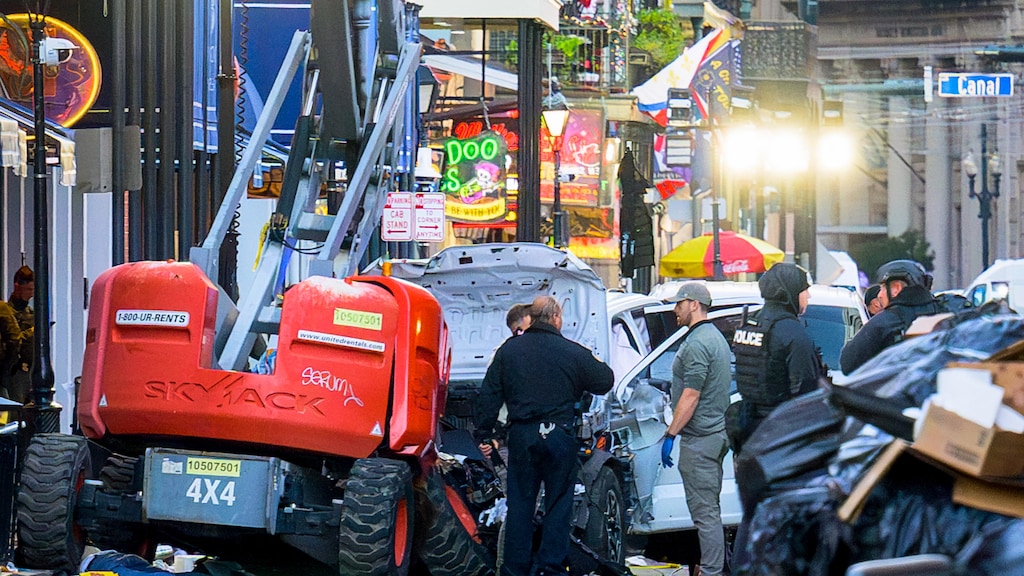
The Intersection of Public Safety and Tourism
The bustling atmosphere of Bourbon Street and the surrounding historic districts necessitates a complex approach to traffic management. During peak tourism seasons, the sheer volume of pedestrians often outstrips the capacity of the infrastructure. When incidents involving vehicles and pedestrians occur, they are rarely isolated events; they are often symptomatic of the challenges found in any high-traffic, historic city center.
Pedestrian Density in Historic Districts
New Orleans is unique in that its most popular tourist destinations are also its most dense residential and commercial pockets. In areas like the Garden District or the Warehouse District, narrow streets designed for 18th and 19th-century transport are now tasked with accommodating modern vehicular traffic, streetcars, and thousands of foot-traffic participants. This architectural legacy, while beautiful, creates blind spots and congestion points where the margin for error is razor-thin.
The Role of City Planning
The municipal government has long recognized that the safety of visitors and locals alike depends on pedestrian-friendly zoning. Significant efforts have been made to restrict vehicular access in core tourist zones, especially during festivals or large-scale events like Jazz Fest. These traffic calming measures, which include bollards, widened sidewalks, and increased police presence, serve as the frontline defense against the types of tragedies that have made news in the past.
Analyzing High-Profile Incidents

To understand the question of who or what causes these incidents, one must distinguish between criminal intent and structural failure. The city’s history includes rare, isolated acts of violence where vehicles were used as weapons, as well as tragic accidents resulting from intoxicated driving or simple infrastructure oversights.
Criminal Intent and Security Measures
In the rare instances where a vehicle is used as a weapon, the narrative shifts from traffic safety to law enforcement and counter-terrorism measures. Following national trends in urban security, the New Orleans Police Department has worked to harden soft targets. By utilizing temporary barriers and enhanced surveillance in high-traffic corridors, the city attempts to mitigate the risk posed by malicious actors. These proactive strategies are critical for maintaining the city’s reputation as a safe, welcoming destination for travelers from around the United States.
The Impact of Impaired Driving
A recurring theme in the history of road safety in New Orleans involves impaired driving. The city’s culture of nightlife—centered around legendary venues like Tipitina’s and the bars of Frenchmen Street—often creates environments where pedestrians and motorists interact under the influence. This reality has prompted the city to implement stricter ride-sharing regulations and increase the frequency of public transportation options like the St. Charles Streetcar. By providing safer alternatives to driving, the city aims to reduce the statistical likelihood of vehicular accidents involving pedestrians.
Promoting a Safe Tourist Experience
Despite isolated headlines, New Orleans remains a premier destination for travelers looking to immerse themselves in unique cultural experiences. The key to maintaining this status is transparency and ongoing investment in public space safety.
Tips for Responsible Exploration
For those visiting the city, being an informed tourist is a vital component of staying safe. Whether you are visiting the Audubon Aquarium of the Americas or dining in the Bywater, awareness of one’s surroundings is paramount.
- Use designated rideshares: Rely on official transport rather than attempting to navigate narrow streets while distracted.
- Stay in well-lit areas: Stick to the primary thoroughfares, particularly after dark, when visibility for drivers in the historic districts is reduced.
- Respect traffic signals: Even in the party atmosphere of the French Quarter, traffic laws apply to pedestrians just as much as they do to cars.

The Future of Urban Mobility
The City of New Orleans is currently undergoing a period of modernization. Planners are looking at long-term solutions that prioritize the pedestrian experience over the private automobile. This involves investing in greenways and expanded public transit networks that connect the Mississippi River waterfront to the inner neighborhoods. By reducing the number of cars required to navigate the city, the municipal authorities are taking a structural approach to the prevention of future incidents.
Ultimately, when the news raises questions about safety, the conversation often leads back to the balance between New Orleans as a living, working city and New Orleans as a global stage for culture. The vast majority of time, the streets are filled with the sounds of brass bands and the chatter of delighted visitors. The resilience of the local community, combined with a commitment to modernized safety protocols, ensures that the city continues to offer a world-class experience. While headlines can be alarming, they serve as a reminder that travel, at its core, requires mindfulness. Whether you are admiring the architecture of the St. Louis Cathedral or enjoying a beignet at Cafe Du Monde, understanding the environment and participating in the culture responsibly will always be the best way to ensure a memorable and safe journey through the heart of Louisiana.
LifeOutOfTheBox is a participant in the Amazon Services LLC Associates Program, an affiliate advertising program designed to provide a means for sites to earn advertising fees by advertising and linking to Amazon.com. Amazon, the Amazon logo, AmazonSupply, and the AmazonSupply logo are trademarks of Amazon.com, Inc. or its affiliates. As an Amazon Associate we earn affiliate commissions from qualifying purchases.