
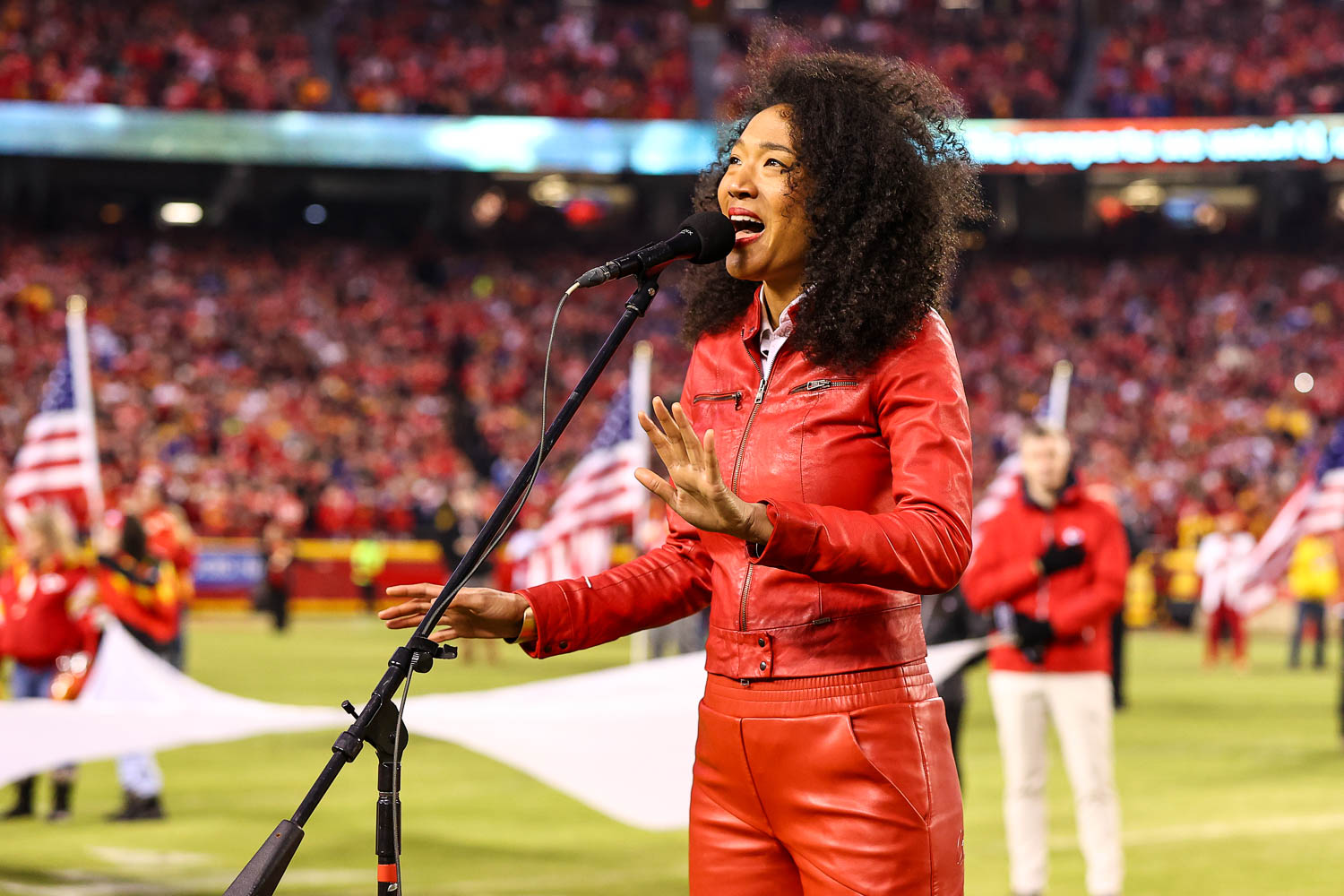
The question “Who sang Kansas City?” is rarely about a single voice; it is a question about the cultural resonance of a city that has served as the heartbeat of American rhythm and blues. While the song itself—the iconic “Kansas City”—was famously penned by Jerry Leiber and Mike Stoller and popularized by the gravelly, soulful delivery of Wilbert Harrison, the spirit of the song belongs to the geography, the jazz clubs, and the urban evolution of Kansas City. To understand the song is to understand the soul of a Missouri metropolis that defined a musical era.
The Birth of the Kansas City Sound
Before the chart-topping hits of the 1950s, Kansas City was already humming with a unique frequency. During the 1920s and 1930s, the city became a crucible for jazz, fostered by a political environment that allowed nightlife to flourish during Prohibition. This era cemented the city’s identity as a place where music wasn’t just entertainment—it was the local language.
The 18th and Vine District
The spiritual home of the city’s musical legacy lies within the 18th and Vine district. This historic neighborhood was the epicenter of a swinging, riff-based jazz style that differentiated Kansas City from the more polished sounds emerging from New York City or Chicago. Walking through these streets today, one can almost hear the echoes of Count Basie and Charlie Parker, figures whose innovation turned the city into an international mecca for musicians. The American Jazz Museum now stands as a testament to this era, preserving the oral histories and artifacts that explain why artists were so drawn to the “Heart of America.”
Rhythm and Blues Evolution
As the jazz era transitioned into the post-war period, the influence of the Kansas City sound began to bleed into the growing R&B scene. The song “Kansas City,” with its infectious 12-bar blues structure, captured a sense of longing and urban pride that resonated with audiences across the United States. It was a song that promised a vibrant life, good company, and an endless array of “crazy little women.”
The Geography of the Song
When listeners hear the lyrics about “Kansas City” and “getting my baby back,” they aren’t just hearing a song—they are hearing a travelogue of a place that felt like a sanctuary to the mid-century traveler. The imagery invoked by the lyrics aligns perfectly with the city’s historic reputation as a bustling rail and crossroads hub.
The Crossroads Arts District
Today, visitors looking to experience the modern evolution of this musical legacy often flock to the Crossroads Arts District. This area reflects the same creative dynamism that birthed the city’s early music scene. It is a place of adaptive reuse, where historic warehouses have been transformed into art galleries, boutique studios, and performance venues. The transition from the smoke-filled jazz basements of the 1930s to the open-concept galleries of today highlights the resilient, artistic soul of Kansas City.

Culinary Rhythms
No discussion of the “Kansas City” experience is complete without mentioning its culinary contribution to American culture. Just as the music is defined by its deep, resonant bass lines, the city’s identity is anchored by its legendary barbecue. Restaurants like Joe’s Kansas City Bar-B-Que serve as essential stops for travelers, offering a sensory experience that mirrors the complexity of the blues. The slow-smoked ribs and burnt ends are, in many ways, the gastronomic equivalent of the syncopated rhythms found in the local jazz records—a result of patience, technique, and deep-seated tradition.
Why the Song Still Matters to Tourism
The longevity of the song “Kansas City” serves as a masterclass in destination branding. It put the city on the map for generations who might never have traveled to the Midwest otherwise. The song turned a geographic location into a character, and that character continues to draw tourists today.
Musical Tourism and Heritage
Cities that leverage their musical heritage effectively—much like New Orleans or Memphis—rely on that bridge between artistic history and contemporary tourism. In Kansas City, the integration of music into everyday life remains strong. From the nightly live performances at the Green Lady Lounge to the annual Kansas City Jazz and Heritage Festival, the city actively cultivates the environment that the songwriters envisioned. Visitors don’t just come to look at museums; they come to experience a living, breathing tradition that hasn’t lost its swagger.
The Modern Traveler’s Journey
For the contemporary traveler, Kansas City offers a blend of accessibility and profound depth. Whether you are exploring the fountains that have earned the city the nickname “City of Fountains” or catching a baseball game at Kauffman Stadium, there is a sense of genuine hospitality that permeates the local culture. The “Kansas City” of the song may have been a dream for some, but for the modern visitor, it is an accessible reality of culture, history, and incredible food.
Preserving the Legacy
As we look toward the future of tourism in the region, the challenge lies in balancing modernization with the preservation of the raw, authentic roots that inspired the song. Urban development projects, such as the growth along the Kansas River, show that the city is looking ahead, but the reverence for its past—especially in Wyandotte County and throughout the metro area—ensures that the core identity remains intact.

Supporting Local Culture
Tourism in Kansas City is strongest when it supports the venues that continue to showcase the local talent. By visiting independent record stores, local jazz clubs, and family-owned barbecue joints, tourists contribute to the same ecosystem that allowed legends like Count Basie to thrive. The song “Kansas City” asked the world to pay attention; today’s travelers answer that call by engaging with the city’s ongoing, vibrant musical story.
When you ask who sang “Kansas City,” the answer is everyone who has walked its streets, contributed to its sound, and helped build its legacy. It is a city that sings for itself, a timeless tune of invention, barbecue, and the kind of soulful jazz that never truly goes out of style. Whether you are a fan of blues history or simply a traveler looking for the authentic heart of the United States, Kansas City remains a destination that demands to be heard.
LifeOutOfTheBox is a participant in the Amazon Services LLC Associates Program, an affiliate advertising program designed to provide a means for sites to earn advertising fees by advertising and linking to Amazon.com. Amazon, the Amazon logo, AmazonSupply, and the AmazonSupply logo are trademarks of Amazon.com, Inc. or its affiliates. As an Amazon Associate we earn affiliate commissions from qualifying purchases.