
The Industrial Heritage of the Sunflower State
When one envisions the landscape of Kansas, the mind often drifts toward rolling wheat fields, expansive horizons, and the quiet dignity of the Great Plains. Yet, tucked away in the southeastern corner of the state, Pittsburgh, Kansas tells a different story—one rooted in grit, geology, and the industrious spirit of mining. While the city is not a coastal destination or a desert oasis, the question of who provides sand and aggregate in this region opens a window into the local economy that sustains the infrastructure of Crawford County.
Digging Into Local Geology
The topography of southeastern Kansas is defined by its coal-mining history. This legacy has left the ground rich in materials that are essential for modern construction. Sand, gravel, and crushed stone are the lifeblood of any growing community, and in Pittsburgh, these resources are managed by a network of specialized suppliers who understand the unique soil composition of the region.
The Construction Pipeline
Local construction companies and independent contractors rely heavily on these suppliers. When you see a new development emerging near Pittsburg State University, the foundations are almost certainly anchored in materials sourced from nearby pits. Understanding the supply chain here provides a deeper appreciation for how a town—originally founded on coal—continues to build its future through the careful management of its natural resources.
Navigating the Supply Chain: Who Moves the Earth?
In Pittsburgh, the market for sand and aggregate is serviced by a blend of long-standing regional firms and specialized logistical operators. Unlike larger metropolitan areas where supply chains are fragmented, Kansas relies on a tight-knit community of vendors who prioritize local service and heavy-duty transport.
Identifying the Local Vendors
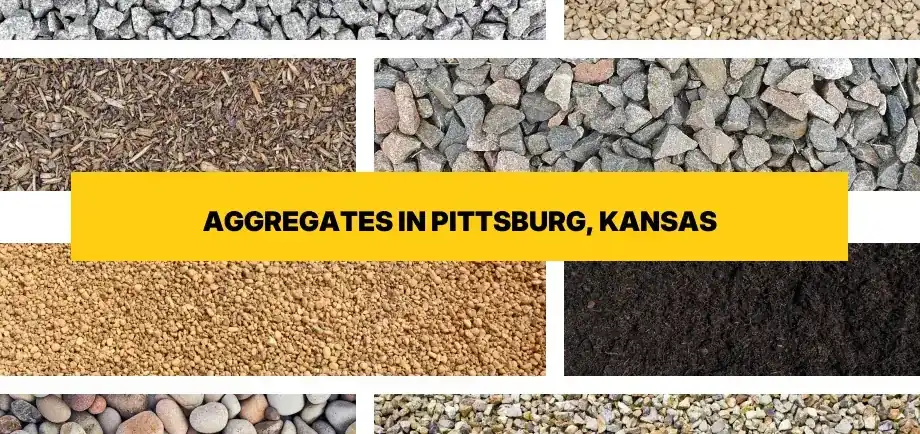
Several entities operate within the radius of Crawford County to ensure that everything from fine-grain masonry sand to coarse river gravel is available for commercial and residential use. Many of these suppliers operate their own quarries, effectively cutting out the middleman and keeping the costs of building materials competitive for local developers.
- Quarry Operations: Direct extraction sites located just outside the city limits.
- Logistical Suppliers: Firms that manage the transport and distribution of heavy aggregates from the pits to the job site.
- Retail Supply Centers: Businesses that offer bagged sand for homeowners, landscaping contractors, and smaller masonry projects.
Why Quality Matters in Construction
The “sand” in question is rarely uniform. Depending on the intended use—whether it is for high-strength concrete for foundations, drainage bedding, or aesthetic landscape design—the suppliers in Pittsburgh must source, clean, and screen the material to exacting standards. The regional geology of Kansas presents specific challenges, and local providers have developed the technical expertise to overcome these, ensuring the integrity of the structures that define the city’s skyline.

The Intersection of Industry and Community
Tourism and local development go hand in hand. A thriving town, bolstered by a strong construction industry, creates the environment necessary for visitors to enjoy the culture of Southeast Kansas. When we explore cities like Pittsburgh, we are essentially walking through a history of physical labor and resource management.
The Role of Infrastructure in Tourism
The development of parks, recreational trails, and historical landmarks like Lakeside Park depends on the ready availability of construction materials. Without a robust local sand and gravel industry, the infrastructure that allows tourists to visit and enjoy Crawford County would be significantly harder to maintain.
Supporting Local Economies
By sourcing materials locally, Pittsburgh keeps its money circulating within the community. This economic cycle supports the small businesses, restaurants, and local services that make the town an inviting place for travelers. When visitors frequent a local coffee shop or stay at an inn near Pittsburg State University, they are experiencing the final result of a construction process that began with local sand suppliers.
Beyond the Surface: Exploring the Region
For those who visit Pittsburgh to learn about its industrial roots, the journey often extends beyond the city limits. The landscape of Kansas offers a unique perspective on the American Heartland, characterized by vast expanses and hidden pockets of industrial activity.
A Traveler’s Guide to Industrial History
Visitors interested in the mechanics of how a city is built might find interest in touring the historical mining sites that dot Crawford County. These sites are not just relics; they explain why specific industries, including sand and aggregate extraction, remain vital to the region today.
Tips for Engaging with Local Businesses
If you are planning a trip or a project in the area, consider the following when looking for local materials or services:
- Check Local Directories: The Pittsburgh Area Chamber of Commerce often maintains listings of verified local vendors.
- Understand the Seasonality: Construction in Kansas is highly dependent on weather conditions. Planning projects around the mid-summer or autumn months ensures smoother logistics.
- Engage with the Community: Visit local museums and historical societies to understand the specific geological makeup of the region, which will provide context for the quality of materials sourced locally.

Looking Toward the Future
The story of who sells sand in Pittsburgh is, at its heart, a story of sustainability and local pride. As the city looks toward future growth—whether it be the expansion of the university or the development of new housing—the foundational materials will continue to come from the earth beneath the feet of its residents. By supporting the local suppliers, the community ensures that its growth is as authentic and enduring as the Kansas soil itself.
In conclusion, the question of where one acquires sand in this part of the state points toward a sophisticated, localized industry that sustains the very fabric of Southeast Kansas. From the heavy industrial sites on the outskirts of town to the beautifully paved pathways of Lakeside Park, the work of these suppliers is visible in every corner of the community. For those visiting or living in Pittsburgh, acknowledging the role of these essential services provides a deeper, more professional understanding of how a town functions, survives, and thrives in the modern age.
LifeOutOfTheBox is a participant in the Amazon Services LLC Associates Program, an affiliate advertising program designed to provide a means for sites to earn advertising fees by advertising and linking to Amazon.com. Amazon, the Amazon logo, AmazonSupply, and the AmazonSupply logo are trademarks of Amazon.com, Inc. or its affiliates. As an Amazon Associate we earn affiliate commissions from qualifying purchases.