
While the iconic 1970s song “It Never Rains in California” is often associated with the perpetual sunshine of the Golden State, the reality for visitors and residents alike is far more nuanced and, at times, surprisingly damp. This piece delves into the meteorological tapestry of California, exploring its diverse climates, understanding how the song’s sentiment plays out across its varied landscapes, and what this means for the discerning traveler. We will dissect the myth versus the reality of a perpetually sunny California, examining its rainfall patterns, and highlighting destinations where the “never rains” adage holds a peculiar, or perhaps ironic, truth.
The Myth of Perpetual Sunshine
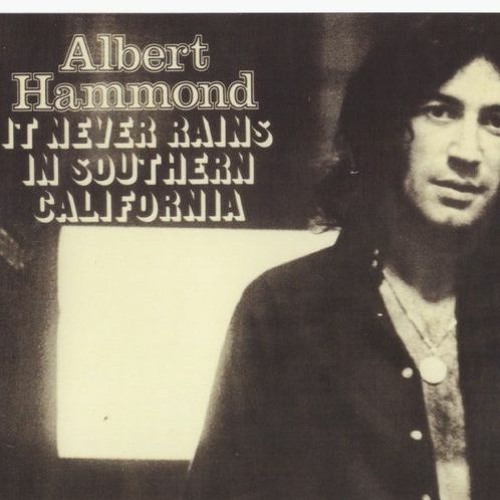
The popular perception of California as a land of endless sun is deeply ingrained, largely thanks to its association with the entertainment industry, beach culture, and a generally desirable climate for many. The song itself, released by Albert Hammond in 1972, captured a romanticized vision of escaping to a place where troubles would melt away under a benevolent sun. However, this romantic notion doesn’t quite align with the complex climatological realities of such a vast and geographically diverse state.
A State of Contrasts
California stretches over 770 miles from north to south, encompassing a staggering array of environments, from arid deserts to lush forests and temperate coastlines. This immense geographical variation directly translates into equally varied weather patterns.
- Southern California: While areas like Los Angeles and San Diego are indeed known for their dry, sunny climates for a significant portion of the year, they are not immune to rainfall. Winter months (typically November to March) often bring Pacific storms that can drench the region, albeit usually in episodic bursts rather than prolonged downpours. The iconic Hollywood sign has certainly been seen through rainy skies.
- Northern California: Moving north, the climate becomes significantly wetter. The San Francisco Bay Area, though still enjoying many sunny days, experiences more frequent and heavier rainfall, particularly during its winter wet season. Further north, the Emerald Triangle and the coastal redwood regions are significantly more humid and receive substantial precipitation throughout the cooler months, nurturing the towering forests.
- Mountainous Regions: The Sierra Nevada mountains, a majestic spine of California, are a prime example of contrasting weather. During winter, these areas are blanketed in snow, providing crucial water resources for the rest of the state. Ski resorts like Mammoth Lakes and Lake Tahoe thrive on these snowy conditions, a far cry from the sunny beaches of the south.
- Desert Areas: Even the state’s desert regions, such as the Mojave Desert and Death Valley, while characterized by extreme heat and aridity, can experience intense, albeit infrequent, thunderstorms during the summer monsoon season. These sudden downpours can transform arid landscapes into temporary riverbeds.
The “never rains” sentiment, therefore, is more of a poetic license than a meteorological fact, particularly when considering the entirety of California.
The Meteorological Nuances of California’s Climate
Understanding the actual rainfall patterns in California is crucial for appreciating the state’s natural beauty and for planning any visit. The state’s climate is largely influenced by its proximity to the Pacific Ocean, the presence of mountain ranges, and its latitude.
Pacific Influence and the Winter Wet Season
The majority of California’s rainfall is concentrated during the late fall, winter, and early spring months. This is primarily due to the influence of the Pacific Ocean, which acts as a source of moisture-laden air masses.
- Atmospheric Rivers: A significant driver of heavy rainfall, especially in central and northern California, are phenomena known as atmospheric rivers. These are long, narrow bands of concentrated water vapor that can transport vast amounts of moisture from the tropics to the West Coast, leading to substantial precipitation.
- Orographic Lift: When these moist air masses encounter mountain ranges like the Sierra Nevada or the Coast Ranges, they are forced upward. As the air rises, it cools, and its moisture condenses, leading to increased rainfall on the windward (western) slopes of the mountains. This is why mountain areas typically receive more precipitation than adjacent valleys.
- El Niño and La Niña: Interannual climate patterns like El Niño and La Niña can significantly impact California’s rainfall. El Niño years are often associated with wetter-than-average conditions across much of the state, while La Niña years tend to be drier.
Drought and Water Management

Despite periods of heavy rainfall, California is also prone to prolonged droughts. The state’s water resources are a complex and often contentious issue, with rainfall patterns playing a critical role. Reservoirs, snowpack in the Sierra Nevada, and groundwater levels are all closely monitored to manage water availability for agriculture, urban consumption, and environmental needs.
The song’s catchy assertion, therefore, can be misleading to those unfamiliar with the state’s hydrological cycle and the cyclical nature of drought and deluge.
Destinations Where Rain is a Rare, but Possible, Visitor
While no part of California is entirely immune to the rain, some regions experience it less frequently or with less intensity, lending more credence to the song’s romantic notion.
The Sun-Drenched South
The southern coastal regions of California are, arguably, the closest to embodying the spirit of “It Never Rains in California.”
- Los Angeles Basin: This sprawling metropolitan area enjoys an average of over 300 sunny days per year. While winter brings a chance of rain, it is often intermittent and the sunshine quickly returns. Popular attractions like Griffith Observatory and Disneyland are typically enjoyed under clear skies.
- San Diego County: Further south, San Diego boasts an even more temperate and drier climate. Its coastal location and southerly latitude contribute to its reputation for near-perfect weather year-round. Beaches in areas like La Jolla and Coronado are iconic for their sunny vistas. The city is famous for its pleasant Mediterranean climate.
- Palm Springs and the Deserts: Inland, the desert resorts of Palm Springs offer an arid climate with extremely low annual rainfall. Days are consistently sunny and hot, making it a popular destination for those seeking guaranteed sunshine, though occasional desert thunderstorms can occur.
Coastal Breezes and Microclimates
Even within these generally sunny areas, microclimates exist. Coastal fog, particularly prevalent in the San Francisco Bay Area during the summer months, can create cooler, more overcast conditions, a phenomenon locals affectionately call “June gloom” or “May gray.” This fog, while not rain, can obscure the perpetual sunshine.
The Artist and the Song: A Cultural Snapshot
Albert Hammond, the British-born singer-songwriter, penned “It Never Rains in California” as a reflective, somewhat melancholic, ballad about dreams and disillusionment. The song’s narrative follows someone who leaves their home for the allure of California, only to find that the reality doesn’t match the fantasy, and that despite the sunshine, life can still be challenging. The lyric “It never rains in California, but girl, don’t they warn ya?” suggests a subtle acknowledgment that paradise isn’t always perfect, hinting at underlying difficulties or the ephemeral nature of happiness.
The song has become an enduring anthem for California, capturing a potent blend of aspiration and the bittersweet reality that often accompanies the pursuit of dreams. Its popularity cemented the state’s image as a golden land of opportunity and eternal sunshine in the global consciousness.

Impact on Tourism
The romanticized image of California as a sun-drenched paradise has undoubtedly had a significant impact on its tourism industry. Millions flock to the state annually, drawn by the promise of beautiful beaches, outdoor adventures, and a generally pleasant climate. While the song might be an artistic exaggeration, the underlying sentiment resonates with many seeking a brighter, more optimistic future – a feeling that California has long symbolized. From the theme parks of Southern California to the vineyards of Napa Valley, the allure of good weather remains a powerful draw.
In conclusion, while the song “It Never Rains in California” is a masterful piece of songwriting that captures a cultural aspiration, it is just that – a song. California is a state of incredible natural diversity, and its weather, while often sunny, is a dynamic and varied phenomenon. Understanding these nuances allows for a richer appreciation of the Golden State, both its celebrated sunshine and its occasional, and often necessary, refreshing rains.
LifeOutOfTheBox is a participant in the Amazon Services LLC Associates Program, an affiliate advertising program designed to provide a means for sites to earn advertising fees by advertising and linking to Amazon.com. Amazon, the Amazon logo, AmazonSupply, and the AmazonSupply logo are trademarks of Amazon.com, Inc. or its affiliates. As an Amazon Associate we earn affiliate commissions from qualifying purchases.